Departamento de Bioquímica, Biología Molecular y Celular, Universidad de Zaragoza, C/ Miguel Servet 177, 50013 Zaragoza, Spain; Instituto de Investigación Sanitaria de Aragón (IIS Aragón), Universidad de Zaragoza, C/ Miguel Servet 177, 50013 Zaragoza, Spain; Centro de Investigaciones Biomédicas en Red de Enfermedades Raras (CIBERER), Universidad de Zaragoza, C/ Miguel Servet 177, 50013 Zaragoza, Spain.
Departamento de Bioquímica, Biología Molecular y Celular, Universidad de Zaragoza, C/ Miguel Servet 177, 50013 Zaragoza, Spain; Instituto de Investigación Sanitaria de Aragón (IIS Aragón), Universidad de Zaragoza, C/ Miguel Servet 177, 50013 Zaragoza, Spain.
Redox Biol. 2017 Oct;13:244-254. doi: 10.1016/j.redox.2017.05.026. Epub 2017 May 31.
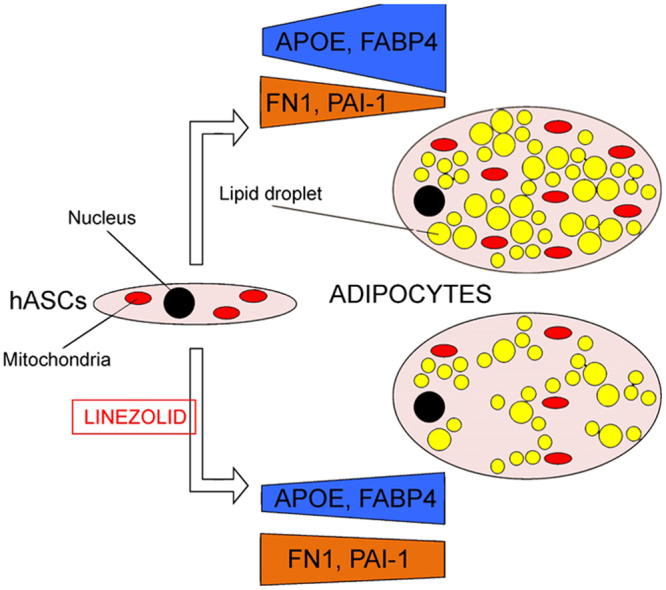
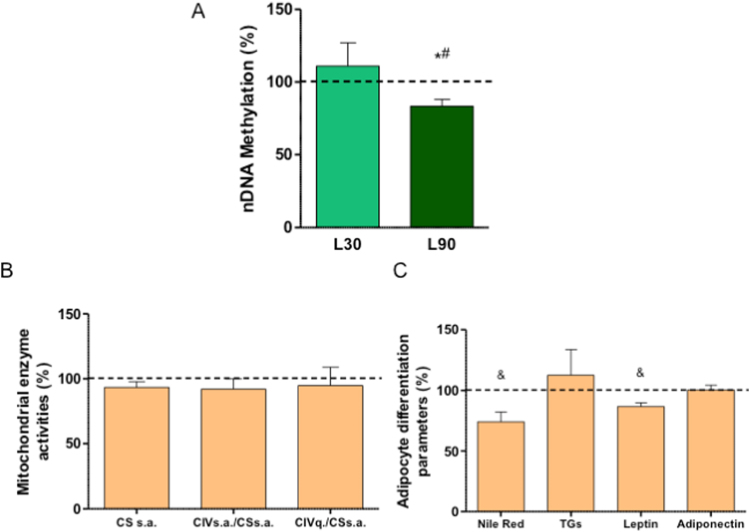
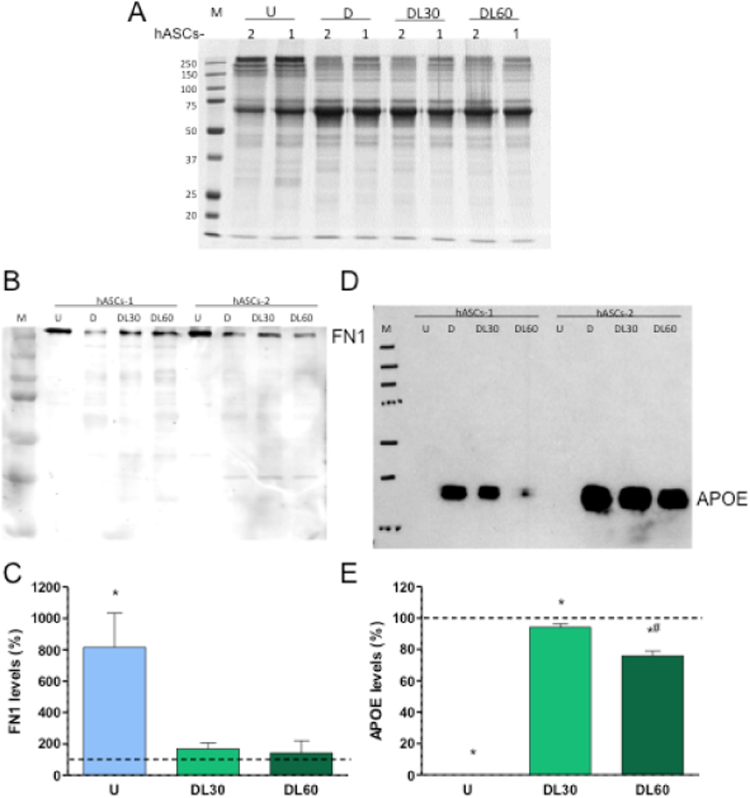
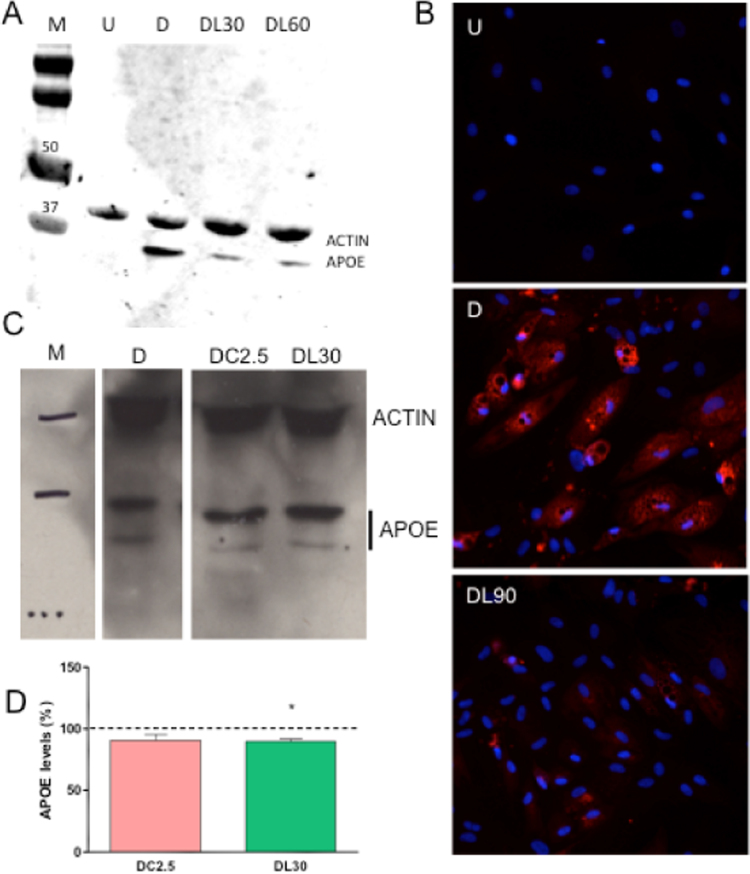
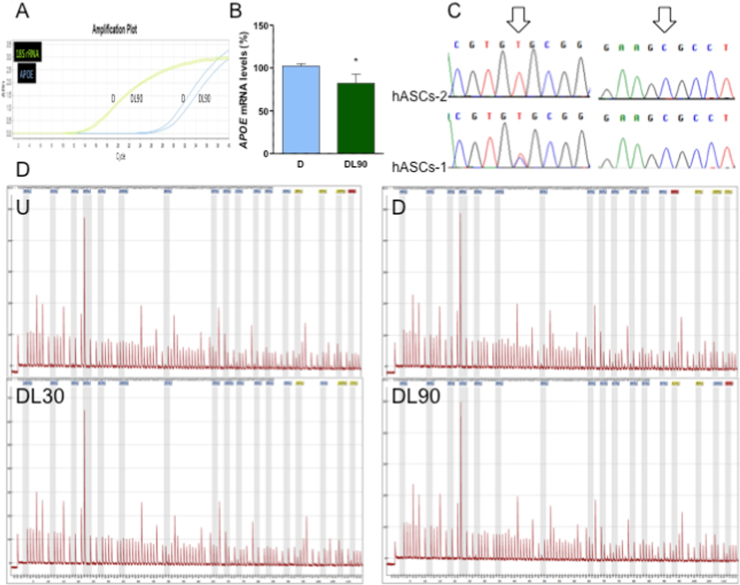
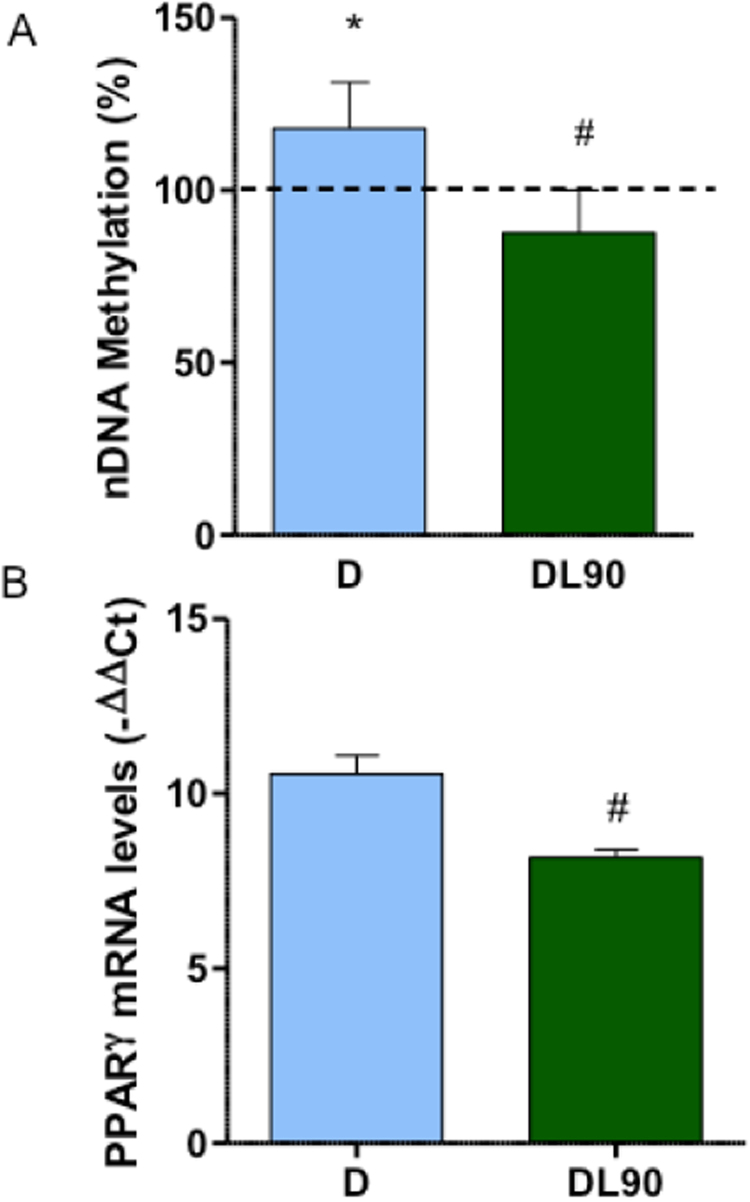
The oxidative phosphorylation system is important for adipocyte differentiation. Therefore, xenobiotics inhibitors of the oxidative phosphorylation system could affect adipocyte differentiation and adipokine secretion. As adipokines impact the overall health status, these xenobiotics may have wide effects on human health. Some of these xenobiotics are widely used therapeutic drugs, such as ribosomal antibiotics. Because of its similarity to the bacterial one, mitochondrial translation system is an off-target for these compounds. To study the influence of the ribosomal antibiotic linezolid on adipokine production, we analyzed its effects on adipocyte secretome. Linezolid, at therapeutic concentrations, modifies the levels of apolipoprotein E and several adipokines and proteins related with the extracellular matrix. This antibiotic also alters the global methylation status of human adipose tissue-derived stem cells and, therefore, its effects are not limited to the exposure period. Besides their consequences on other tissues, xenobiotics acting on the adipocyte oxidative phosphorylation system alter apolipoprotein E and adipokine production, secondarily contributing to their systemic effects.
氧化磷酸化系统对脂肪细胞分化很重要。因此,氧化磷酸化系统的外来物抑制剂可能会影响脂肪细胞分化和脂肪因子分泌。由于脂肪因子会影响整体健康状况,这些外来物质可能会对人类健康产生广泛影响。其中一些外来物质是广泛使用的治疗药物,如核糖体抗生素。由于其与细菌的相似性,线粒体翻译系统是这些化合物的非靶点。为了研究核糖体抗生素利奈唑胺对脂肪因子产生的影响,我们分析了它对脂肪细胞分泌组的影响。利奈唑胺在治疗浓度下会改变载脂蛋白 E 和几种脂肪因子以及与细胞外基质相关的蛋白的水平。这种抗生素还改变了人脂肪组织来源干细胞的整体甲基化状态,因此,其作用不仅限于暴露期。除了对其他组织的影响外,作用于脂肪细胞氧化磷酸化系统的外来物质还会改变载脂蛋白 E 和脂肪因子的产生,从而间接地影响其全身作用。