Emerson Kevin J, Glaser Robert L
Department of Biology, St. Mary's College of Maryland, Maryland 20686-3001.
Wadsworth Center, New York State Department of Health, Albany, New York 12201-0509
G3 (Bethesda). 2017 Aug 7;7(8):2627-2635. doi: 10.1534/g3.117.043422.
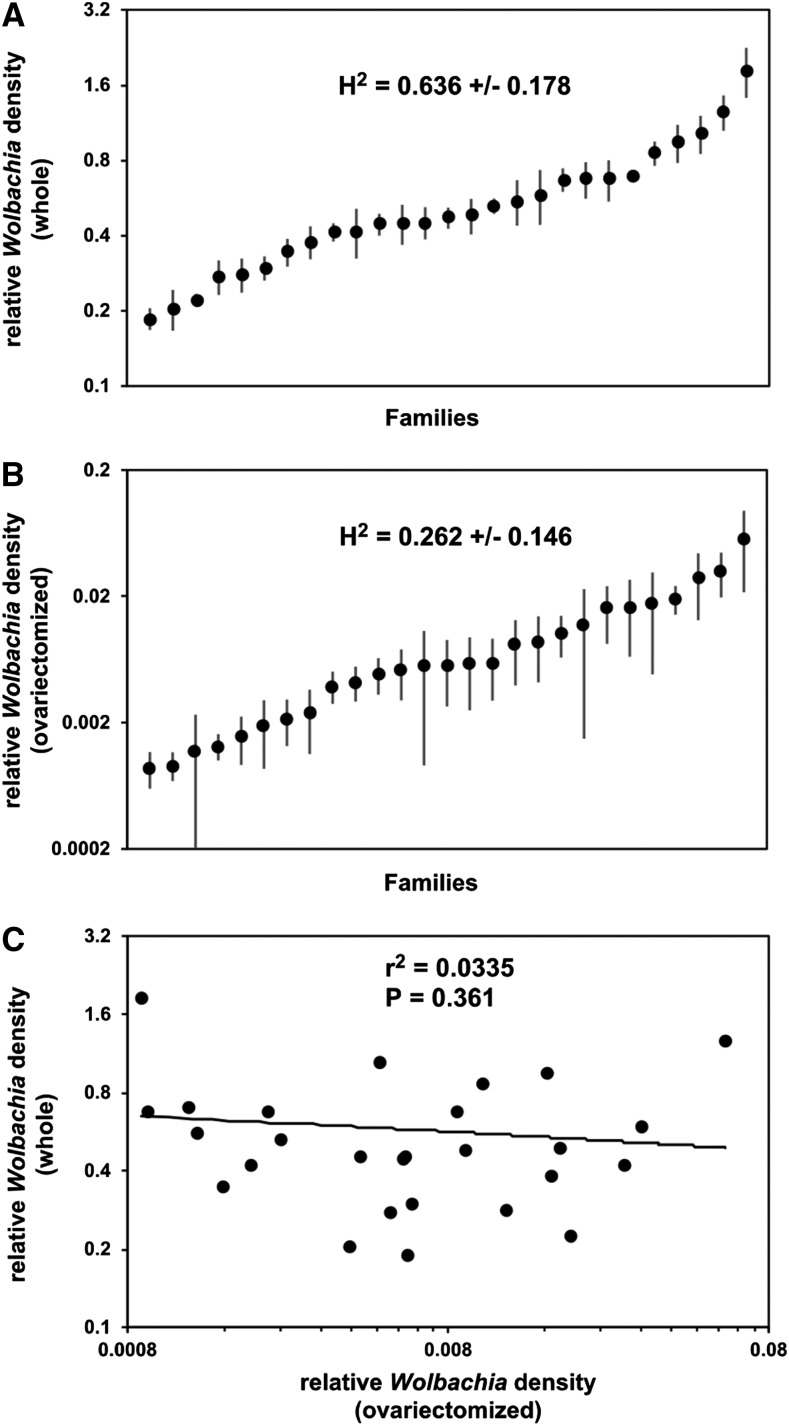
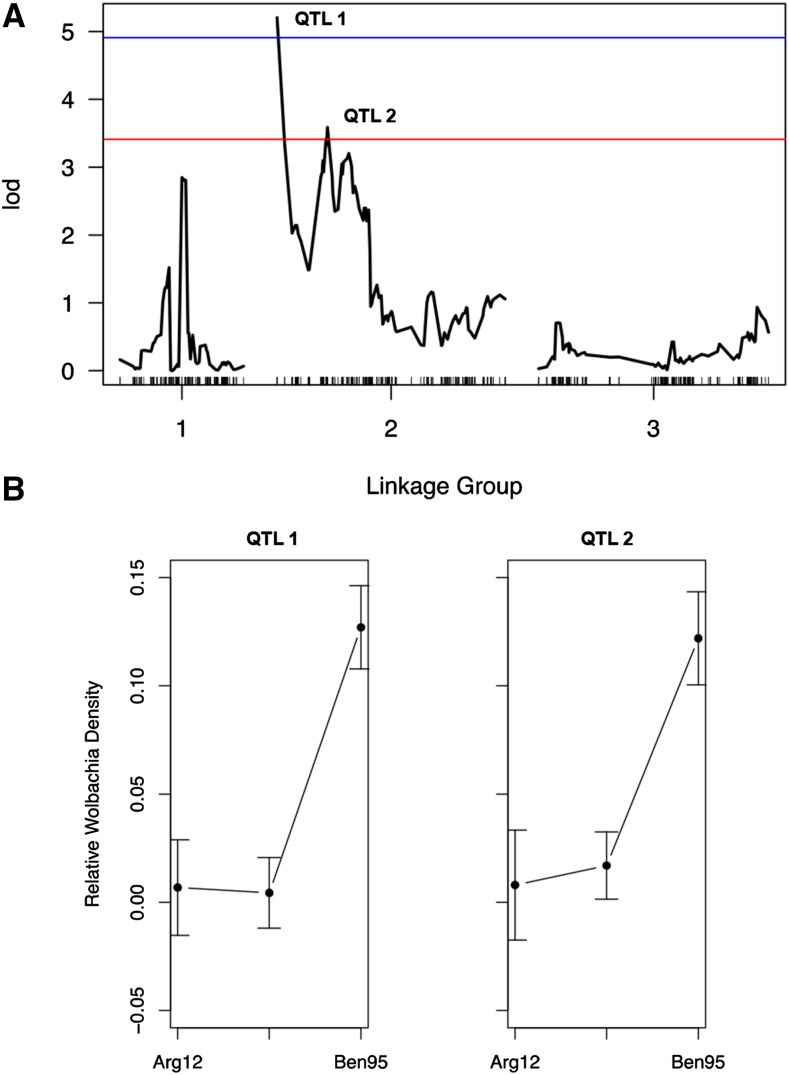
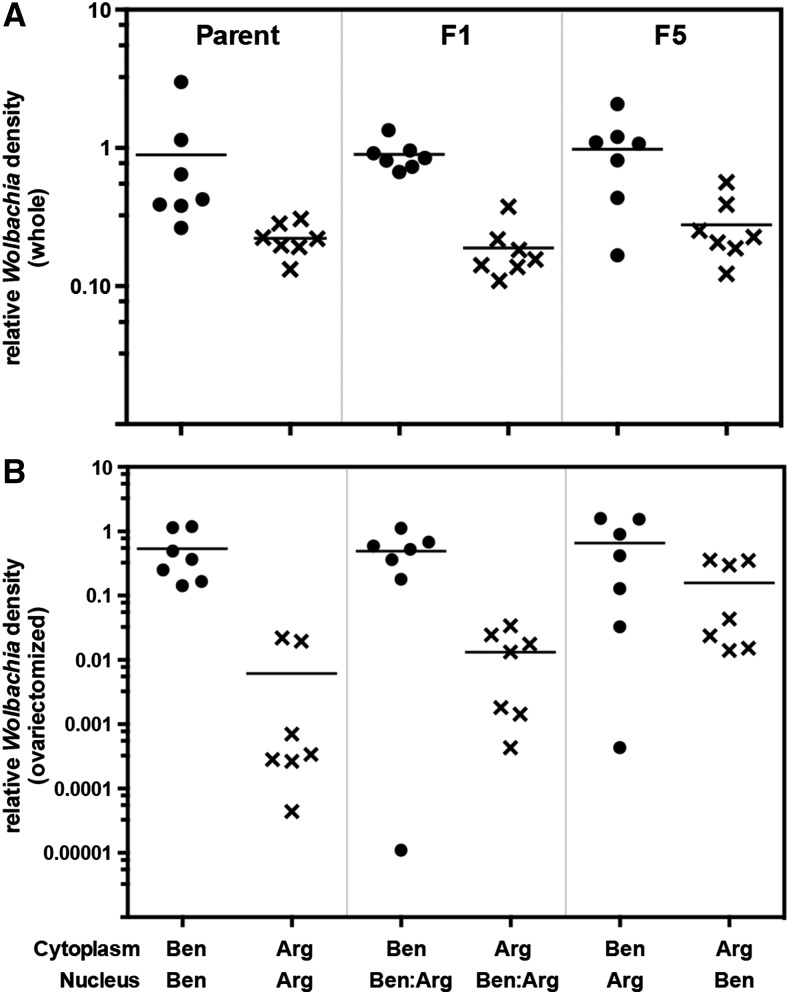
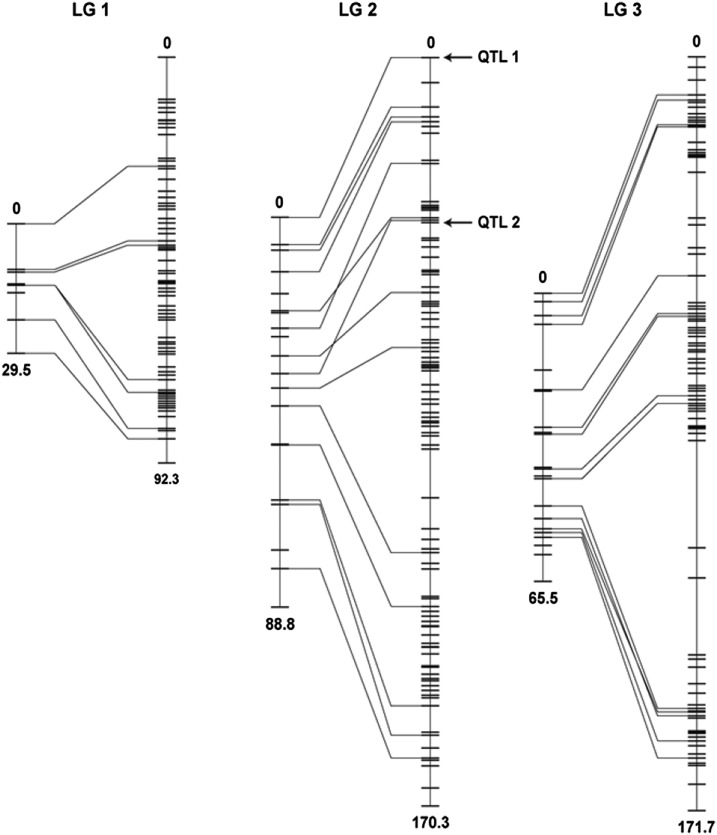
, a bacterial symbiont infecting arthropods and nematodes, is vertically transmitted through the female germline and manipulates its host's reproduction to favor infected females. also infects somatic tissues where it can cause nonreproductive phenotypes in its host, including resistance to viral pathogens. -mediated phenotypes are strongly associated with the density of in host tissues. Little is known, however, about how density is regulated in native or heterologous hosts. Here, we measure the broad-sense heritability of density among families in field populations of the mosquito , and show that densities in ovary and nongonadal tissues of females in the same family are not correlated, suggesting that density is determined by distinct mechanisms in the two tissues. Using introgression analysis between two different strains of the closely related species , we show that densities in ovary tissues are determined primarily by cytoplasmic genotype, while densities in nongonadal tissues are determined by both cytoplasmic and nuclear genotypes and their epistatic interactions. Quantitative-trait-locus mapping identified two major-effect quantitative-trait loci in the genome explaining a combined 23% of variance in density, specifically in nongonadal tissues. A better understanding of how density is regulated will provide insights into how density can vary spatiotemporally in insect populations, leading to changes in -mediated phenotypes such as viral pathogen resistance.
沃尔巴克氏体是一种感染节肢动物和线虫的细菌共生体,通过雌性生殖系进行垂直传播,并操纵宿主的繁殖以利于受感染的雌性。沃尔巴克氏体还感染体细胞组织,在宿主中可导致非生殖表型,包括对病毒病原体的抗性。沃尔巴克氏体介导的表型与宿主组织中沃尔巴克氏体的密度密切相关。然而,关于沃尔巴克氏体密度在天然宿主或异源宿主中是如何调节的,人们知之甚少。在这里,我们测量了蚊虫野外种群中各家族间沃尔巴克氏体密度的广义遗传力,并表明同一家族中雌性卵巢和非性腺组织中的密度不相关,这表明沃尔巴克氏体密度在这两种组织中是由不同机制决定的。通过对密切相关物种的两个不同品系进行渐渗分析,我们发现卵巢组织中的沃尔巴克氏体密度主要由细胞质基因型决定,而非性腺组织中的密度则由细胞质和细胞核基因型及其上位性相互作用决定。数量性状位点定位在沃尔巴克氏体基因组中鉴定出两个主要效应的数量性状位点,它们共同解释了沃尔巴克氏体密度变异的23%,特别是在非性腺组织中。更好地理解沃尔巴克氏体密度是如何调节的,将有助于深入了解昆虫种群中沃尔巴克氏体密度如何随时间和空间变化,从而导致沃尔巴克氏体介导的表型变化,如病毒病原体抗性。