Department of Chemistry, Pennsylvania State University, University Park, Pennsylvania, 16802, USA.
Sci Rep. 2017 Jun 12;7(1):3215. doi: 10.1038/s41598-017-03033-z.
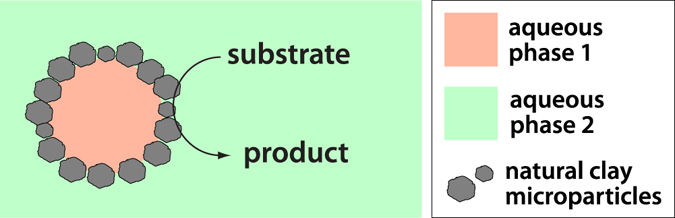
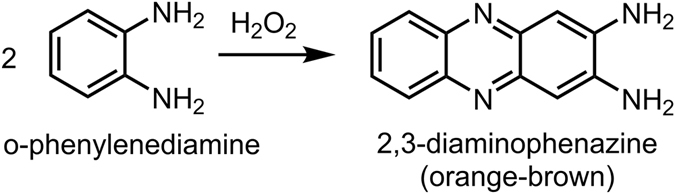
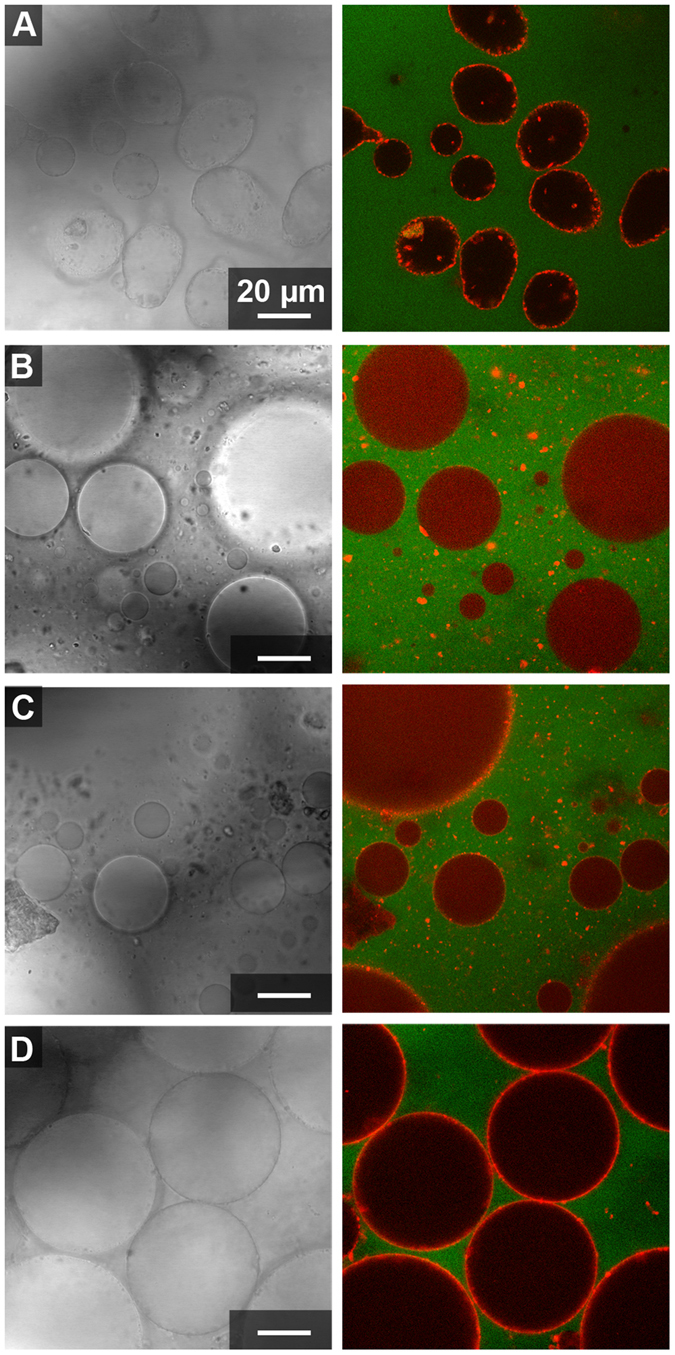
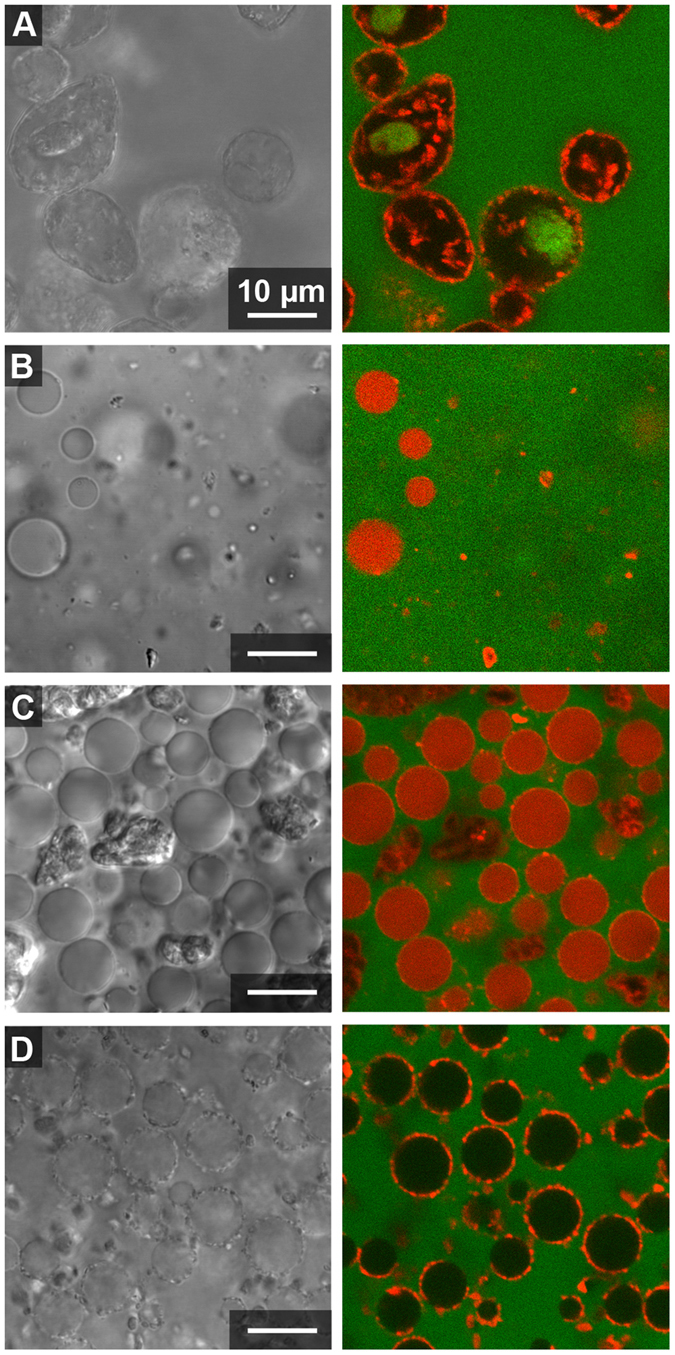
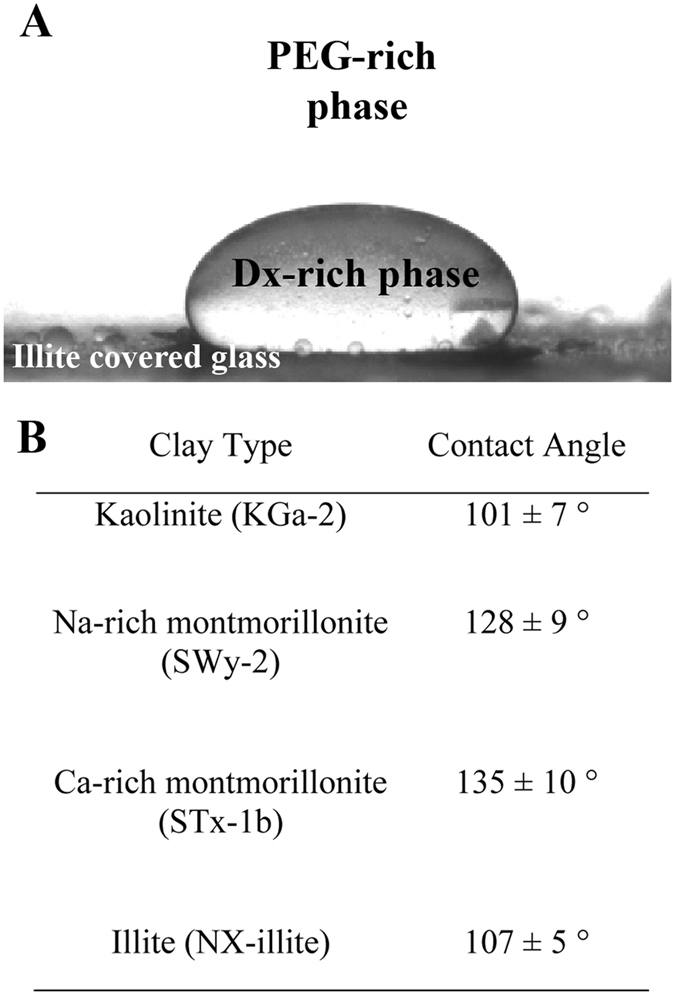
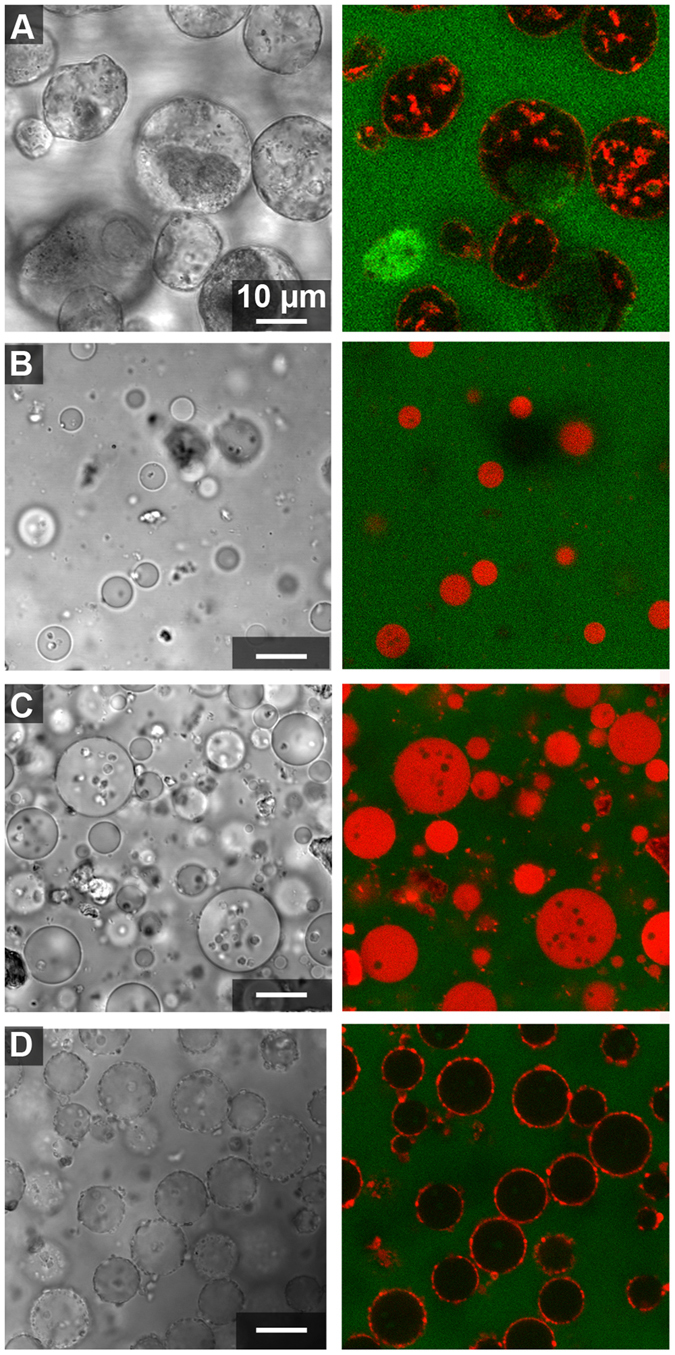
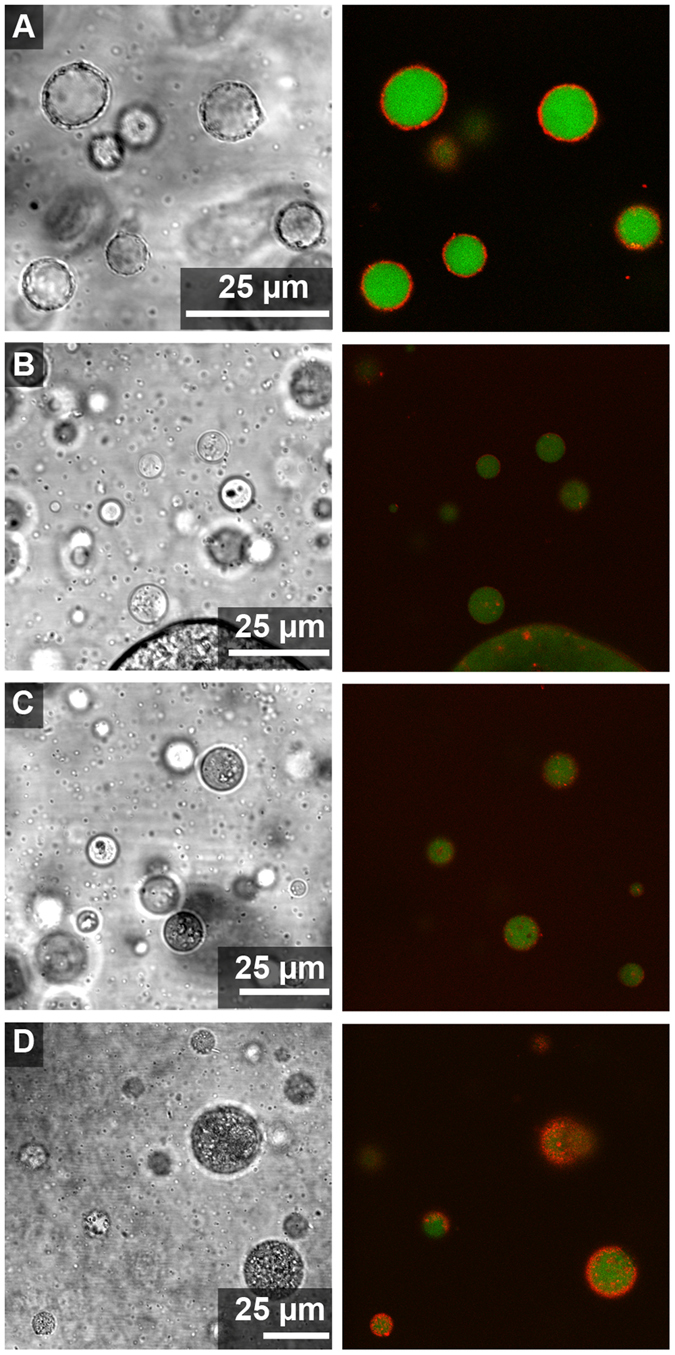
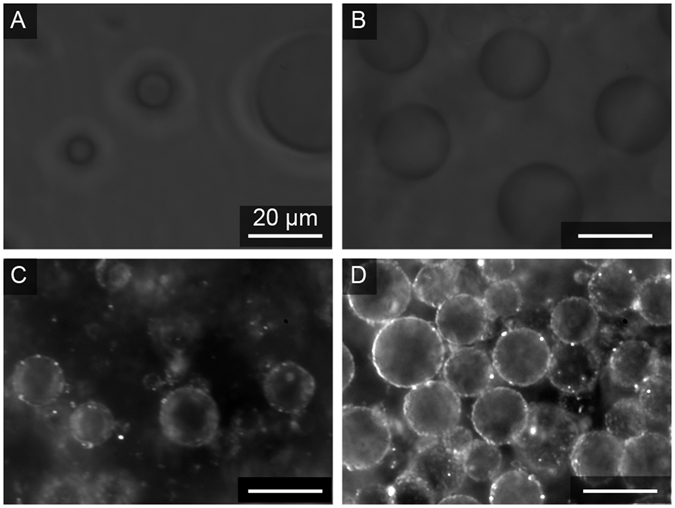
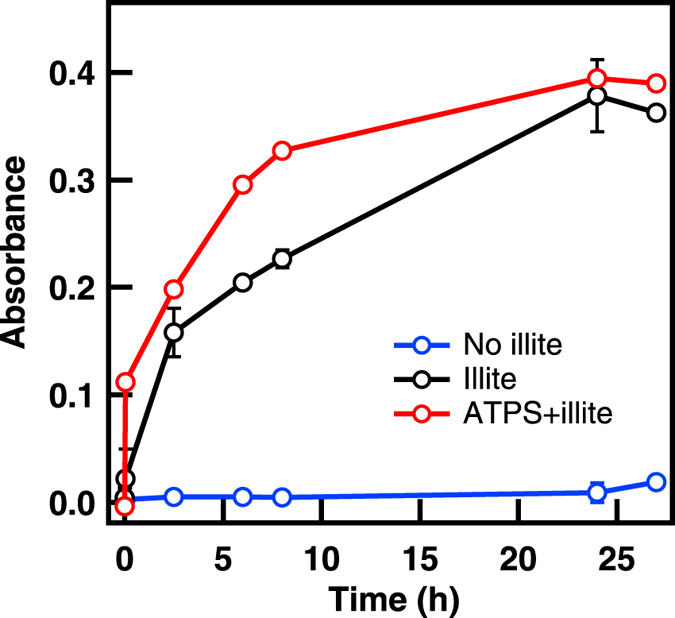
Natural clay particles have been hypothesized as catalysts on the early Earth, potentially facilitating the formation of early organic (bio) molecules. Association of clay particles with droplets formed by liquid-liquid phase separation could provide a physical mechanism for compartmentalization of inorganic catalysts in primitive protocells. Here we explore the distribution of natural clay mineral particles in poly(ethylene glycol) (PEG)/dextran (Dx) aqueous two-phase systems (ATPS). We compared the three main types of natural clay: kaolinite, montmorillonite and illite, all of which are aluminosilicates of similar composition and surface charge. The three clay types differ in particle size, crystal structure, and their accumulation at the ATPS interface and ability to stabilize droplets against coalescence. Illite and kaolinite accumulated at the aqueous/aqueous interface, stabilizing droplets against coalescence but not preventing their eventual sedimentation due to the mass of adsorbed particles. The ability of each clay-containing ATPS to catalyze reaction of o-phenylenediamine with peroxide to form 2,3-diaminophenazone was evaluated. We observed modest rate increases for this reaction in the presence of clay-containing ATPS over clay in buffer alone, with illite outperforming the other clays. These findings are encouraging because they support the potential of combining catalytic mineral particles with aqueous microcompartments to form primitive microreactors.
天然粘土颗粒被假设为早期地球上的催化剂,可能有助于早期有机(生物)分子的形成。粘土颗粒与液-液相分离形成的液滴的结合,为原始原细胞中无机催化剂的隔室化提供了一种物理机制。在这里,我们探索了天然粘土矿物颗粒在聚乙二醇(PEG)/葡聚糖(Dx)双水相体系(ATPS)中的分布。我们比较了三种主要类型的天然粘土:高岭石、蒙脱石和伊利石,它们都是组成和表面电荷相似的铝硅酸盐。这三种粘土类型在粒径、晶体结构以及在 ATPS 界面的聚集方式和稳定液滴防止聚结的能力上有所不同。伊利石和高岭石在水/水界面聚集,稳定液滴防止聚结,但由于吸附颗粒的质量,最终仍会沉降。评估了每种含粘土 ATPS 催化邻苯二胺与过氧化物反应生成 2,3-二氨基吩嗪的能力。我们观察到,在含有粘土的 ATPS 中,该反应的速率比单独在缓冲液中的粘土有所提高,伊利石的表现优于其他粘土。这些发现令人鼓舞,因为它们支持将催化矿物颗粒与水微隔室结合形成原始微反应器的潜力。