Gresle Melissa M, Liu Yaou, Kilpatrick Trevor J, Kemper Dennis, Wu Qi-Zhu, Hu Bing, Fu Qing-Ling, So Kwok-Fai, Sheng Guoqing, Huang Guanrong, Pepinsky Blake, Butzkueven Helmut, Mi Sha
Department of Medicine (RMH), University of Melbourne, Australia.
Department of Radiology, Xuanwu Hospital, Capital Medical University, China.
Mult Scler J Exp Transl Clin. 2016 Apr 19;2:2055217316641704. doi: 10.1177/2055217316641704. eCollection 2016 Jan-Dec.
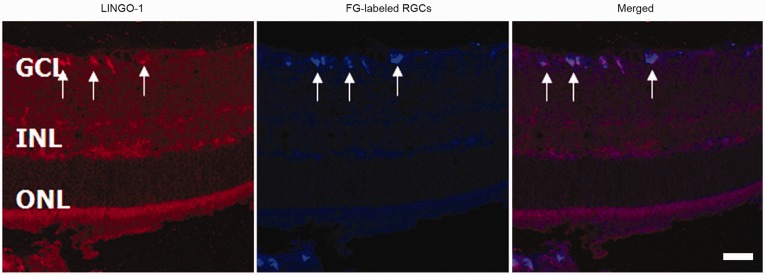
Two ongoing phase II clinical trials (RENEW and SYNERGY) have been developed to test the efficacy of anti-LINGO-1 antibodies in acute optic neuritis and relapsing forms of multiple sclerosis, respectively. Across a range of experimental models, LINGO-1 has been found to inhibit neuron and oligodendrocyte survival, axon regeneration, and (re)myelination. The therapeutic effects of anti-LINGO-1 antibodies on optic nerve axonal loss and regeneration have not yet been investigated.
In this series of studies we investigate if LINGO-1 antibodies can prevent acute inflammatory axonal loss, and promote axonal regeneration after injury in rodent optic nerves.
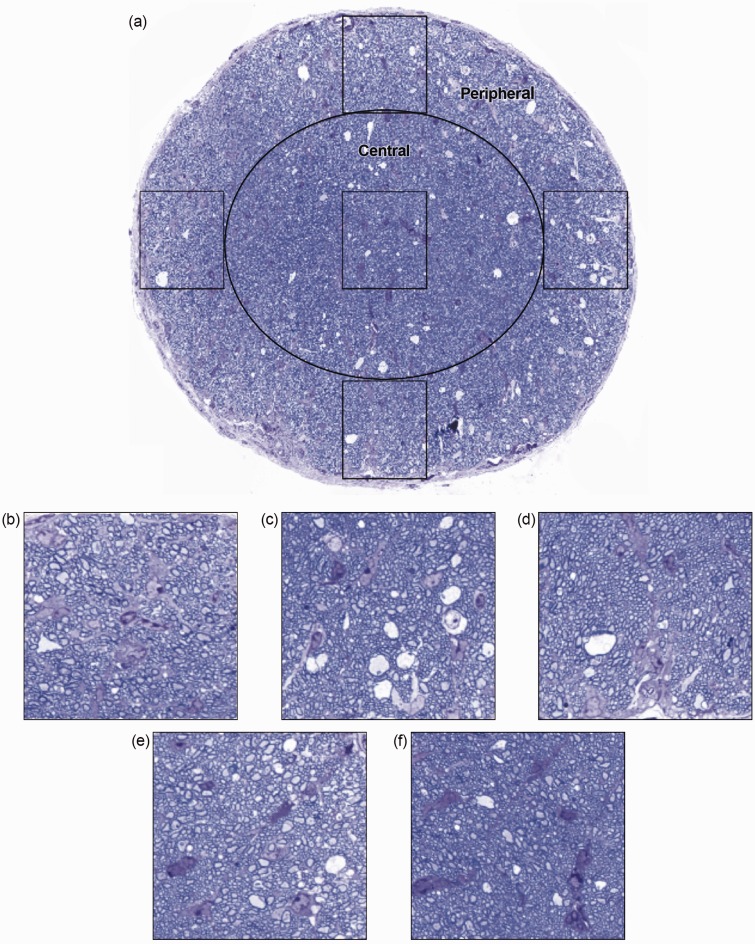
The effects of anti-LINGO-1 antibody on optic nerve axonal damage were assessed using rodent myelin oligodendrocyte glycoprotein experimental autoimmune encephalomyelitis (EAE), and its effects on axonal regeneration were assessed in optic nerve crush injury models.
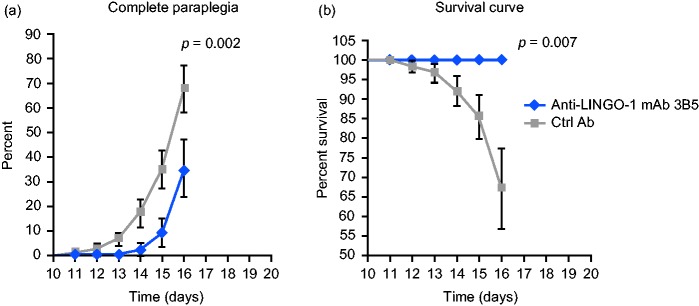
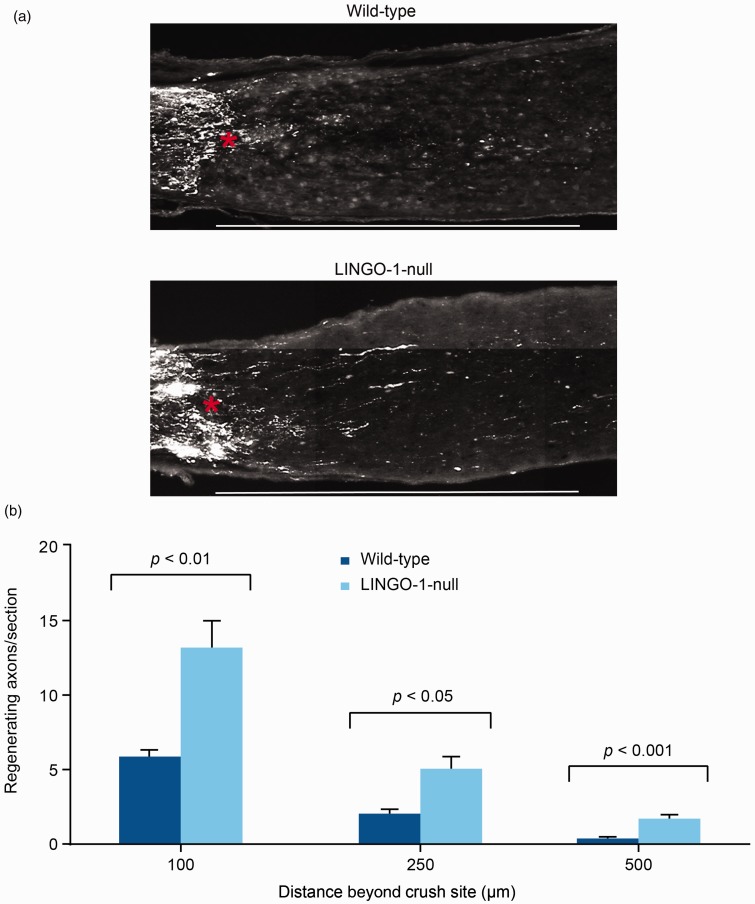
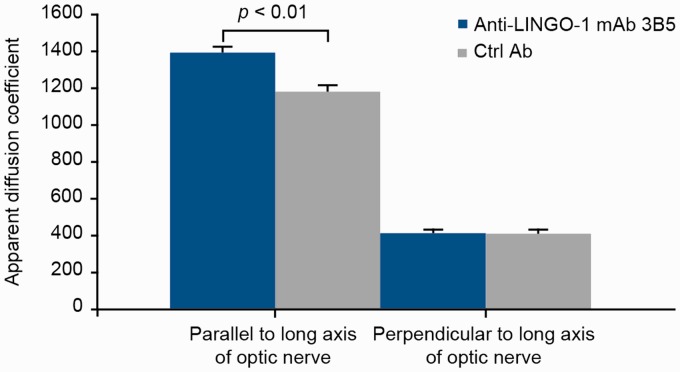
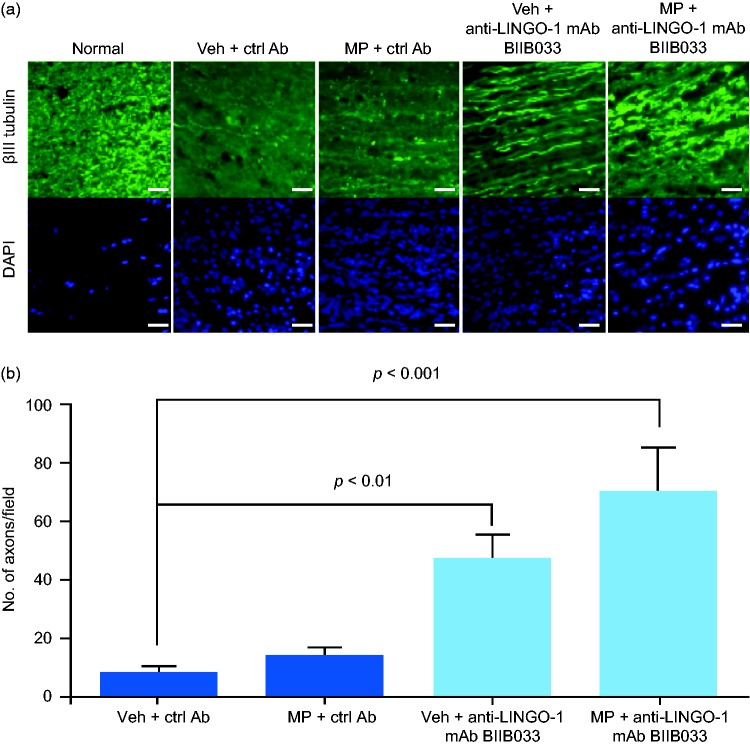
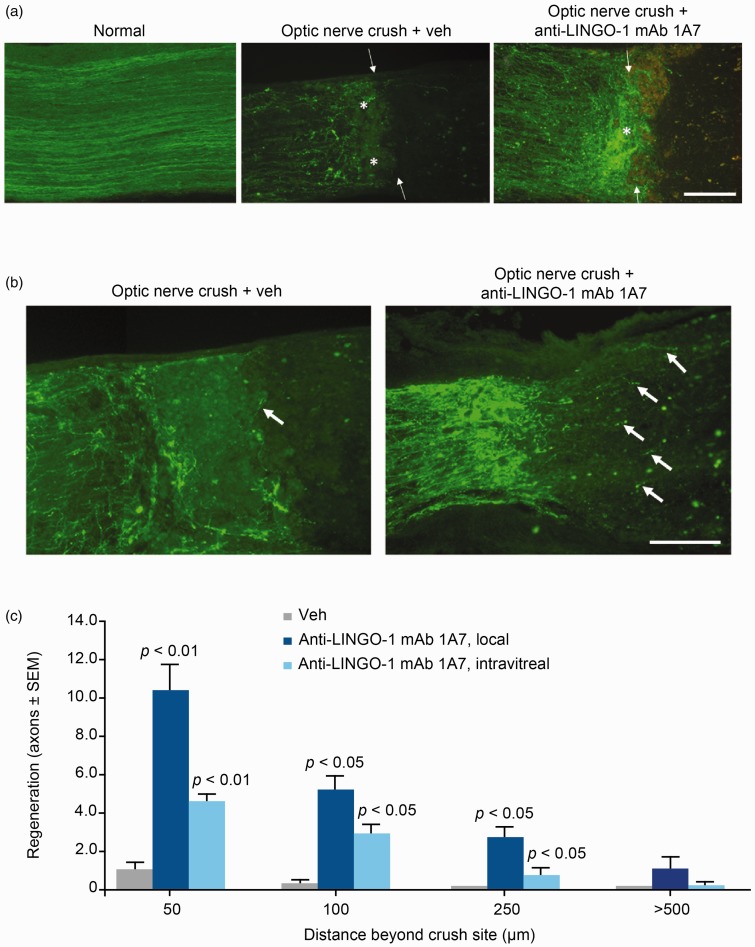
In the optic nerve, anti-LINGO-1 antibody therapy was associated with improved optic nerve parallel diffusivity measures on MRI in mice with EAE and reduced axonal loss in rat EAE. Both anti-LINGO-1 antibody therapy and the genetic deletion of LINGO-1 reduced nerve crush-induced axonal degeneration and enhanced axonal regeneration.
These data demonstrate that LINGO-1 blockade is associated with axonal protection and regeneration in the injured optic nerve.
目前正在开展两项II期临床试验(RENEW和SYNERGY),分别测试抗LINGO-1抗体在急性视神经炎和复发型多发性硬化症中的疗效。在一系列实验模型中,已发现LINGO-1可抑制神经元和少突胶质细胞的存活、轴突再生以及(再)髓鞘形成。抗LINGO-1抗体对视神经轴突损失和再生的治疗效果尚未得到研究。
在这一系列研究中,我们调查LINGO-1抗体是否能预防啮齿动物视神经急性炎症性轴突损失,并促进损伤后的轴突再生。
使用啮齿动物髓鞘少突胶质细胞糖蛋白实验性自身免疫性脑脊髓炎(EAE)评估抗LINGO-1抗体对视神经轴突损伤的影响,并在视神经挤压损伤模型中评估其对轴突再生的影响。
在视神经中,抗LINGO-1抗体治疗与EAE小鼠MRI上视神经平行扩散率测量值的改善以及大鼠EAE中轴突损失的减少相关。抗LINGO-1抗体治疗和LINGO-1基因缺失均减少了神经挤压诱导的轴突变性并增强了轴突再生。
这些数据表明,LINGO-1阻断与受损视神经中的轴突保护和再生相关。