Department of Medicine, The Melbourne Brain Centre at the Royal Melbourne Hospital, The University of Melbourne, Parkville, Victoria, Australia.
PLoS One. 2012;7(10):e47379. doi: 10.1371/journal.pone.0047379. Epub 2012 Oct 15.
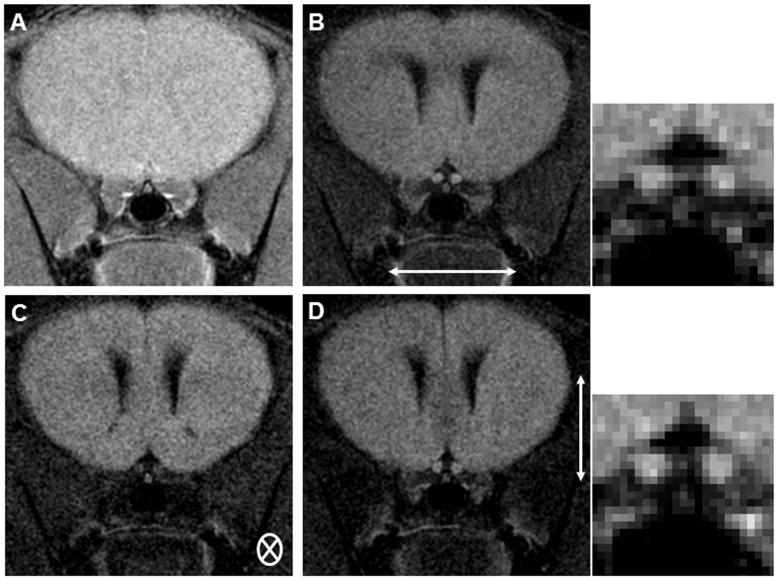
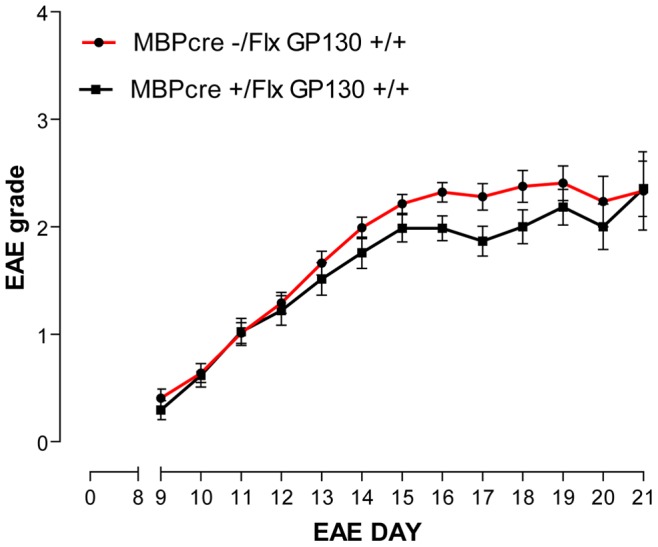
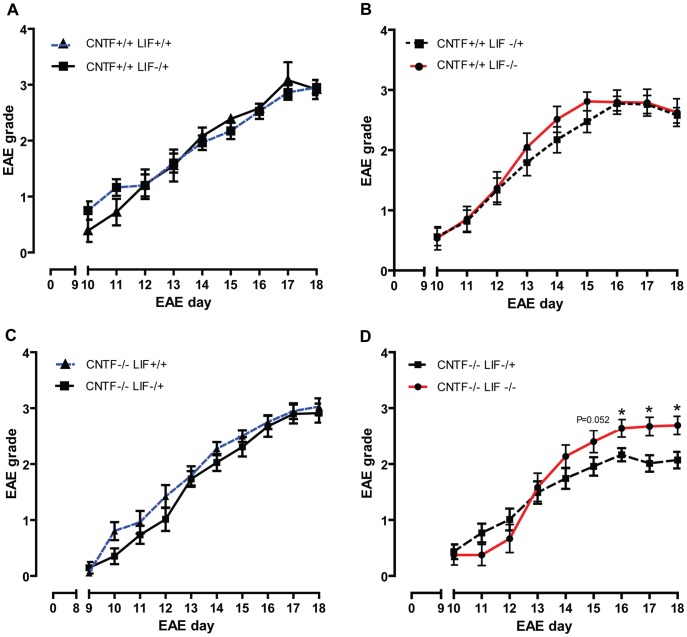
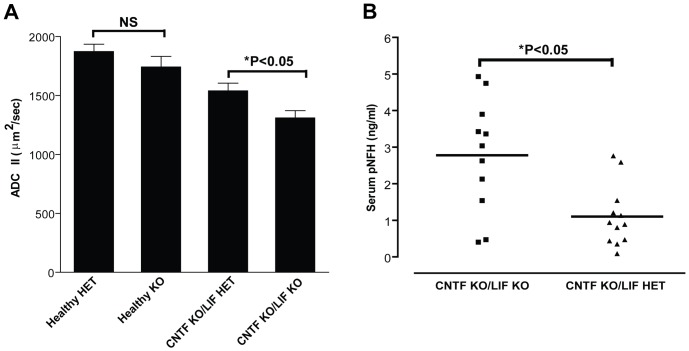
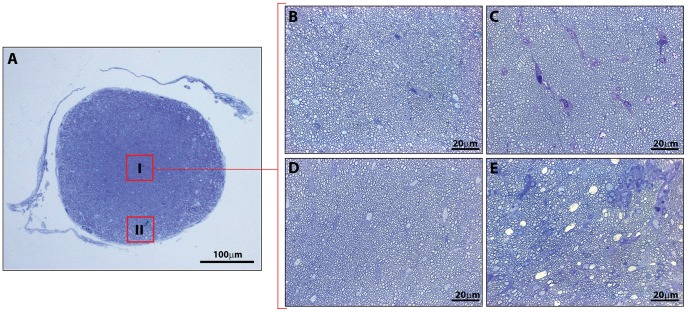
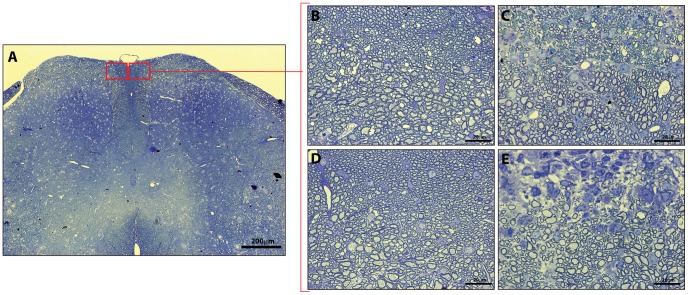
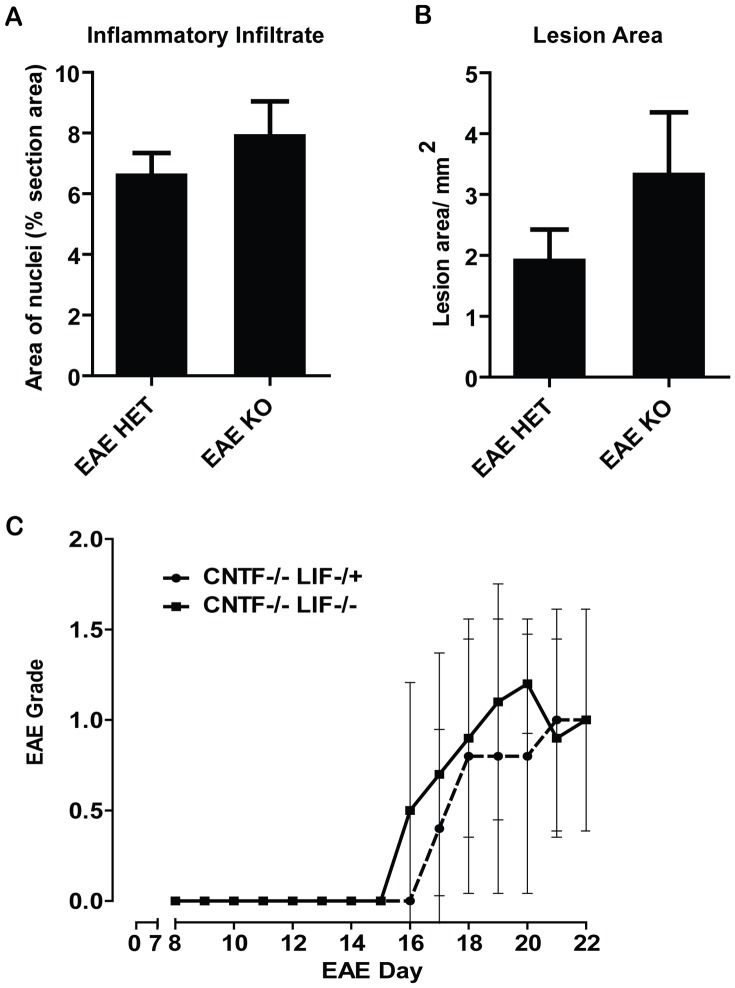
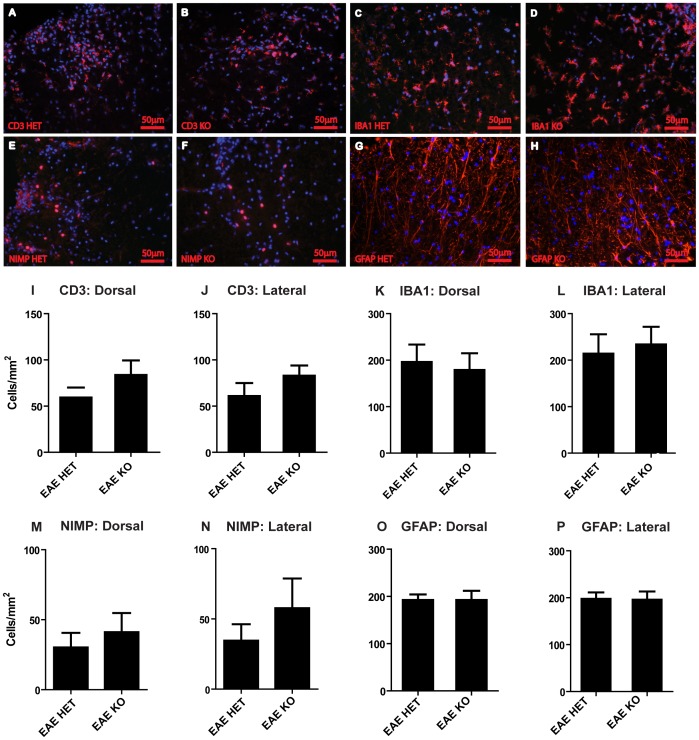
Leukemia inhibitory factor (LIF) and Ciliary Neurotrophic factor (CNTF) are members of the interleukin-6 family of cytokines, defined by use of the gp130 molecule as an obligate receptor. In the murine experimental autoimmune encephalomyelitis (EAE) model, antagonism of LIF and genetic deletion of CNTF worsen disease. The potential mechanism of action of these cytokines in EAE is complex, as gp130 is expressed by all neural cells, and could involve immuno-modulation, reduction of oligodendrocyte injury, neuronal protection, or a combination of these actions. In this study we aim to investigate whether the beneficial effects of CNTF/LIF signalling in EAE are associated with axonal protection; and whether this requires signalling through oligodendrocytes. We induced MOG₃₅₋₅₅ EAE in CNTF, LIF and double knockout mice. On a CNTF null background, LIF knockout was associated with increased EAE severity (EAE grade 2.1±0.14 vs 2.6±0.19; P<0.05). These mice also showed increased axonal damage relative to LIF heterozygous mice, as indicated by decreased optic nerve parallel diffusivity on MRI (1540±207 µm²-/s vs 1310±175 µm²-/s; P<0.05), and optic nerve (-12.5%) and spinal cord (-16%) axon densities; and increased serum neurofilament-H levels (2.5 fold increase). No differences in inflammatory cell numbers or peripheral auto-immune T-cell priming were evident. Oligodendrocyte-targeted gp130 knockout mice showed that disruption of CNTF/LIF signalling in these cells has no effect on acute EAE severity. These studies demonstrate that endogenous CNTF and LIF act centrally to protect axons from acute inflammatory destruction via an oligodendrocyte-independent mechanism.
白血病抑制因子 (LIF) 和睫状神经营养因子 (CNTF) 是白细胞介素-6 家族细胞因子的成员,其特征是使用 gp130 分子作为必需受体。在实验性自身免疫性脑脊髓炎 (EAE) 模型中,LIF 的拮抗作用和 CNTF 的基因缺失会加重疾病。这些细胞因子在 EAE 中的潜在作用机制很复杂,因为 gp130 表达于所有神经细胞,并且可能涉及免疫调节、减少少突胶质细胞损伤、神经元保护或这些作用的组合。在这项研究中,我们旨在研究 CNTF/LIF 信号在 EAE 中的有益作用是否与轴突保护有关;以及这是否需要通过少突胶质细胞传递信号。我们在 CNTF、LIF 和双敲除小鼠中诱导了 MOG₃₅₋₅₅ EAE。在 CNTF 缺失的背景下,LIF 缺失与 EAE 严重程度的增加有关(EAE 等级 2.1±0.14 与 2.6±0.19;P<0.05)。这些小鼠还显示出与 LIF 杂合子小鼠相比,视神经平行扩散率降低(1540±207 µm²-/s 与 1310±175 µm²-/s;P<0.05),视神经 (-12.5%) 和脊髓 (-16%) 轴突密度降低,以及血清神经丝-H 水平升高(增加 2.5 倍)。炎症细胞数量或外周自身免疫性 T 细胞启动没有明显差异。少突胶质细胞靶向 gp130 敲除小鼠表明,破坏这些细胞中的 CNTF/LIF 信号对急性 EAE 严重程度没有影响。这些研究表明,内源性 CNTF 和 LIF 通过一种少突胶质细胞独立的机制,从中枢保护轴突免受急性炎症破坏。