Zhu Hongfang, Li Xiaofeng, Zhai Wen, Liu Yang, Gao Qianqian, Liu Jinping, Ren Li, Chen Huoying, Zhu Yuying
School of Agriculture and Biology, Shanghai Jiaotong University, Shanghai, China.
Shanghai Key Lab of Protected Horticultural Technology, Horticultural Research Institute, Shanghai Academy of Agricultural Sciences, Shanghai, China.
PLoS One. 2017 Jun 13;12(6):e0179305. doi: 10.1371/journal.pone.0179305. eCollection 2017.
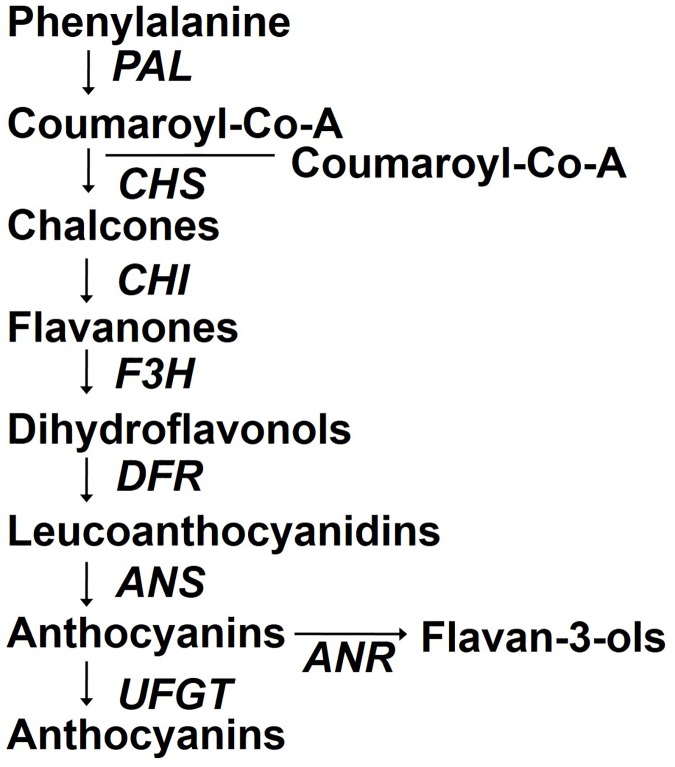
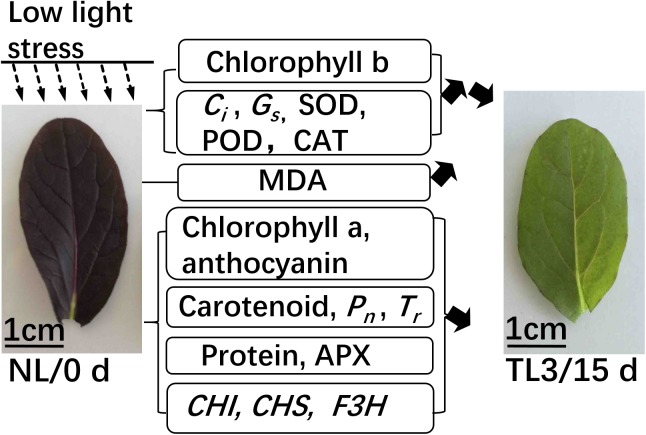
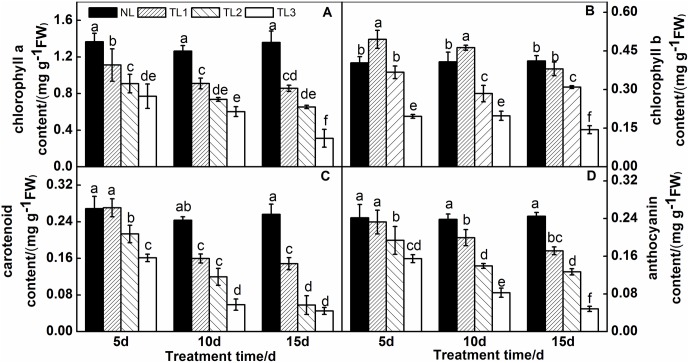
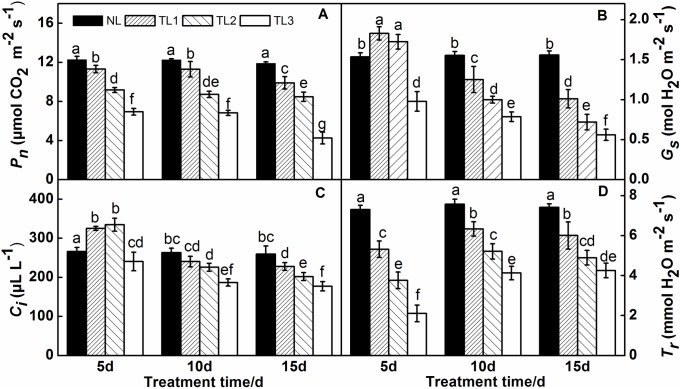
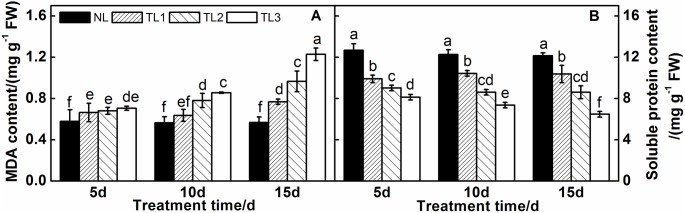
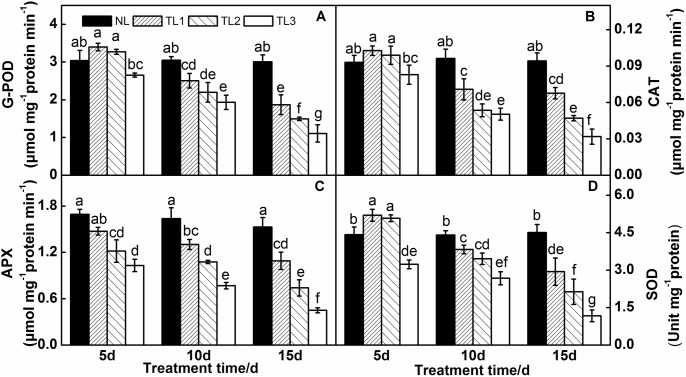
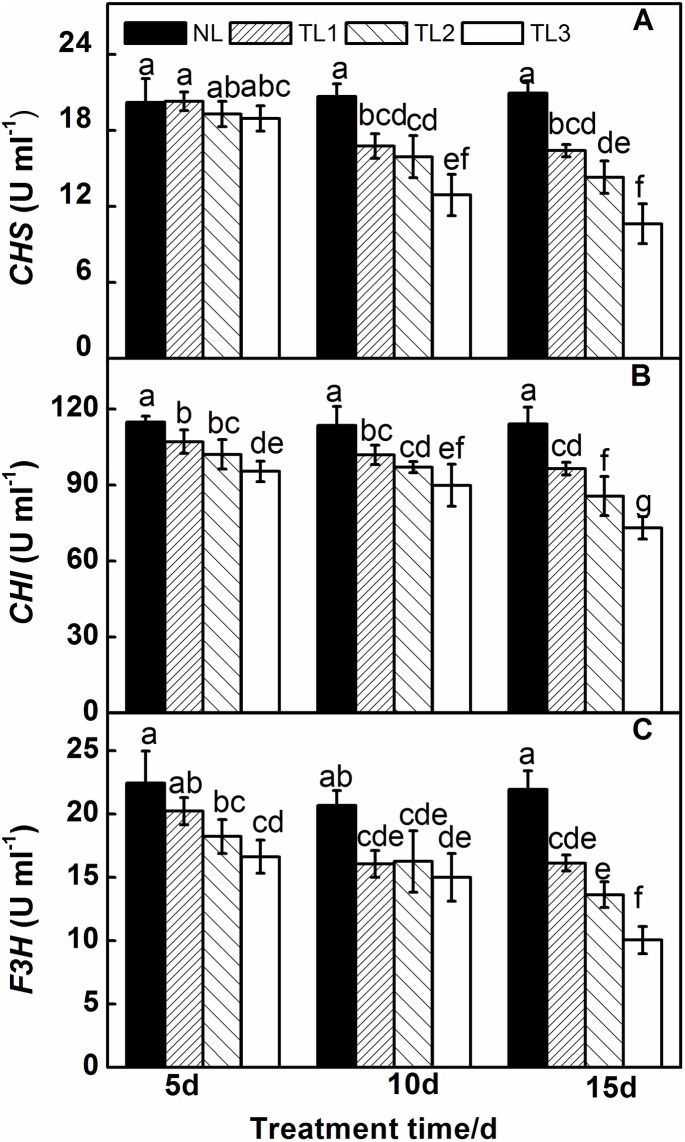
Anthocyanins are secondary metabolites that contribute to red, blue, and purple colors in plants and are affected by light, but the effects of low light on the physiological responses of purple pak-choi plant leaves are still unclear. In this study, purple pak-choi seedlings were exposed to low light by shading with white gauze and black shading in a phytotron. The responses in terms of photosynthetic properties, carbohydrate metabolism, antioxidant enzyme activity, anthocyanin biosynthetic enzyme activity, and the relative chlorophyll and anthocyanin content of leaves were measured. The results showed that chlorophyll b, intracellular CO2 content, stomatal conductance and antioxidant activities of guaiacol peroxidase, catalase and superoxide dismutase transiently increased in the shade treatments at 5 d. The malondialdehyde content also increased under low light stress, which damages plant cells. With the extension of shading time (at 15 d), the relative chlorophyll a, anthocyanin and soluble protein contents, net photosynthetic rate, transpiration rate, stomata conductance, antioxidant enzyme activities, and activities of four anthocyanin biosynthetic enzymes decreased significantly. Thus, at the early stage of low light treatment, the chlorophyll b content increased to improve photosynthesis. When the low light treatment was extended, antioxidant enzyme activity and the activity of anthocyanin biosynthesis enzymes were inhibited, causing the purple pak-choi seedlings to fade from purple to green. This study provides valuable information for further deciphering genetic mechanisms and improving agronomic traits in purple pak-choi under optimal light requirements.
花青素是植物中产生红色、蓝色和紫色的次生代谢产物,受光照影响,但弱光对紫小白菜叶片生理反应的影响仍不清楚。本研究在人工气候箱中,通过白色纱布遮光和黑色遮光使紫小白菜幼苗处于弱光环境。测定了叶片的光合特性、碳水化合物代谢、抗氧化酶活性、花青素生物合成酶活性以及相对叶绿素和花青素含量。结果表明,在遮光处理5天时,叶绿素b、细胞内二氧化碳含量、气孔导度以及愈创木酚过氧化物酶、过氧化氢酶和超氧化物歧化酶的抗氧化活性短暂增加。在弱光胁迫下丙二醛含量也增加,这会损害植物细胞。随着遮光时间延长(15天时),相对叶绿素a、花青素和可溶性蛋白含量、净光合速率、蒸腾速率、气孔导度、抗氧化酶活性以及四种花青素生物合成酶的活性显著下降。因此,在弱光处理初期,叶绿素b含量增加以促进光合作用。当弱光处理时间延长时,抗氧化酶活性和花青素生物合成酶活性受到抑制,导致紫小白菜幼苗从紫色褪为绿色。本研究为进一步解析紫小白菜在适宜光照需求下的遗传机制和改善农艺性状提供了有价值的信息。