Pompeu Fabra University, Laboratory of Synthetic Perceptive, Emotive and Cognitive Systems, Center of Autonomous Systems and Neurorobotics (SPECS), Barcelona, 08-018, Spain.
University of West Bohemia, New Technologies Research Center, Pilsen, 306-14, Czech Republic.
Sci Rep. 2017 Jun 13;7(1):3333. doi: 10.1038/s41598-017-03488-0.
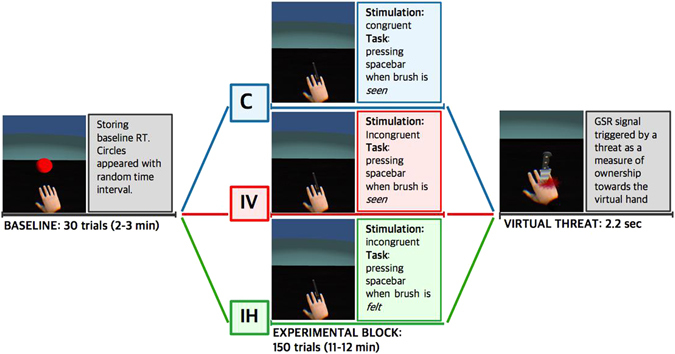
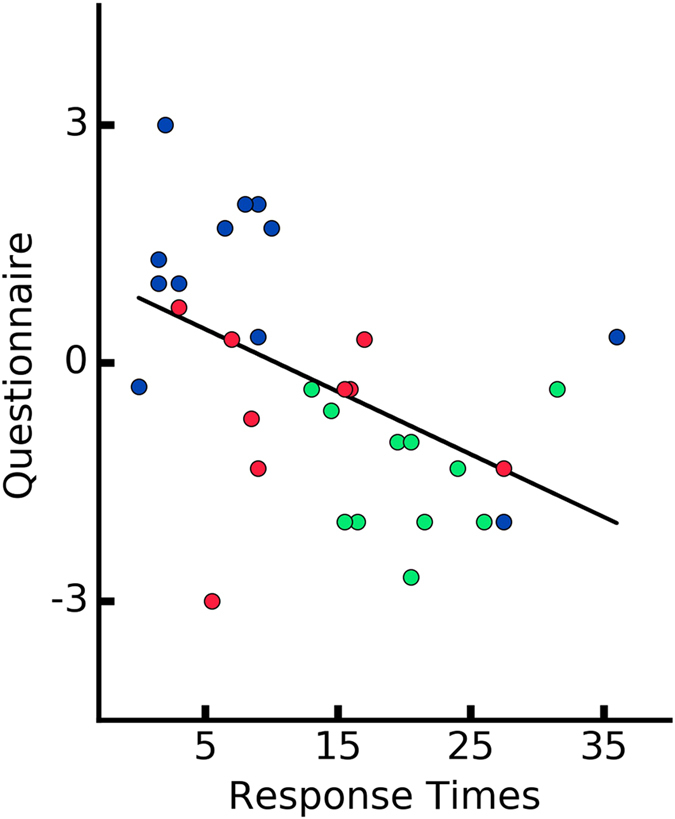
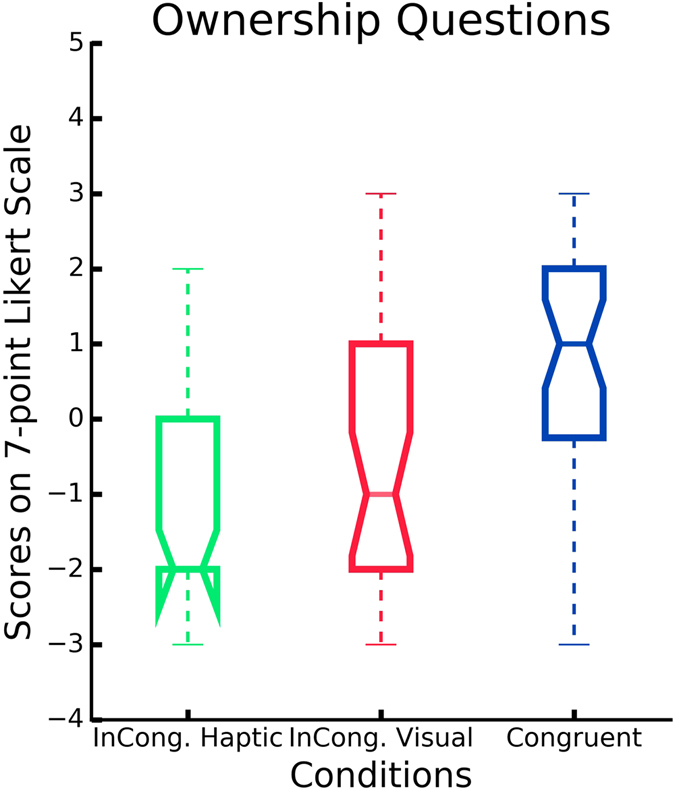
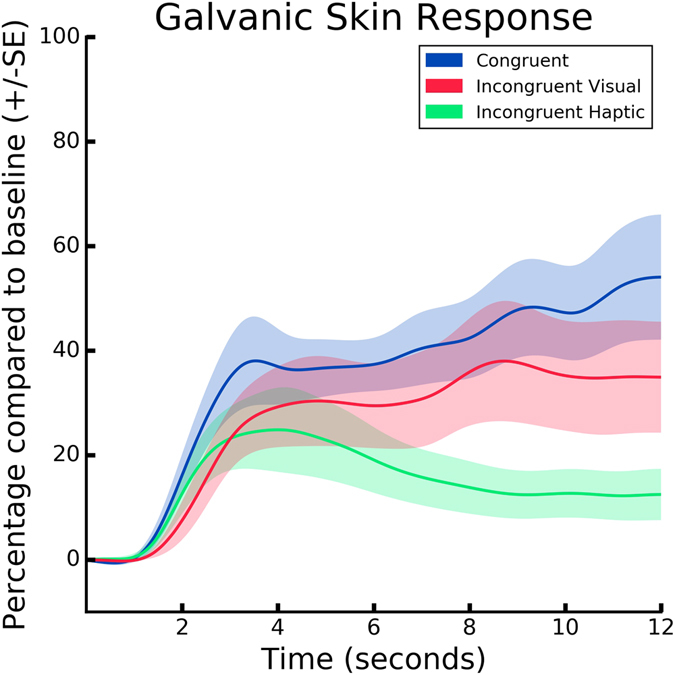
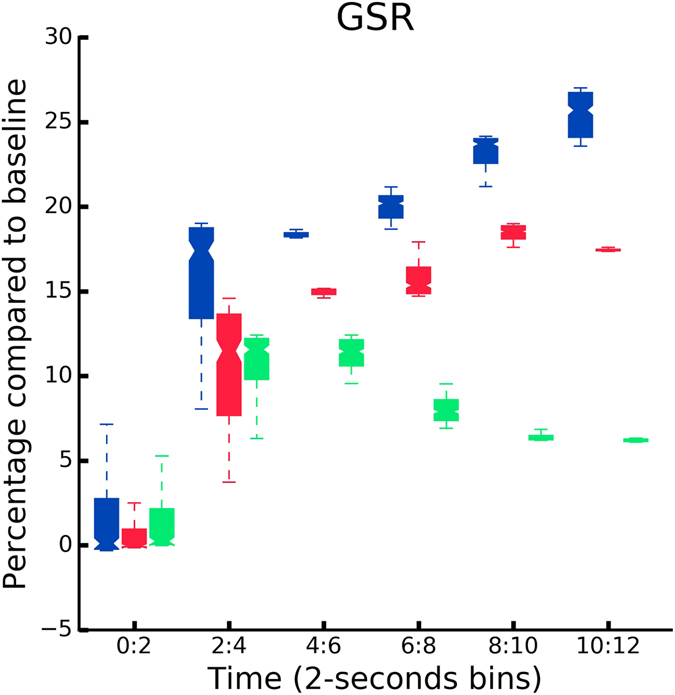
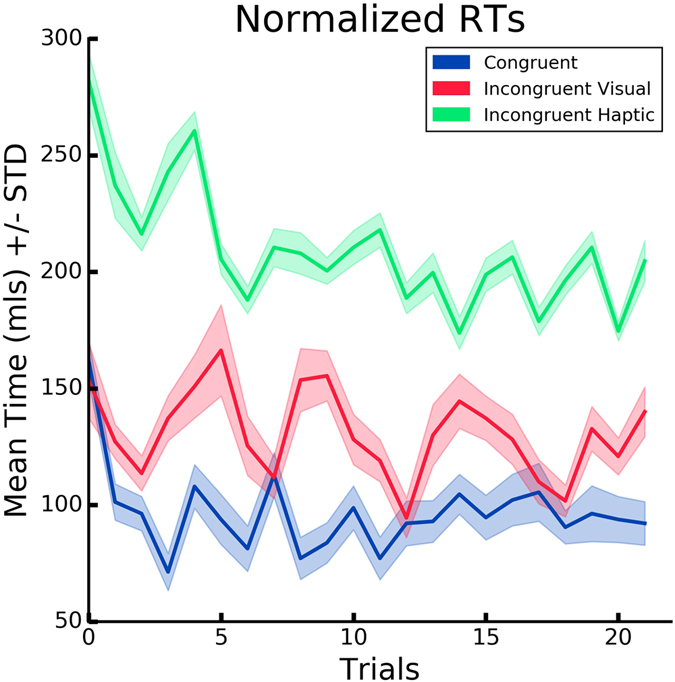
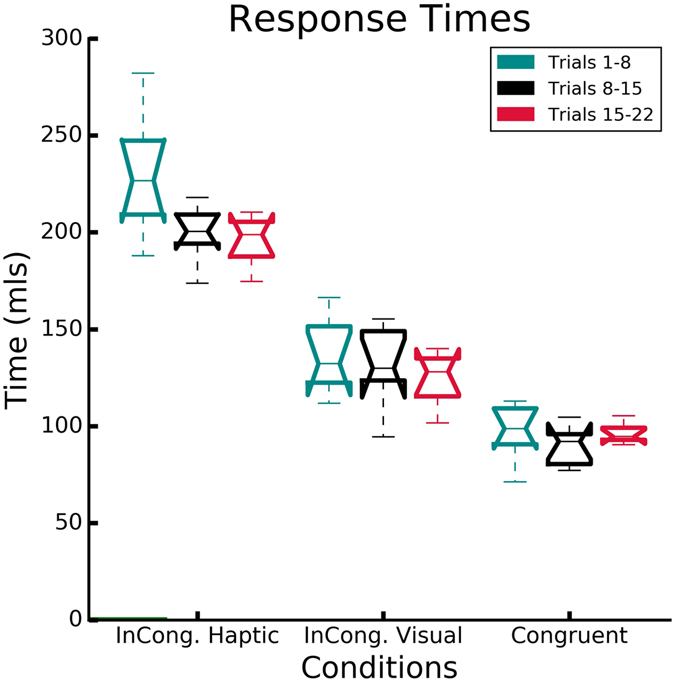
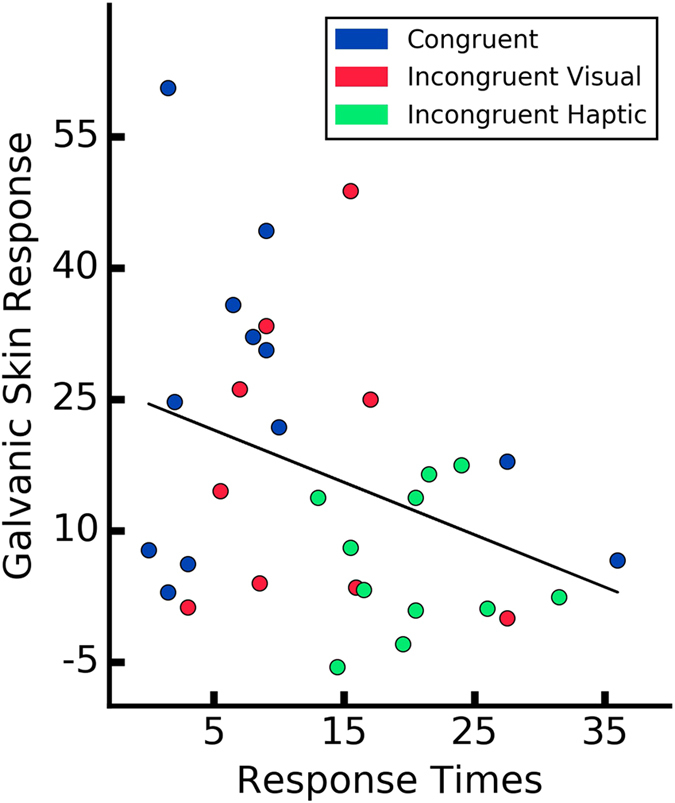
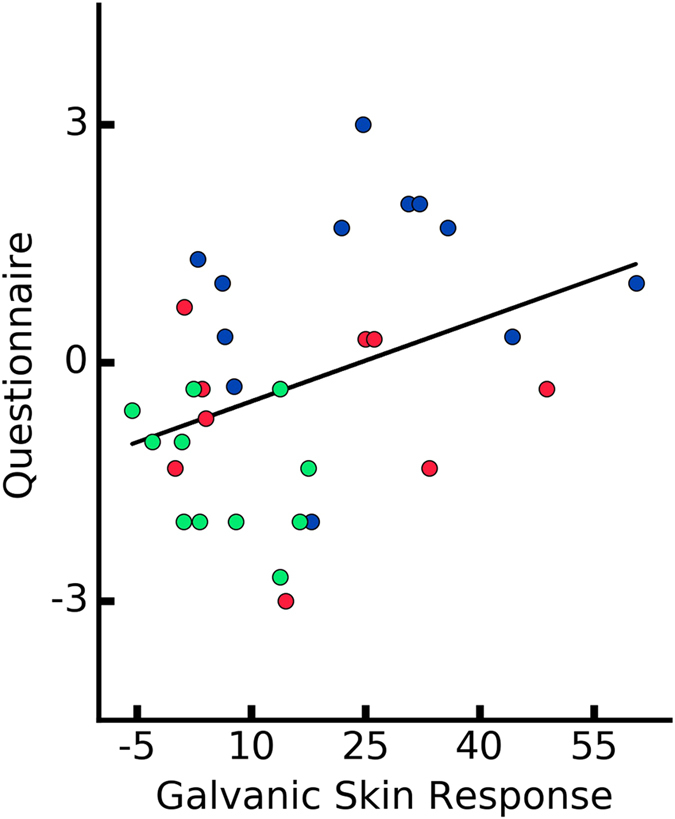
Body ownership is critically dependent on multimodal integration as for instance revealed in the Rubber Hand Illusion (RHI) and a number of studies which have addressed the neural correlates of the processes underlying this phenomenon. Both experimental and clinical research have shown that the structures underlying body ownership seem to significantly overlap with those of motor control including the parietal and ventral premotor cortices, Temporal Parietal Junction (TPJ) and the insula. This raises the question of whether this structural overlap between body ownership and motor control structures is of any functional significance. Here, we investigate the specific question of whether experimentally induced ownership over a virtual limb can modulate the performance of that limb in a simple sensorimotor task. Using a Virtual reality (VR) environment we modulate body ownership in three experimental conditions with respect to the (in)congruence of stimulus configurations. Our results show that the degree of ownership directly modulates motor performance. This implies that body ownership is not exclusively a perceptual and/or subjective multimodal state but that it is tightly coupled to systems for decision-making and motor control.
身体所有权严重依赖于多模态整合,例如在橡胶手错觉(RHI)和许多研究中揭示的那样,这些研究探讨了构成这种现象的过程的神经相关性。实验和临床研究都表明,身体所有权的基础结构似乎与运动控制的结构(包括顶叶和腹侧运动前皮质、颞顶联合(TPJ)和岛叶)显著重叠。这就提出了一个问题,即身体所有权和运动控制结构之间的这种结构重叠是否具有任何功能意义。在这里,我们研究了一个具体的问题,即实验诱导的对虚拟肢体的所有权是否可以调节该肢体在简单的感觉运动任务中的表现。使用虚拟现实(VR)环境,我们在三个实验条件下根据刺激配置的(不)一致性来调节身体所有权。我们的结果表明,所有权的程度直接调节运动表现。这意味着身体所有权不仅仅是一种知觉和/或主观的多模态状态,而是与决策和运动控制系统紧密耦合。