Poyya Jagadeesha, Joshi Chandrashekhar G, Kumar D Jagadeesha, Nagendra H G
Department of Biochemistry, Mangalore University, Post Graduate Centre, Chikka Aluvara, Kodagu, Karnataka, India.
Department of Biotechnology, Sir M. Visvesvaraya Institute of Technology, Bangalore, India.
Cancer Inform. 2017 May 31;16:1176935117712242. doi: 10.1177/1176935117712242. eCollection 2017.
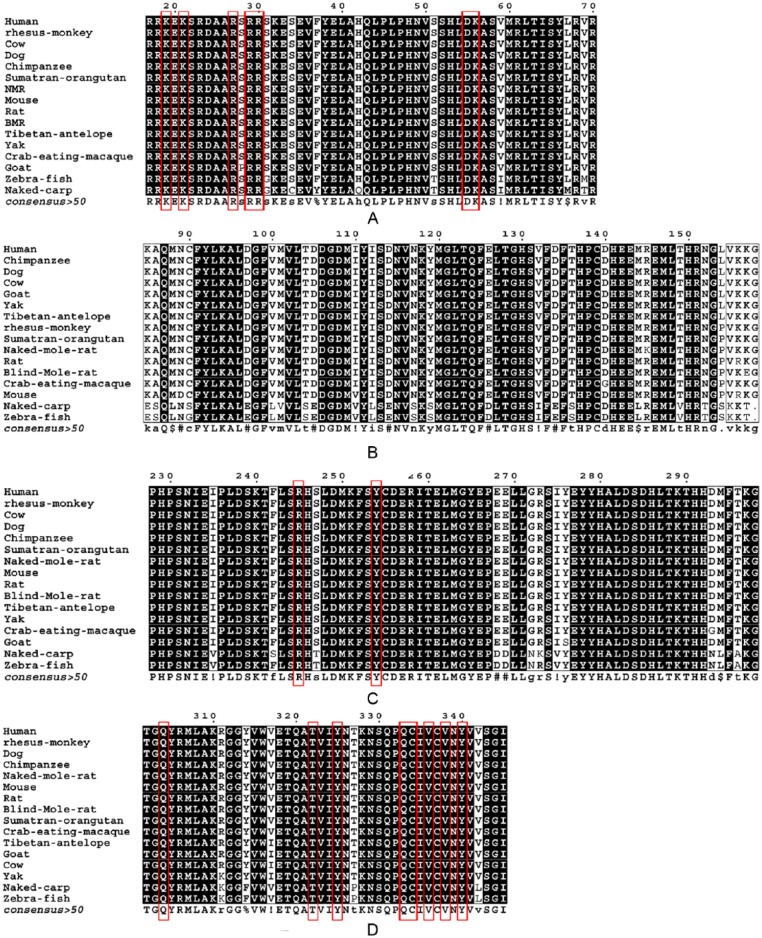
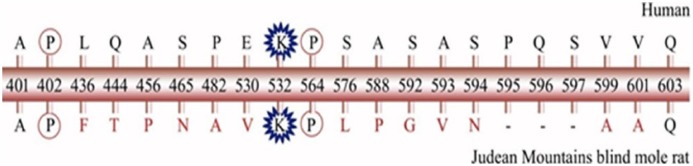
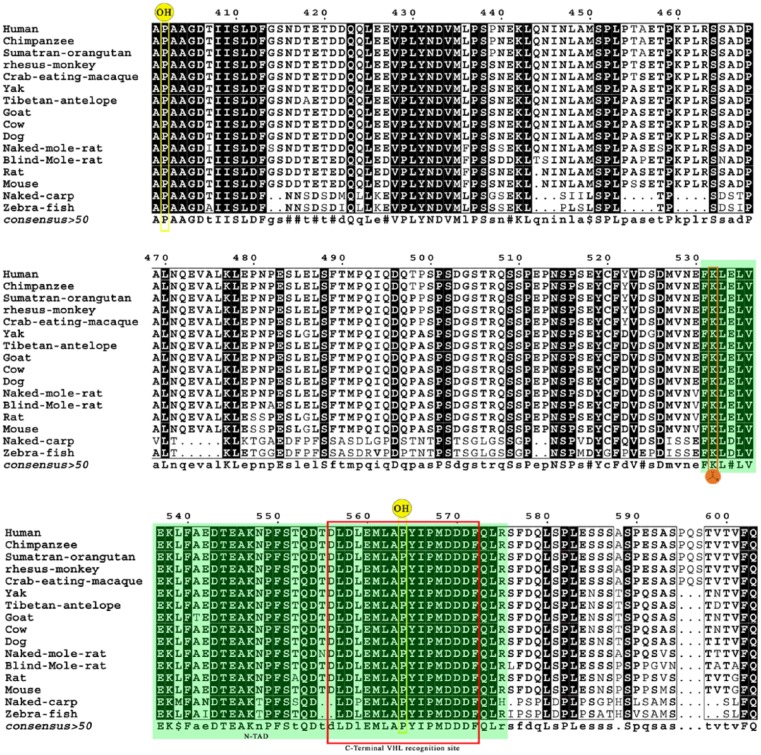
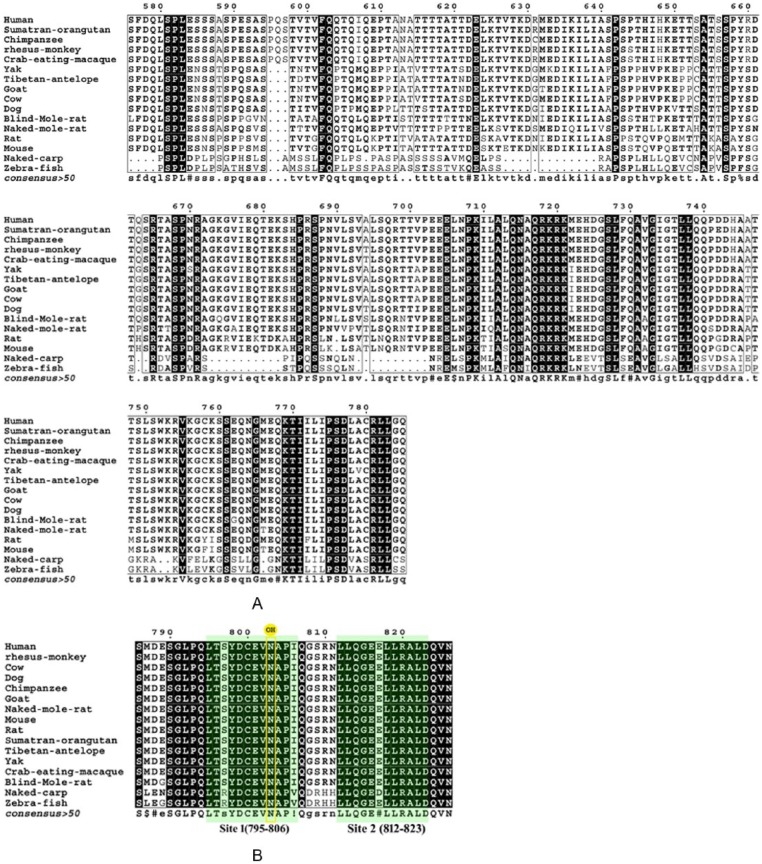
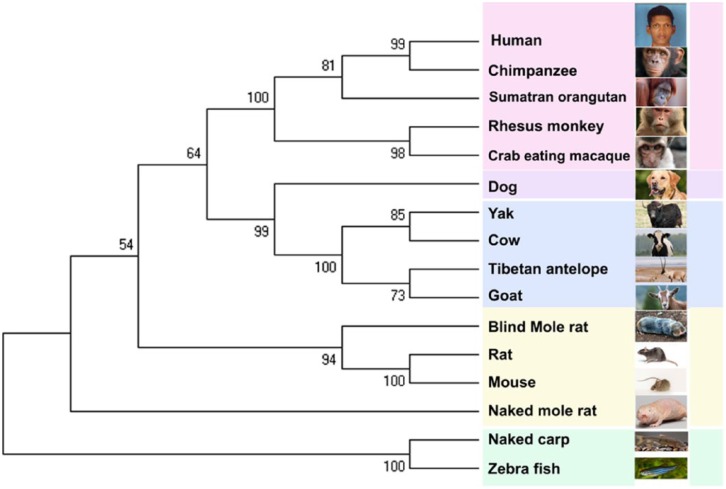
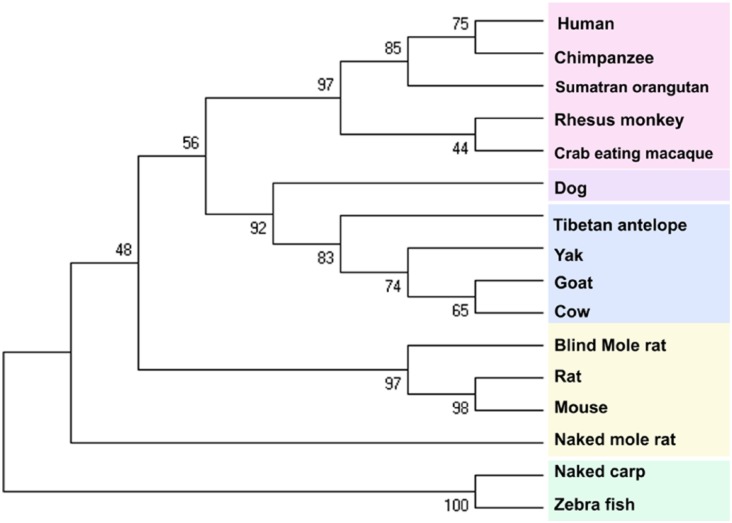
Hypoxia-inducible factors (HIF) belong to the basic helix loop helix-PER ARNT SIM (bHLH-PAS) family of transcription factors that induce metabolic reprogramming under hypoxic condition. The phylogenetic studies of hypoxia-inducible factor-1α (HIF-1α) sequences across different organisms/species may leave a clue on the evolutionary relationships and its probable correlation to tumorigenesis and adaptation to low oxygen environments. In this study, we have aimed at the evolutionary investigation of the protein HIF-1α across different species to decipher their sequence variations/mutations and look into the probable causes and abnormal behaviour of this molecule under exotic conditions. In total, 16 homologous sequences for HIF-1α were retrieved from the National Center for Biotechnology Information. Sequence identity was performed using the Needle program. Multiple aligned sequences were used to construct the phylogeny using the neighbour-joining method. Most of the changes were observed in oxygen-dependent degradation domain and inhibitory domain. Sixteen sequences were clustered into 5 groups. The phylogenetic analysis clearly highlighted the variations that were observed at the sequence level. Comparisons of the HIF-1α sequence among cancer-prone and cancer-resistant animals enable us to find out the probable clues towards potential risk factors in the development of cancer.
缺氧诱导因子(HIF)属于转录因子的碱性螺旋-环-螺旋-PER ARNT SIM(bHLH-PAS)家族,可在缺氧条件下诱导代谢重编程。对不同生物/物种的缺氧诱导因子-1α(HIF-1α)序列进行系统发育研究,可能会揭示其进化关系以及与肿瘤发生和对低氧环境适应性的潜在关联。在本研究中,我们旨在对不同物种的蛋白质HIF-1α进行进化研究,以解读其序列变异/突变,并探究该分子在异常条件下可能的成因和异常行为。总共从美国国立生物技术信息中心检索到16条HIF-1α的同源序列。使用Needle程序进行序列同一性分析。使用邻接法,将多序列比对结果用于构建系统发育树。大多数变化出现在氧依赖降解结构域和抑制结构域。16条序列聚为5组。系统发育分析清楚地突出了在序列水平上观察到的变异。对易患癌症和抗癌症动物的HIF-1α序列进行比较,使我们能够找出癌症发展中潜在风险因素的可能线索。