Suga Takuya, Saitou Takanobu, Takaya Jun, Iwasawa Nobuharu
Department of Chemistry , Tokyo Institute of Technology , O-okayama, Meguro-ku , Tokyo 152-8551 , Japan . Email:
Chem Sci. 2017 Feb 1;8(2):1454-1462. doi: 10.1039/c6sc03838g. Epub 2016 Nov 1.
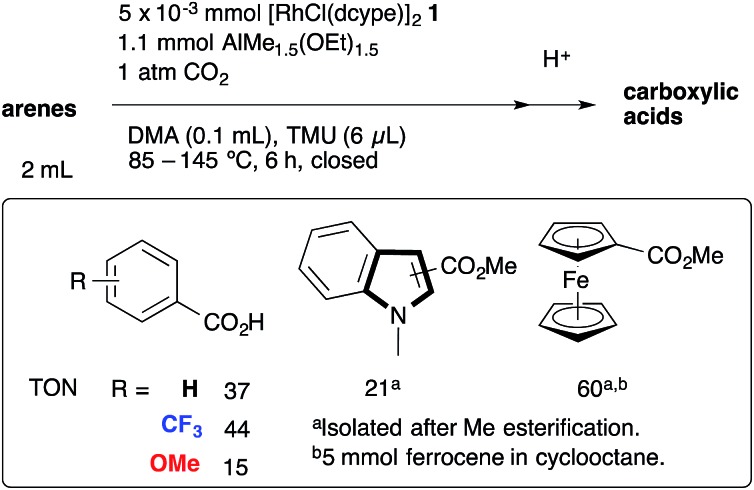
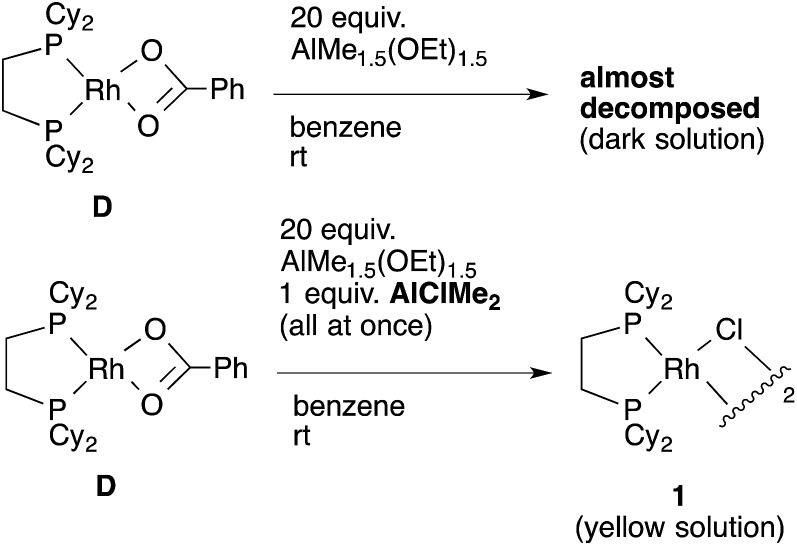
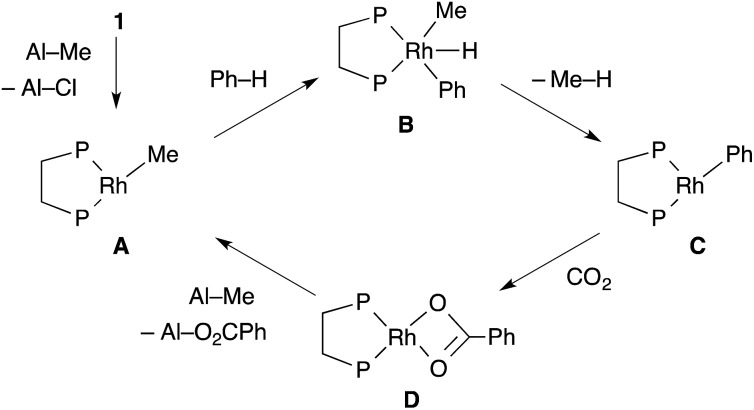
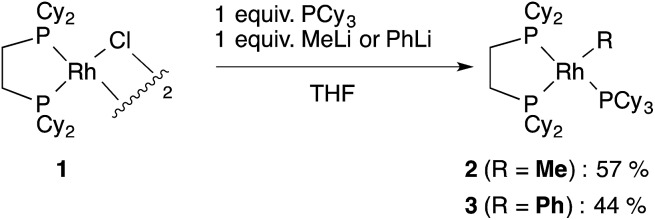
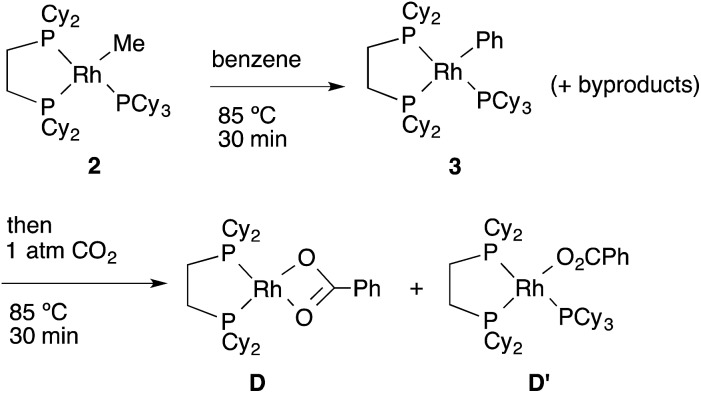
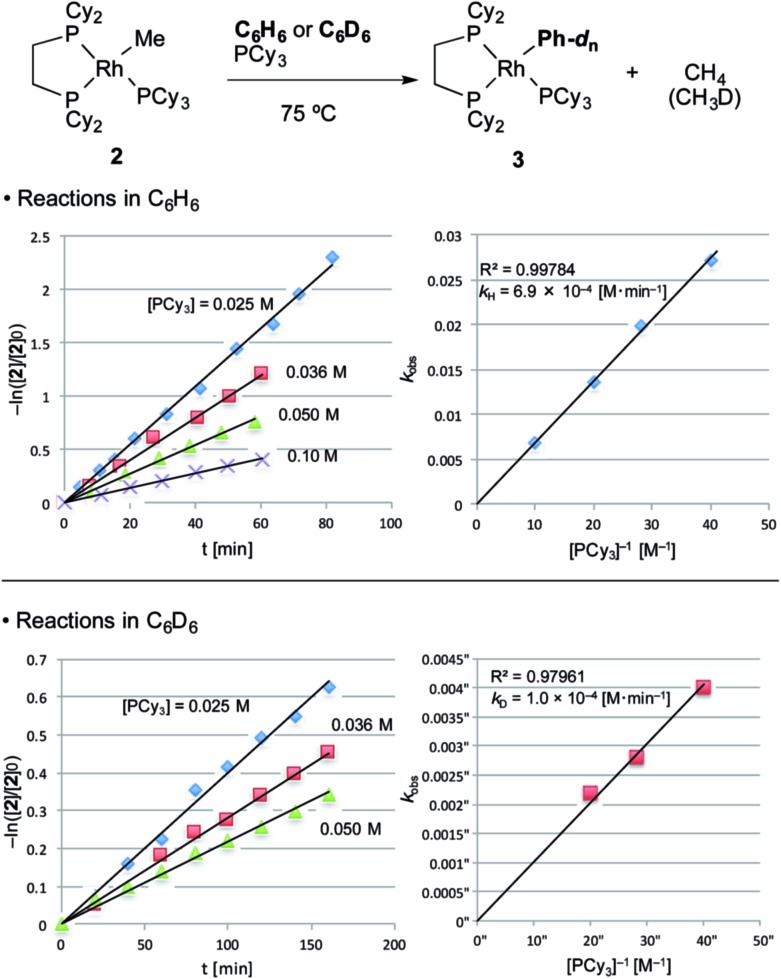
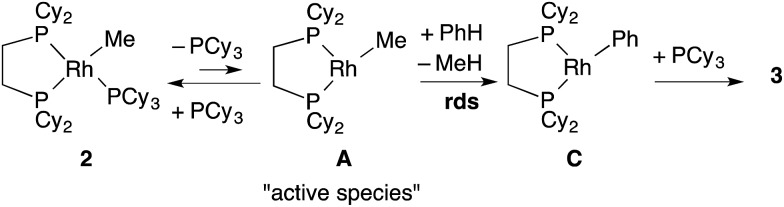
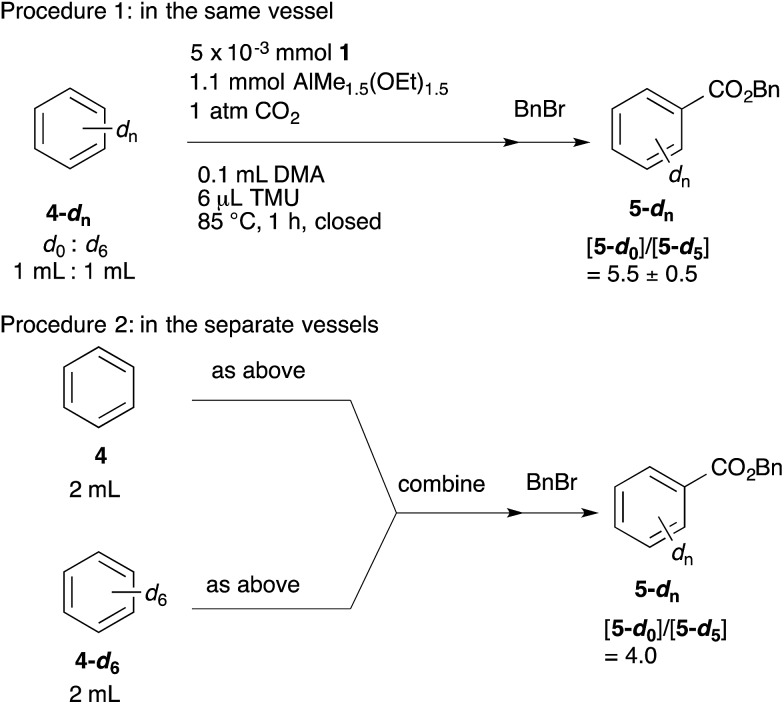
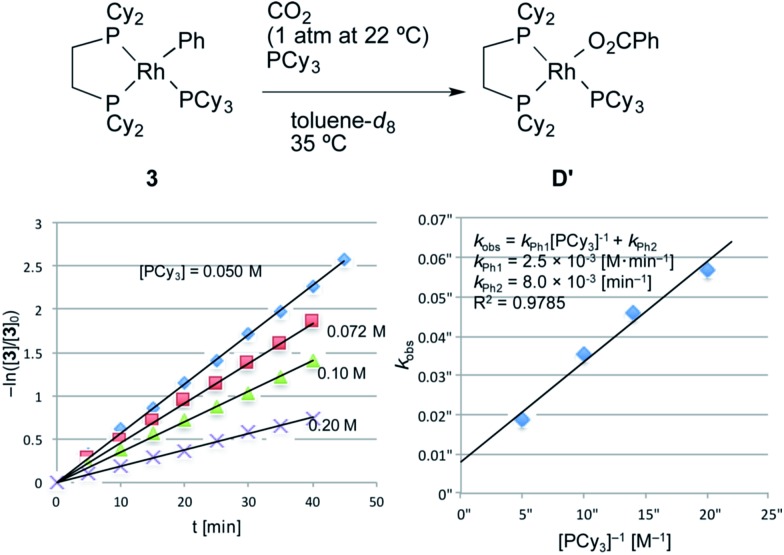
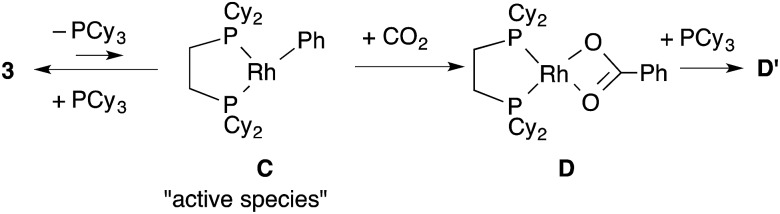
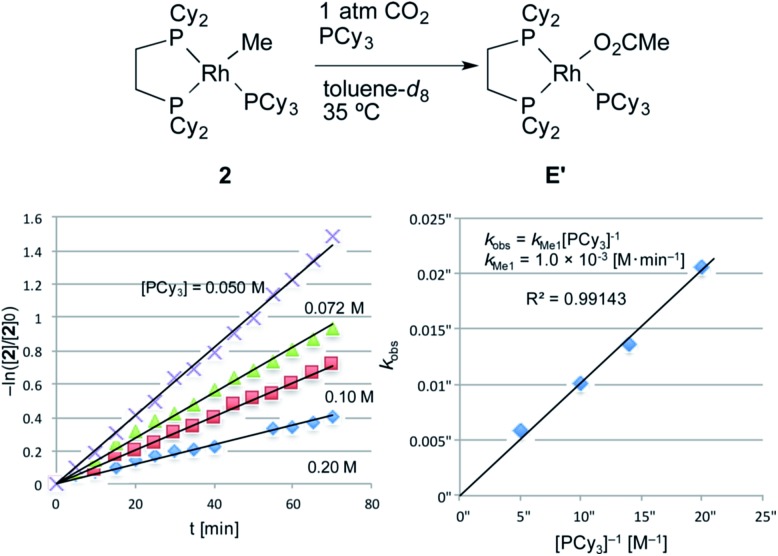
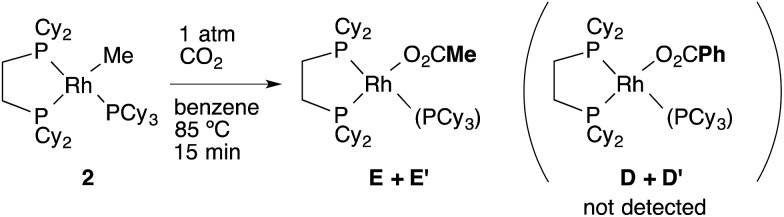
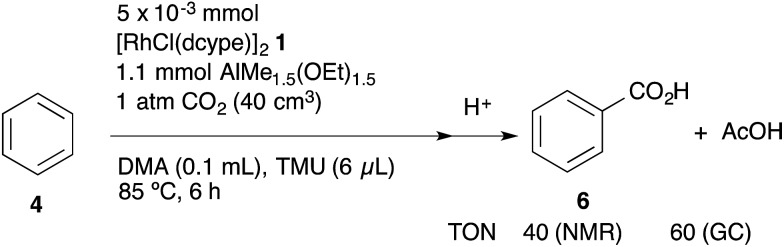
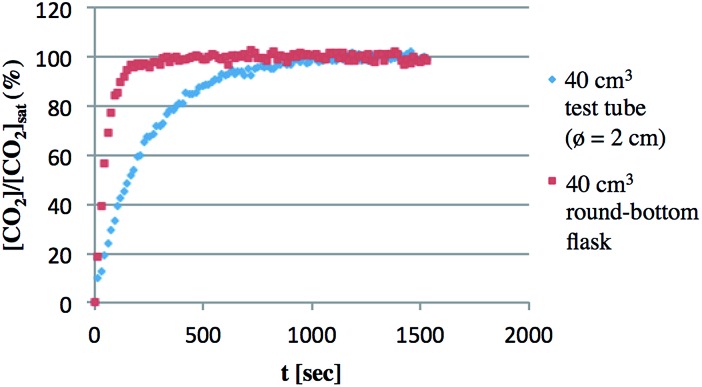
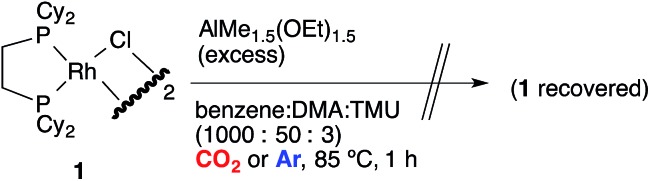
A detailed mechanism of the Rh(i)-catalyzed carboxylation of simple aromatic compounds C-H bond activation was investigated. Kinetic studies with model compounds of the postulated key intermediates revealed that 14-electron complexes, RhMe(dcype) and RhPh(dcype), participated in the C-H bond activation step and the carboxylation step, respectively. Interestingly, the undesired carboxylation of RhMe(dcype) to give acetic acid was found to be much faster than the desired C-H bond activation reaction under stoichiometric conditions, however, the C-H bond activation reaction could occur under catalytic conditions. Careful controlled experiments revealed that C-H bond activation using RhMe(dcype) became competitive with its direct carboxylation under the condition that the concentration of CO in the liquid phase was rather low. This factor could be controlled to some extent by mechanical factors such as the stirring rate and the shape of the reaction vessel. The resting state of the rhodium species under catalytic conditions was found to be [RhCl(dcype)], and the proposed intermediates such as RhMe(dcype) and Rh(OBz)(dcype) were readily converted to the most stable state, [RhCl(dcype)], transmetallation with [Al]-Cl species, thus preventing the decomposition of the active catalytic species.
研究了铑(I)催化的简单芳香族化合物碳氢键活化羧基化反应的详细机理。对假定关键中间体的模型化合物进行动力学研究表明,14电子配合物RhMe(dcype)和RhPh(dcype)分别参与了碳氢键活化步骤和羧基化步骤。有趣的是,在化学计量条件下,发现RhMe(dcype)发生不需要的羧基化生成乙酸的速度比所需的碳氢键活化反应快得多,然而,碳氢键活化反应可以在催化条件下发生。仔细的对照实验表明,在液相中CO浓度相当低的条件下,使用RhMe(dcype)进行的碳氢键活化与其直接羧基化具有竞争性。这个因素可以通过一些机械因素在一定程度上进行控制,如搅拌速度和反应容器的形状。发现催化条件下铑物种的静止状态为[RhCl(dcype)],并且所提出的中间体如RhMe(dcype)和Rh(OBz)(dcype)很容易通过与[Al]-Cl物种进行金属转移转化为最稳定的状态[RhCl(dcype)],从而防止活性催化物种的分解。