Samanta Debangshu, Semenza Gregg L
McKusick-Nathans Institute of Genetic Medicine, Johns Hopkins University School of Medicine, Baltimore, MD 21205 USA; Johns Hopkins Institute for Cell Engineering, Johns Hopkins University School of Medicine, Baltimore, MD 21205 USA.
McKusick-Nathans Institute of Genetic Medicine, Johns Hopkins University School of Medicine, Baltimore, MD 21205 USA; Johns Hopkins Institute for Cell Engineering, Johns Hopkins University School of Medicine, Baltimore, MD 21205 USA; Departments of Pediatrics, Medicine, Oncology, Radiation Oncology, and Biological Chemistry, Johns Hopkins University School of Medicine, Baltimore, MD 21205 USA.
Redox Biol. 2017 Oct;13:331-335. doi: 10.1016/j.redox.2017.05.022. Epub 2017 May 31.
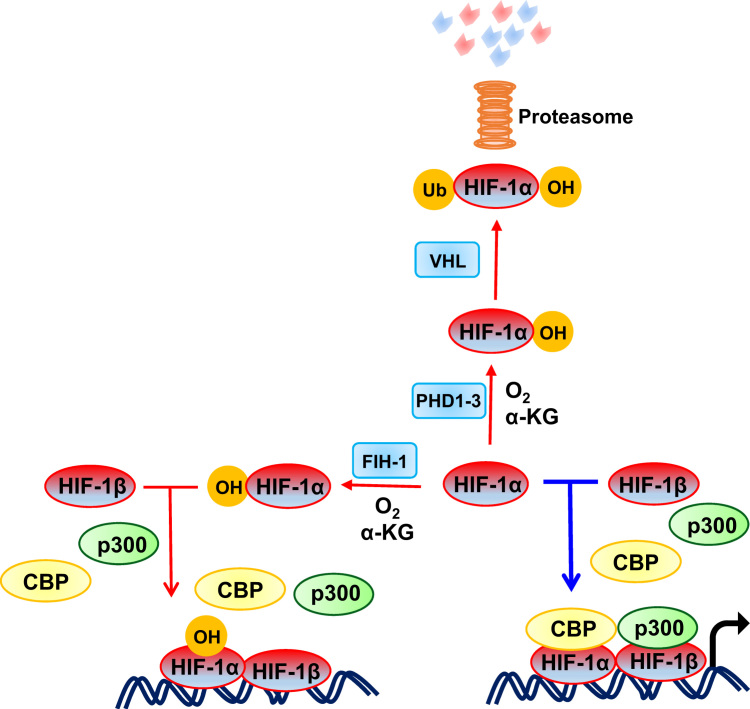
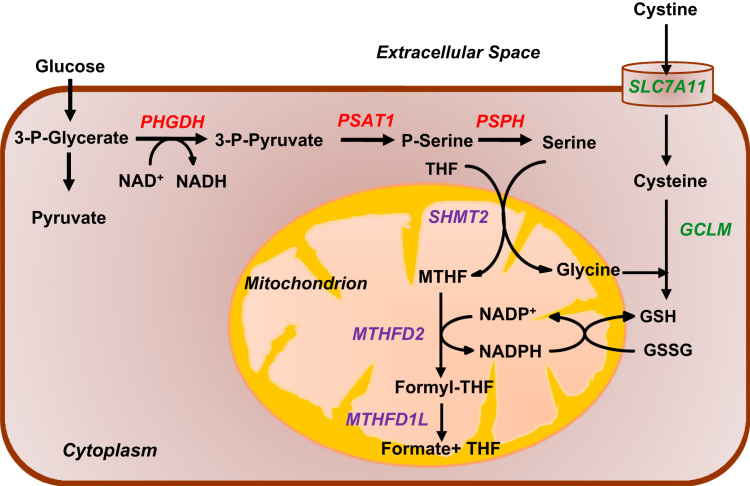
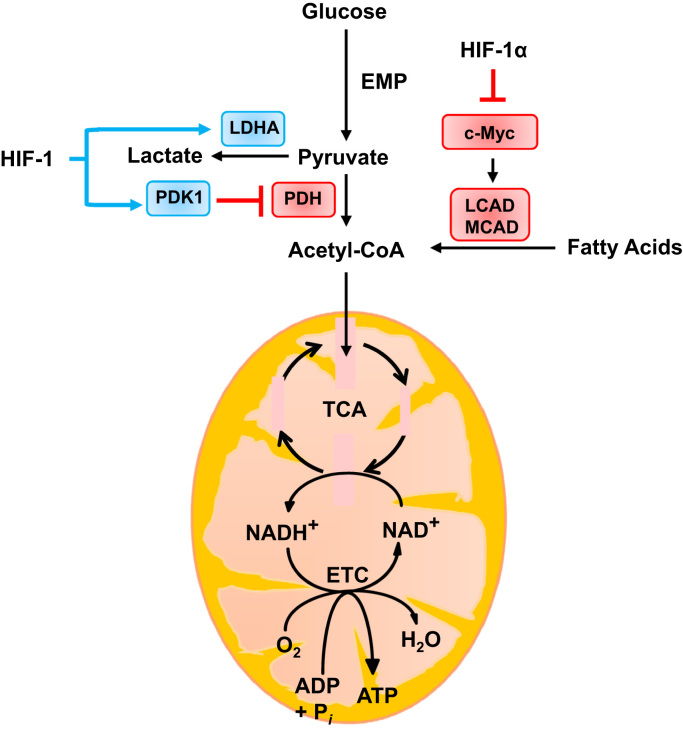
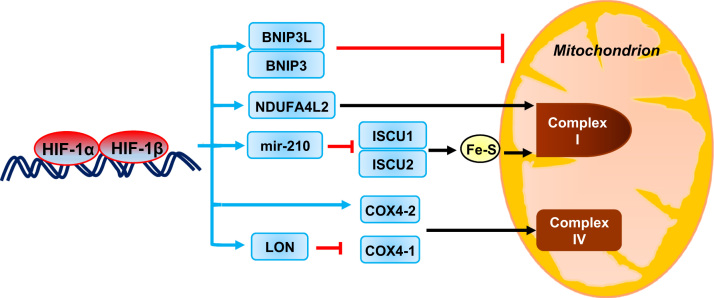
Oxidative phosphorylation enables cells to generate the large amounts of ATP required for development and maintenance of multicellular organisms. However, under conditions of reduced O availability, electron transport becomes less efficient, leading to increased generation of superoxide anions. Hypoxia-inducible factors switch cells from oxidative to glycolytic metabolism, to reduce mitochondrial superoxide generation, and increase the synthesis of NADPH and glutathione, in order to maintain redox homeostasis under hypoxic conditions.
氧化磷酸化使细胞能够产生多细胞生物发育和维持所需的大量ATP。然而,在氧气供应减少的情况下,电子传递效率降低,导致超氧阴离子生成增加。缺氧诱导因子将细胞代谢从氧化代谢转换为糖酵解代谢,以减少线粒体超氧生成,并增加NADPH和谷胱甘肽的合成,从而在缺氧条件下维持氧化还原稳态。