Kong J, Sertel O, Shimada H, Boyer K L, Saltz J H, Gurcan M N
Department of Electrical and Computer Engineering, The Ohio State University, 2015 Neil Avenue, Columbus, OH 43210, USA.
Department of Biomedical Informatics, The Ohio State University, 3190 Graves Hall, Columbus, OH 43210, USA.
Pattern Recognit. 2009 Jun;42(6):1080-1092. doi: 10.1016/j.patcog.2008.10.035.
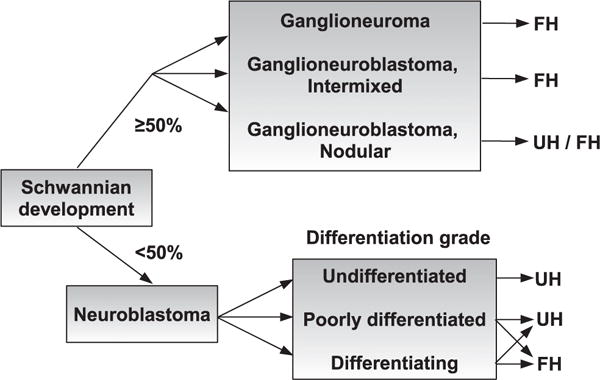
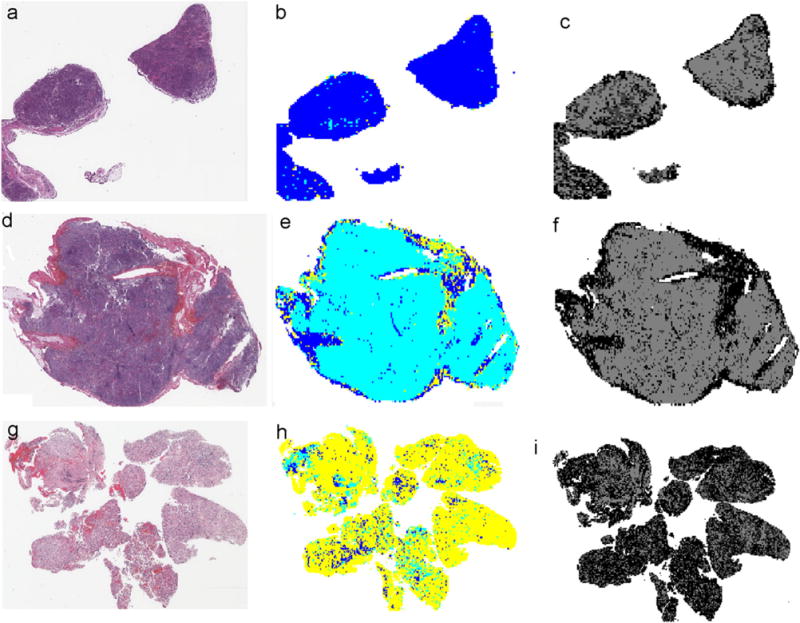
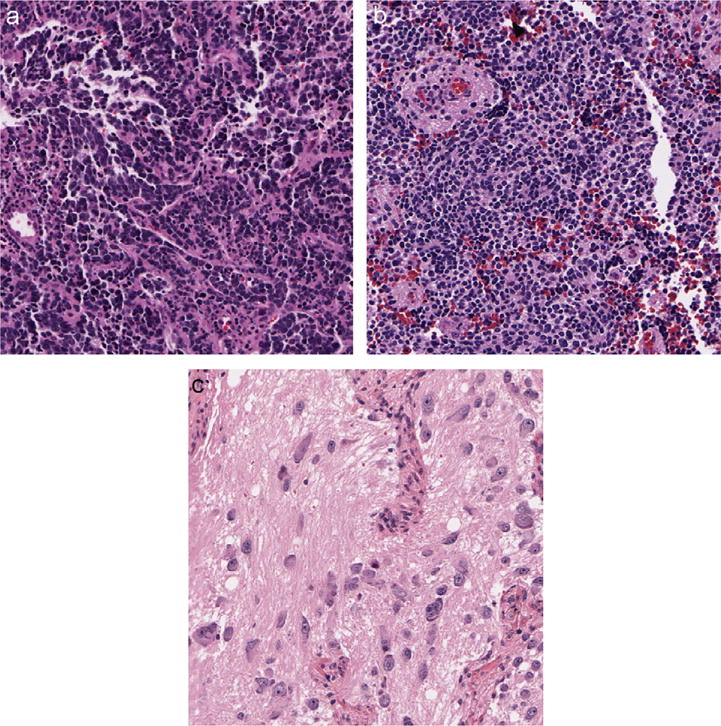
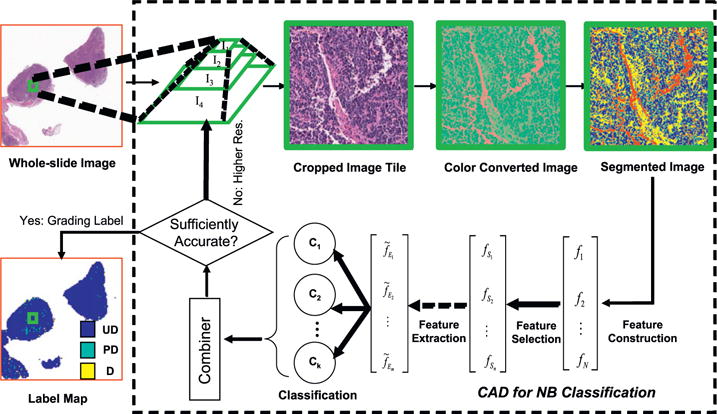
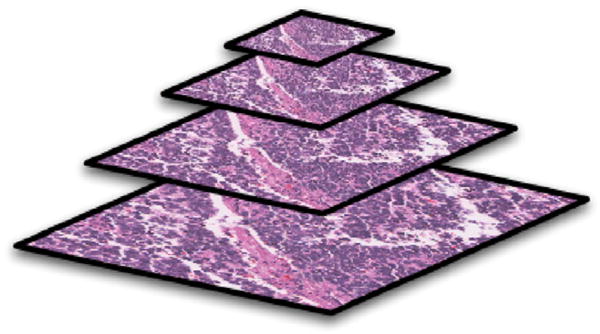
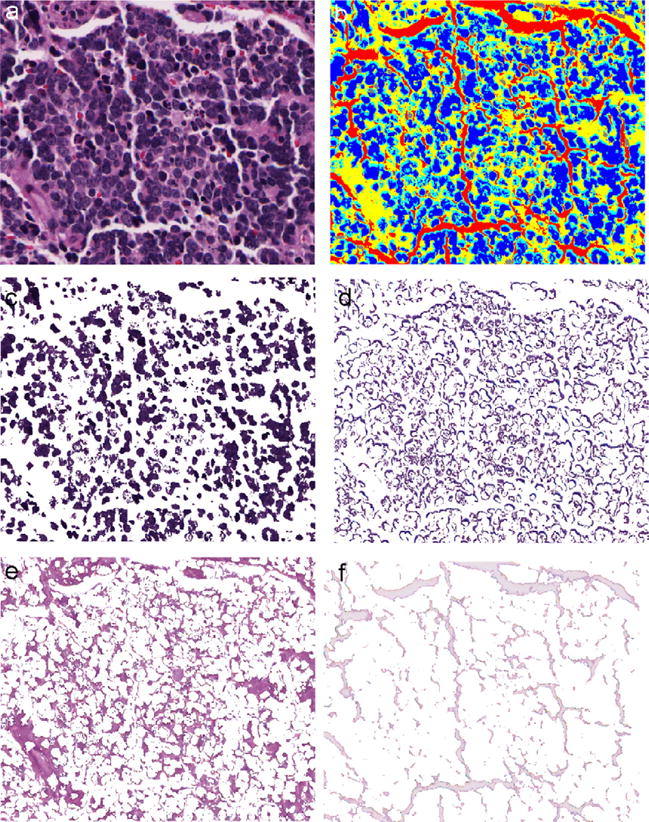
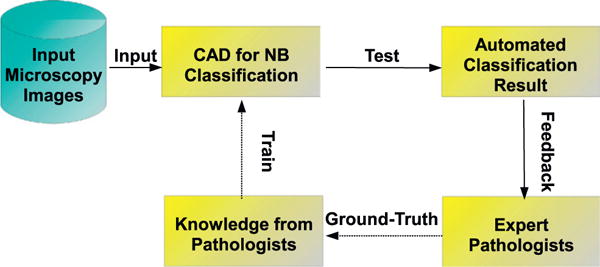
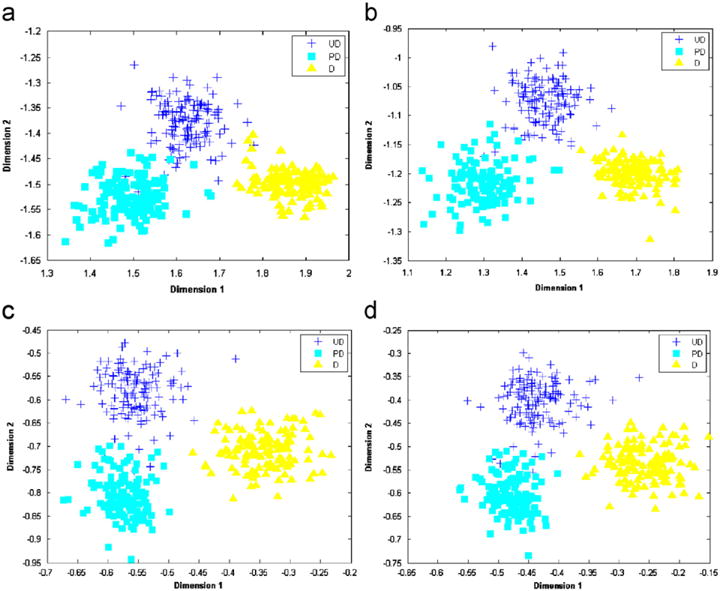
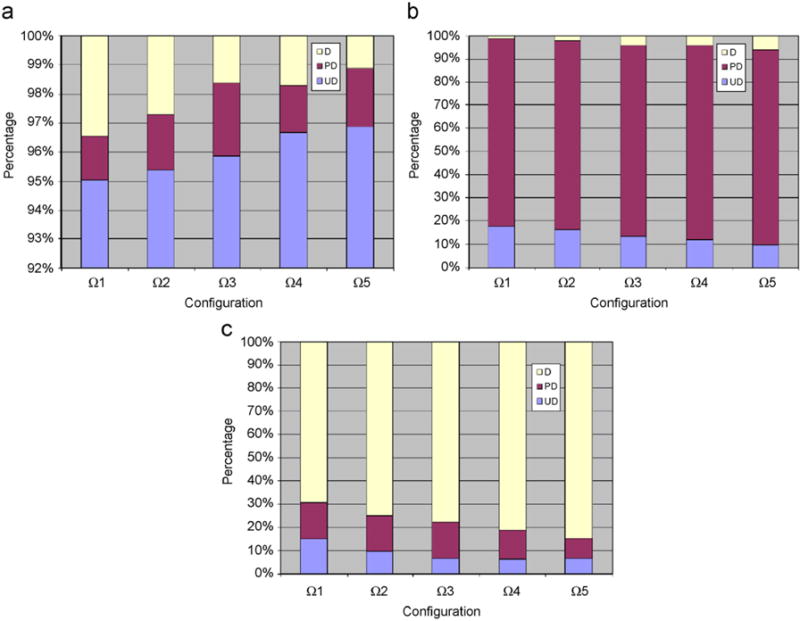
Neuroblastoma (NB) is one of the most frequently occurring cancerous tumors in children. The current grading evaluations for patients with this disease require pathologists to identify certain morphological characteristics with microscopic examinations of tumor tissues. Thanks to the advent of modern digital scanners, it is now feasible to scan cross-section tissue specimens and acquire whole-slide digital images. As a result, computerized analysis of these images can generate key quantifiable parameters and assist pathologists with grading evaluations. In this study, image analysis techniques are applied to histological images of haematoxylin and eosin (H&E) stained slides for identifying image regions associated with different pathological components. Texture features derived from segmented components of tissues are extracted and processed by an automated classifier group trained with sample images with different grades of neuroblastic differentiation in a multi-resolution framework. The trained classification system is tested on 33 whole-slide tumor images. The resulting whole-slide classification accuracy produced by the computerized system is 87.88%. Therefore, the developed system is a promising tool to facilitate grading whole-slide images of NB biopsies with high throughput.
神经母细胞瘤(NB)是儿童中最常见的癌性肿瘤之一。目前针对该疾病患者的分级评估需要病理学家通过对肿瘤组织进行显微镜检查来识别某些形态学特征。得益于现代数字扫描仪的出现,现在扫描横截面组织标本并获取全切片数字图像成为可能。因此,对这些图像进行计算机分析可以生成关键的可量化参数,并协助病理学家进行分级评估。在本研究中,图像分析技术被应用于苏木精和伊红(H&E)染色玻片的组织学图像,以识别与不同病理成分相关的图像区域。从组织的分割成分中提取纹理特征,并在多分辨率框架中由使用具有不同神经母细胞分化等级的样本图像训练的自动分类器组进行处理。训练好的分类系统在33张全切片肿瘤图像上进行测试。计算机系统产生的全切片分类准确率为87.88%。因此,所开发的系统是一种很有前景的工具,可用于高通量地对NB活检的全切片图像进行分级。