Begum M Ridzwana, Sng Judy C G
Department of Pharmacology, Yong Loo Lin School of Medicine, National University of Singapore, Singapore, Singapore.
J Neurochem. 2017 Sep;142(5):649-661. doi: 10.1111/jnc.14103. Epub 2017 Jul 11.
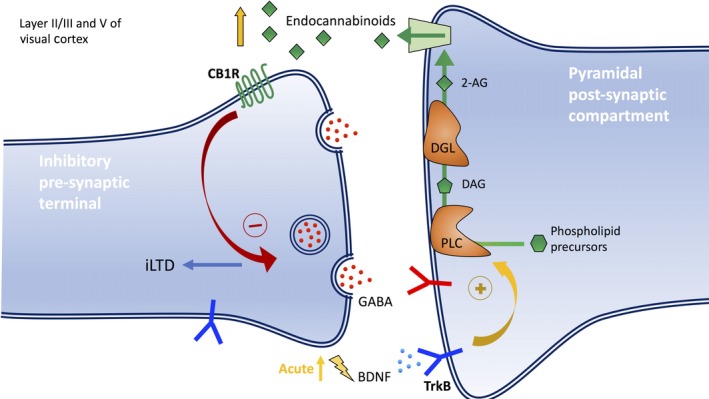
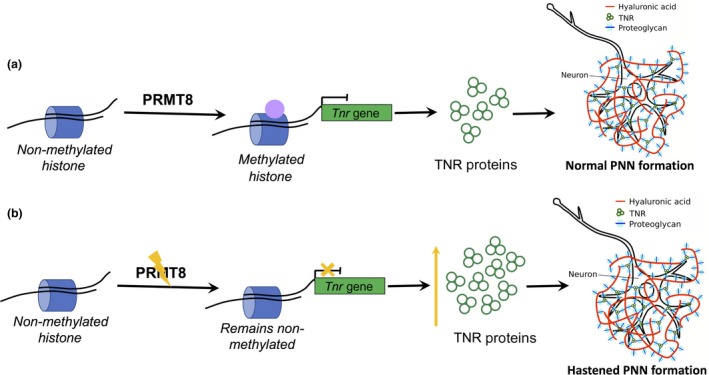
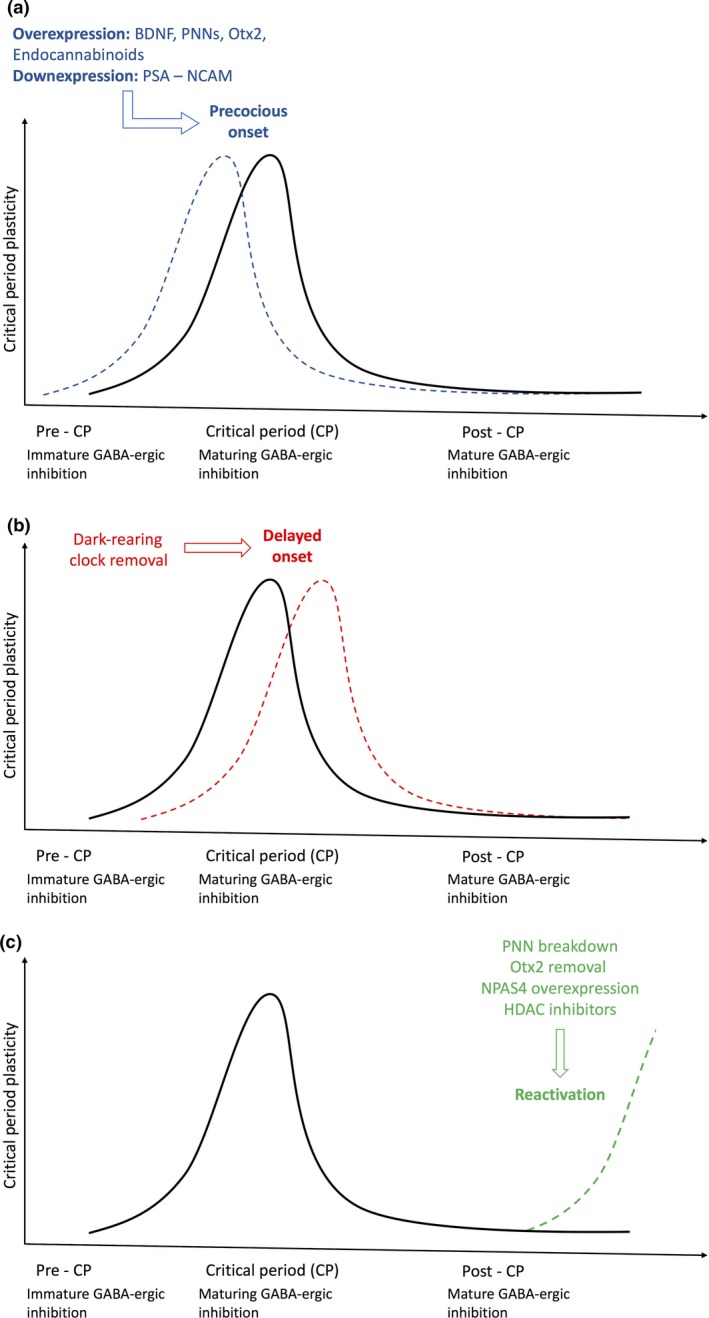
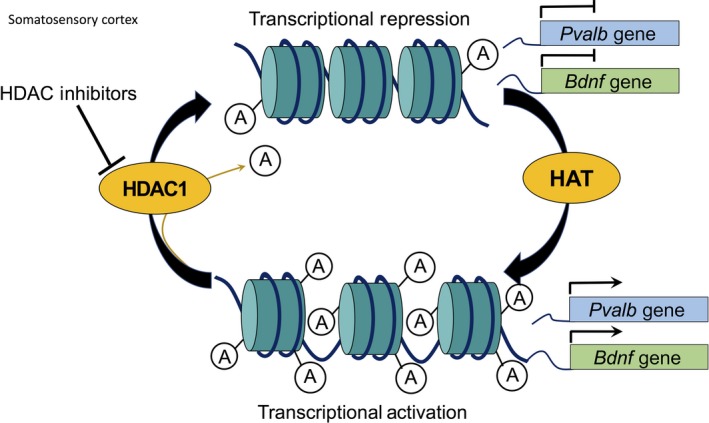
Critical periods (CP) in early post-natal life are periods of plasticity during which the neuronal circuitry is most receptive to environmental stimuli. These early experiences translate to a more permanent and sophisticated neuronal connection in the adult brain systems. Multiple studies have pointed to the development of inhibitory circuitry as one of the central factors for the onset of critical periods. We discuss several molecular mechanisms regulating inhibitory circuit maturation and CP, from gene transcription level to protein signaling level. Also, beyond the level of gene sequences, we briefly consider recent information on dynamic epigenetic regulation of gene expression through histone methylation and acetylation and their implication on timed development of the inhibitory circuitry for the onset of CP.
出生后早期的关键期(CP)是可塑性时期,在此期间神经元回路对环境刺激最为敏感。这些早期经历会转化为成人大脑系统中更持久、更复杂的神经元连接。多项研究指出抑制性回路的发育是关键期开始的核心因素之一。我们讨论了从基因转录水平到蛋白质信号水平调节抑制性回路成熟和关键期的几种分子机制。此外,除了基因序列水平,我们还简要考虑了最近关于通过组蛋白甲基化和乙酰化对基因表达进行动态表观遗传调控的信息,以及它们对关键期开始时抑制性回路定时发育的影响。