Erkizan Hayriye Verda, Johnson Kory, Ghimbovschi Svetlana, Karkera Deepa, Trachiotis Gregory, Adib Houtan, Hoffman Eric P, Wadleigh Robert G
Institute for Clinical Research, Department of Veteran Affairs Medical Center (VAMC), Washington, D.C., USA.
Bioinformatics Neuroscience Group, Information Technology Program, National Institute of Neurological Disorders & Stroke, Bethesda, MD, USA.
BMC Cancer. 2017 Jun 19;17(1):426. doi: 10.1186/s12885-017-3423-1.
Esophageal carcinoma is the third most common gastrointestinal malignancy worldwide and is largely unresponsive to therapy. African-Americans have an increased risk for esophageal squamous cell carcinoma (ESCC), the subtype that shows marked variation in geographic frequency. The molecular architecture of African-American ESCC is still poorly understood. It is unclear why African-American ESCC is more aggressive and the survival rate in these patients is worse than those of other ethnic groups.
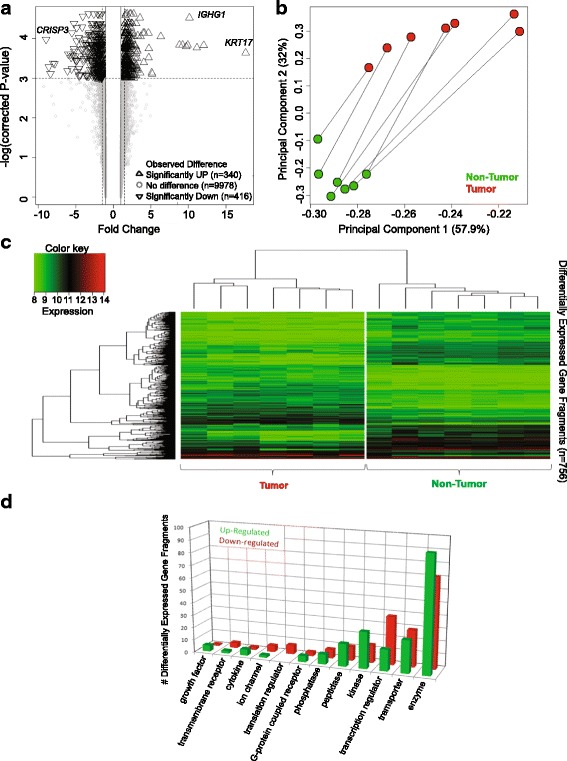
To begin to define genetic alterations that occur in African-American ESCC we conducted microarray expression profiling in pairs of esophageal squamous cell tumors and matched control tissues.
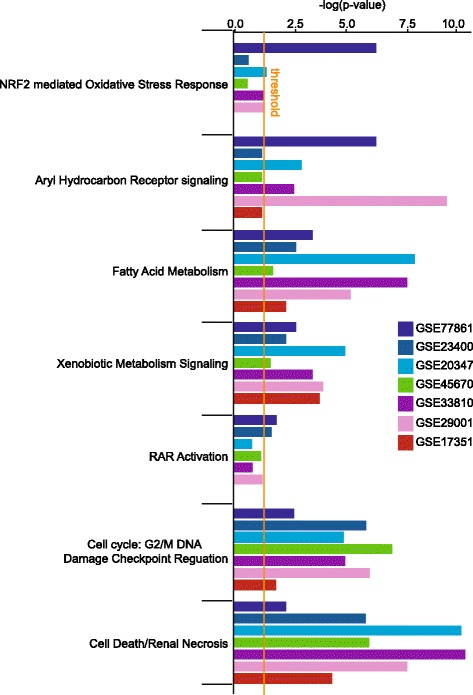
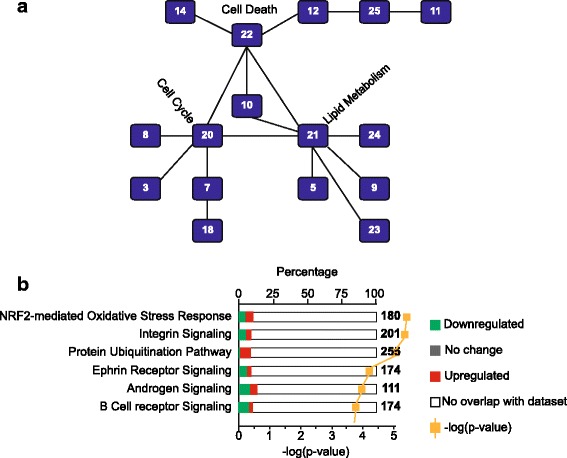
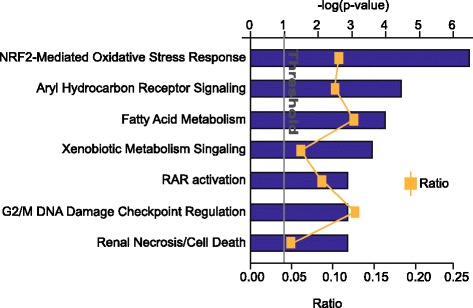
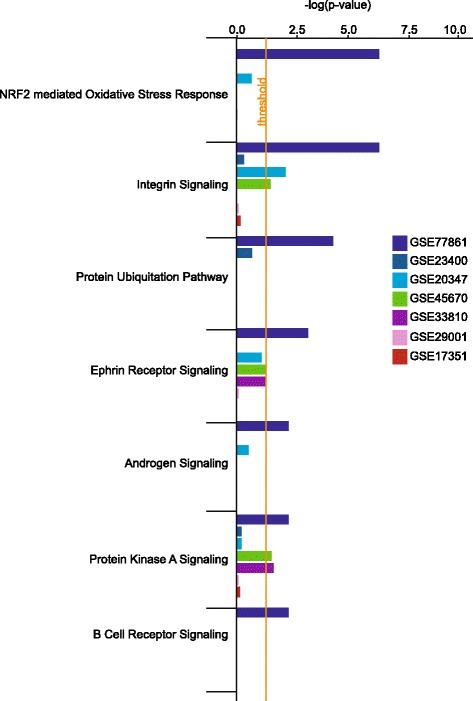
We found significant dysregulation of genes encoding drug-metabolizing enzymes and stress response components of the NRF2- mediated oxidative damage pathway, potentially representing key genes in African-American esophageal squamous carcinogenesis. Loss of activity of drug metabolizing enzymes would confer increased sensitivity of esophageal cells to xenobiotics, such as alcohol and tobacco smoke, and may account for the high incidence and aggressiveness of ESCC in this ethnic group. To determine whether certain genes are uniquely altered in African-American ESCC we performed a meta-analysis of ESCC expression profiles in our African-American samples and those of several Asian samples. Down-regulation of TP53 pathway components represented the most common feature in ESCC of all ethnic groups. Importantly, this analysis revealed a potential distinctive molecular underpinning of African-American ESCC, that is, a widespread and prominent involvement of the NRF2 pathway.
Taken together, these findings highlight the remarkable interplay of genetic and environmental factors in the pathogenesis of African-American ESCC.
食管癌是全球第三大常见的胃肠道恶性肿瘤,且对治疗大多无反应。非裔美国人患食管鳞状细胞癌(ESCC)的风险增加,ESCC是一种在地理分布频率上有显著差异的亚型。非裔美国人ESCC的分子结构仍知之甚少。目前尚不清楚为何非裔美国人的ESCC更具侵袭性,以及这些患者的生存率为何低于其他种族群体。
为了开始确定非裔美国人ESCC中发生的基因改变,我们对食管鳞状细胞瘤及其匹配的对照组织进行了微阵列表达谱分析。
我们发现编码药物代谢酶和NRF2介导的氧化损伤途径应激反应成分的基因存在显著失调,这可能代表了非裔美国人食管鳞状细胞癌发生过程中的关键基因。药物代谢酶活性的丧失会使食管细胞对酒精和烟草烟雾等外源性物质更加敏感,这可能解释了该种族群体中ESCC的高发病率和侵袭性。为了确定某些基因在非裔美国人ESCC中是否有独特改变,我们对非裔美国人样本以及几个亚洲样本中的ESCC表达谱进行了荟萃分析。TP53途径成分的下调是所有种族ESCC中最常见的特征。重要的是,该分析揭示了非裔美国人ESCC潜在的独特分子基础,即NRF2途径广泛且显著地参与其中。
综上所述,这些发现突出了遗传和环境因素在非裔美国人ESCC发病机制中的显著相互作用。