Jaganjac Morana, Milkovic Lidija, Sunjic Suzana Borovic, Zarkovic Neven
Laboratory for Oxidative Stress, Division of Molecular Medicine, Rudjer Boskovic Institute, Bijenicka 54, 10000 Zagreb, Croatia.
Antioxidants (Basel). 2020 Nov 19;9(11):1151. doi: 10.3390/antiox9111151.
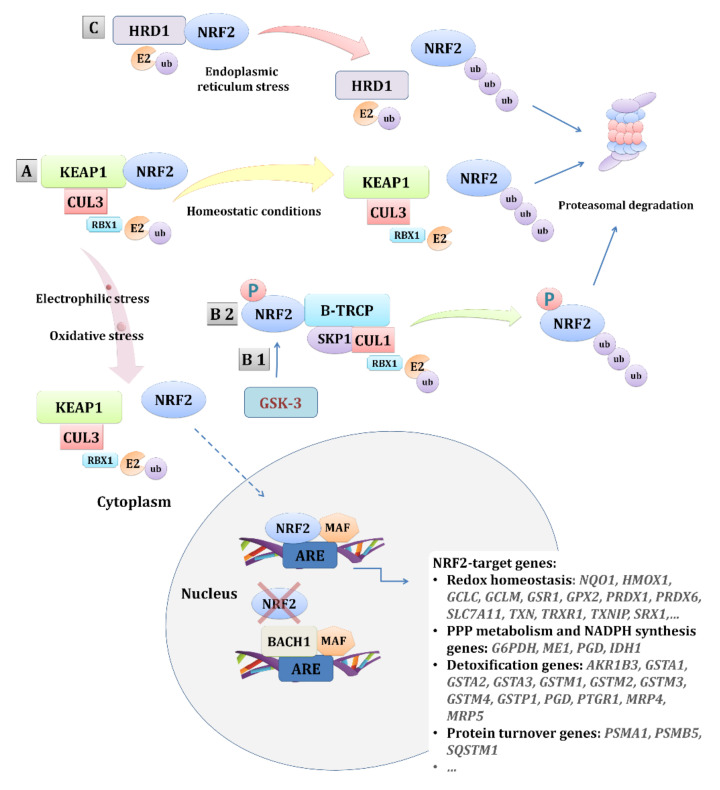
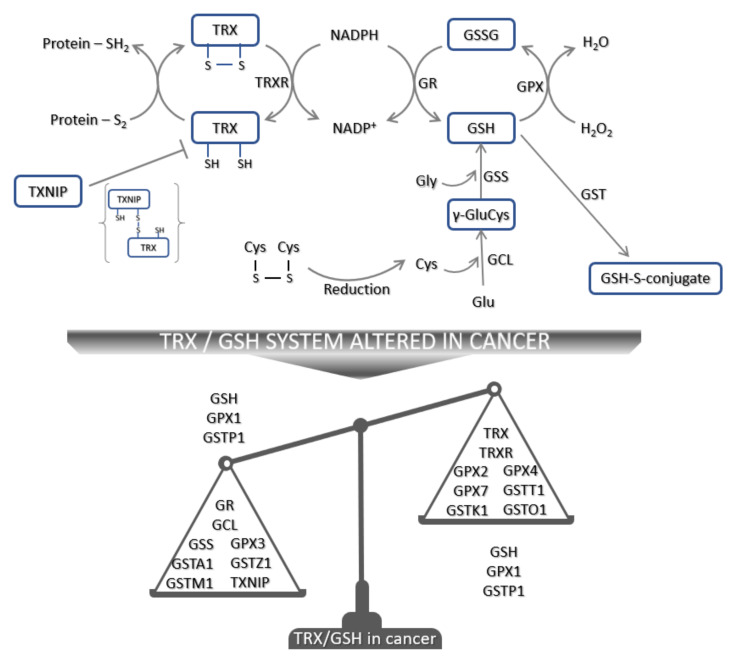
Cancer remains an elusive, highly complex disease and a global burden. Constant change by acquired mutations and metabolic reprogramming contribute to the high inter- and intratumor heterogeneity of malignant cells, their selective growth advantage, and their resistance to anticancer therapies. In the modern era of integrative biomedicine, realizing that a personalized approach could benefit therapy treatments and patients' prognosis, we should focus on cancer-driving advantageous modifications. Namely, reactive oxygen species (ROS), known to act as regulators of cellular metabolism and growth, exhibit both negative and positive activities, as do antioxidants with potential anticancer effects. Such complexity of oxidative homeostasis is sometimes overseen in the case of studies evaluating the effects of potential anticancer antioxidants. While cancer cells often produce more ROS due to their increased growth-favoring demands, numerous conventional anticancer therapies exploit this feature to ensure selective cancer cell death triggered by excessive ROS levels, also causing serious side effects. The activation of the cellular NRF2 (nuclear factor erythroid 2 like 2) pathway and induction of cytoprotective genes accompanies an increase in ROS levels. A plethora of specific targets, including those involved in thioredoxin (TRX) and glutathione (GSH) systems, are activated by NRF2. In this paper, we briefly review preclinical research findings on the interrelated roles of the NRF2 pathway and TRX and GSH systems, with focus given to clinical findings and their relevance in carcinogenesis and anticancer treatments.
癌症仍然是一种难以捉摸、高度复杂的疾病,也是一项全球负担。获得性突变和代谢重编程导致的持续变化促成了恶性细胞的高度肿瘤间和肿瘤内异质性、它们的选择性生长优势以及它们对抗癌治疗的抗性。在现代整合生物医学时代,认识到个性化方法可能有益于治疗和患者预后,我们应关注驱动癌症的有利修饰。具体而言,已知作为细胞代谢和生长调节剂的活性氧(ROS)表现出正负两方面的活性,具有潜在抗癌作用的抗氧化剂也是如此。在评估潜在抗癌抗氧化剂作用的研究中,有时会忽略氧化稳态的这种复杂性。虽然癌细胞由于其对生长有利的需求增加而通常产生更多ROS,但许多传统抗癌疗法利用这一特性来确保由过量ROS水平引发的选择性癌细胞死亡,这也会导致严重的副作用。细胞NRF2(核因子红细胞2样2)途径的激活和细胞保护基因的诱导伴随着ROS水平的升高。包括那些参与硫氧还蛋白(TRX)和谷胱甘肽(GSH)系统的大量特定靶点被NRF2激活。在本文中,我们简要回顾了关于NRF2途径与TRX和GSH系统相互关联作用的临床前研究结果,重点关注临床研究结果及其在致癌作用和抗癌治疗中的相关性。