Freedman Joshua D, Hagel Joachim, Scott Eleanor M, Psallidas Ioannis, Gupta Avinash, Spiers Laura, Miller Paul, Kanellakis Nikolaos, Ashfield Rebecca, Fisher Kerry D, Duffy Margaret R, Seymour Leonard W
Department of Oncology, University of Oxford, Oxford, UK.
Oxford Centre for Respiratory Medicine, Oxford University Hospitals NHS Trust, Oxford, UK.
EMBO Mol Med. 2017 Aug;9(8):1067-1087. doi: 10.15252/emmm.201707567.
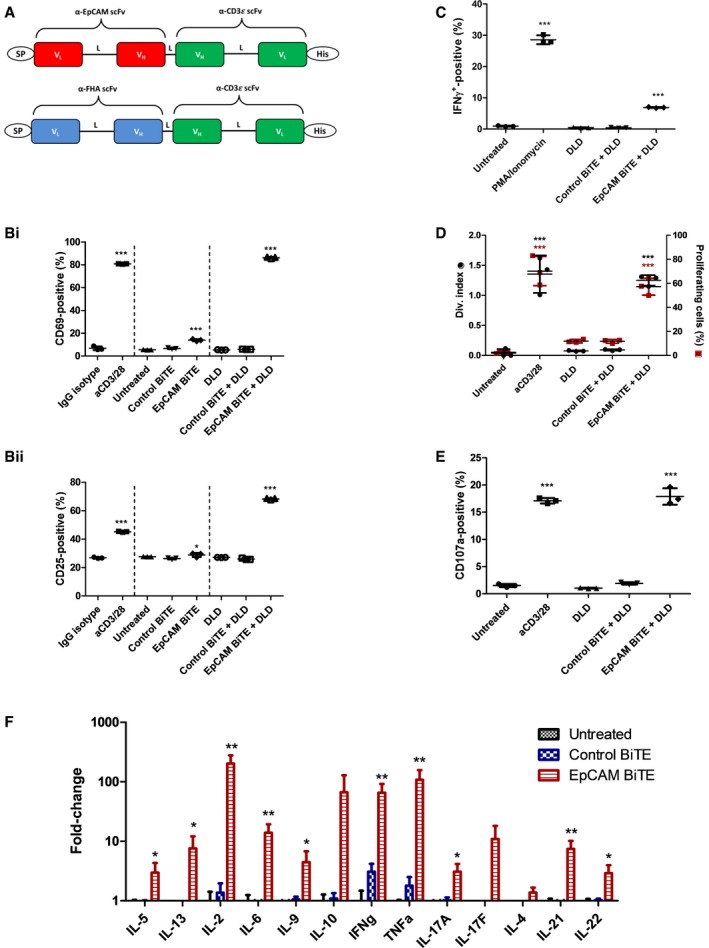
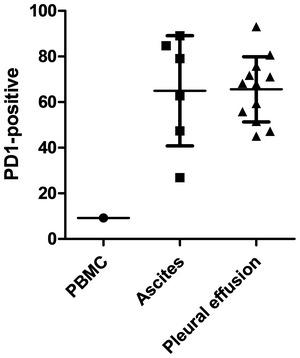
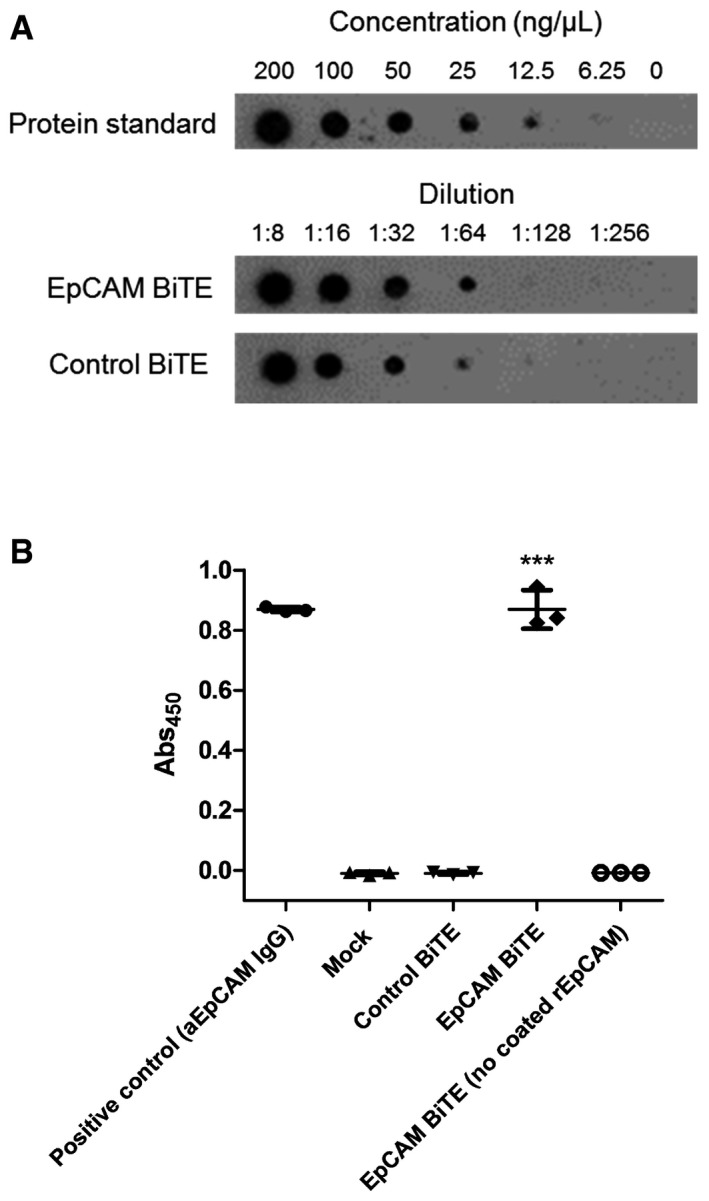
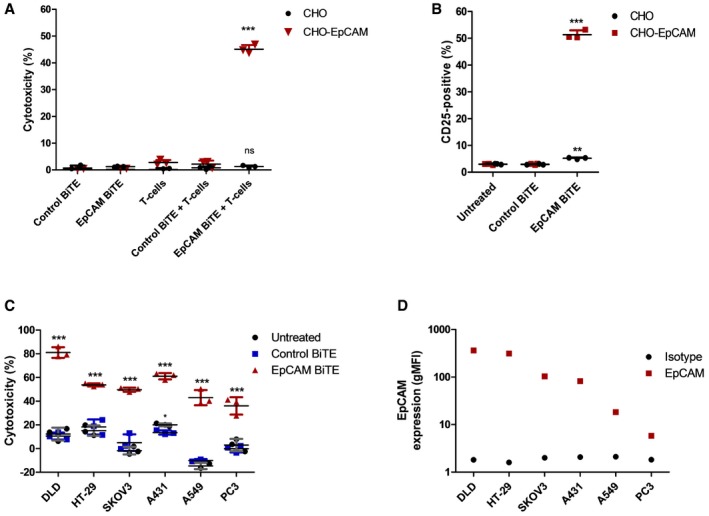
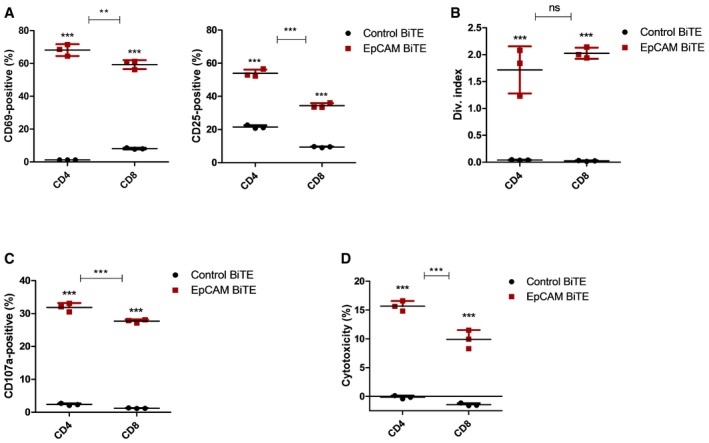
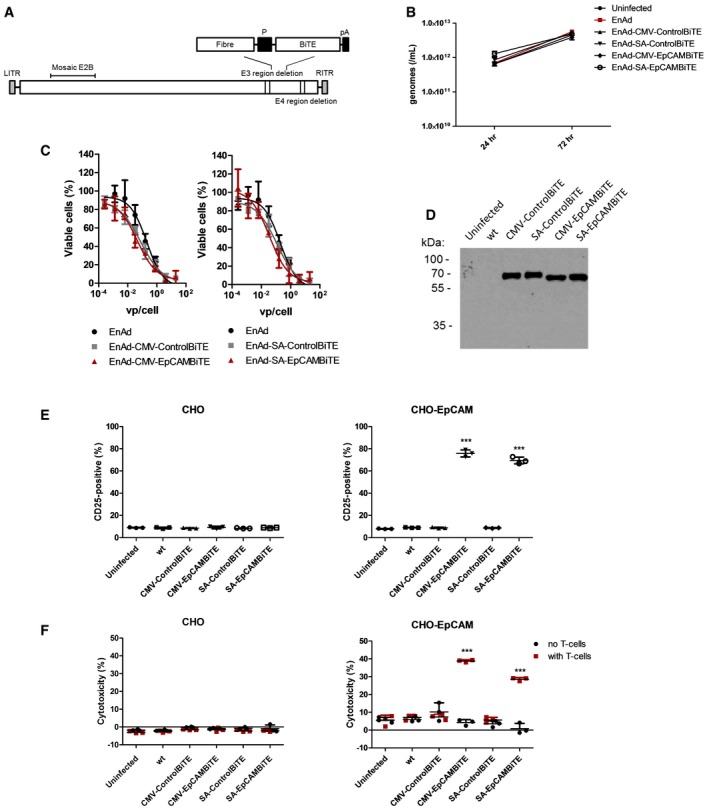
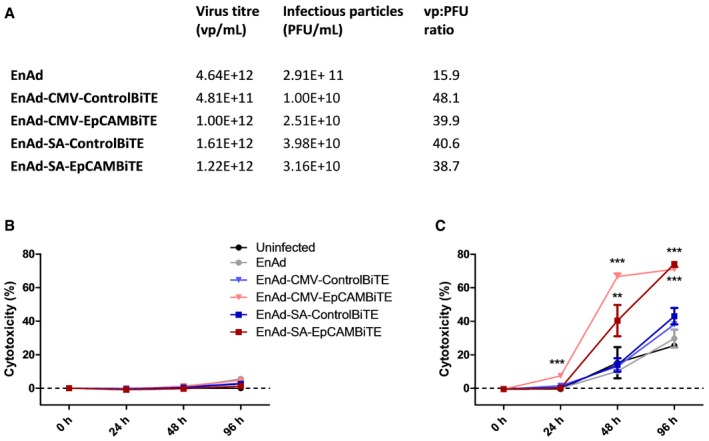
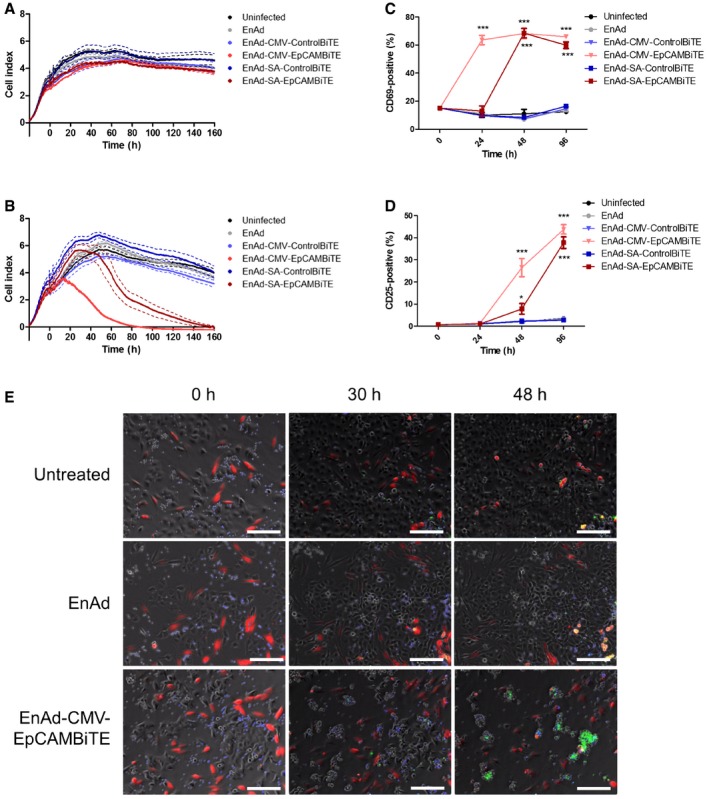
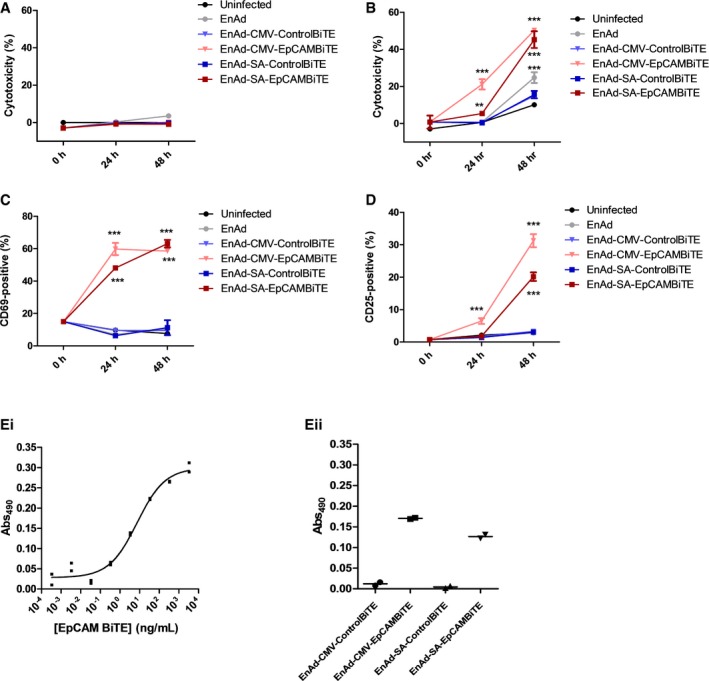
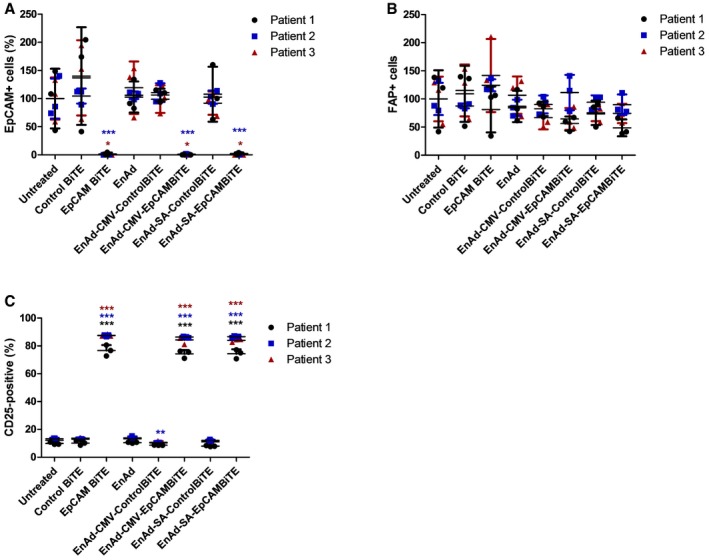
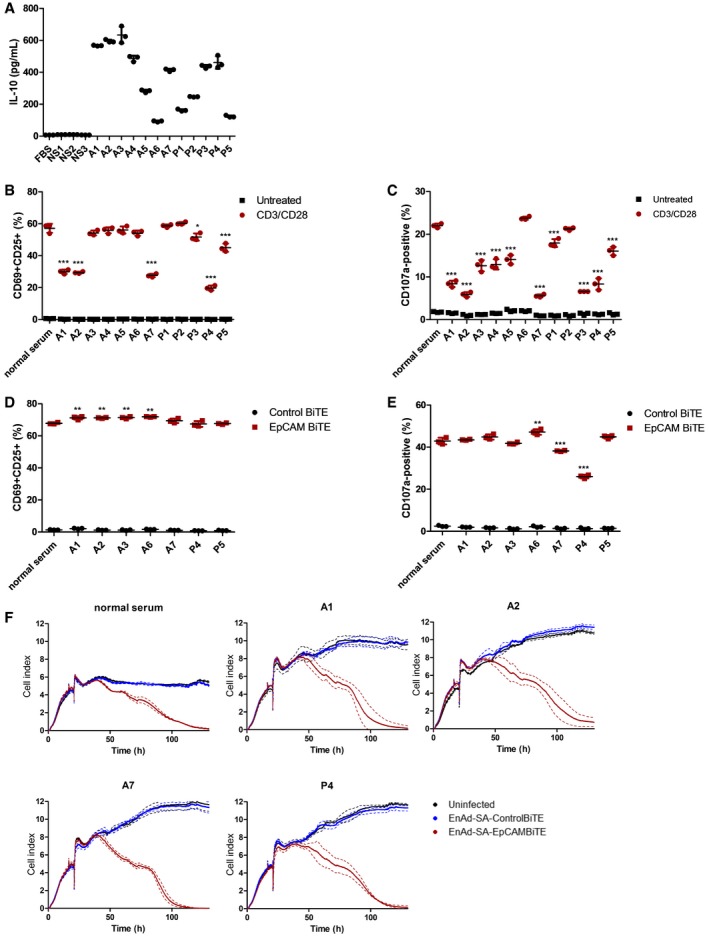
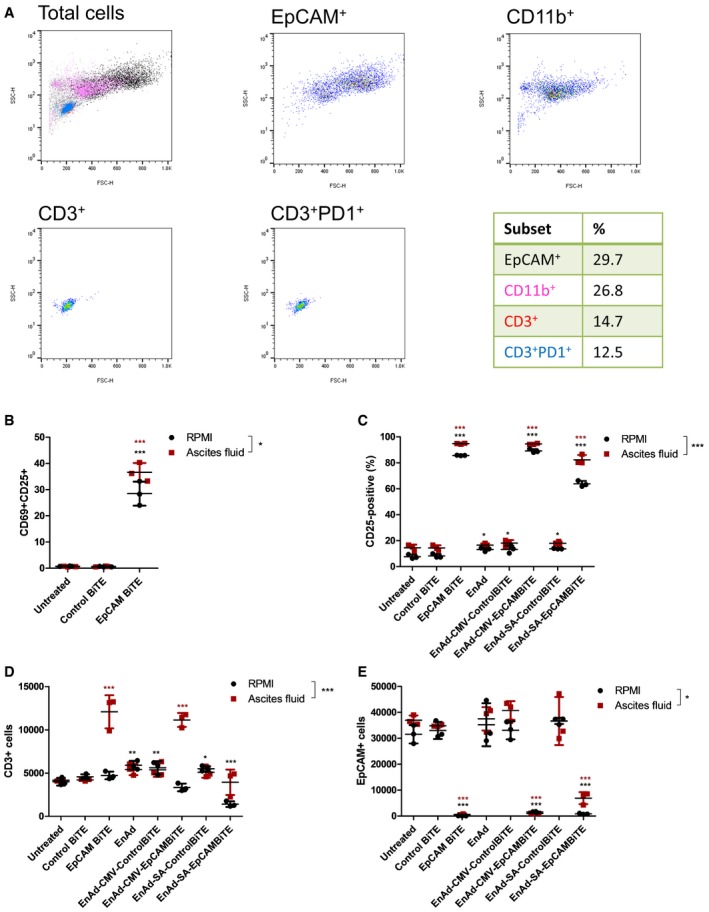
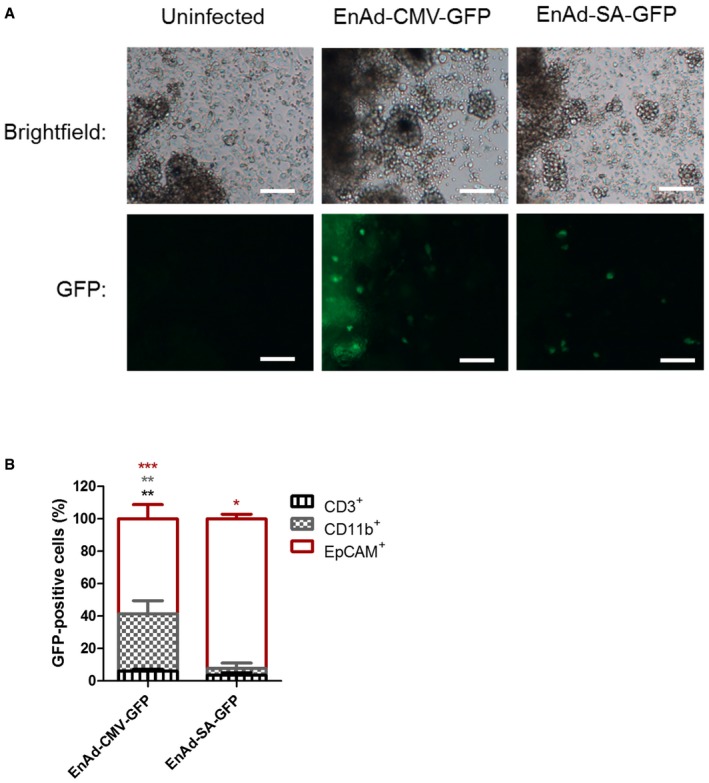
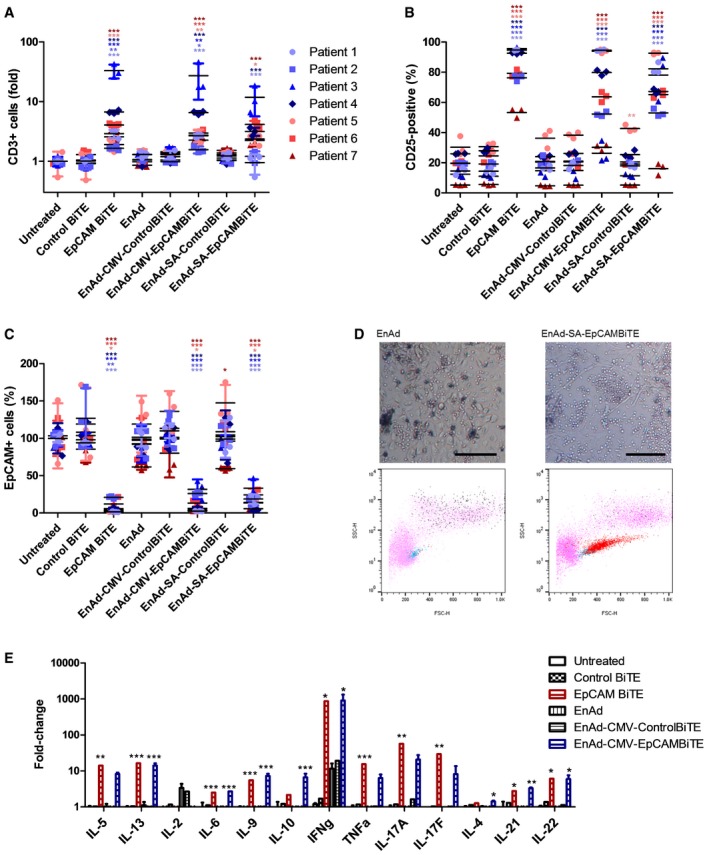
Oncolytic viruses exploit the cancer cell phenotype to complete their lytic life cycle, releasing progeny virus to infect nearby cells and repeat the process. We modified the oncolytic group B adenovirus EnAdenotucirev (EnAd) to express a bispecific single-chain antibody, secreted from infected tumour cells into the microenvironment. This bispecific T-cell engager (BiTE) binds to EpCAM on target cells and cross-links them to CD3 on T cells, leading to clustering and activation of both CD4 and CD8 T cells. BiTE transcription can be controlled by the virus major late promoter, limiting expression to cancer cells that are permissive for virus replication. This approach can potentiate the cytotoxicity of EnAd, and we demonstrate using primary pleural effusions and peritoneal malignant ascites that infection of cancer cells with the BiTE-expressing EnAd leads to activation of endogenous T cells to kill endogenous tumour cells despite the immunosuppressive environment. In this way, we have armed EnAd to combine both direct oncolysis and T cell-mediated killing, yielding a potent therapeutic that should be readily transferred into the clinic.
溶瘤病毒利用癌细胞表型来完成其裂解生命周期,释放子代病毒以感染附近细胞并重复这一过程。我们对B组溶瘤腺病毒EnAdenotucirev(EnAd)进行了改造,使其表达一种双特异性单链抗体,该抗体从受感染的肿瘤细胞分泌到微环境中。这种双特异性T细胞衔接器(BiTE)与靶细胞上的EpCAM结合,并将它们与T细胞上的CD3交联,导致CD4和CD8 T细胞聚集并激活。BiTE转录可由病毒主要晚期启动子控制,将表达限制在允许病毒复制的癌细胞中。这种方法可以增强EnAd的细胞毒性,并且我们使用原发性胸腔积液和腹膜恶性腹水证明,用表达BiTE的EnAd感染癌细胞会导致内源性T细胞激活,从而杀死内源性肿瘤细胞,尽管存在免疫抑制环境。通过这种方式,我们让EnAd具备了直接溶瘤和T细胞介导杀伤的双重能力,产生了一种有望迅速转化为临床应用的有效疗法。