Draht Fabian, Zhang Sijie, Rayan Abdelrahman, Schönfeld Fabian, Wiskott Laurenz, Manahan-Vaughan Denise
Department of Neurophysiology, Medical Faculty, Ruhr University BochumBochum, Germany.
International Graduate School of Neuroscience, Ruhr University BochumBochum, Germany.
Front Behav Neurosci. 2017 Jun 6;11:92. doi: 10.3389/fnbeh.2017.00092. eCollection 2017.
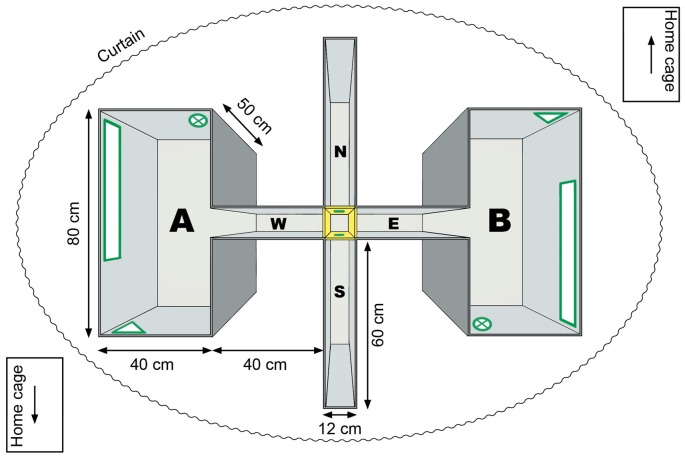
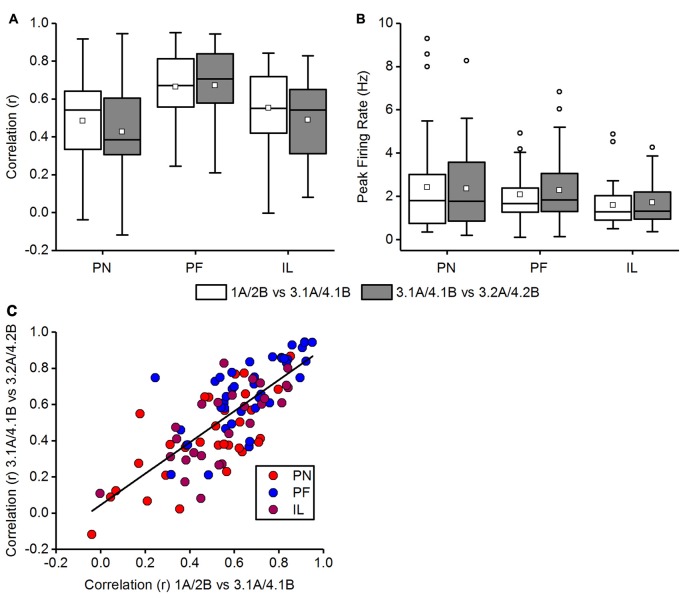
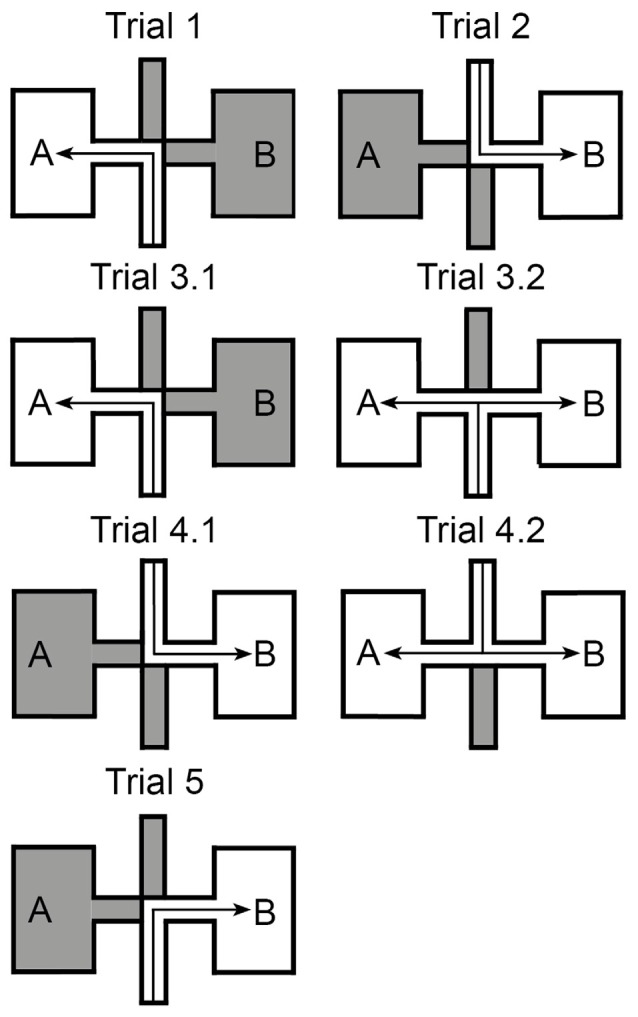
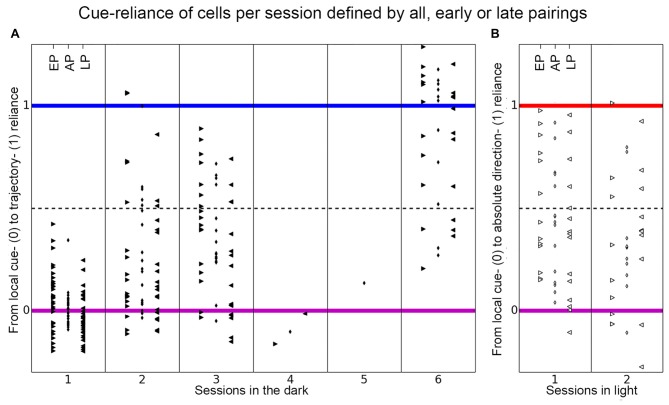
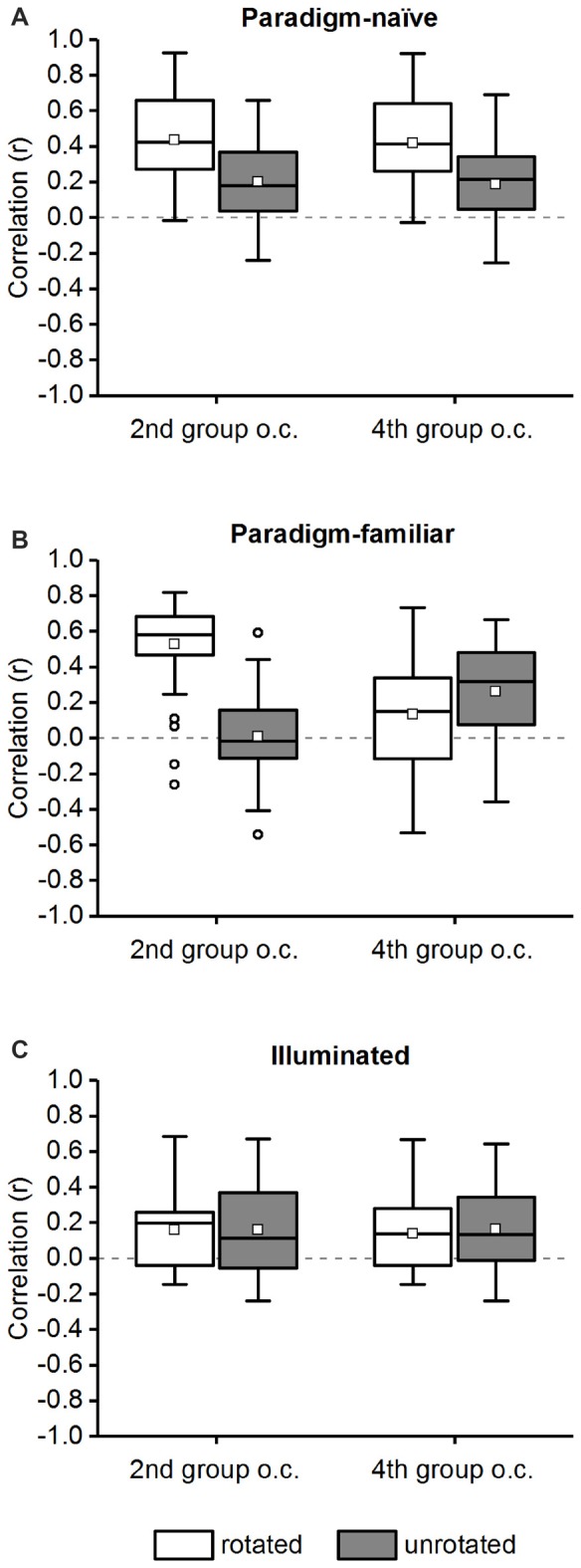
Spatial encoding in the hippocampus is based on a range of different input sources. To generate spatial representations, reliable sensory cues from the external environment are integrated with idiothetic cues, derived from self-movement, that enable path integration and directional perception. In this study, we examined to what extent idiothetic cues significantly contribute to spatial representations and navigation: we recorded place cells while rodents navigated towards two visually identical chambers in 180° orientation via two different paths in darkness and in the absence of reliable auditory or olfactory cues. Our goal was to generate a conflict between local visual and direction-specific information, and then to assess which strategy was prioritized in different learning phases. We observed that, in the absence of distal cues, place fields are initially controlled by local visual cues that override idiothetic cues, but that with multiple exposures to the paradigm, spaced at intervals of days, idiothetic cues become increasingly implemented in generating an accurate spatial representation. Taken together, these data support that, in the absence of distal cues, local visual cues are prioritized in the generation of context-specific spatial representations through place cells, whereby idiothetic cues are deemed unreliable. With cumulative exposures to the environments, the animal learns to attend to subtle idiothetic cues to resolve the conflict between visual and direction-specific information.
海马体中的空间编码基于一系列不同的输入源。为了生成空间表征,来自外部环境的可靠感觉线索与源自自身运动的本体感觉线索相结合,后者能够实现路径整合和方向感知。在本研究中,我们探究了本体感觉线索在多大程度上对空间表征和导航有显著贡献:我们在啮齿动物于黑暗中且缺乏可靠听觉或嗅觉线索的情况下,通过两条不同路径朝着两个视觉上相同但呈180°方位的腔室导航时记录位置细胞。我们的目标是在局部视觉信息和方向特异性信息之间制造冲突,然后评估在不同学习阶段哪种策略被优先采用。我们观察到,在没有远端线索的情况下,位置野最初由凌驾于本体感觉线索之上的局部视觉线索控制,但随着多次以数天为间隔接触该范式,本体感觉线索在生成准确的空间表征中越来越多地被采用。综上所述,这些数据支持,在没有远端线索的情况下,局部视觉线索在通过位置细胞生成特定情境空间表征时被优先考虑,由此本体感觉线索被认为不可靠。随着对环境的累积接触,动物学会关注细微的本体感觉线索以解决视觉信息和方向特异性信息之间的冲突。