Qi Jia, Wang Jing J, Duan Jun L, Lu Zhao Y, Yuan Yang G
Department of Pharmacy, Xinhua Hospital, School of Medicine, Shanghai Jiaotong UniversityShanghai, China.
Department of Gerontology, Xinhua Hospital, School of Medicine, Shanghai Jiaotong UniversityShanghai, China.
Front Pharmacol. 2017 Jun 6;8:284. doi: 10.3389/fphar.2017.00284. eCollection 2017.
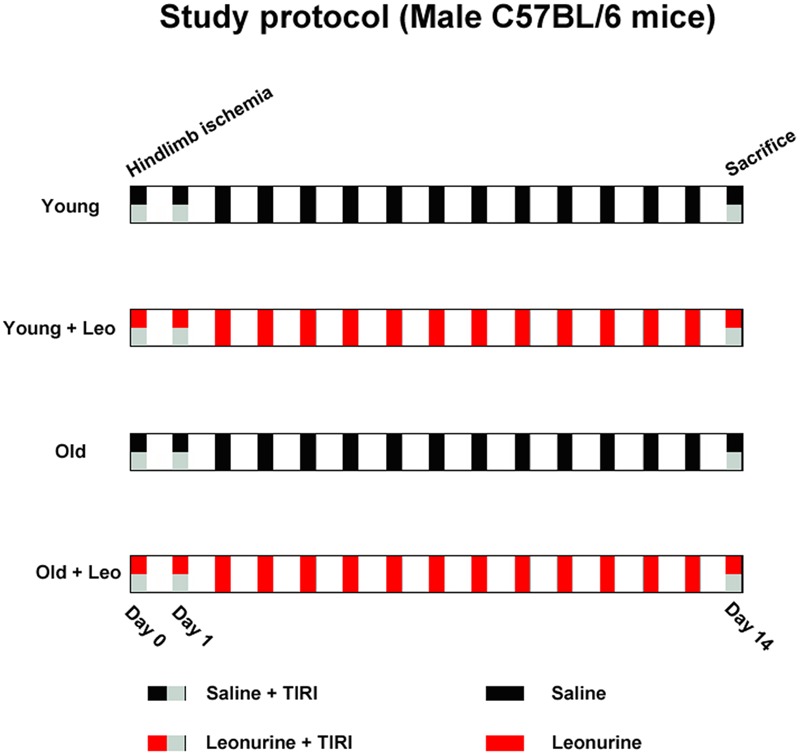
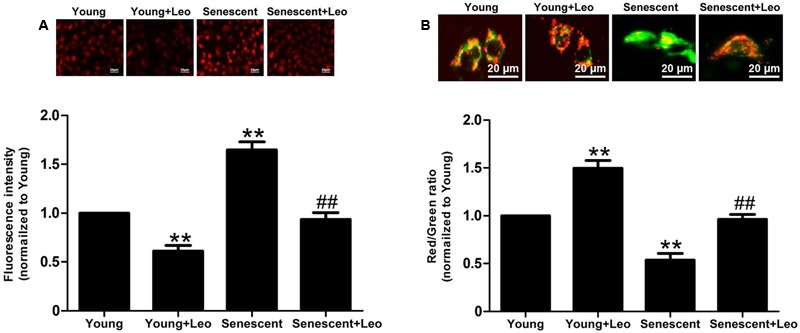
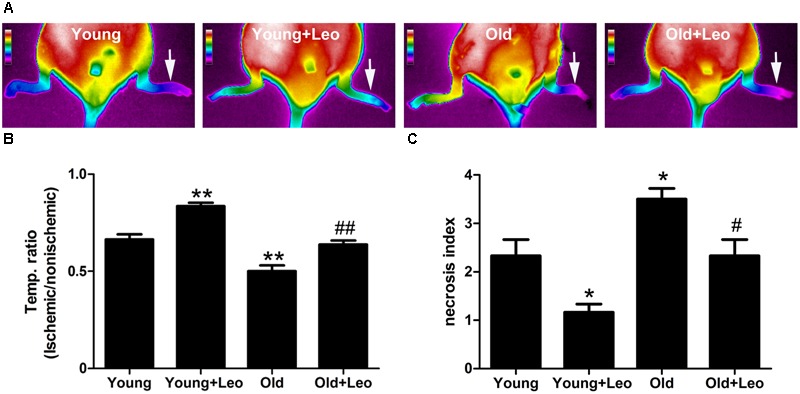
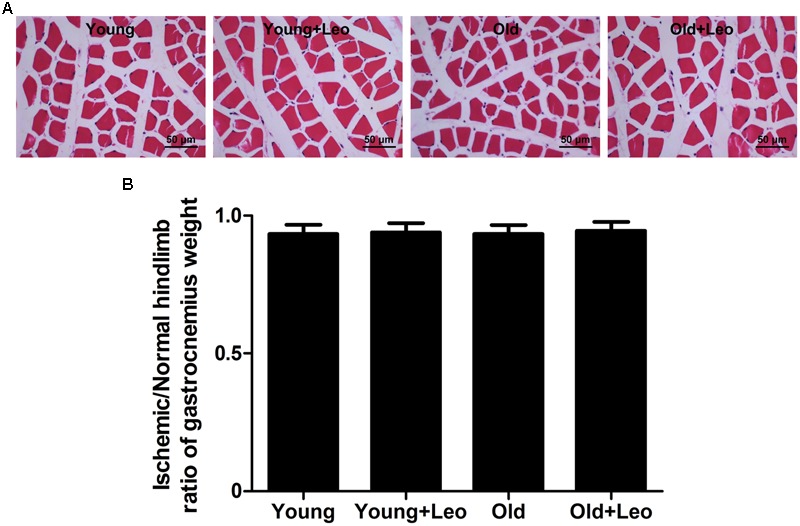
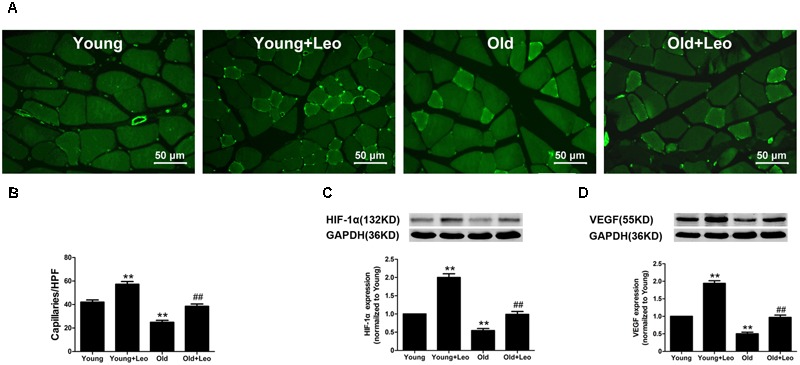
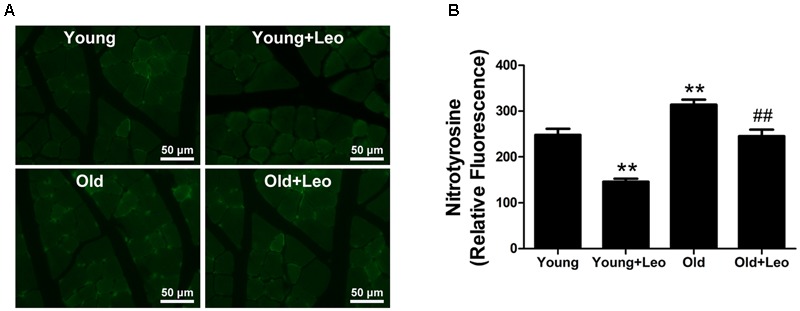
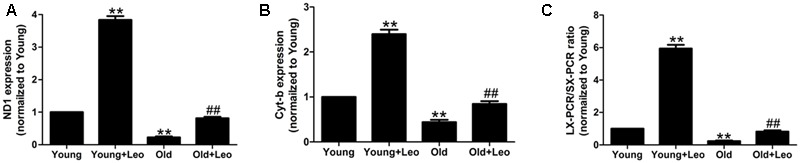
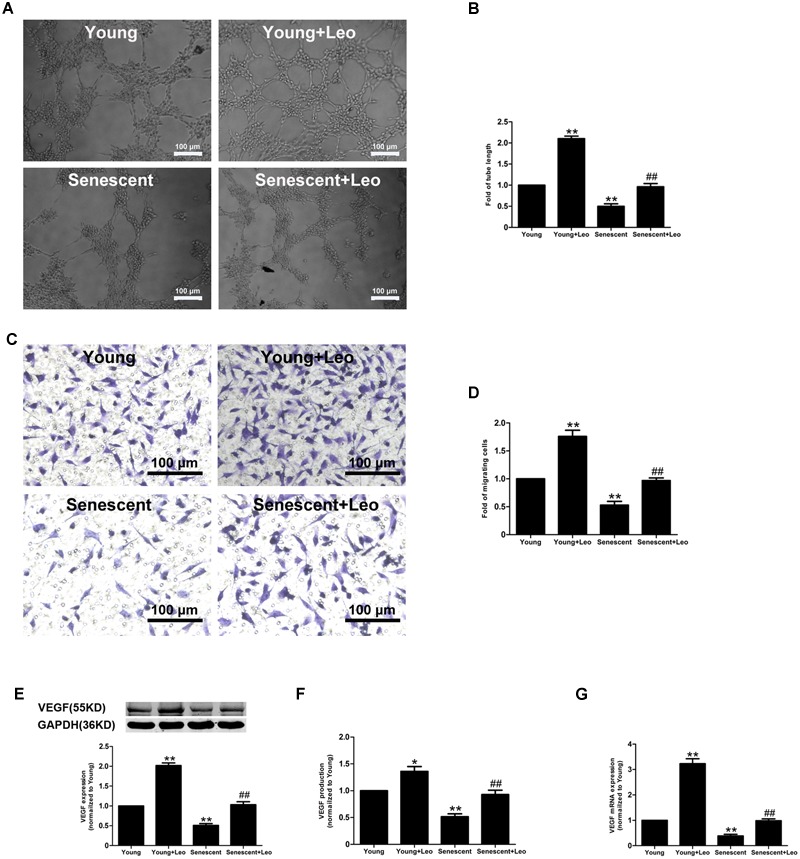
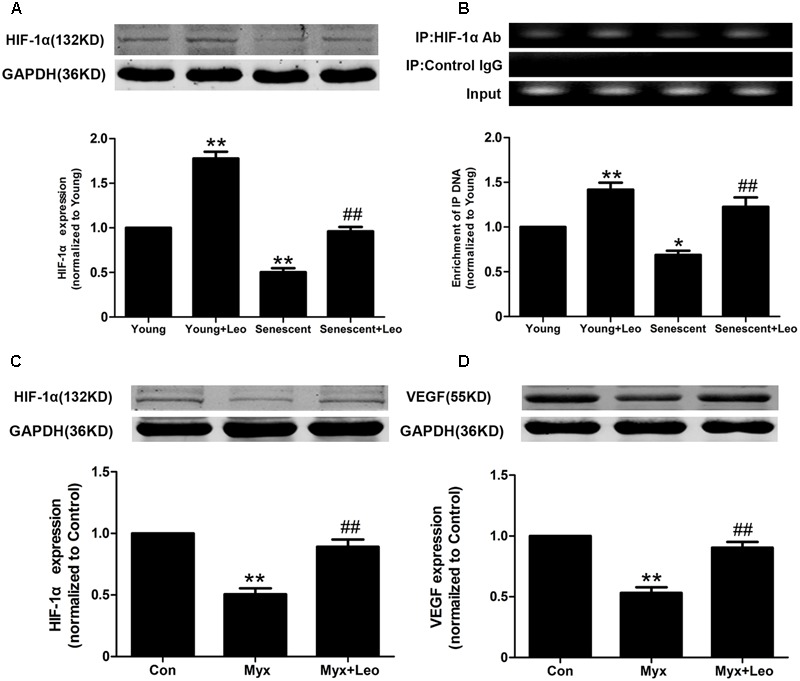
Advanced age is associated with impaired angiogenesis in part because of mitochondrial dysfunction. We have recently reported that leonurine exerts protective effects in neuron via regulation of mitochondrial function. The aim of this study was to explore whether leonurine is able to attenuate mitochondrial dysfunction and to enhance angiogenesis in old rats with hindlimb ischemia. At day 14 after surgery, hypoxia-inducible factor (HIF)-1α and vascular endothelial growth factor (VEGF) expression was decreased in the ischemic muscle of aged animals, which was accompanied by enhanced oxidative stress, increased mitochondrial damage, decreased capillary density, and reduced limb perfusion compared with young mice. Importantly, these effects were inhibited by leonurine treatment in old animals. , we showed that the functional activities (migration and tube formation) of human umbilical vein endothelial cells (HUVECs) were significantly impaired in senescent compared to young. However, leonurine rescued HUVECs functional activities in senescent HUVECs. Mechanistically, we found that leonurine restored the age-dependent reduction in HIF activity and subsequent reduced VEGF expression in senescent HUVECs. Moreover, the mitochondrial oxidative stress was significantly augmented in senescent HUVECs, in association with reduced mitochondrial function. However, leonurine significantly reduced the mitochondrial oxidative stress and restored the mitochondrial membrane potential. Our results demonstrate that leonurine protects against age-dependent impairment of angiogenesis possibly through attenuation of mitochondrial dysfunction and subsequent VEGF up-regulation impairment.
高龄与血管生成受损有关,部分原因是线粒体功能障碍。我们最近报道,益母草碱通过调节线粒体功能对神经元发挥保护作用。本研究的目的是探讨益母草碱是否能够减轻老年后肢缺血大鼠的线粒体功能障碍并增强血管生成。在手术后第14天,与年轻小鼠相比,老年动物缺血肌肉中的缺氧诱导因子(HIF)-1α和血管内皮生长因子(VEGF)表达降低,同时伴有氧化应激增强、线粒体损伤增加、毛细血管密度降低和肢体灌注减少。重要的是,老年动物接受益母草碱治疗后这些效应受到抑制。我们发现,与年轻细胞相比,衰老的人脐静脉内皮细胞(HUVECs)的功能活性(迁移和管腔形成)显著受损。然而,益母草碱挽救了衰老HUVECs的功能活性。从机制上讲,我们发现益母草碱恢复了衰老HUVECs中HIF活性随年龄增长的降低以及随后VEGF表达的减少。此外,衰老的HUVECs中线粒体氧化应激显著增强,同时线粒体功能降低。然而,益母草碱显著降低了线粒体氧化应激并恢复了线粒体膜电位。我们的结果表明,益母草碱可能通过减轻线粒体功能障碍以及随后的VEGF上调受损来预防年龄依赖性血管生成受损。