Wu Katherine C
From the Division of Cardiology, Johns Hopkins Medical Institutions, Baltimore, MD.
Circ Cardiovasc Imaging. 2017 Jul;10(7). doi: 10.1161/CIRCIMAGING.116.005461.
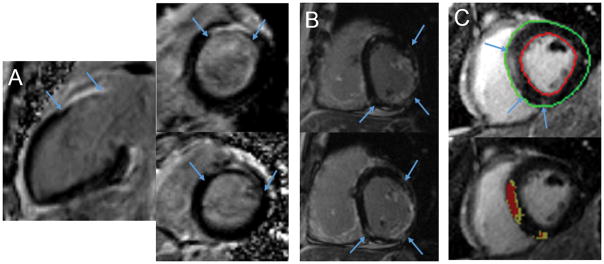
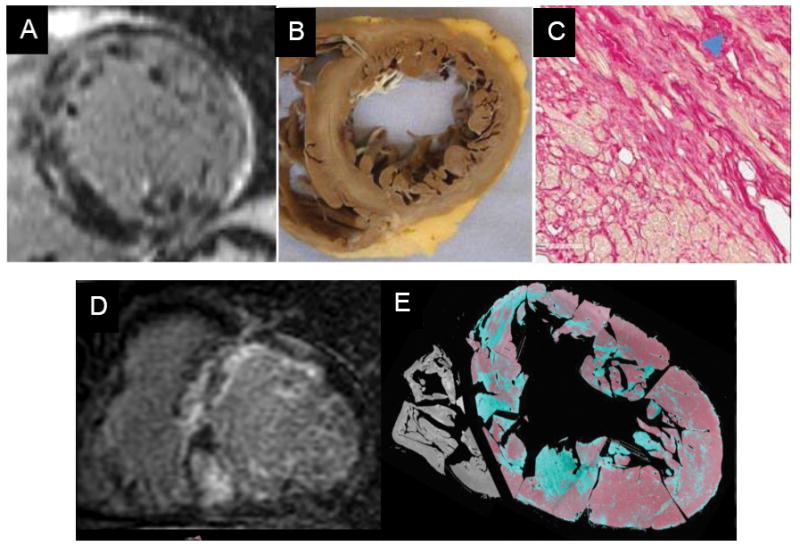
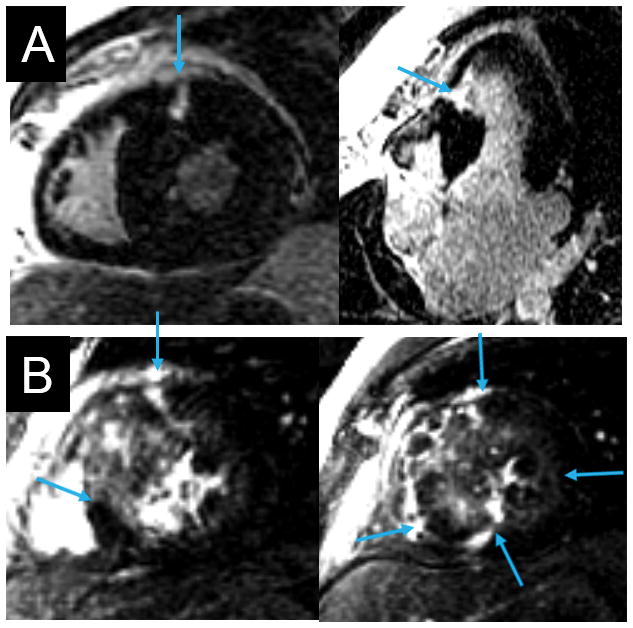
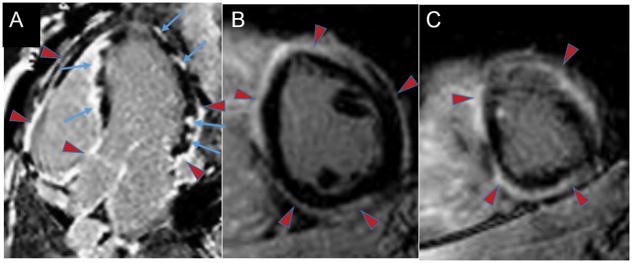
Sudden cardiac death (SCD) is a devastating event afflicting 350 000 Americans annually despite the availability of life-saving preventive therapy, the implantable cardioverter defibrillator. SCD prevention strategies are hampered by over-reliance on global left ventricular ejection fraction <35% as the most important criterion to determine implantable cardioverter defibrillator candidacy. Annually in the United States alone, this results in ≈130 000 implantable cardioverter defibrillator placements at a cost of >$3 billion but only a 5% incidence per year of appropriate firings. This approach further fails to identify individuals who experience the majority, as many as 80%, of SCD events, which occur in the setting of more preserved left ventricular ejection fraction. Better risk stratification is needed to improve care and should be guided by direct pathophysiologic markers of arrhythmic substrate, such as specific left ventricular structural abnormalities. There is an increasing body of literature to support the prognostic value of cardiac magnetic resonance imaging with late gadolinium enhancement in phenotyping the left ventricular to identify those at highest risk for SCD. Cardiac magnetic resonance has unparalleled tissue characterization ability and provides exquisite detail about myocardial structure and composition, abnormalities of which form the direct, pathophysiologic substrate for SCD. Here, we review the evolution and the current state of cardiac magnetic resonance for imaging the arrhythmic substrate, both as a research tool and for clinical applications.
心脏性猝死(SCD)是一种极具破坏性的事件,尽管有挽救生命的预防性治疗手段——植入式心律转复除颤器,但每年仍有35万美国人受其影响。SCD预防策略因过度依赖全球左心室射血分数<35%作为确定植入式心律转复除颤器候选资格的最重要标准而受到阻碍。仅在美国,每年就有大约13万例植入式心律转复除颤器植入,花费超过30亿美元,但每年只有5%的适当放电发生率。这种方法进一步无法识别出经历了多达80%的SCD事件的个体,这些事件发生在左心室射血分数保存较好的情况下。需要更好的风险分层来改善治疗,并且应该以心律失常基质的直接病理生理标志物为指导,比如特定的左心室结构异常。越来越多的文献支持心脏磁共振成像结合延迟钆增强在对左心室进行表型分析以识别SCD最高风险人群方面的预后价值。心脏磁共振具有无与伦比的组织表征能力,并能提供有关心肌结构和组成的精细细节,其异常构成了SCD的直接病理生理基质。在此,我们回顾心脏磁共振成像心律失常基质的发展历程和现状,包括作为研究工具和临床应用方面。