School of Pharmaceutical Science, Wenzhou Medical University, Wenzhou, China.
The Ningbo Medical Centre Li Huili Hospital, Ningbo, China.
J Cell Mol Med. 2017 Dec;21(12):3420-3434. doi: 10.1111/jcmm.13252. Epub 2017 Jun 23.
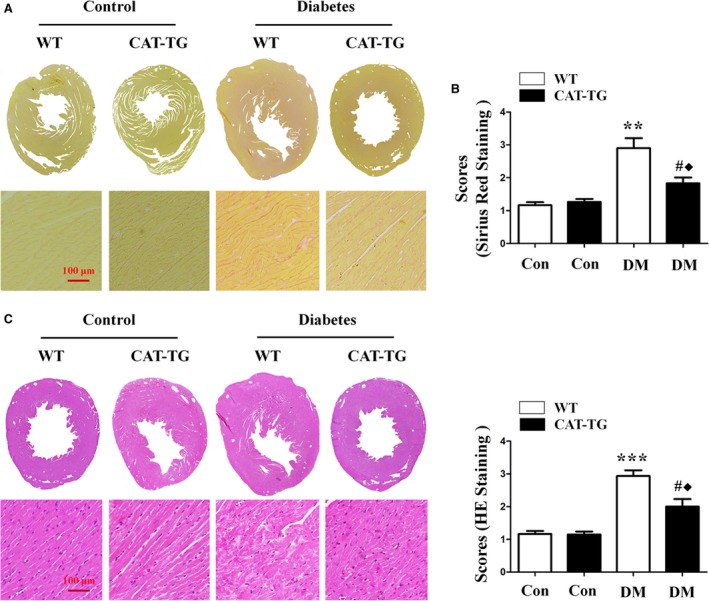
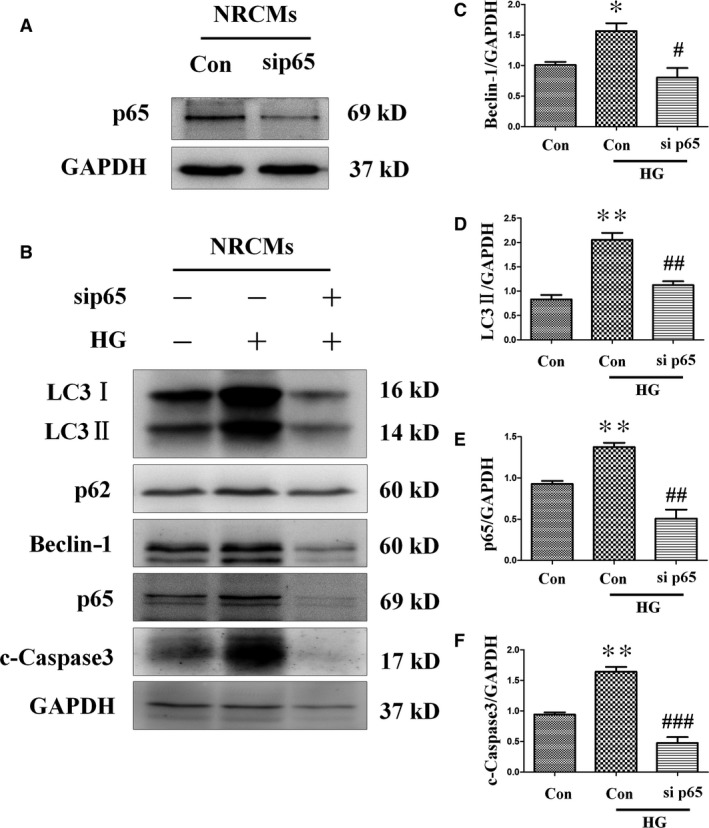
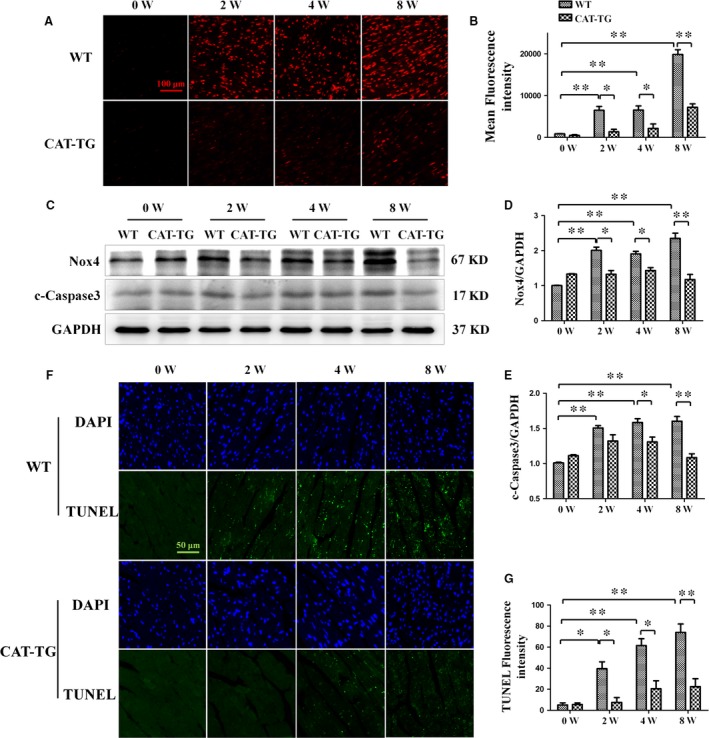
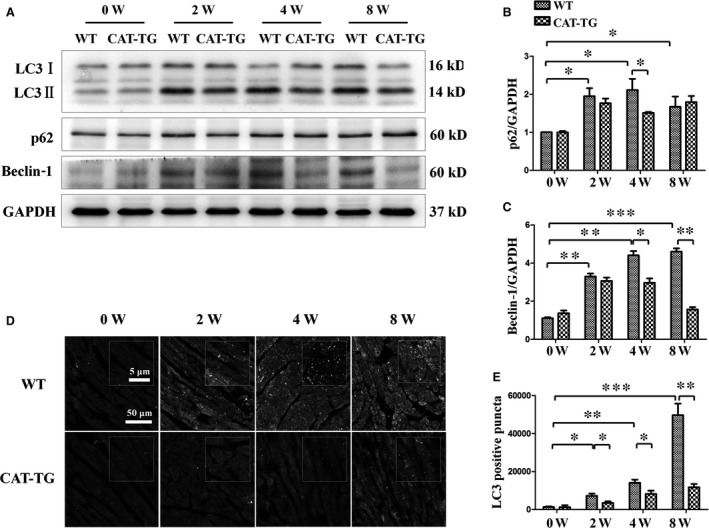
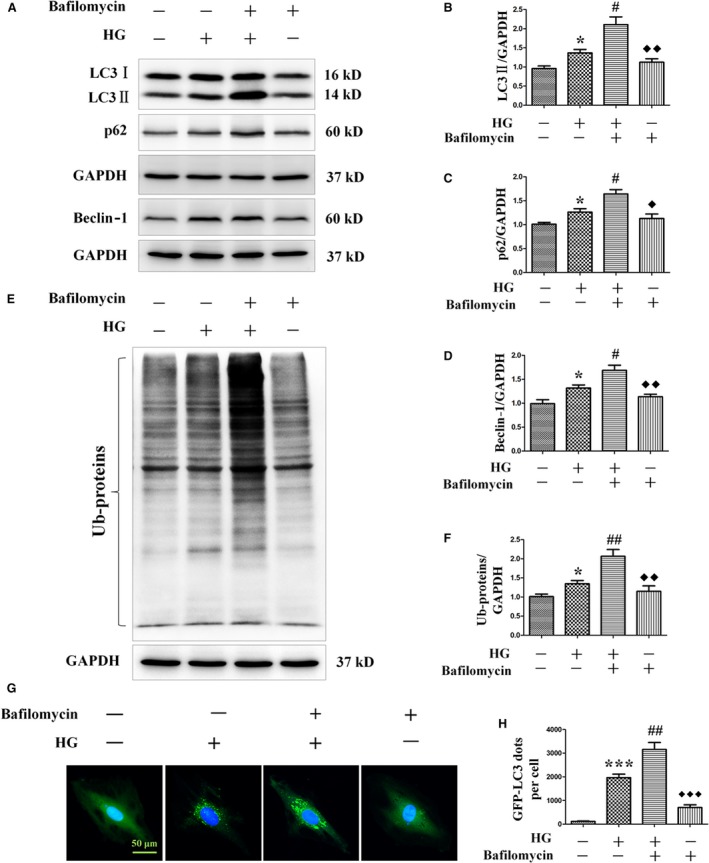
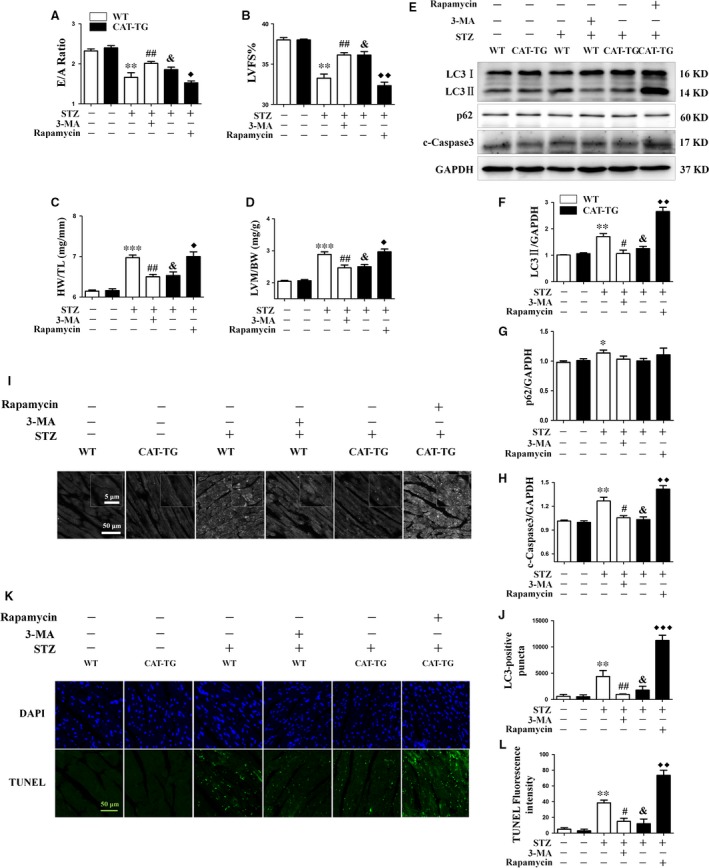
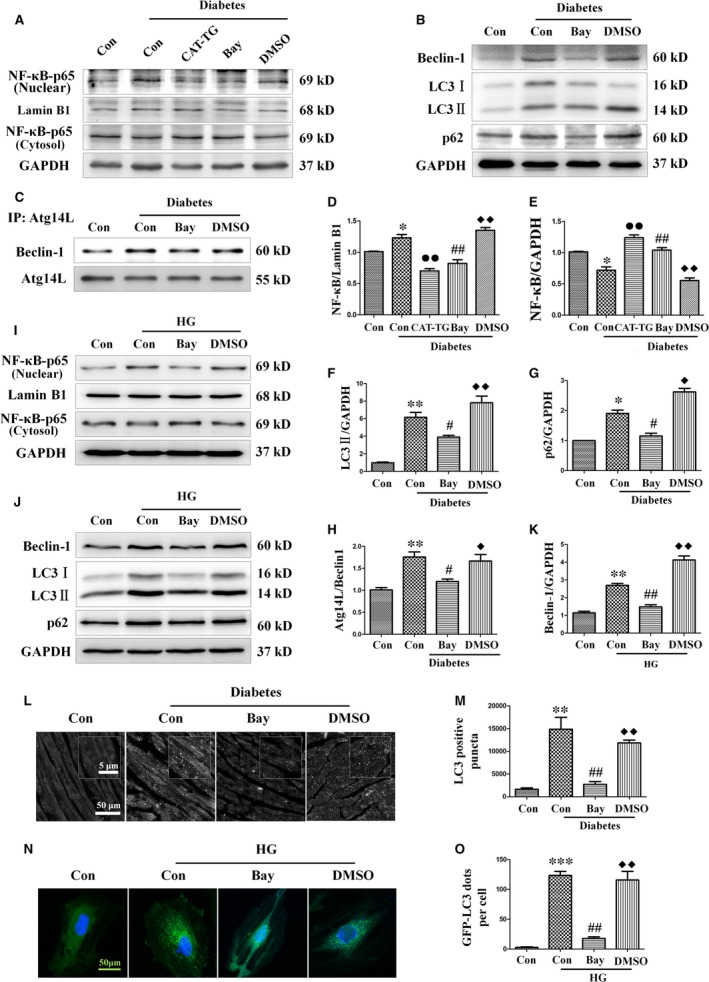
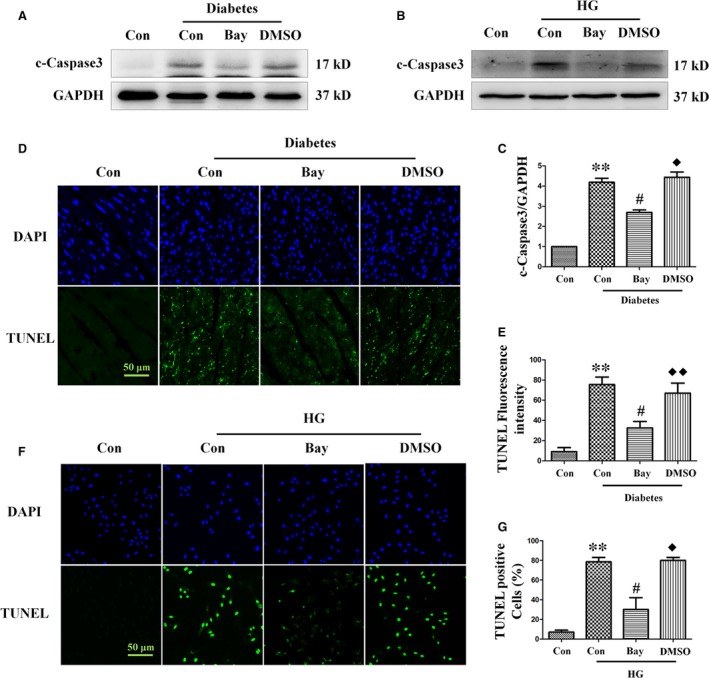
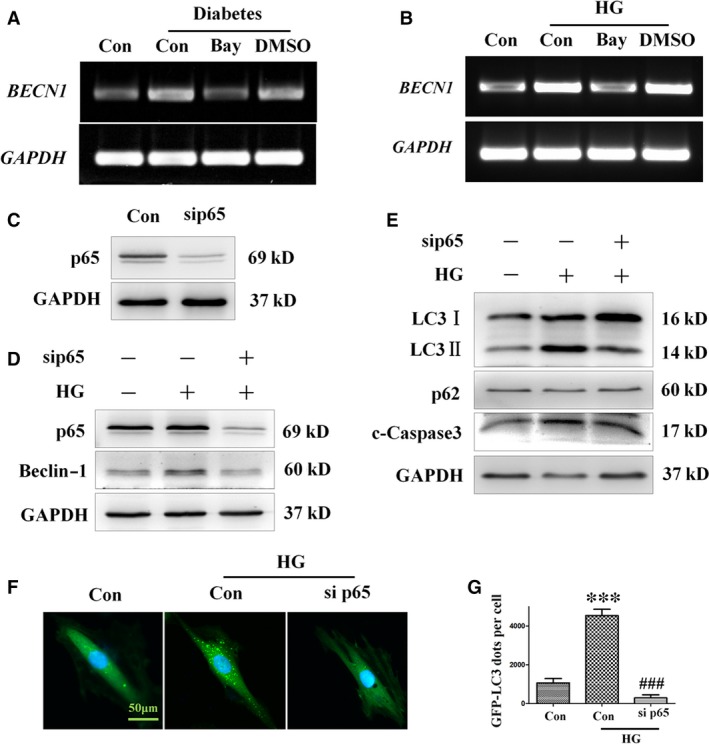
Catalase is an antioxidative enzyme that converts hydrogen peroxide (H O ) produced by superoxide dismutase from highly reactive superoxide (O ) to water and oxygen molecules. Although recent findings demonstrate that catalase, autophagy and the nuclear factor κB (NF-κB) signalling pathway are centrally involved in diabetic cardiomyopathy (DCM), the interplay between the three has not been fully characterized. Thus, the mechanism responsible for catalase-mediated protection against heart injury in diabetic mice was investigated in this study, as well as the role of NF-κB-p65 in the regulation of autophagic flux was investigated in this study. Western blot analysis revealed that catalase inhibited NF-κB activity and decreased LC3-II (microtubule-associated protein 1 light chain 3) and beclin-1 (Atg6) expression. Furthermore, up-regulation of autophagy was detrimental for cardiac function in diabetic mice. Catalase overexpression reduced the level of NF-κB subunit in the nucleus, where it initiates autophagy through activation of the key autophagy gene BECN1. To evaluate the role of the NF-κB pathway in diabetes-induced autophagy, Bay11-7082, an NF-κB inhibitor, was injected into diabetic mice, which suppressed NF-κB and attenuated diabetes-induced autophagy and myocardial apoptosis. In agreement with the in vivo results, Bay11-7082 also inhibited high-glucose-induced activation of NF-κB and the up-regulation of LC3-II and beclin-1 expression in H9c2 cells. In addition, high-glucose-induced activation of autophagic flux and apoptosis were largely attenuated by p65 siRNA, suggesting that catalase ameliorates diabetes-induced autophagy, at least in part by increasing the activity of the NF-κB pathway and p65-mediated transcription of BECN1.
过氧化氢酶是一种抗氧化酶,可将超氧化物歧化酶产生的过氧化氢 (H2O2) 转化为水和氧分子,而超氧化物是由活性氧 (O2-) 产生的。虽然最近的研究结果表明,过氧化氢酶、自噬和核因子-κB (NF-κB) 信号通路在糖尿病心肌病 (DCM) 中起着核心作用,但这三者之间的相互作用尚未完全阐明。因此,本研究旨在探讨过氧化氢酶介导的糖尿病小鼠心脏损伤保护作用的机制,以及 NF-κB-p65 在调节自噬通量中的作用。Western blot 分析显示,过氧化氢酶抑制 NF-κB 活性,降低 LC3-II(微管相关蛋白 1 轻链 3)和 beclin-1(Atg6)的表达。此外,糖尿病小鼠中自噬的上调对心脏功能有害。过氧化氢酶过表达降低了核内 NF-κB 亚单位的水平,NF-κB 通过激活关键自噬基因 BECN1 启动自噬。为了评估 NF-κB 通路在糖尿病诱导的自噬中的作用,向糖尿病小鼠注射 NF-κB 抑制剂 Bay11-7082,抑制 NF-κB 并减弱糖尿病诱导的自噬和心肌细胞凋亡。与体内结果一致,Bay11-7082 还抑制了高葡萄糖诱导的 NF-κB 激活以及 H9c2 细胞中 LC3-II 和 beclin-1 表达的上调。此外,p65 siRNA 显著减弱了高葡萄糖诱导的自噬流和凋亡的激活,表明过氧化氢酶改善了糖尿病诱导的自噬,至少部分是通过增加 NF-κB 通路的活性和 p65 介导的 BECN1 转录。