Yan Hui, Ajuwon Kolapo M
Department of Animal Sciences, Purdue University, West Lafayette, Indiana, United States of America.
PLoS One. 2017 Jun 27;12(6):e0179586. doi: 10.1371/journal.pone.0179586. eCollection 2017.
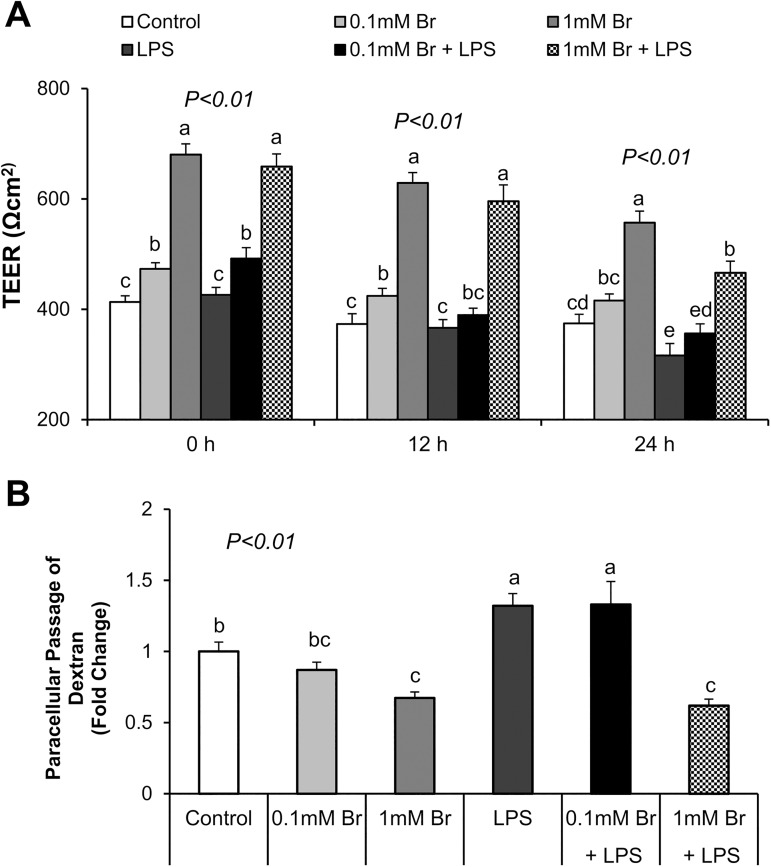
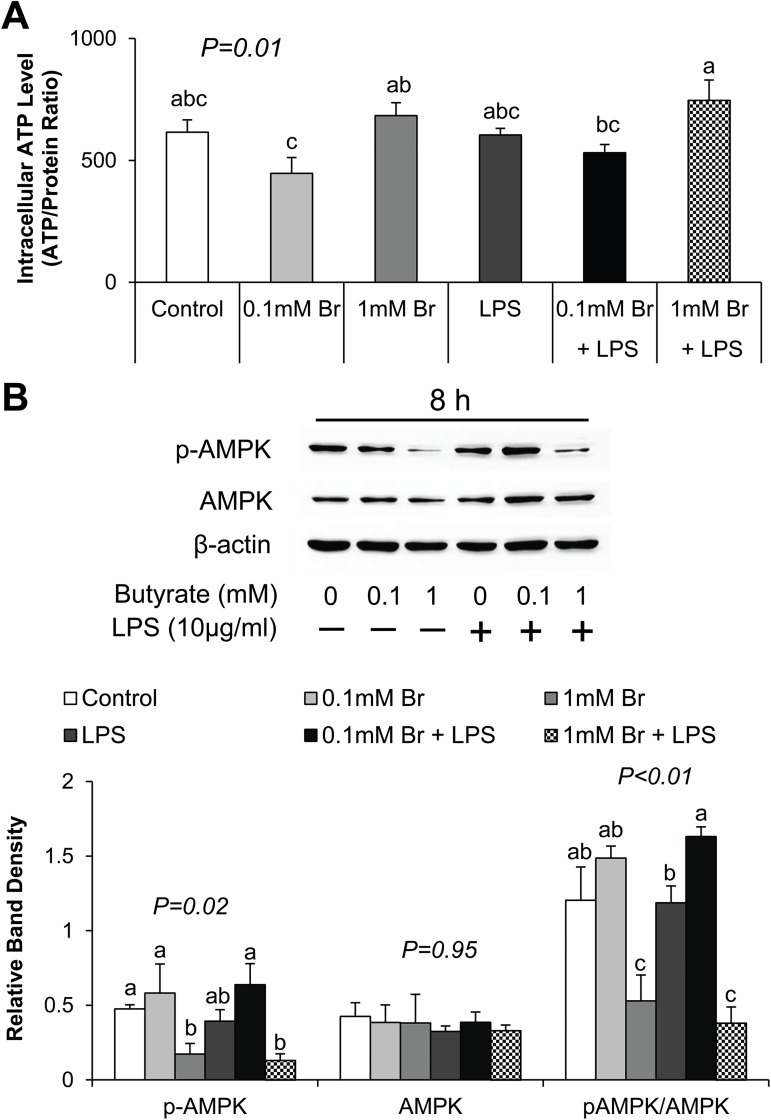
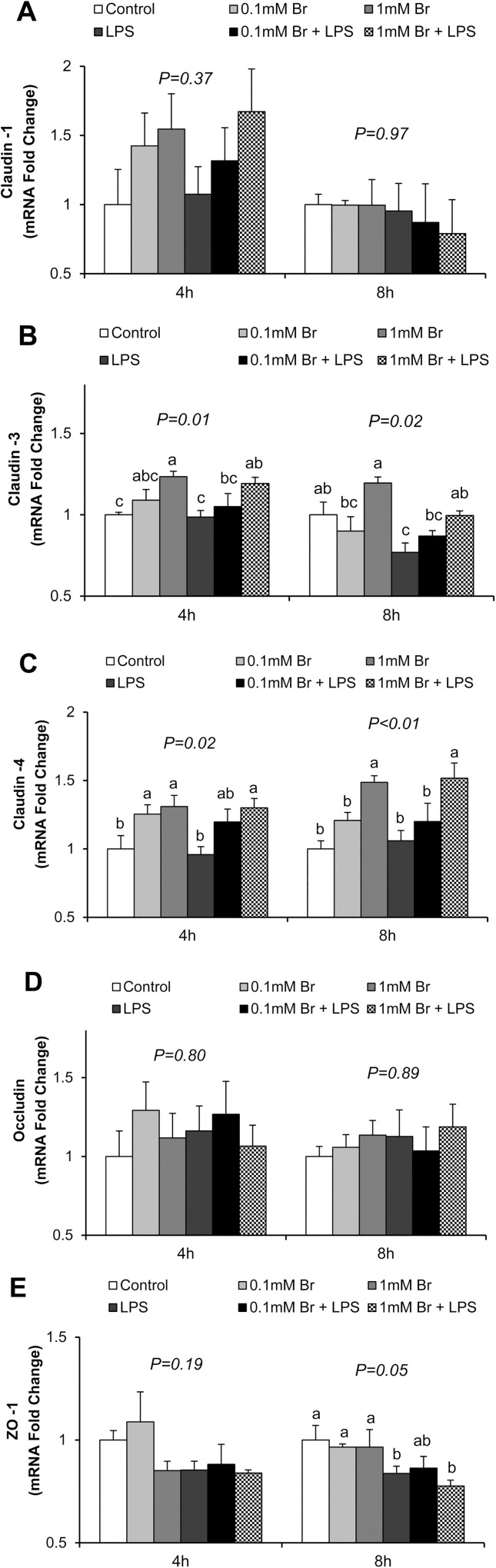
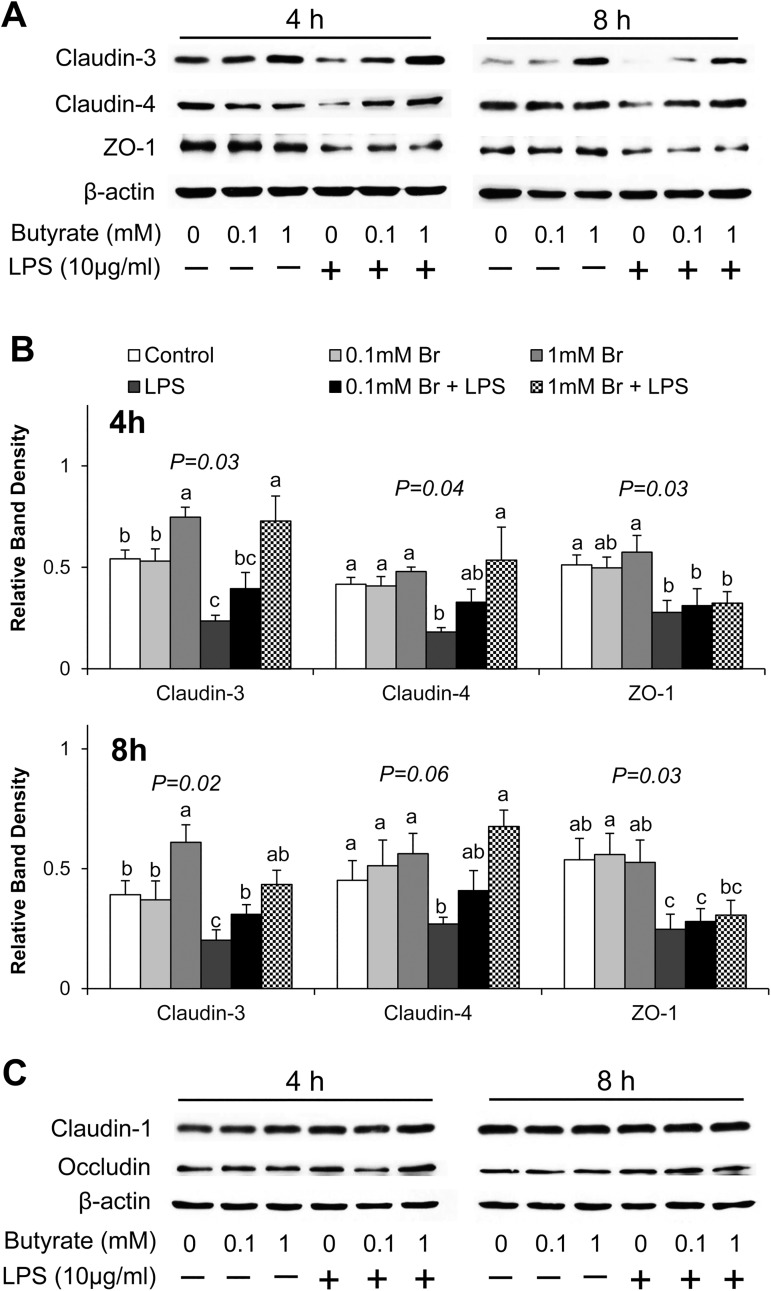
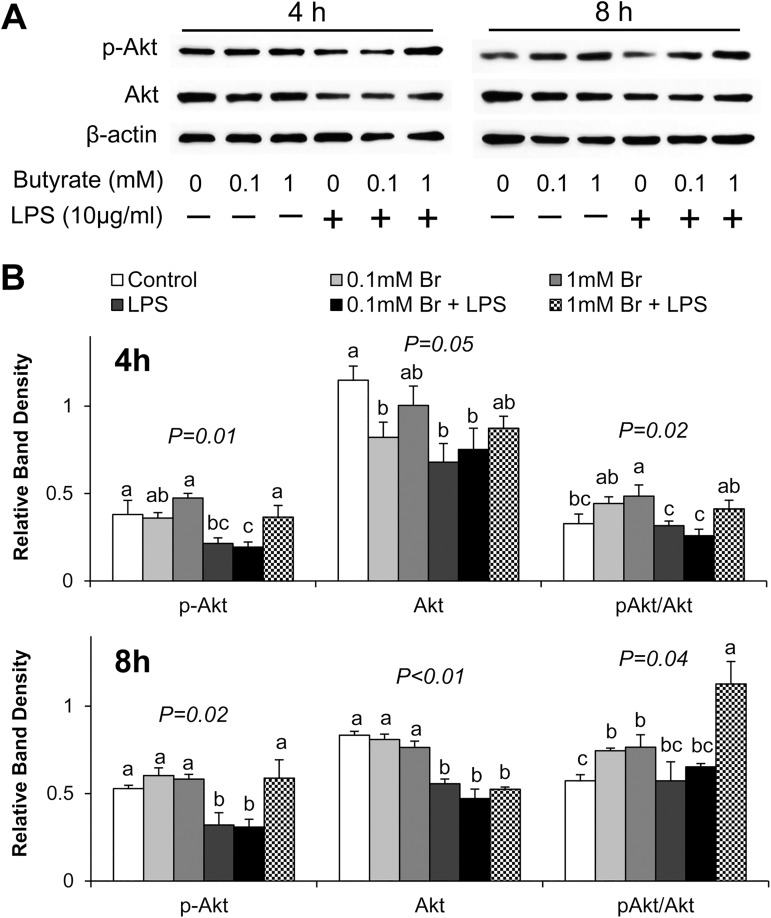
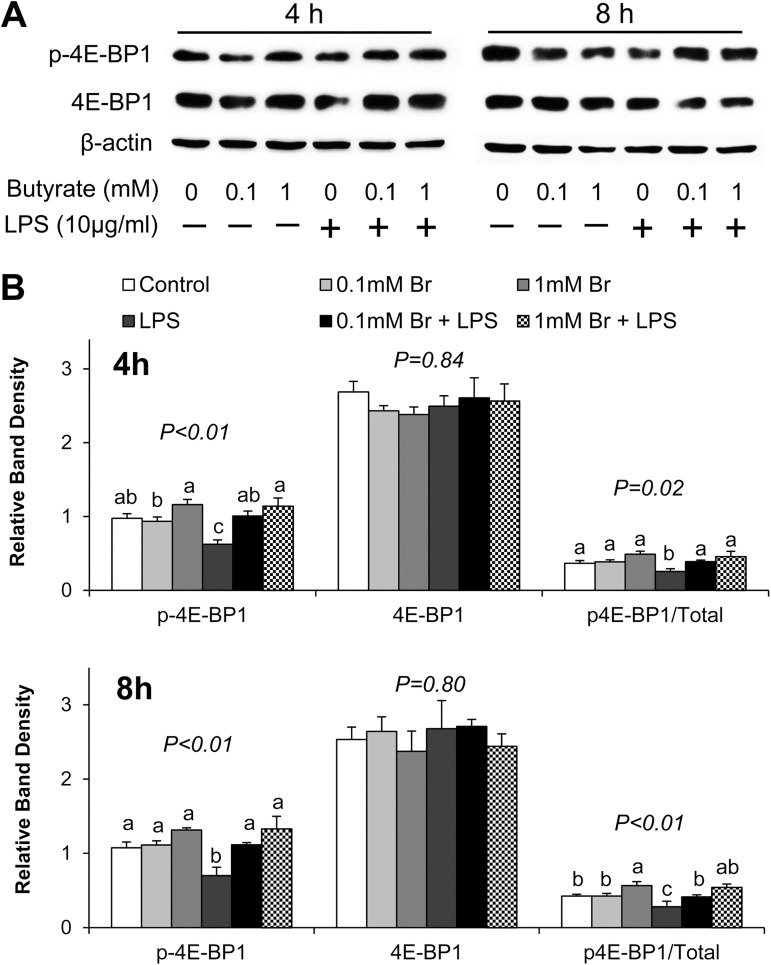
The intestinal epithelial barrier, composed of epithelial cells, tight junction proteins and intestinal secretions, prevents passage of luminal substances and antigens through the paracellular space. Dysfunction of the intestinal barrier integrity induced by toxins and pathogens is associated with a variety of gastrointestinal disorders and diseases. Although butyrate is known to enhance intestinal health, its role in the protection of intestinal barrier function is poorly characterized. Therefore, we investigated the effect of butyrate on intestinal epithelial integrity and tight junction permeability in a model of LPS-induced inflammation in IPEC-J2 cells. Butyrate dose-dependently reduced LPS impairment of intestinal barrier integrity and tight junction permeability, measured by trans-epithelial electrical resistance (TEER) and paracellular uptake of fluorescein isothiocyanate-dextran (FITC-dextran). Additionally, butyrate increased both mRNA expression and protein abundance of claudins-3 and 4, and influenced intracellular ATP concentration in a dose-dependent manner. Furthermore, butyrate prevented the downregulation of Akt and 4E-BP1 phosphorylation by LPS, indicating that butyrate might enhance tight junction protein abundance through mechanisms that included activation of Akt/mTOR mediated protein synthesis. The regulation of AMPK activity and intracellular ATP level by butyrate indicates that butyrate might regulate energy status of the cell, perhaps by serving as a nutrient substrate for ATP synthesis, to support intestinal epithelial barrier tight junction protein abundance. Our findings suggest that butyrate might protect epithelial cells from LPS-induced impairment of barrier integrity through an increase in the synthesis of tight junction proteins, and perhaps regulation of energy homeostasis.
肠道上皮屏障由上皮细胞、紧密连接蛋白和肠道分泌物组成,可防止肠腔内物质和抗原通过细胞旁间隙。毒素和病原体引起的肠道屏障完整性功能障碍与多种胃肠道疾病相关。尽管已知丁酸盐可促进肠道健康,但其在保护肠道屏障功能中的作用仍不清楚。因此,我们在IPEC-J2细胞脂多糖(LPS)诱导的炎症模型中研究了丁酸盐对肠道上皮完整性和紧密连接通透性的影响。通过跨上皮电阻(TEER)和异硫氰酸荧光素-葡聚糖(FITC-葡聚糖)的细胞旁摄取来测量,丁酸盐剂量依赖性地降低了LPS对肠道屏障完整性和紧密连接通透性的损害。此外,丁酸盐增加了claudin-3和4的mRNA表达和蛋白丰度,并以剂量依赖性方式影响细胞内ATP浓度。此外,丁酸盐可防止LPS导致的Akt和4E-BP1磷酸化下调,表明丁酸盐可能通过包括激活Akt/mTOR介导的蛋白质合成在内的机制增强紧密连接蛋白的丰度。丁酸盐对AMPK活性和细胞内ATP水平的调节表明,丁酸盐可能通过作为ATP合成的营养底物来调节细胞的能量状态,以支持肠道上皮屏障紧密连接蛋白的丰度。我们的研究结果表明,丁酸盐可能通过增加紧密连接蛋白的合成以及可能调节能量稳态来保护上皮细胞免受LPS诱导的屏障完整性损害。