Angara Kartik, Borin Thaiz F, Arbab Ali S
Laboratory of Tumor Angiogenesis, Georgia Cancer Center, Department of Biochemistry and Molecular Biology, Augusta University, Augusta, GA, USA.
Laboratory of Tumor Angiogenesis, Georgia Cancer Center, Department of Biochemistry and Molecular Biology, Augusta University, Augusta, GA, USA.
Transl Oncol. 2017 Aug;10(4):650-660. doi: 10.1016/j.tranon.2017.04.007. Epub 2017 Jun 29.
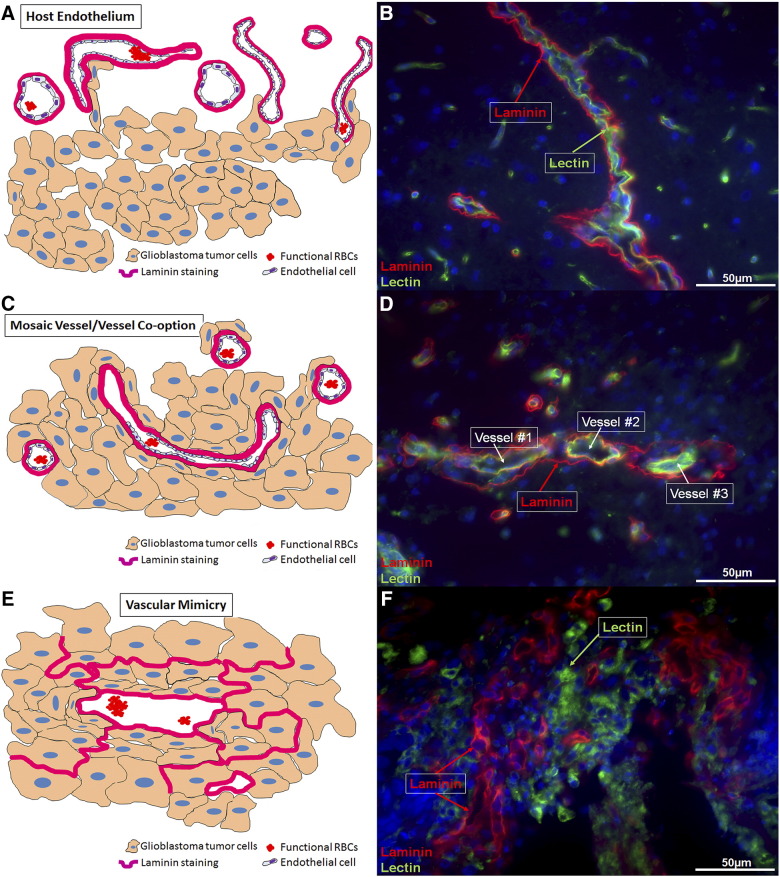
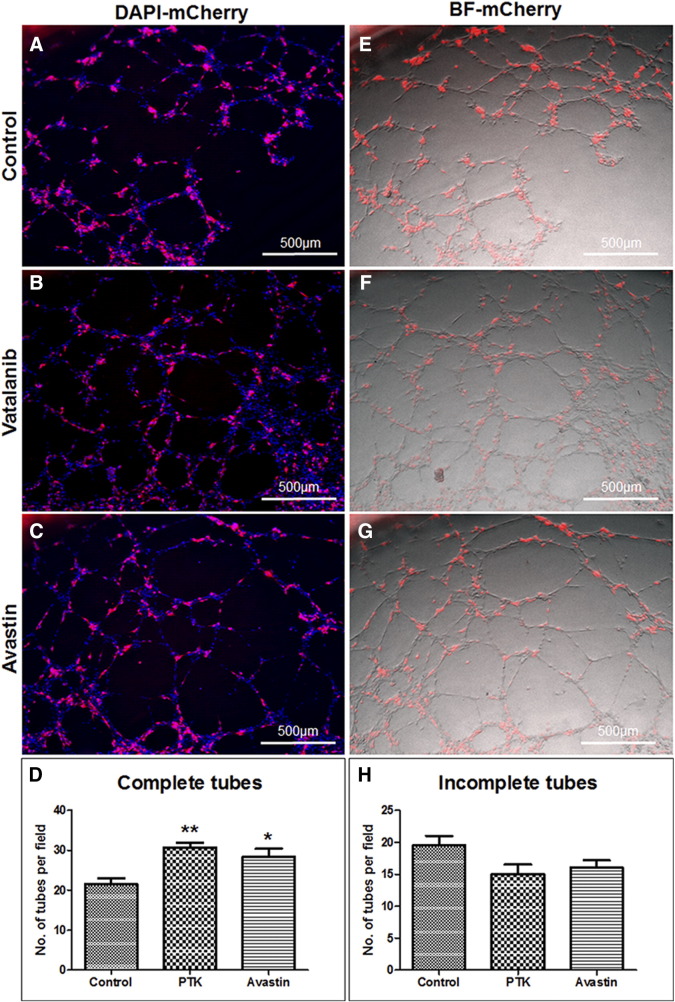
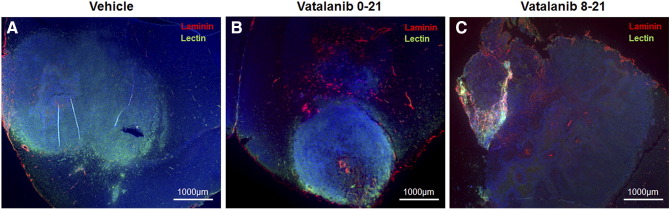
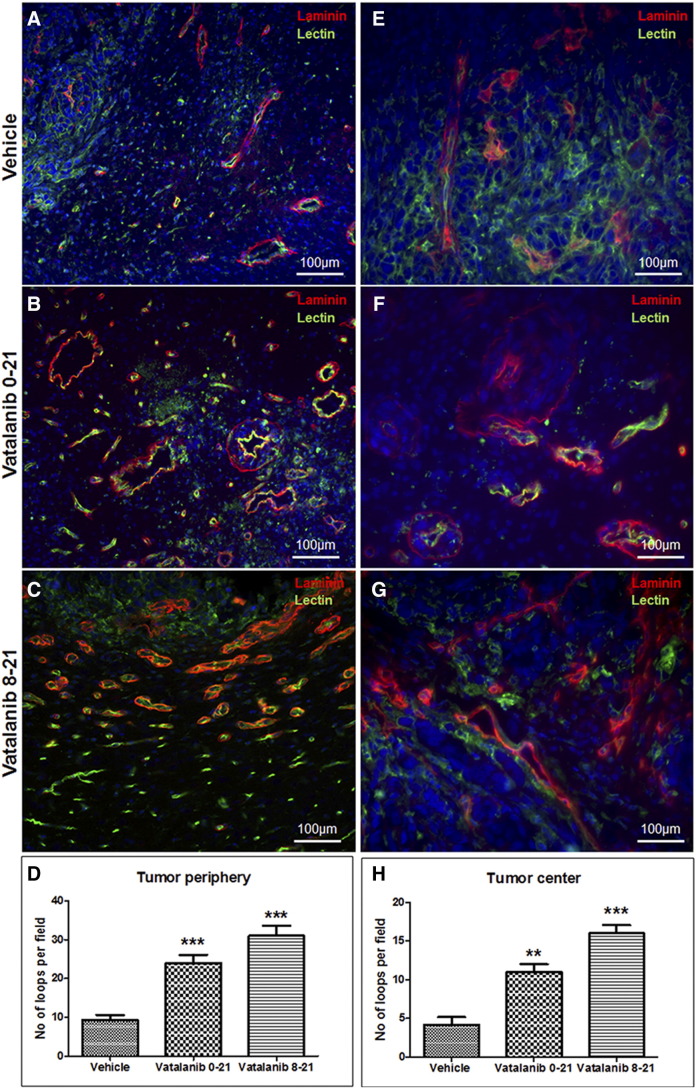
Glioblastoma (GBM) is a hypervascular neoplasia of the central nervous system with an extremely high rate of mortality. Owing to its hypervascularity, anti-angiogenic therapies (AAT) have been used as an adjuvant to the traditional surgical resection, chemotherapy, and radiation. The benefits of AAT have been transient and the tumors were shown to relapse faster and demonstrated particularly high rates of AAT therapy resistance. Alternative neovascularization mechanisms were shown to be at work in these resilient tumors to counter the AAT therapy insult. Vascular Mimicry (VM) is the uncanny ability of tumor cells to acquire endothelial-like properties and lay down vascular patterned networks reminiscent of host endothelial blood vessels. The VM channels served as an irrigation system for the tumors to meet with the increasing metabolic and nutrient demands of the tumor in the event of the ensuing hypoxia resulting from AAT. In our previous studies, we have demonstrated that AAT accelerates VM in GBM. In this review, we will focus on the origins of VM, visualizing VM in AAT-treated tumors and the development of VM as a resistance mechanism to AAT.
胶质母细胞瘤(GBM)是一种中枢神经系统的高血管性肿瘤,死亡率极高。由于其高血管性,抗血管生成疗法(AAT)已被用作传统手术切除、化疗和放疗的辅助手段。AAT的益处是短暂的,肿瘤显示出更快的复发,并且表现出特别高的AAT治疗抗性。在这些具有韧性的肿瘤中,已证明存在其他血管生成机制来对抗AAT治疗的损害。血管拟态(VM)是肿瘤细胞获得内皮样特性并形成类似于宿主内皮血管的血管模式网络的奇特能力。在AAT导致随后的缺氧情况下,VM通道作为肿瘤的灌溉系统,以满足肿瘤不断增加的代谢和营养需求。在我们之前的研究中,我们已经证明AAT会加速GBM中的VM。在这篇综述中,我们将重点关注VM的起源、在接受AAT治疗的肿瘤中可视化VM以及VM作为AAT抗性机制的发展。