Zhao Yu, Yang Chuntao, Organ Chelsea, Li Zhen, Bhushan Shashi, Otsuka Hiro, Pacheco Armando, Kang Jianming, Aguilar Hector C, Lefer David J, Xian Ming
Department of Chemistry, Washington State University , Pullman, Washington 99164, United States.
Department of Physiology, Guangzhou Medical University , Guangzhou 511436, China.
J Med Chem. 2015 Sep 24;58(18):7501-11. doi: 10.1021/acs.jmedchem.5b01033. Epub 2015 Sep 4.
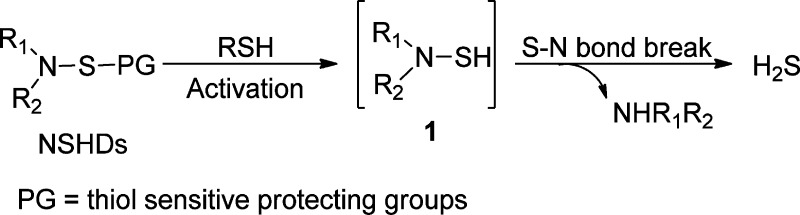
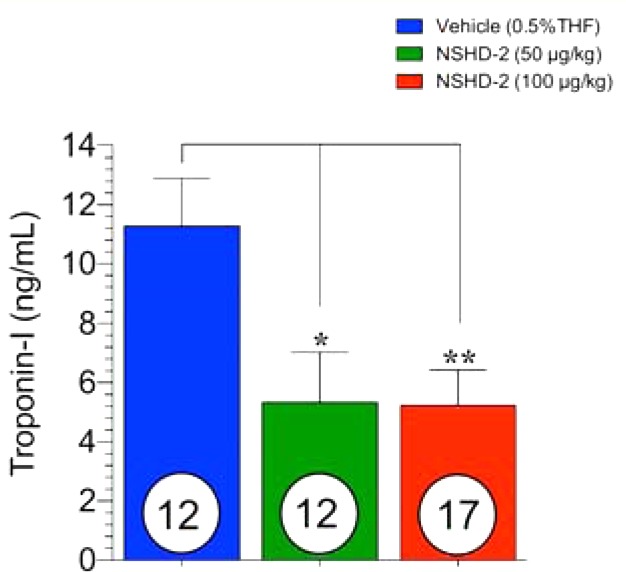
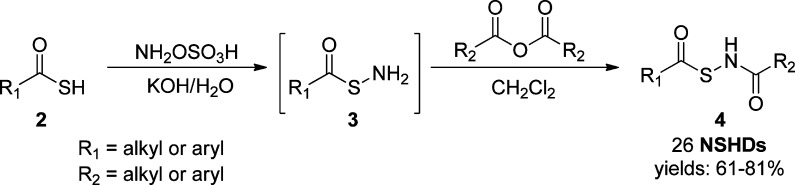
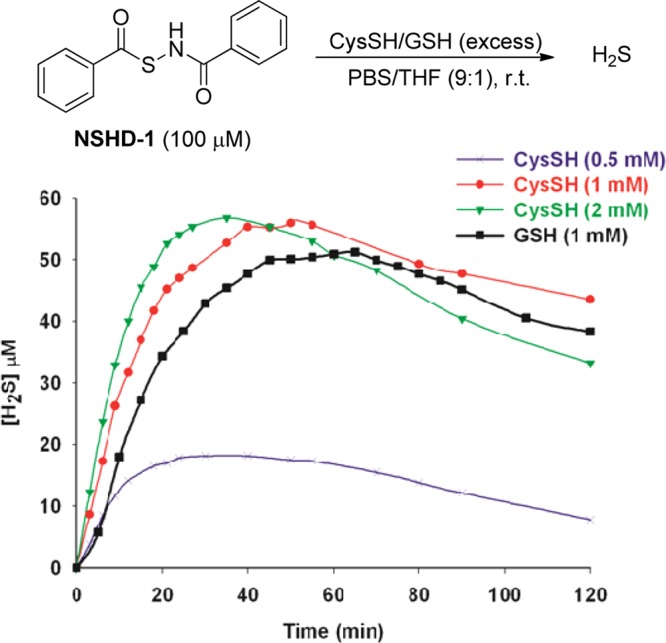
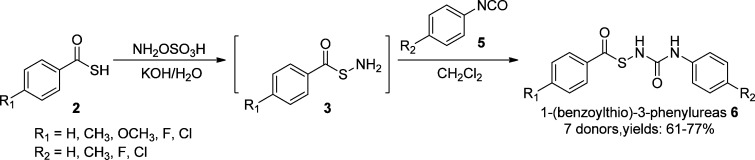
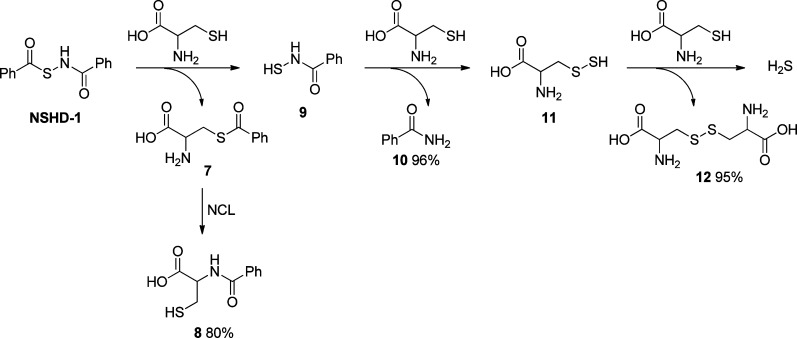
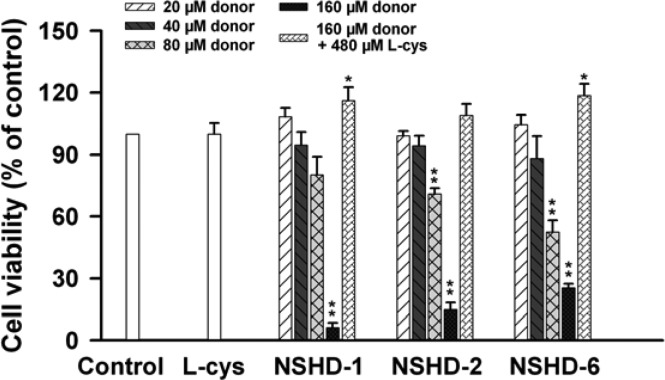
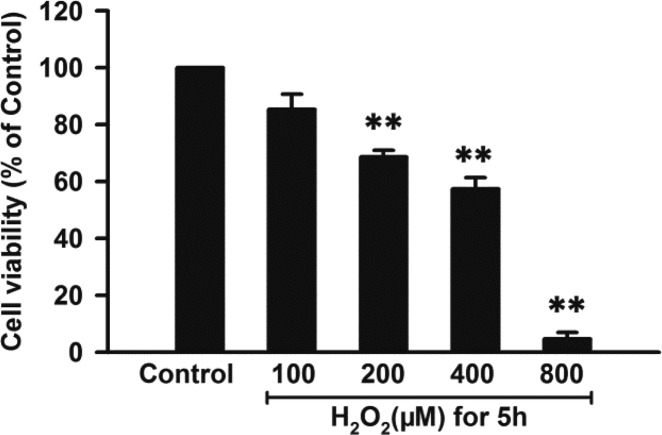
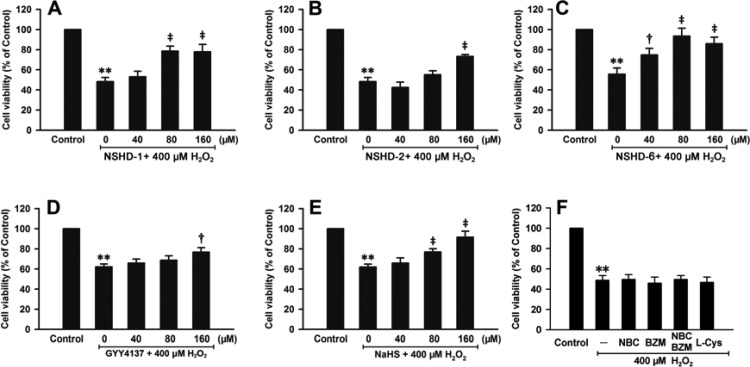
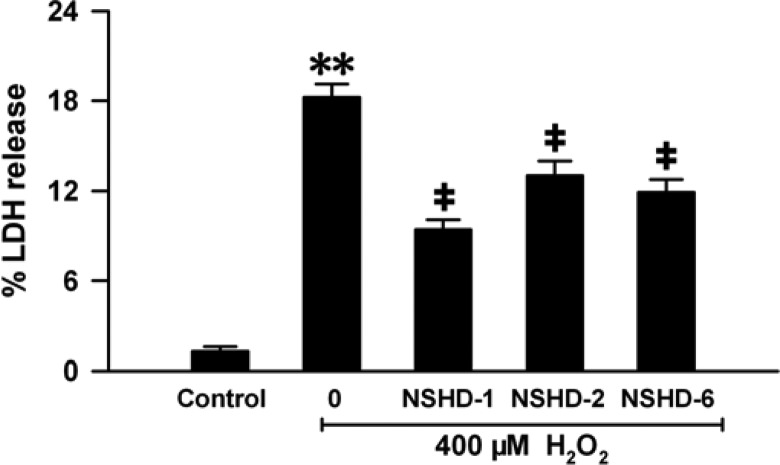
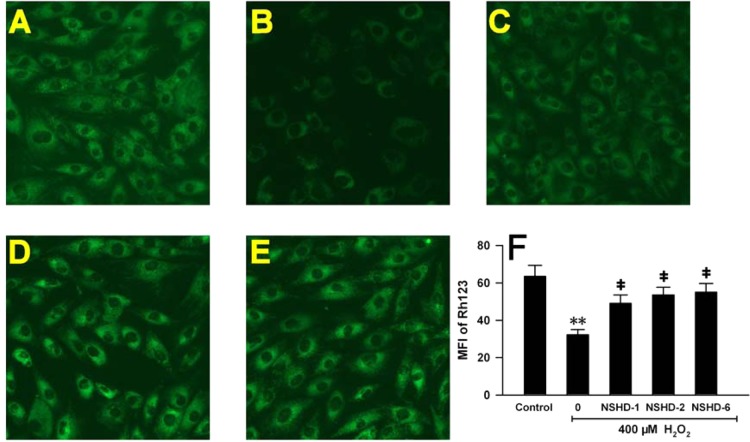
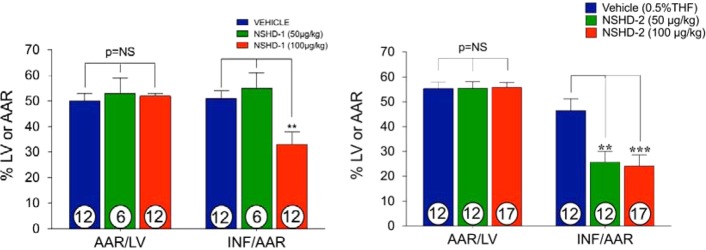
Hydrogen sulfide (H2S) is a signaling molecule which plays regulatory roles in many physiological and/or pathological processes. Therefore, regulation of H2S levels could have great potential therapeutic value. In this work, we report the design, synthesis, and evaluation of a class of N-mercapto (N-SH)-based H2S donors. Thirty-three donors were synthesized and tested. Our results indicated that controllable H2S release from these donors could be achieved upon structural modifications. Selected donors (NSHD-1, NSHD-2, and NSHD-6) were tested in cellular models of oxidative damage and showed significant cytoprotective effects. Moreover, NSHD-1 and NSHD-2 were also found to exhibit potent protective effects in a murine model of myocardial ischemia reperfusion (MI/R) injury.
硫化氢(H₂S)是一种信号分子,在许多生理和/或病理过程中发挥调节作用。因此,调节H₂S水平可能具有巨大的潜在治疗价值。在这项工作中,我们报告了一类基于N-巯基(N-SH)的H₂S供体的设计、合成和评估。合成并测试了33种供体。我们的结果表明,通过结构修饰可以实现这些供体可控的H₂S释放。选择的供体(NSHD-1、NSHD-2和NSHD-6)在氧化损伤的细胞模型中进行了测试,并显示出显著的细胞保护作用。此外,还发现NSHD-1和NSHD-2在心肌缺血再灌注(MI/R)损伤的小鼠模型中表现出强大的保护作用。