Ran Shujun, Sun Ning, Liu Yun, Zhang Wu, Li Yiming, Wei Limin, Wang Jia, Liu Bin
Department of Endodontics and Operative Dentistry Ninth People's Hospital Shanghai Jiao Tong University School of Medicine Shanghai Key Laboratory of Stomatology Shanghai China.
Department of Physiology and Pathophysiology Fudan University Shanghai China.
FEBS Open Bio. 2017 Jun 5;7(7):968-980. doi: 10.1002/2211-5463.12236. eCollection 2017 Jul.
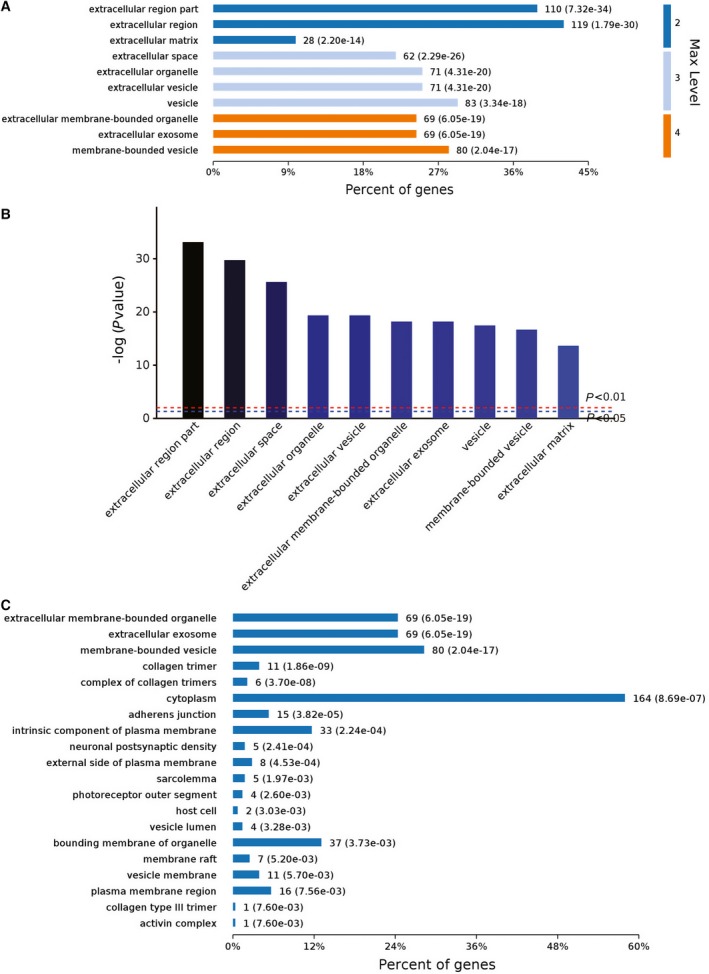
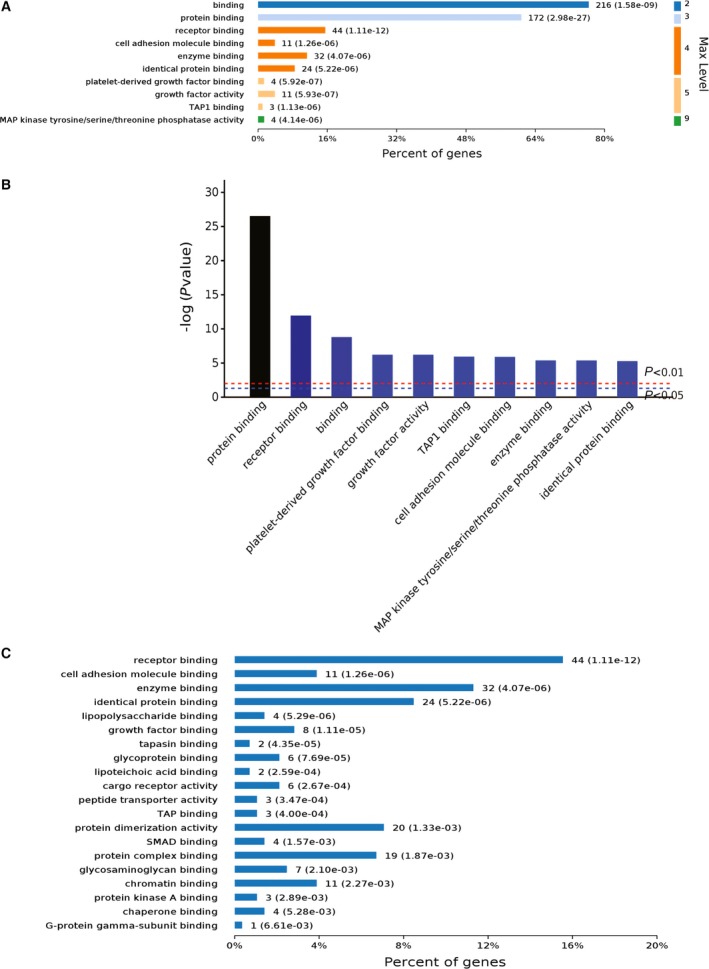
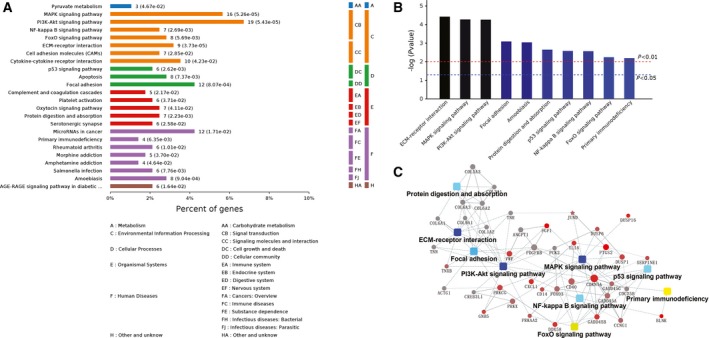
Fluorine is a bone-seeking element ubiquitously present in the environment and widely used in many oral hygiene products. In humans, excessive intake of fluoride may cause dental and skeletal fluorosis. However, endemic fluorosis does not appear to develop in a proportion of individuals exposed to the same levels of fluoride. The mechanisms by which mammalian cells resist fluoride are still unclear. In this study, we developed strains of mouse L-929 cells resistant to different levels of fluoride. High-throughput RNA-sequencing analyses of the fluoride-resistant L-929 cells indicated that massive changes in global gene expression occurred, compared with the wild-type L-929 cells. The main biological processes and functions changed were associated with the extracellular region and matrix, response to stress, receptor binding, and signal transduction. This indicated that high doses of fluoride not only exerted stress on L-929 cells but also induced functional pathways that helped them adapt to the presence of fluoride or to expel it. These data should prove useful in identifying cellular processes or transporters/channels that play central roles in adaptation to or expulsion of fluoride in humans.
氟是一种在环境中普遍存在且广泛应用于许多口腔卫生产品中的亲骨元素。在人类中,过量摄入氟可能导致牙齿和骨骼氟中毒。然而,在接触相同水平氟的一部分个体中,似乎并未出现地方性氟中毒。哺乳动物细胞抵抗氟的机制仍不清楚。在本研究中,我们构建了对不同水平氟具有抗性的小鼠L-929细胞株。对耐氟L-929细胞进行的高通量RNA测序分析表明,与野生型L-929细胞相比,全局基因表达发生了大量变化。发生改变的主要生物学过程和功能与细胞外区域和基质、应激反应、受体结合及信号转导有关。这表明高剂量的氟不仅对L-929细胞施加了压力,还诱导了有助于它们适应氟的存在或排出氟的功能途径。这些数据对于识别在人类适应或排出氟过程中起核心作用的细胞过程或转运蛋白/通道应是有用的。