Bouzarovski Stefan, Tirado Herrero Sergio
The University of Manchester, UK.
Eur Urban Reg Stud. 2017 Jan;24(1):69-86. doi: 10.1177/0969776415596449. Epub 2016 Jul 26.
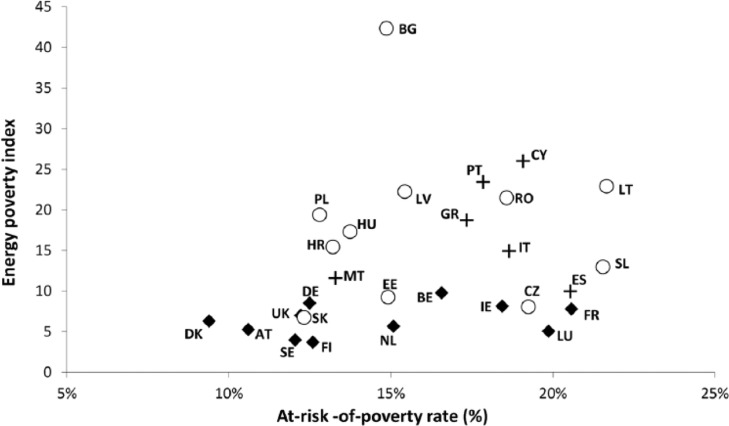
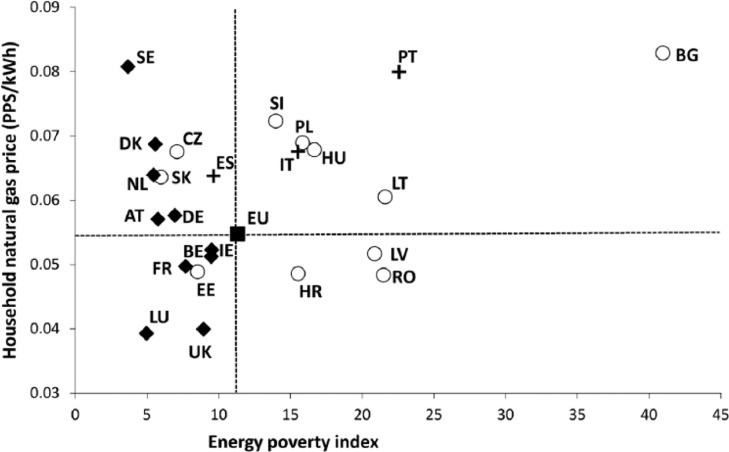
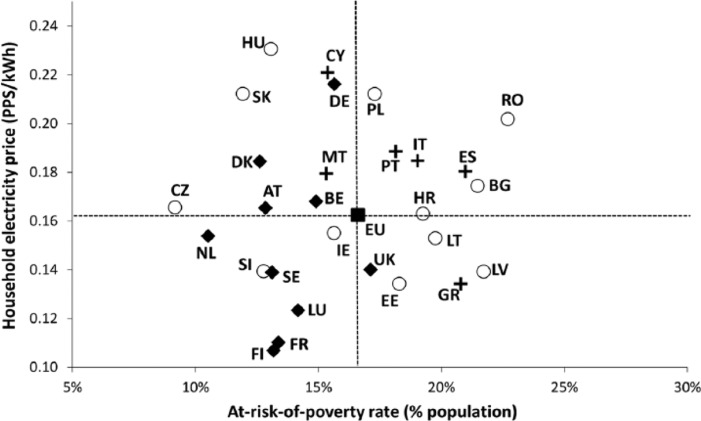
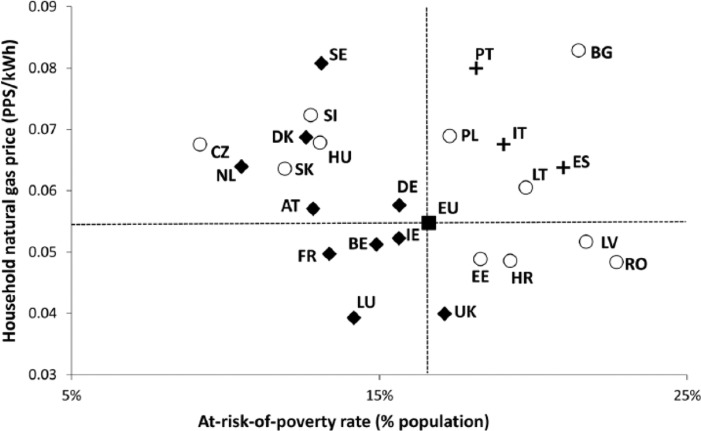
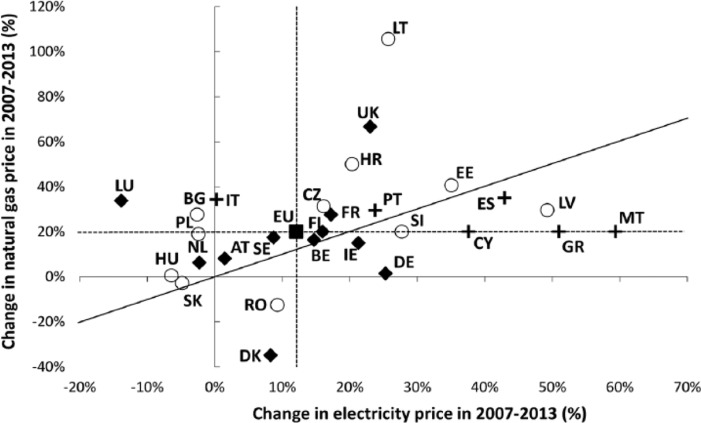
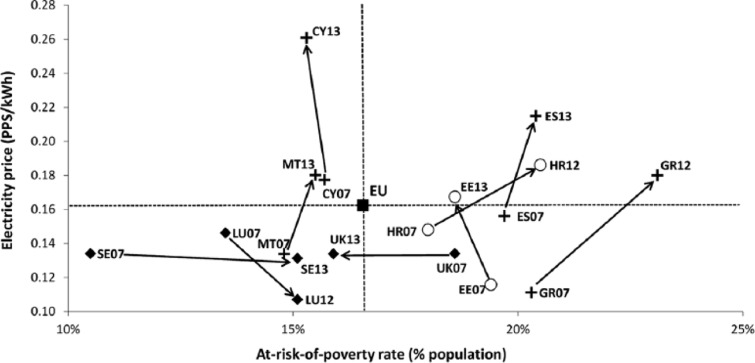
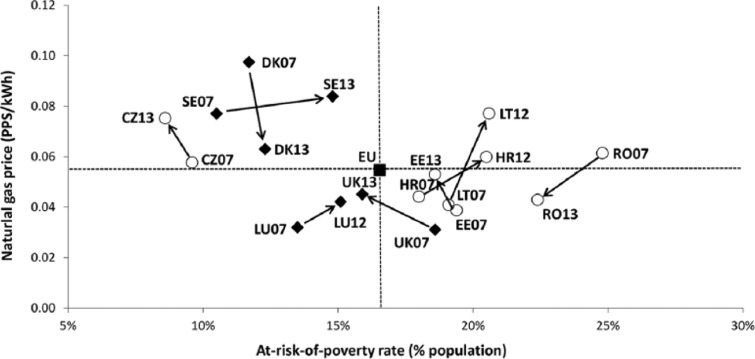
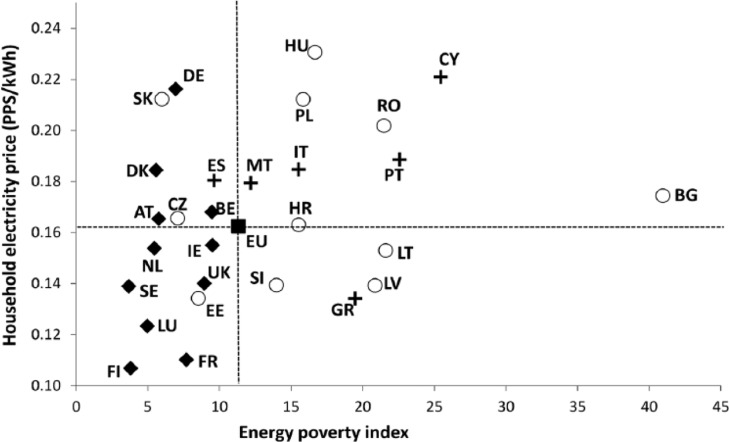
Energy poverty can be understood as the inability of a household to secure a socially and materially necessitated level of energy services in the home. While the condition is widespread across Europe, its spatial and social distribution is highly uneven. In this paper, the existence of a geographical energy poverty divide in the European Union (EU) provides a starting point for conceptualizing and exploring the relationship between energy transitions - commonly described as wide-ranging processes of socio-technical change - and existing patterns of regional economic inequality. We have undertaken a comprehensive analysis of spatial and temporal trends in the national-scale patterns of energy poverty, as well as gas and electricity prices. The results of our work indicate that the classic economic development distinction between the core and periphery also holds true in the case of energy poverty, as the incidence of this phenomenon is significantly higher in Southern and Eastern European EU Member States. The paper thus aims to provide the building blocks for a novel theoretical integration of questions of path-dependency, uneven development and material deprivation in existing interpretations of energy transitions.
能源贫困可被理解为家庭无法在家中获得社会和物质所需水平的能源服务。虽然这种情况在欧洲普遍存在,但其空间和社会分布极不均衡。在本文中,欧盟存在的地理能源贫困鸿沟为概念化和探索能源转型(通常被描述为广泛的社会技术变革过程)与区域经济不平等的现有模式之间的关系提供了一个起点。我们对国家层面能源贫困模式以及天然气和电力价格的时空趋势进行了全面分析。我们的研究结果表明,核心与边缘之间经典的经济发展差异在能源贫困方面同样适用,因为这种现象在欧盟南欧和东欧成员国的发生率明显更高。因此,本文旨在为在现有能源转型解释中对路径依赖、不均衡发展和物质匮乏问题进行新的理论整合提供基础。