Milanesio Daniele, Saccani Maurice, Maggiora Riccardo, Laurino Daniela, Porporato Marco
Politecnico di Torino Dipartimento di Elettronica e Telecomunicazioni (DET) Torino Italy.
Dipartimento di Scienze Agrarie, Forestali e Alimentari (DISAFA) Universitá degli Studi di Torino Torino Italy.
Ecol Evol. 2017 May 18;7(13):4599-4606. doi: 10.1002/ece3.3053. eCollection 2017 Jul.
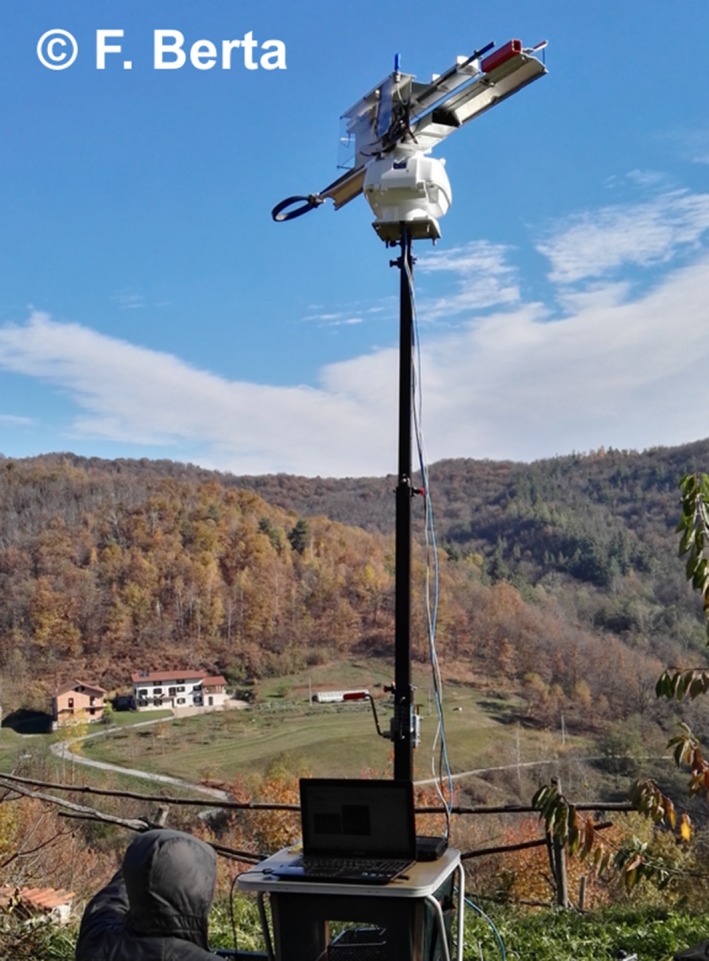
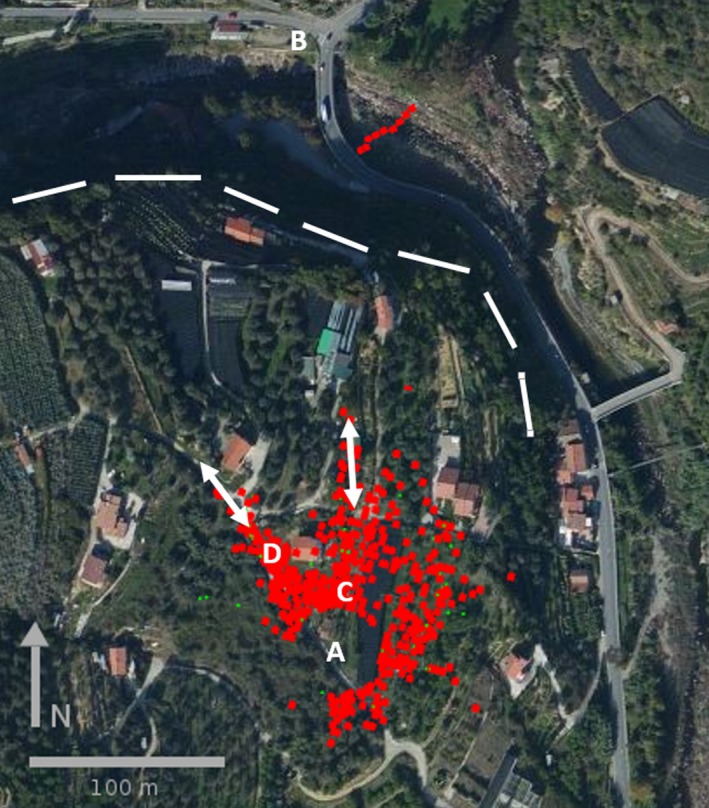
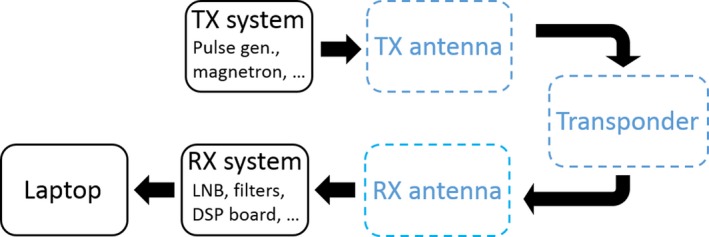
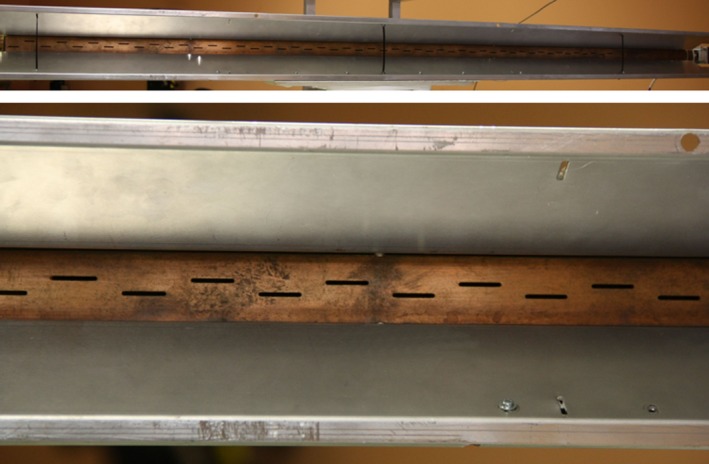
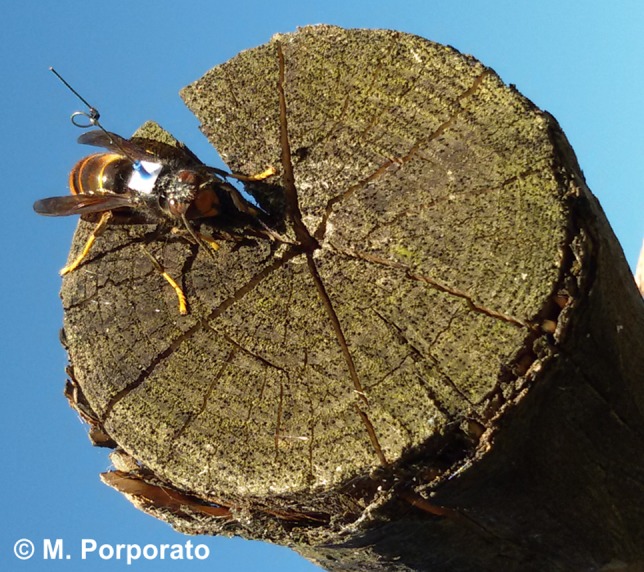
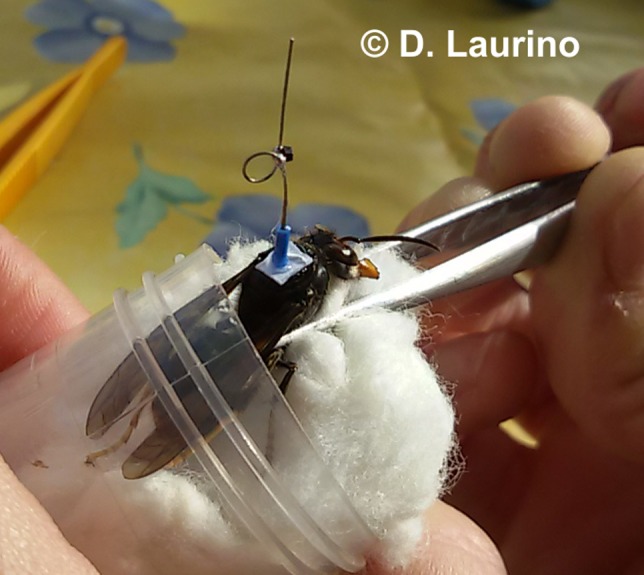
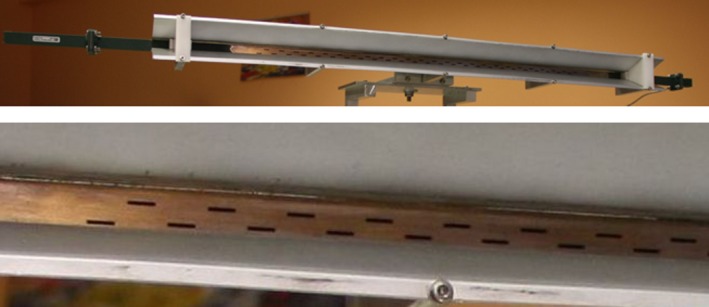
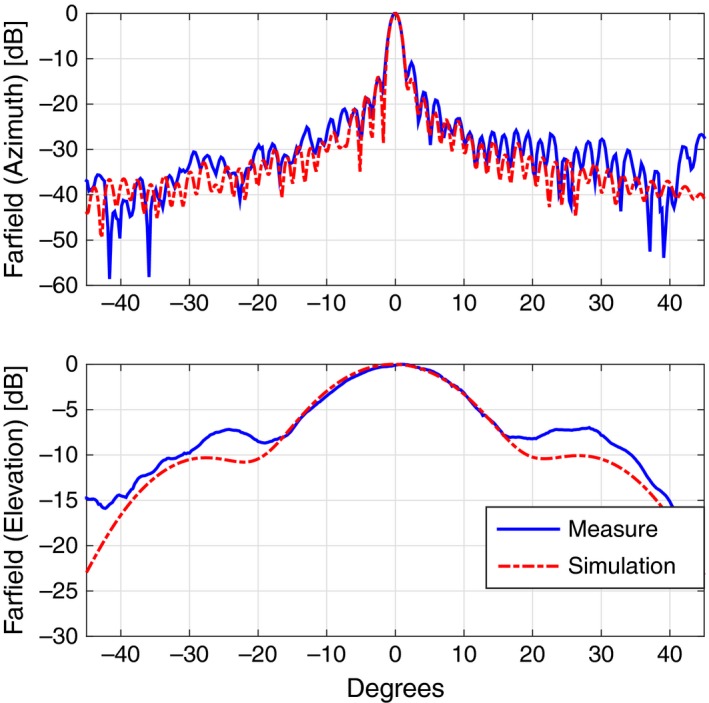
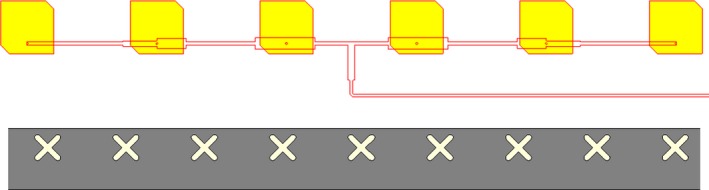
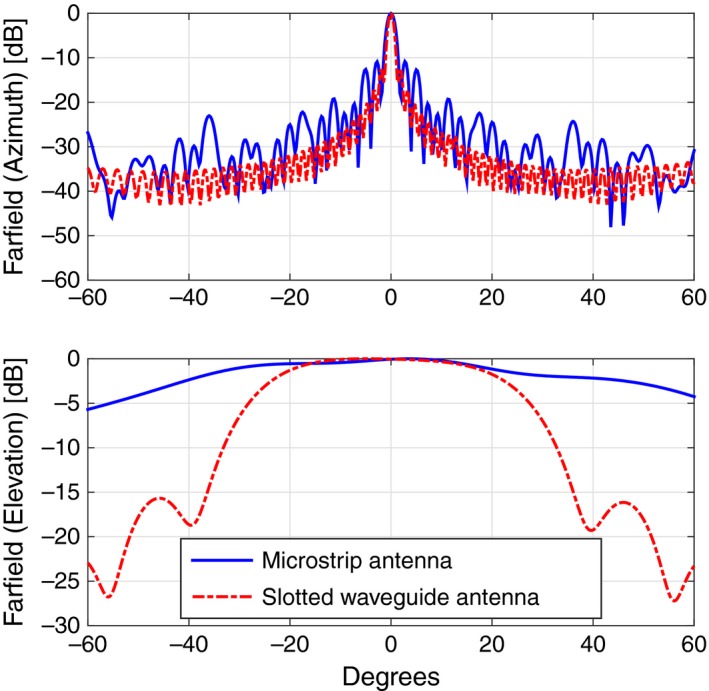
The yellow-legged Asian hornet is an invasive species of wasps, indigenous of the South-East Asia but quickly spreading in Southern Europe. Because of its exponential diffusion and its serious threat to the local honey bee colonies and to humans as well, restraint measures are under investigation. Among them, the harmonic radar described in (Ecology and Evolution, 6, 2016 and 2170) already proved to be a quite effective way to follow the hornets to their nests; it is in fact capable of tracking the flying trajectory of these insects, once equipped with a small transponder, in their natural environment. The aforementioned harmonic radar was upgraded after a period of intense experimentation; the capture of the hornets was enhanced as well, and other improvements were adopted in the mounting procedure of the transponder. Thanks to these upgrades, the flying capabilities of the hornets were not reduced and a huge collection of data was recorded. The main upgrade to the radar was the adoption of the vertical polarization of the radiated field, with the consequent redesign and manufacturing of the antennas and the different mounting of the transceiver on the insect. The installation of the radar on a telescopic tower drastically improved the maneuverability of the system and the capability to follow the insects' preferential flying directions. Eventually, the system was able to produce much more continuous traces with a clear indication of the most probable position of the nest. The maximum range of detection was also increased to 150 m.
黄腿亚洲大黄蜂是一种入侵性黄蜂物种,原产于东南亚,但正在迅速蔓延至南欧。由于其呈指数级扩散,且对当地蜜蜂群落以及人类构成严重威胁,目前正在研究限制措施。其中,(《生态与进化》,2016年第6期,第2170页)中描述的谐波雷达已被证明是追踪黄蜂回巢的一种相当有效的方法;事实上,一旦这些昆虫配备了小型应答器,该雷达就能在自然环境中追踪它们的飞行轨迹。经过一段时间的密集试验,上述谐波雷达进行了升级;黄蜂的捕获率也有所提高,并且在应答器的安装过程中采用了其他改进措施。得益于这些升级,黄蜂的飞行能力并未降低,还记录了大量数据。雷达的主要升级之处在于采用了辐射场的垂直极化,随之对天线进行了重新设计和制造,并改变了收发器在昆虫身上的安装方式。将雷达安装在伸缩塔上极大地提高了系统的机动性以及追踪昆虫偏好飞行方向的能力。最终,该系统能够生成更多连续轨迹,并清晰显示巢穴最可能的位置。探测的最大范围也增加到了150米。