Deng Guodong, Liang Ning, Xie Jian, Luo Hui, Qiao Lili, Zhang Jingxin, Wang Dawei, Zhang Jiandong
Department of Radiation Oncology, Qianfoshan Hospital, Shandong University, Jinan, Shandong 250014, P.R. China.
Department of Radiation Oncology, Henan Cancer Hospital, Zhengzhou University, Zhengzhou, Henan 450001, P.R. China.
Oncol Lett. 2017 Jul;14(1):501-511. doi: 10.3892/ol.2017.6268. Epub 2017 May 26.
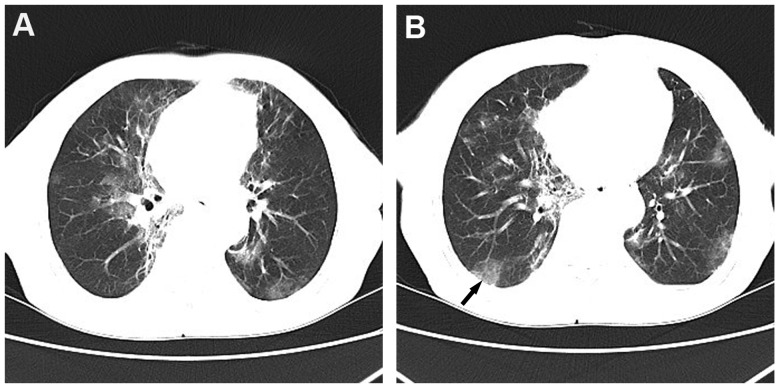
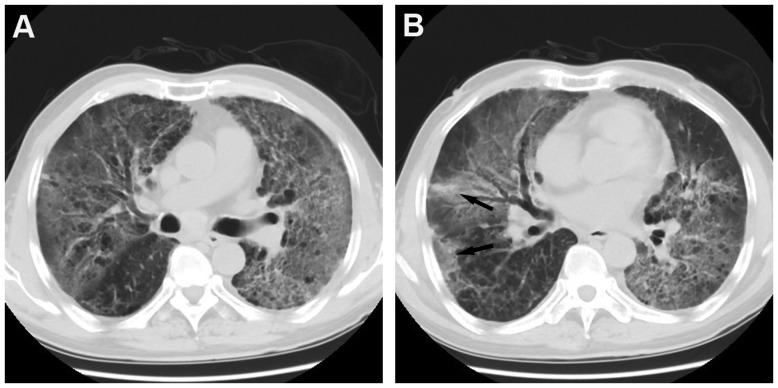
Radiation-induced lung injury (RILI) remains a major obstacle for thoracic radiotherapy for the treatment of lung cancer, esophageal cancer and lymphoma. It is the principal dose-limiting complication, and can markedly impair the therapeutic ratio as well as a patient's quality of life. The current review presents the relevant concepts associated with RILI, including the pathogenic mechanisms and the potential treatment strategies, so as to achieve a general understanding of this issue. RILI comprises an acute radiation pneumonitis phase and subsequent late lung fibrosis. The established assessment criteria are clinical manifestations, imaging changes and the necessity for medical assistance. Risk factors are also considered in order to optimize treatment planning. Due to the underlying molecular mechanisms of RILI, the present review also discusses several targeted pharmacological approaches for its treatment, as well as corticosteroid therapy.
放射性肺损伤(RILI)仍然是肺癌、食管癌和淋巴瘤胸部放疗的主要障碍。它是主要的剂量限制性并发症,会显著损害治疗比以及患者的生活质量。本综述介绍了与RILI相关的概念,包括发病机制和潜在的治疗策略,以便对该问题有一个总体认识。RILI包括急性放射性肺炎期和随后的晚期肺纤维化。既定的评估标准是临床表现、影像学变化以及医疗救助的必要性。为了优化治疗方案,还会考虑风险因素。鉴于RILI的潜在分子机制,本综述还讨论了几种针对其治疗的靶向药物方法以及皮质类固醇疗法。