College of Fisheries and Life Science, Dalian Ocean University, Dalian, 116023, China.
Engineering Research Center of Shellfish Culture and Breeding in Liaoning Province, Dalian Ocean University, Dalian, 116023, China.
Sci Rep. 2017 Jul 10;7(1):4953. doi: 10.1038/s41598-017-05397-8.
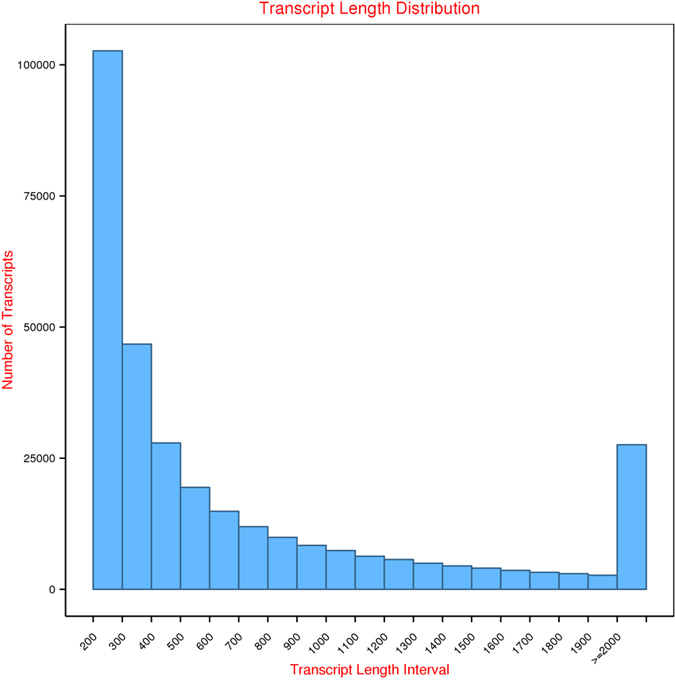
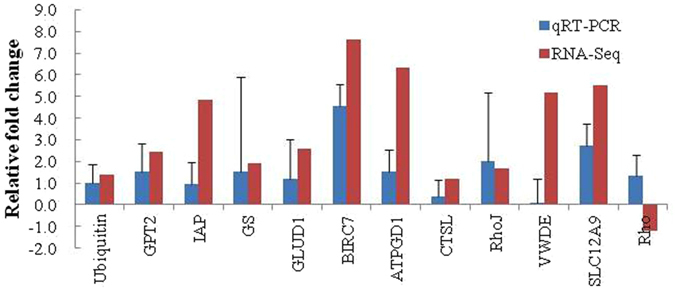
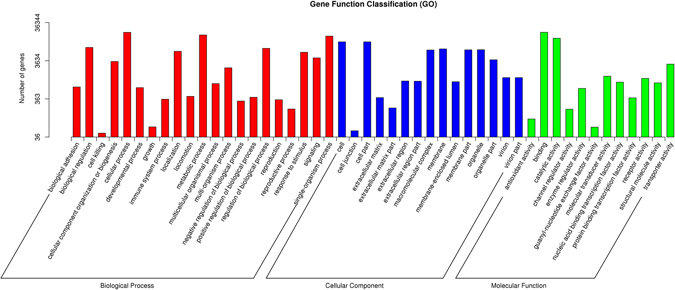
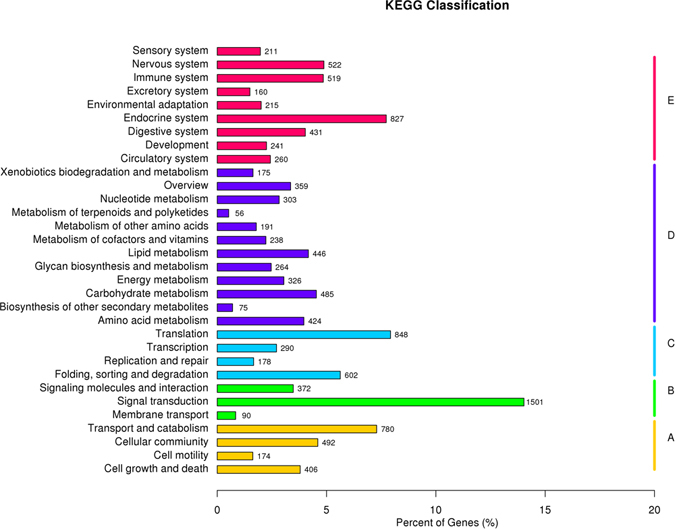
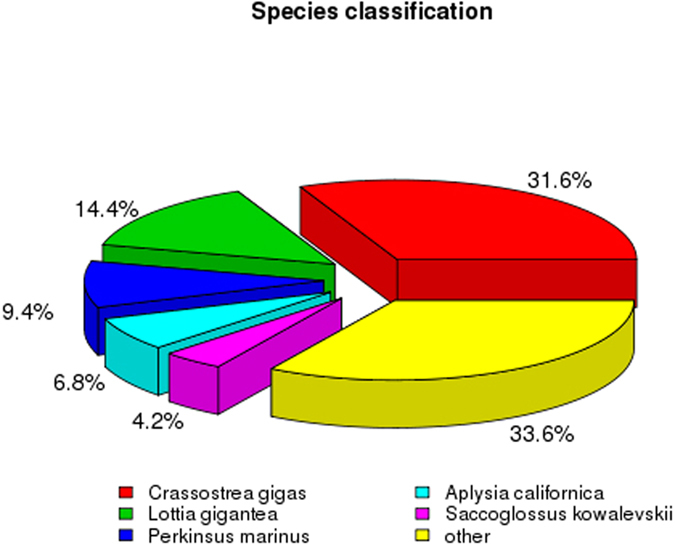
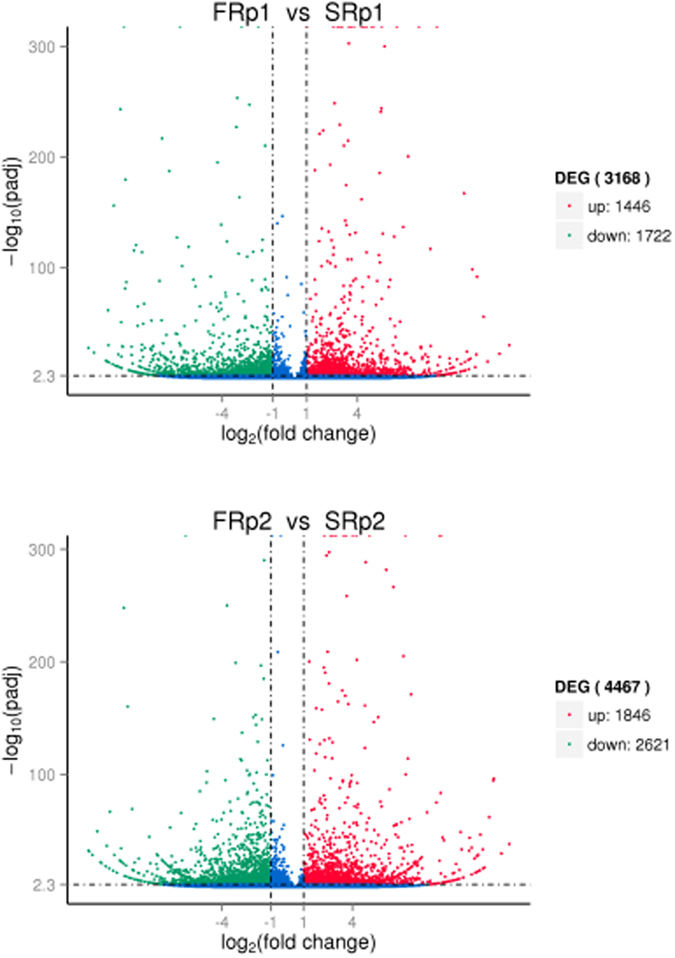
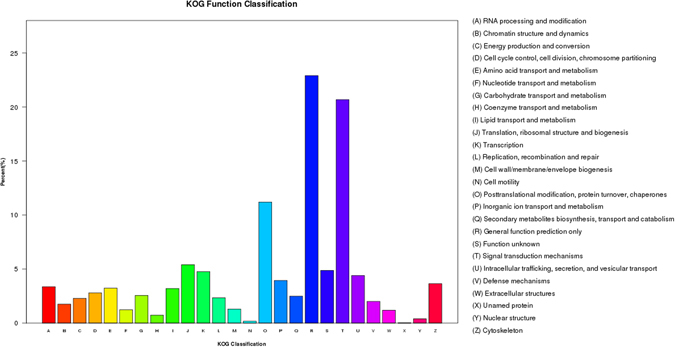
Ruditapes philippinarum, is an economically important marine bivalve species. The ability to cope with low salinity stress is quite important for the survival of aquatic species under natural conditions. In this study, the transcriptional response of the Manila clam to low salinity stress was characterized using RNA sequencing. The transcriptomes of a low salinity-treatment group (FRp1, FRp2), which survived under low salinity stress, and control group (SRp1, SRp2), which was not subjected to low salinity stress, were sequenced with the Illumina HiSeq platform. A total of 196,578 unigenes were generated. GO and KEGG analyses revealed that signal transduction, immune response, cellular component organization or biogenesis, and energy production processes were the most highly enriched pathways among the genes that were differentially expressed under low salinity stress. All these pathways could be assigned to the following biological functions in the low salinity tolerant Manila clam: signal response to low salinity stress, antioxidant response, intracellular free amino acid transport and metabolism, energy production and conversion, cell signaling pathways, and regulation of ionic content and cell volume. In summary, this is the first study using high-throughput sequencing to identify gene targets that could explain osmotic regulation mechanisms under salinity stress in R. philippinarum.
菲律宾蛤仔(Ruditapes philippinarum)是一种具有重要经济价值的海洋双壳贝类。在自然条件下,水生物种应对低盐度胁迫的能力对于其生存至关重要。在本研究中,我们利用 RNA 测序技术对低盐度胁迫下菲律宾蛤仔的转录组应答进行了研究。我们使用 Illumina HiSeq 平台对低盐度胁迫下存活的低盐度处理组(FRp1、FRp2)和未受低盐度胁迫的对照组(SRp1、SRp2)的转录组进行了测序。共生成了 196578 个 unigenes。GO 和 KEGG 分析表明,在低盐度胁迫下差异表达的基因中,信号转导、免疫反应、细胞组分组织或生物发生以及能量产生过程是最富集的途径。所有这些途径都可以被分配到低盐度耐受菲律宾蛤仔的以下生物学功能中:低盐度胁迫的信号响应、抗氧化反应、细胞内游离氨基酸的运输和代谢、能量的产生和转化、细胞信号通路以及离子含量和细胞体积的调节。总之,这是首次利用高通量测序技术鉴定能够解释菲律宾蛤仔在盐度胁迫下渗透调节机制的基因靶标。