Frenzilli Giada, Ryskalin Larisa, Ferrucci Michela, Cantafora Emanuela, Chelazzi Silvia, Giorgi Filippo S, Lenzi Paola, Scarcelli Vittoria, Frati Alessandro, Biagioni Francesca, Gambardella Stefano, Falleni Alessandra, Fornai Francesco
Department of Clinical and Experimental Medicine, University of PisaPisa, Italy.
Department of Translational Research and New Technologies in Medicine and Surgery, University of PisaPisa, Italy.
Front Neuroanat. 2017 Jun 26;11:49. doi: 10.3389/fnana.2017.00049. eCollection 2017.
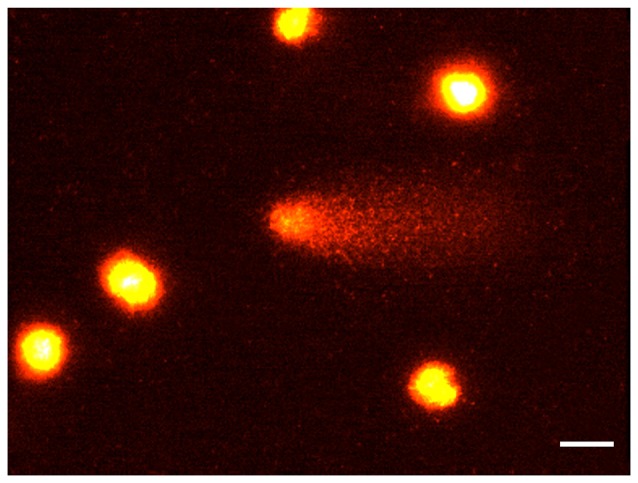
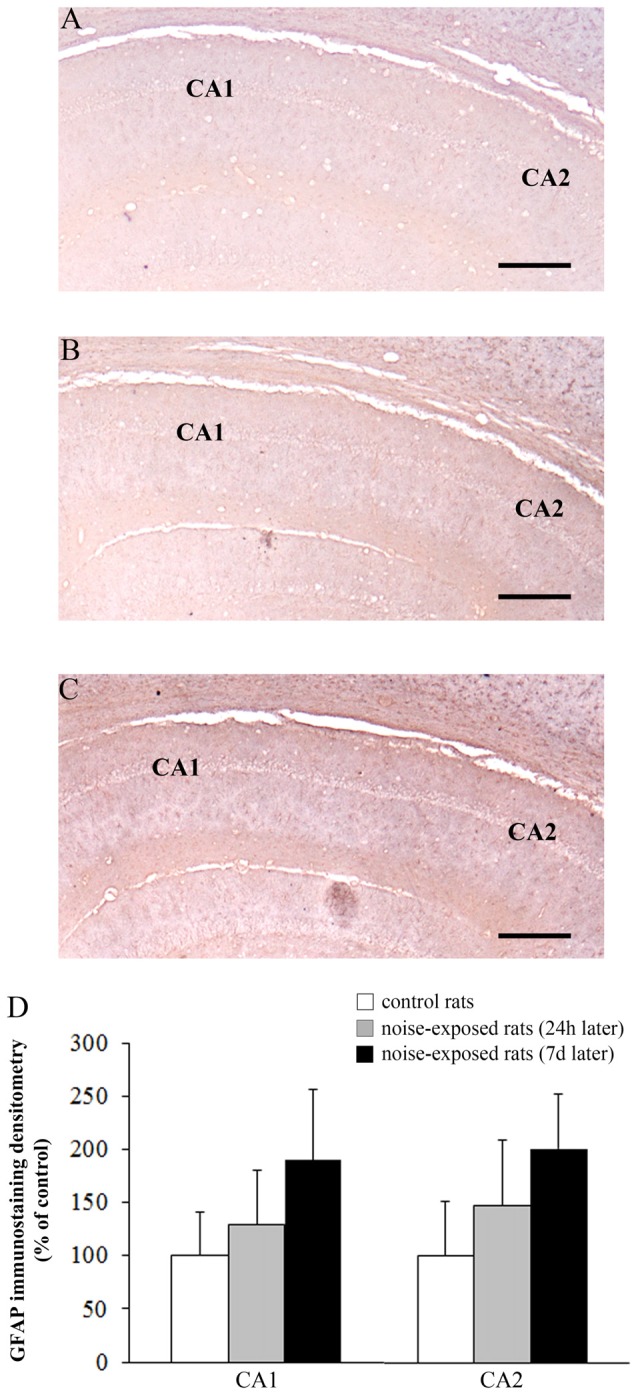
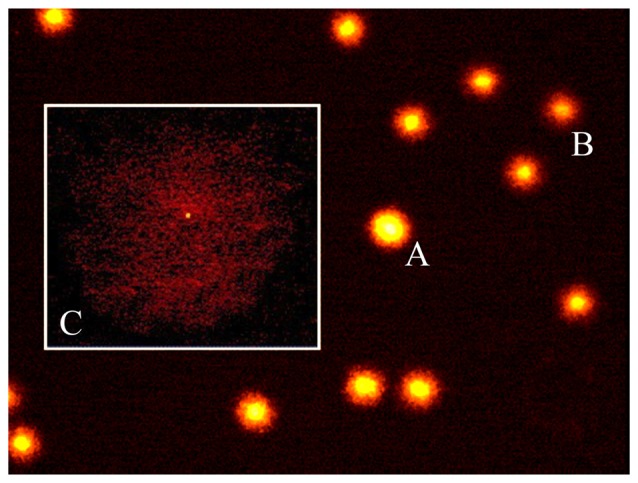
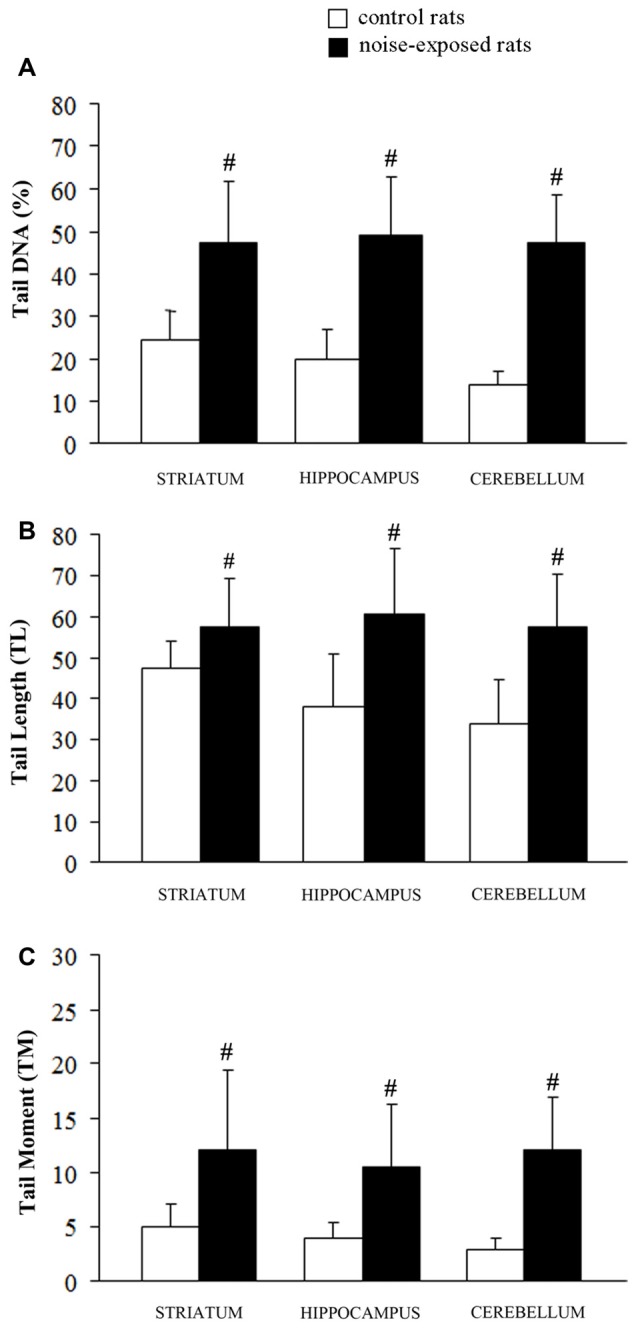
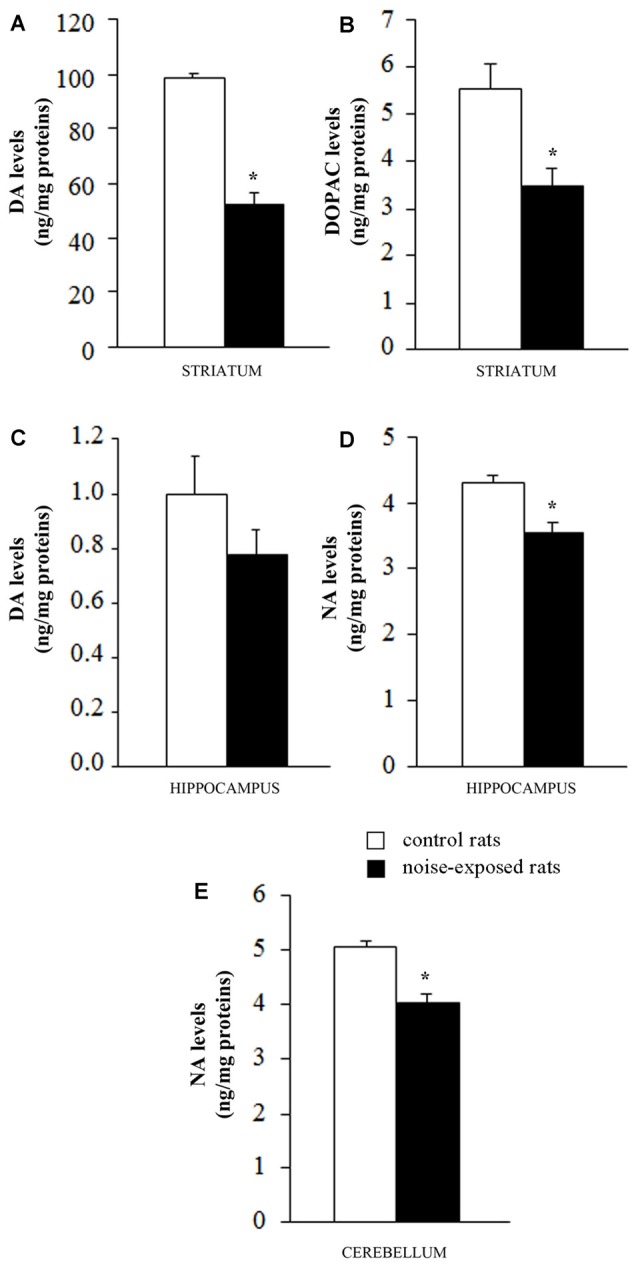
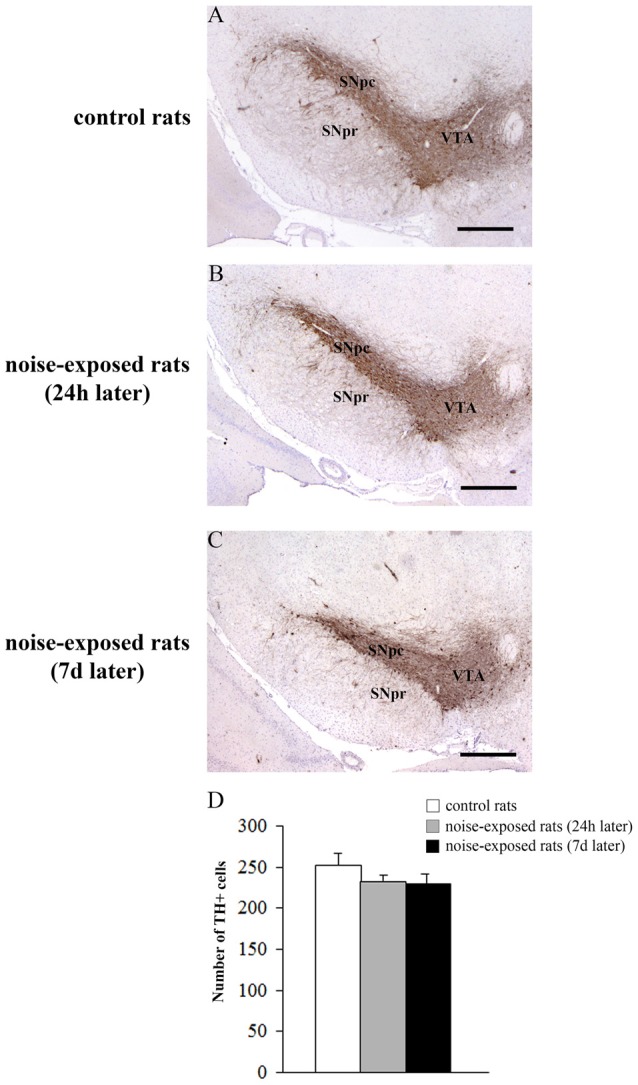
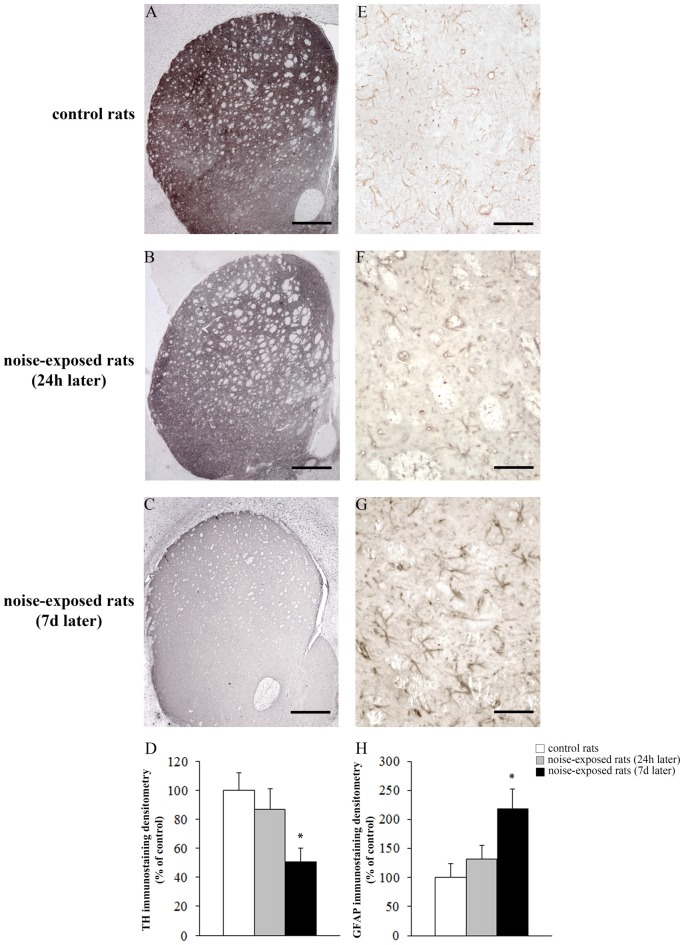
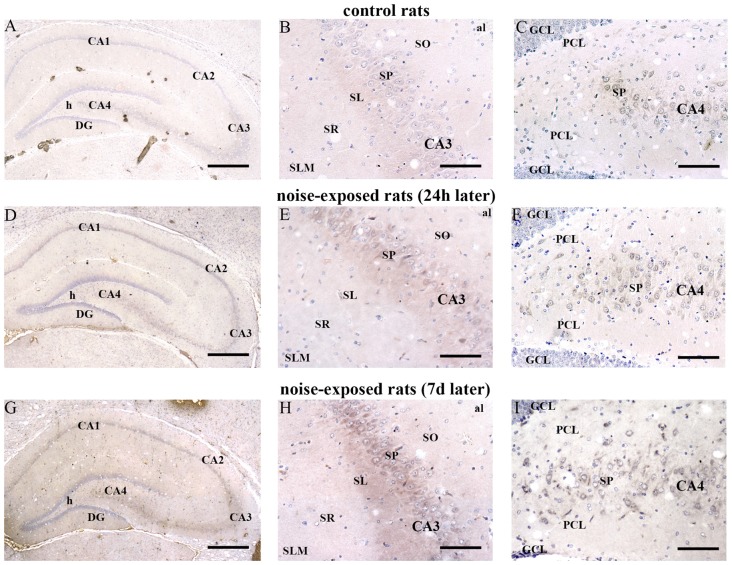
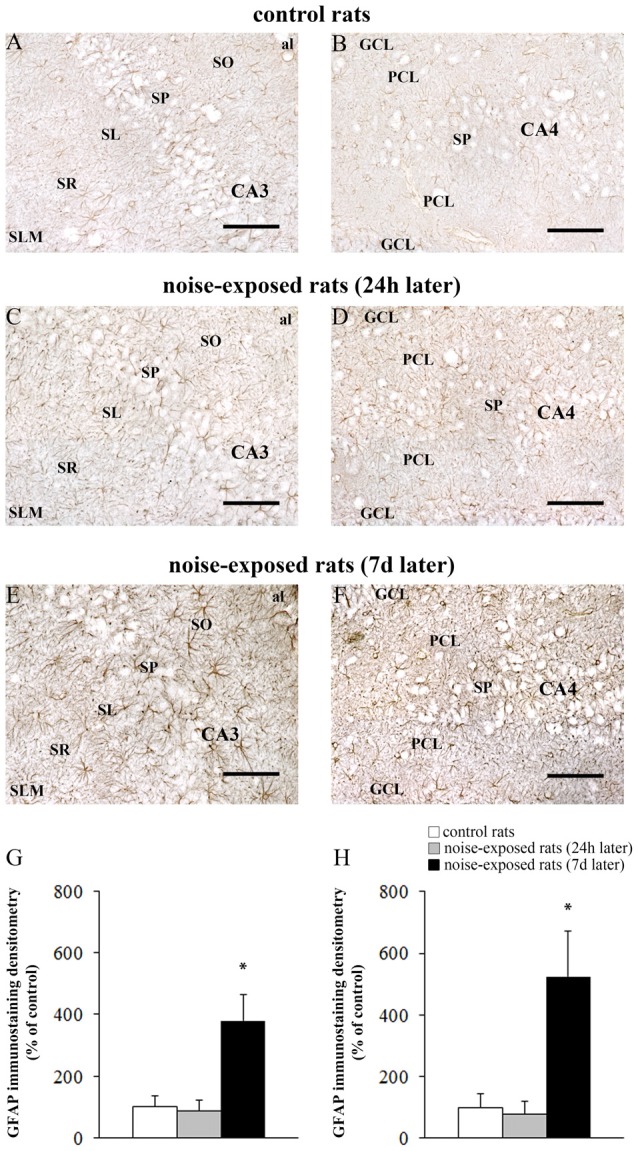
Exposure to loud noise is a major environmental threat to public health. Loud noise exposure, apart from affecting the inner ear, is deleterious for cardiovascular, endocrine and nervous systems and it is associated with neuropsychiatric disorders. In this study we investigated DNA, neurotransmitters and immune-histochemical alterations induced by exposure to loud noise in three major brain areas (cerebellum, hippocampus, striatum) of Wistar rats. Rats were exposed to loud noise (100 dBA) for 12 h. The effects of noise on DNA integrity in all three brain areas were evaluated by using Comet assay. In parallel studies, brain monoamine levels and morphology of nigrostriatal pathways, hippocampus and cerebellum were analyzed at different time intervals (24 h and 7 days) after noise exposure. Loud noise produced a sudden increase in DNA damage in all the brain areas under investigation. Monoamine levels detected at 7 days following exposure were differently affected depending on the specific brain area. Namely, striatal but not hippocampal dopamine (DA) significantly decreased, whereas hippocampal and cerebellar noradrenaline (NA) was significantly reduced. This is in line with pathological findings within striatum and hippocampus consisting of a decrease in striatal tyrosine hydroxylase (TH) combined with increased Bax and glial fibrillary acidic protein (GFAP). Loud noise exposure lasting 12 h causes immediate DNA, and long-lasting neurotransmitter and immune-histochemical alterations within specific brain areas of the rat. These alterations may suggest an anatomical and functional link to explain the neurobiology of diseases which prevail in human subjects exposed to environmental noise.
暴露于高强度噪音是对公众健康的主要环境威胁。高强度噪音暴露除了影响内耳外,还对心血管、内分泌和神经系统有害,并且与神经精神疾病有关。在本研究中,我们调查了暴露于高强度噪音对Wistar大鼠三个主要脑区(小脑、海马体、纹状体)的DNA、神经递质和免疫组织化学变化的影响。将大鼠暴露于高强度噪音(100分贝)12小时。通过彗星试验评估噪音对所有三个脑区DNA完整性的影响。在平行研究中,在噪音暴露后的不同时间间隔(24小时和7天)分析脑单胺水平以及黑质纹状体通路、海马体和小脑的形态。高强度噪音使所有被研究脑区的DNA损伤突然增加。暴露7天后检测到的单胺水平根据特定脑区受到不同影响。具体而言,纹状体多巴胺(DA)显著降低,但海马体多巴胺未降低,而海马体和小脑去甲肾上腺素(NA)显著减少。这与纹状体和海马体内的病理发现一致,即纹状体酪氨酸羟化酶(TH)减少,同时 Bax 和胶质纤维酸性蛋白(GFAP)增加。持续12小时的高强度噪音暴露会导致大鼠特定脑区内立即出现DNA变化,以及长期的神经递质和免疫组织化学变化。这些变化可能表明存在一种解剖学和功能上的联系,以解释在暴露于环境噪音的人类受试者中普遍存在的疾病的神经生物学机制。