Wang Ying, Ren Yulong, Zhou Kunneng, Liu Linglong, Wang Jiulin, Xu Yang, Zhang Huan, Zhang Long, Feng Zhiming, Wang Liwei, Ma Weiwei, Wang Yunlong, Guo Xiuping, Zhang Xin, Lei Cailin, Cheng Zhijun, Wan Jianmin
National Key Facility for Crop Gene Resources and Genetic Improvement, Institute of Crop Science, Chinese Academy of Agricultural SciencesBeijing, China.
National Key Laboratory for Crop Genetics and Germplasm Enhancement, Nanjing Agricultural UniversityNanjing, China.
Front Plant Sci. 2017 Jun 26;8:1116. doi: 10.3389/fpls.2017.01116. eCollection 2017.
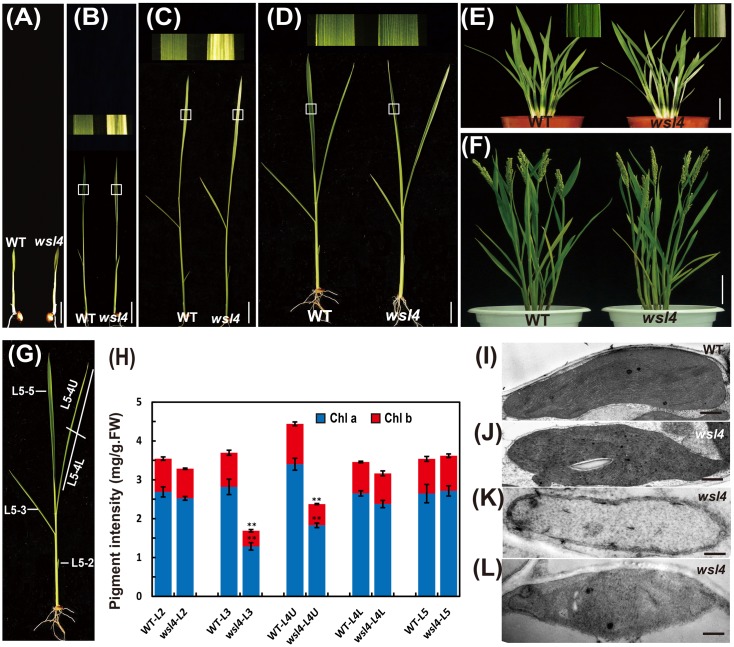
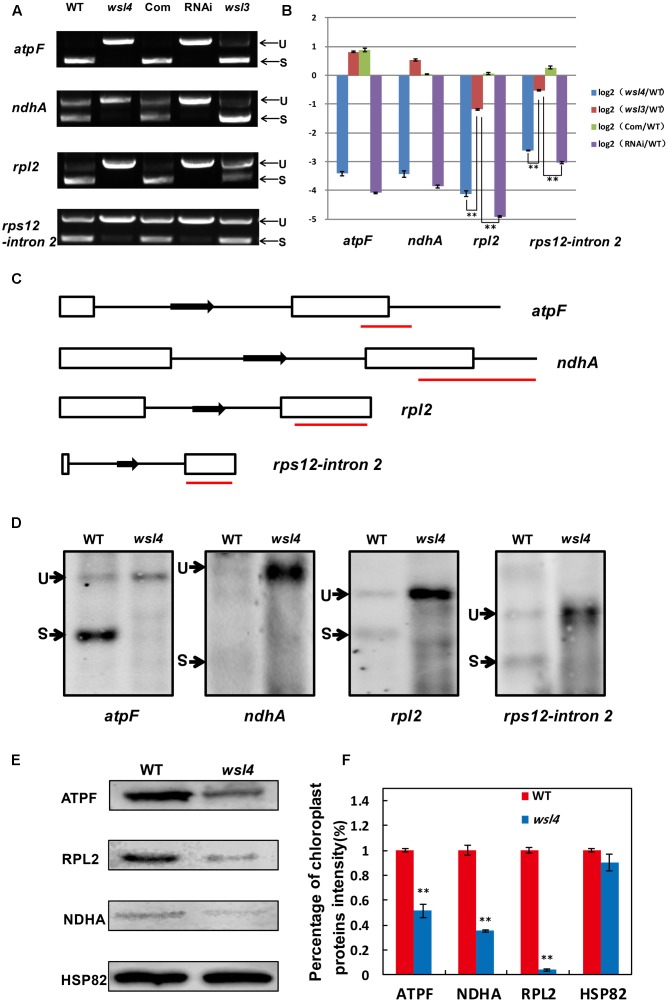
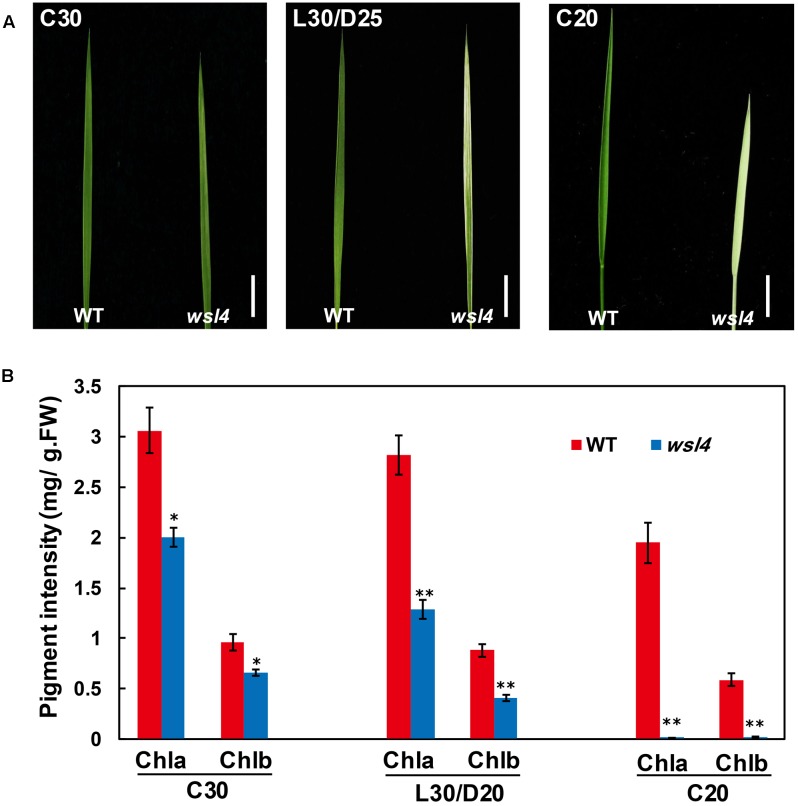
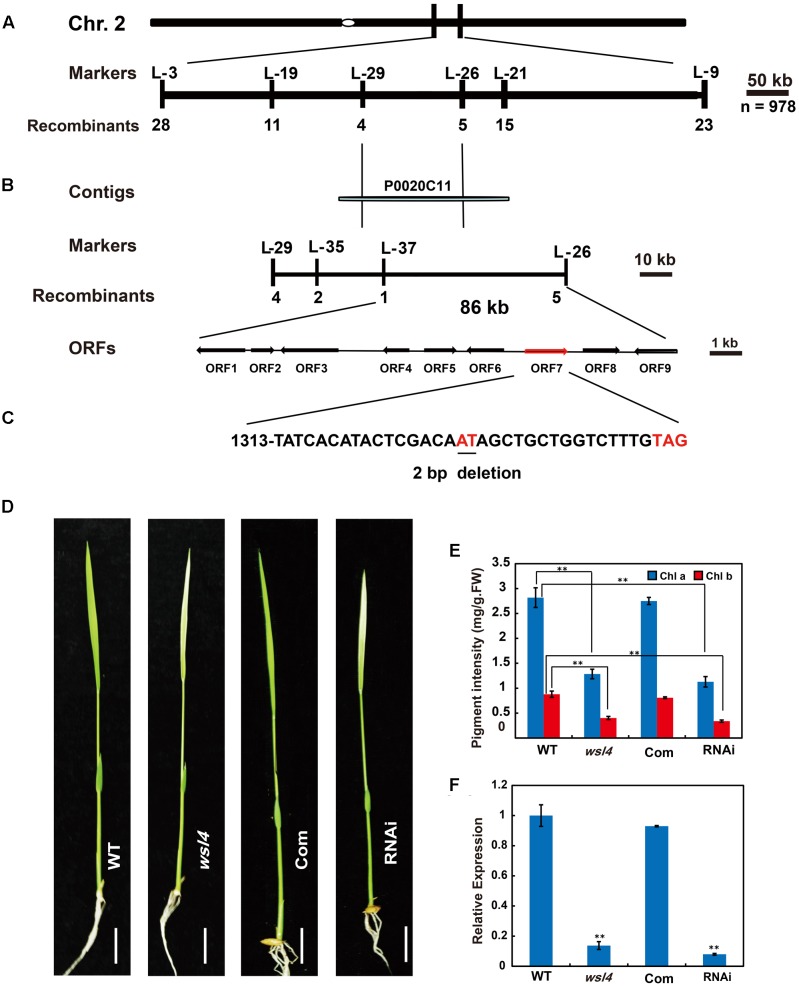
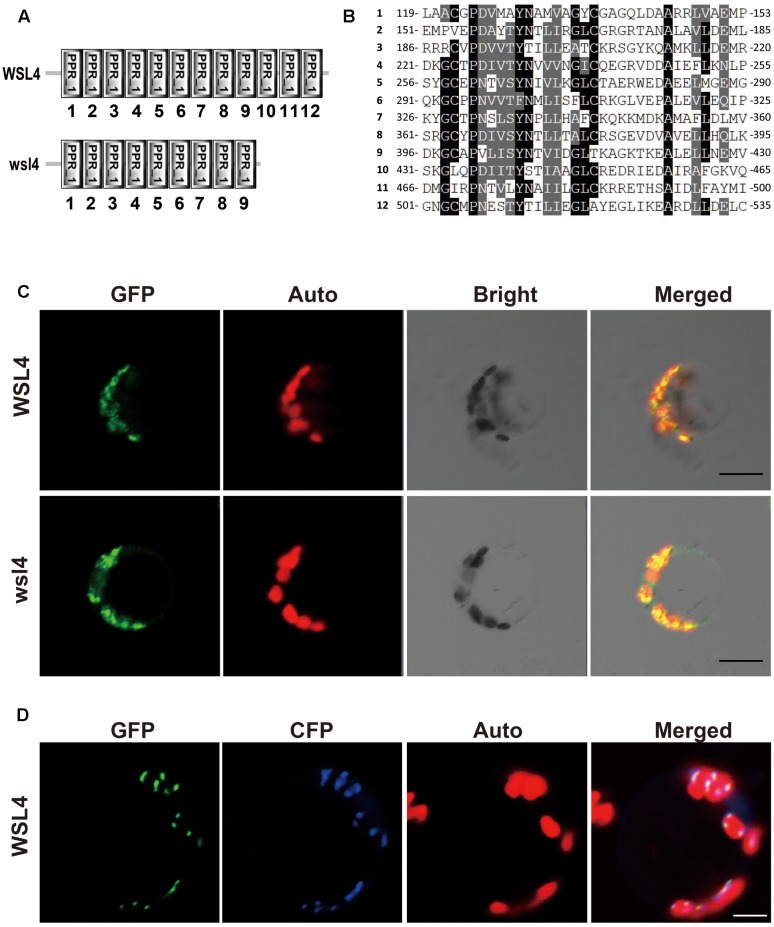
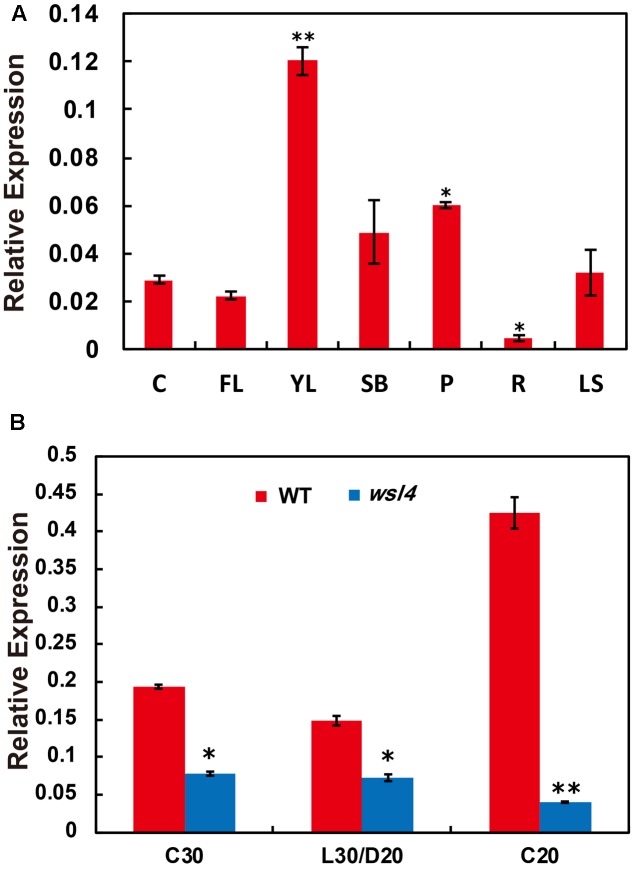
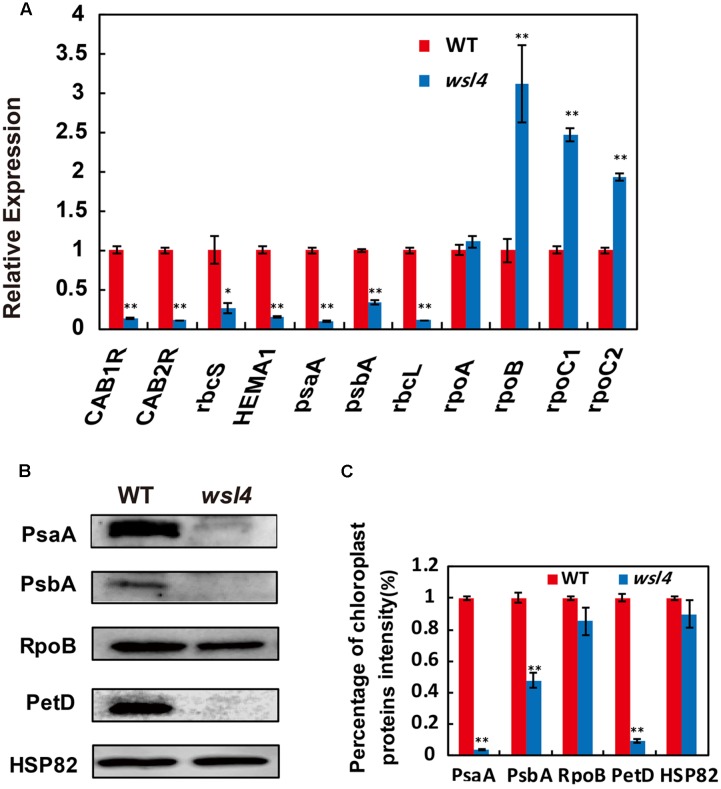
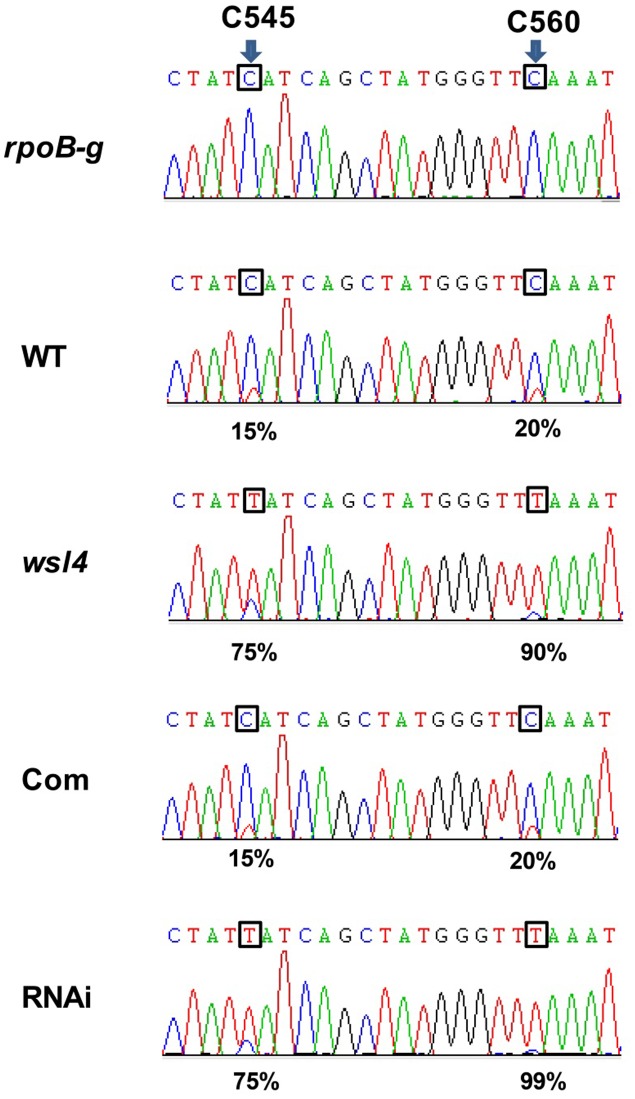
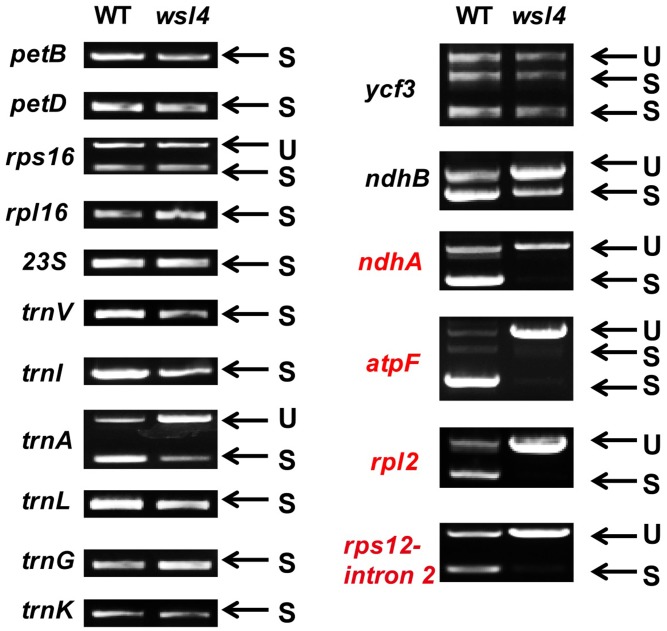
Pentatricopeptide repeat (PPR) proteins comprise a large family in higher plants and perform diverse functions in organellar RNA metabolism. Despite the rice genome encodes 477 PRR proteins, the regulatory effects of PRR proteins on chloroplast development remains unknown. In this study, we report the functional characterization of the rice () mutant. The mutant develops white-striped leaves during early leaf development, characterized by decreased chlorophyll content and malformed chloroplasts. Positional cloning of the gene, together with complementation and RNA-interference tests, reveal that it encodes a novel P-family PPR protein with 12 PPR motifs, and is localized to chloroplast nucleoids. Quantitative RT-PCR analyses demonstrate that is a low temperature response gene abundantly expressed in young leaves. Further expression analyses show that many nuclear- and plastid-encoded genes in the mutant are significantly affected at the RNA and protein levels. Notably, the mutant causes defects in the splicing of , and . Our findings identify WSL4 as a novel P-family PPR protein essential for chloroplast RNA group II intron splicing during early leaf development in rice.
五肽重复序列(PPR)蛋白在高等植物中构成一个大家族,并在细胞器RNA代谢中发挥多种功能。尽管水稻基因组编码477个PPR蛋白,但PPR蛋白对叶绿体发育的调控作用仍不清楚。在本研究中,我们报道了水稻()突变体的功能特性。该突变体在叶片发育早期形成白色条纹叶,其特征是叶绿素含量降低和叶绿体畸形。对该基因进行定位克隆,并结合互补和RNA干扰试验,结果表明它编码一种具有12个PPR基序的新型P家族PPR蛋白,定位于叶绿体类核。定量RT-PCR分析表明,是一个在幼叶中大量表达的低温响应基因。进一步的表达分析表明,该突变体中许多核编码和质体编码基因在RNA和蛋白质水平上受到显著影响。值得注意的是,该突变体导致、和的剪接缺陷。我们的研究结果确定WSL4是一种新型P家族PPR蛋白,在水稻叶片发育早期对叶绿体RNA II类内含子剪接至关重要。