Yin Supeng, Jiang Bei, Huang Guangtao, Gong Yali, You Bo, Yang Zichen, Chen Yu, Chen Jing, Yuan Zhiqiang, Li Ming, Hu Fuquan, Zhao Yan, Peng Yizhi
State Key Laboratory of Trauma, Burns, and Combined Injury, Institute of Burn Research, Southwest Hospital, Third Military Medical UniversityChongqing, China.
Department of Microbiology, Third Military Medical UniversityChongqing, China.
Front Microbiol. 2017 Jun 28;8:1191. doi: 10.3389/fmicb.2017.01191. eCollection 2017.
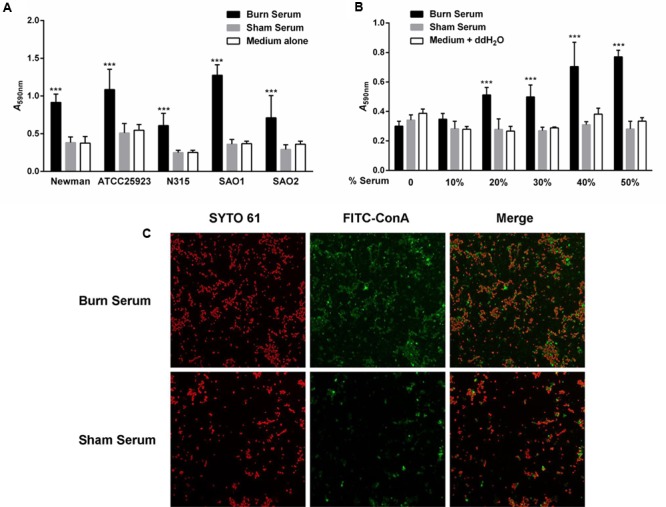
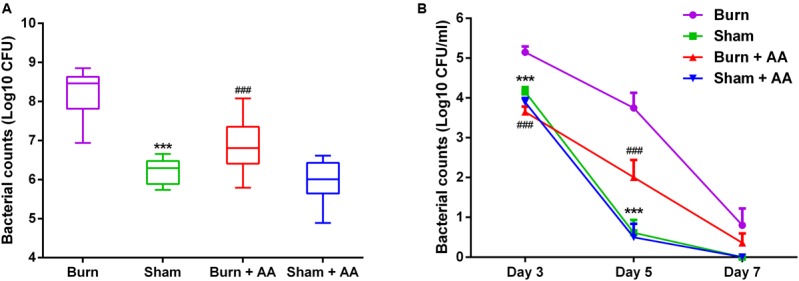
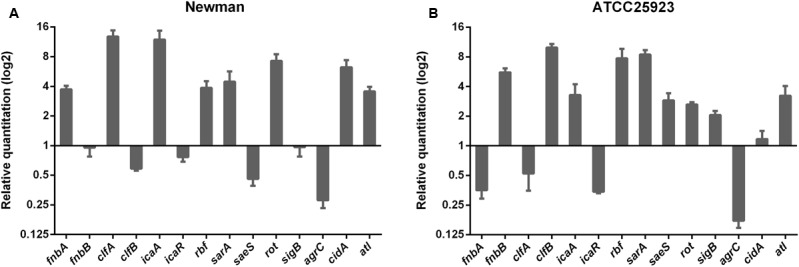
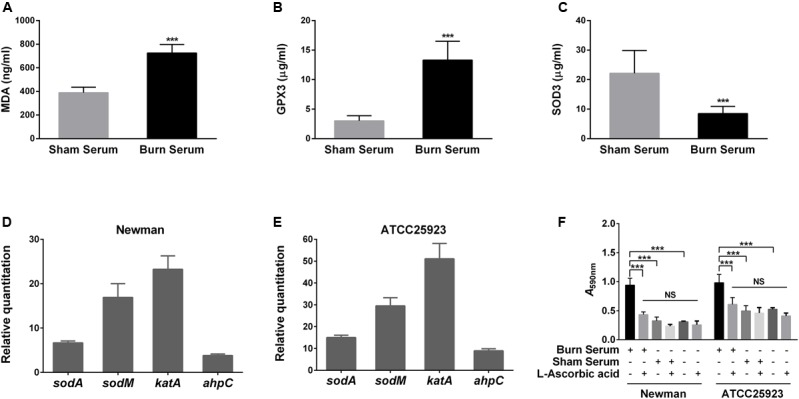
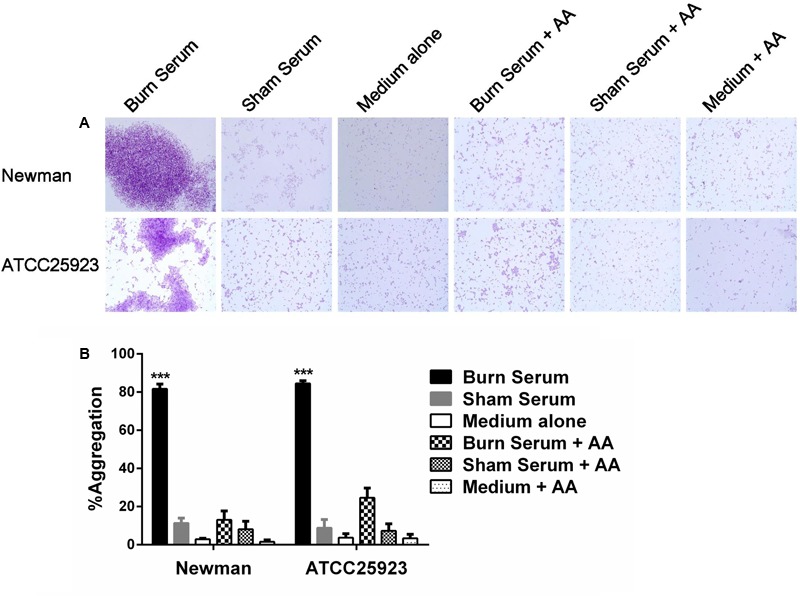
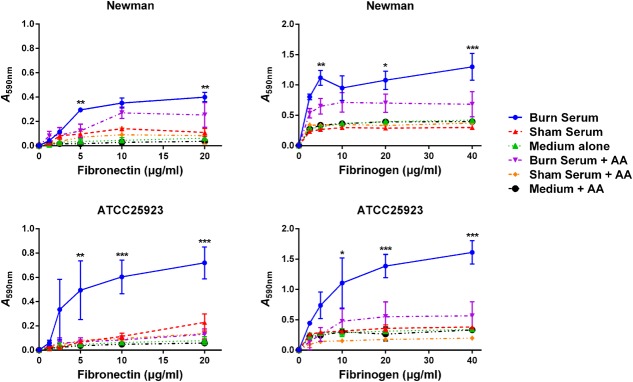
is a common pathogen isolated from burn patients that can form biofilms on burn wounds and implanted deep vein catheters, which often leads to refractory infections or even biofilm-related sepsis. As biofilm formation is usually regulated by environmental conditions, we hypothesized that serum composition may be altered after burn injury, potentially affecting the ability of infecting bacteria to form biofilms. As predicted, we observed that serum from burn-injured rats increases biofilm formation by and also induces bacterial aggregation and adherence to human fibronectin and fibrinogen. Analysis of potential regulatory factors revealed that exposure to burn serum decreases expression of the quorum-sensing system and increases mRNA levels of some biofilm inducers such as and . In addition, we also observed that burn serum imposes oxidative stress and increases expression of key oxidoreductase genes (, , , and ) in . Importantly, the ability of burn serum to enhance biofilm formation and bacterial cell aggregation can be abrogated by treatment with an antioxidant. Taken together, these findings indicate that burn serum increases biofilm formation via elevated oxidative stress, and may lead to novel strategies to control biofilm formation and infection in burn patients.
是从烧伤患者中分离出的常见病原体,可在烧伤创面和植入的深静脉导管上形成生物膜,这常常导致难治性感染甚至生物膜相关的败血症。由于生物膜形成通常受环境条件调节,我们推测烧伤后血清成分可能会发生改变,这可能会影响感染细菌形成生物膜的能力。正如预期的那样,我们观察到烧伤大鼠的血清使生物膜形成增加了 ,并且还诱导细菌聚集以及对人纤连蛋白和纤维蛋白原的黏附。对潜在调节因子的分析表明,暴露于烧伤血清会降低群体感应系统的表达,并增加一些生物膜诱导因子(如 和 )的mRNA水平。此外,我们还观察到烧伤血清会施加氧化应激,并增加 中关键氧化还原酶基因( 、 、 、和 )的表达。重要的是,用抗氧化剂处理可以消除烧伤血清增强生物膜形成和细菌细胞聚集的能力。综上所述,这些发现表明烧伤血清通过升高的氧化应激增加 生物膜形成,并可能导致控制烧伤患者生物膜形成和感染的新策略。