Simonacci Francesco, Bertozzi Nicolò, Grieco Michele Pio, Grignaffini Eugenio, Raposio Edoardo
Department of Medicine and Surgery, Plastic Surgery Division, University of Parma, Parma, Italy.
Cutaneous, Mininvasive, Regenerative and Plastic Surgery Unit, Parma University Hospital, Parma, Italy.
Ann Med Surg (Lond). 2017 Jun 27;20:49-60. doi: 10.1016/j.amsu.2017.06.059. eCollection 2017 Aug.
To systematically review the procedure, applications, and outcomes of autologous fat grafting, a promising technique with various clinical applications.
Literature review of publications concerning autologous fat grafting.
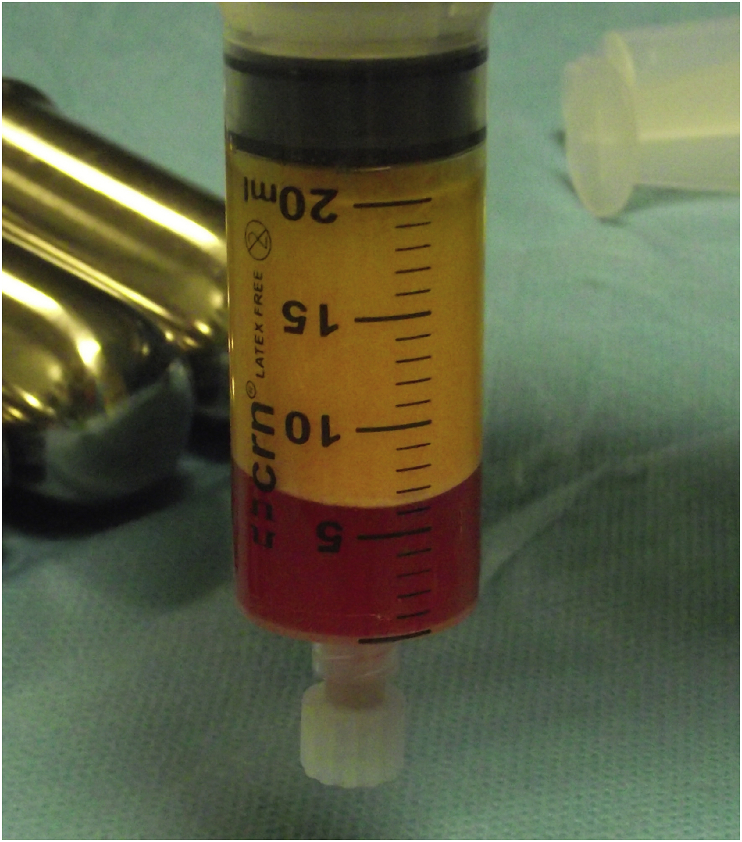
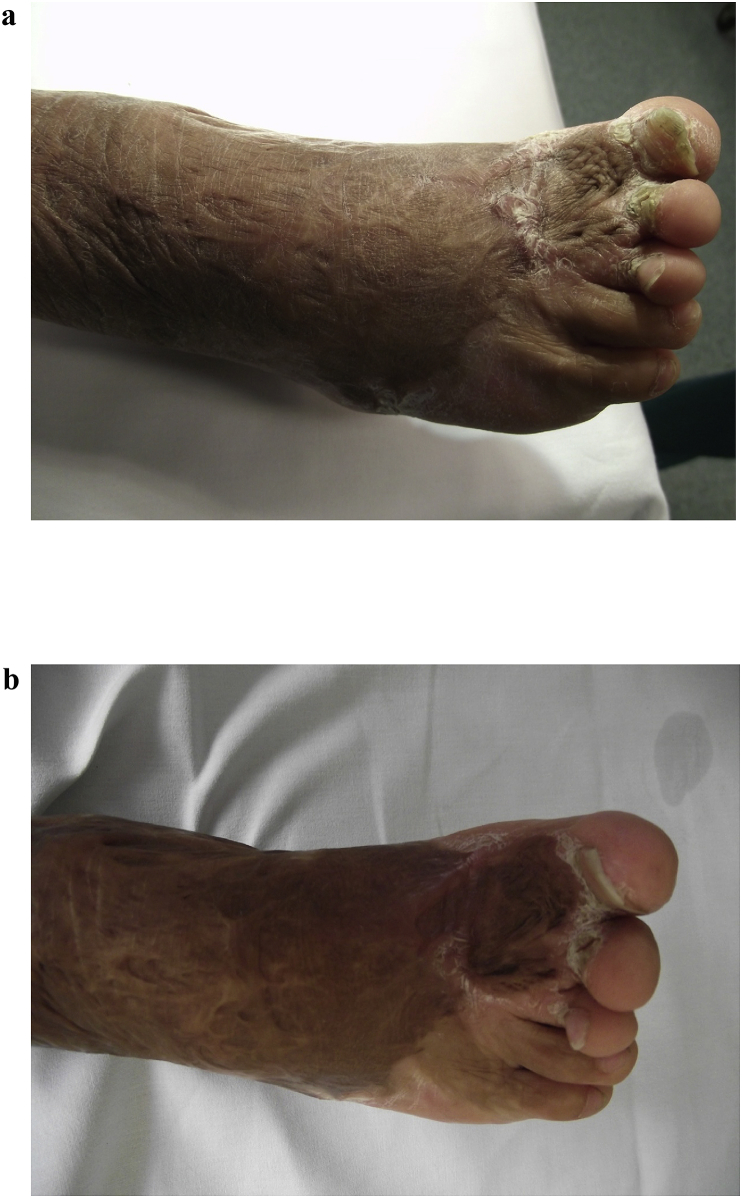
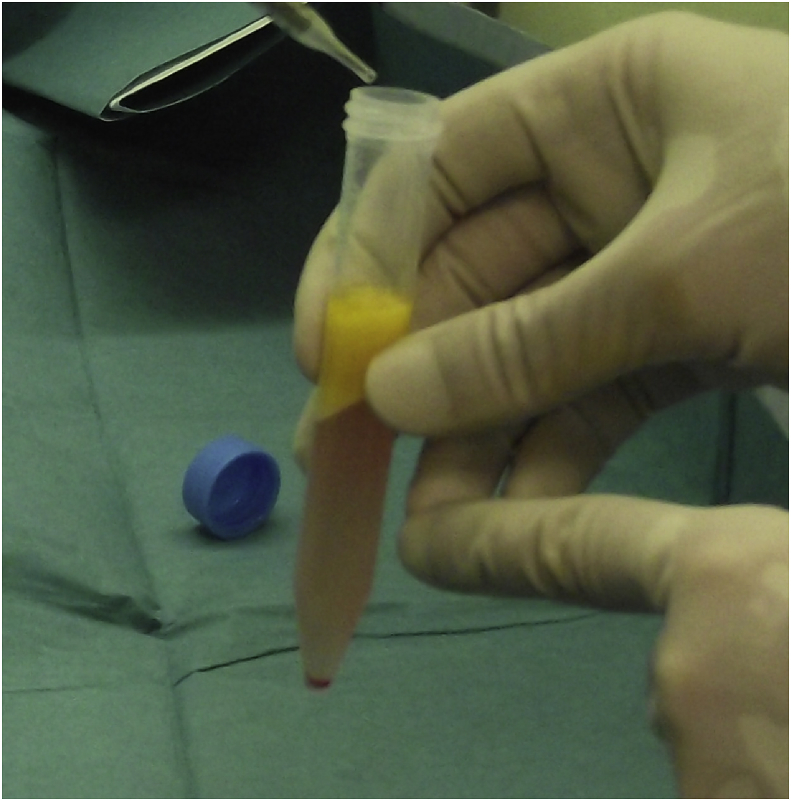
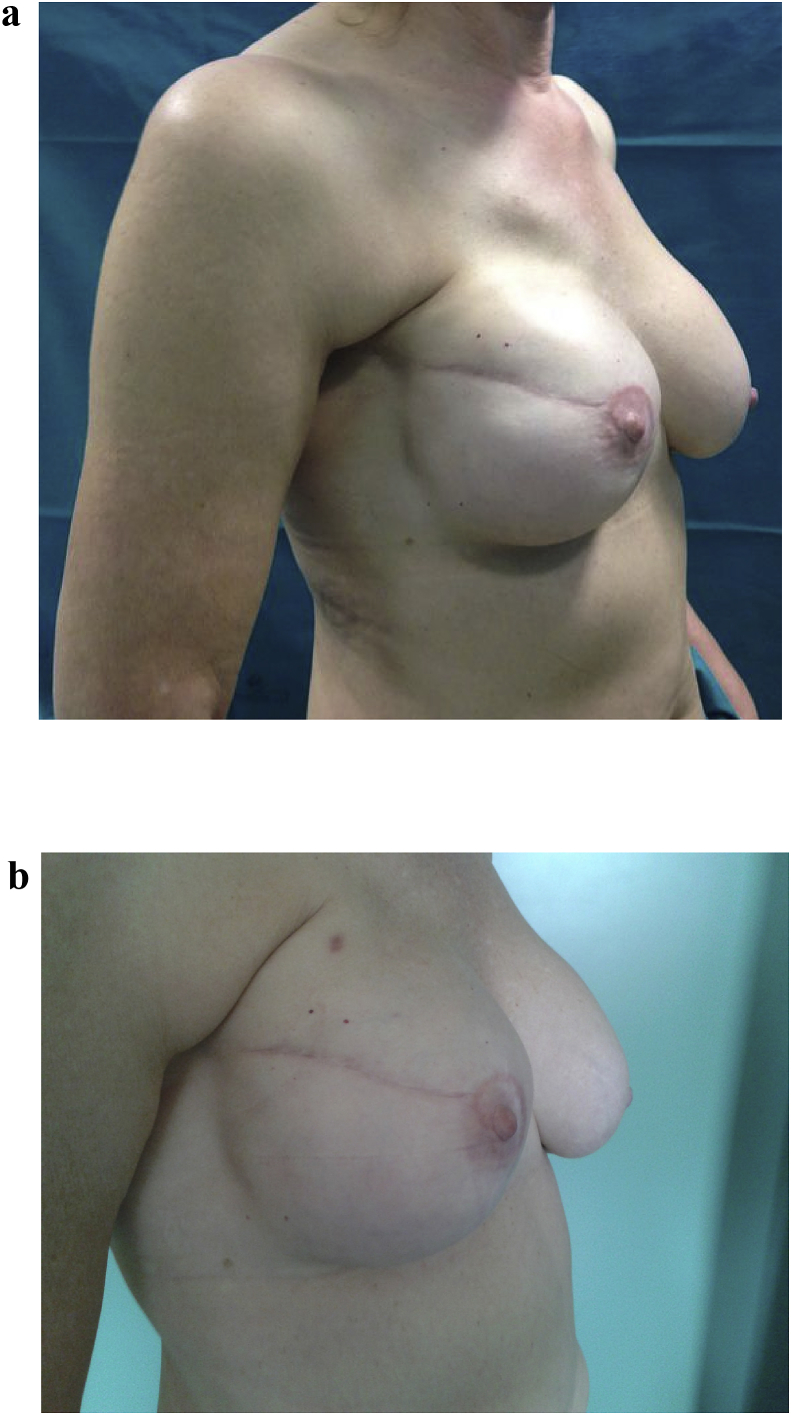
Since its introduction, lipofilling has become increasingly popular; however, its results are variable and unpredictable. Several modifications have been made to the procedures of fat harvesting, processing, and injecting. Surgical excision and low negative-pressure aspiration with large-bore cannulas minimize adipocyte damage during fat harvesting. The "wet" method of fat harvesting involves fluid injection at the donor site and facilitates lipoaspiration while minimizing pain and ecchymosis. For fat processing, centrifugation at a low speed is preferable to high-speed centrifugation, gravity separation or filtration. Fat injection at the recipient site should be performed using small-gauge cannulas in a fanning out pattern over multiple sessions, rather than a single session. Fat grafts exhibit not only dermal filler properties but also regenerative potential owing to the presence of stem cells in fat tissue. Thus, the clinical applications of autologous fat grafting include correction of secondary contour defects after breast reconstruction, release of painful scar contractures, and treatment of burn scars and radiodermatitis. Lipofilling is also used in aesthetic surgery, such as facial and hand rejuvenation, augmentation rhinoplasty, and breast and gluteal augmentation. The complications of lipofilling are minimal and include bruising, swelling, pain, infection, necrosis, and calcification.
Lipofilling is a low-risk procedure that can be used to correct soft-tissue defects in the face, trunk, and extremities, with minimal discomfort for patients.
系统回顾自体脂肪移植这一具有多种临床应用前景的技术的操作过程、应用情况及效果。
对有关自体脂肪移植的文献进行综述。
自引入以来,脂肪填充术越来越受欢迎;然而,其效果存在差异且难以预测。在脂肪采集、处理和注射的操作过程中已进行了多项改进。手术切除和使用大口径套管进行低负压抽吸可在脂肪采集过程中使脂肪细胞损伤最小化。“湿”法脂肪采集包括在供区注射液体,有助于抽脂,同时将疼痛和瘀斑降至最低。对于脂肪处理,低速离心优于高速离心、重力分离或过滤。在受区进行脂肪注射时,应使用小口径套管以扇形方式分多次进行,而非单次注射。由于脂肪组织中存在干细胞,脂肪移植不仅具有真皮填充剂的特性,还具有再生潜力。因此,自体脂肪移植的临床应用包括矫正乳房重建后的继发性轮廓缺陷、缓解疼痛性瘢痕挛缩以及治疗烧伤瘢痕和放射性皮炎。脂肪填充术也用于美容手术,如面部和手部年轻化、隆鼻术以及隆胸和丰臀。脂肪填充术的并发症极少,包括瘀斑、肿胀、疼痛、感染、坏死和钙化。
脂肪填充术是一种低风险的手术,可用于矫正面部、躯干和四肢的软组织缺陷,患者不适感极小。