Nicholson William C, Kempf Mirjam-Colette, Moneyham Linda, Vance David E
School of Nursing, University of Alabama at Birmingham, Birmingham, AL, USA.
Neuropsychiatr Dis Treat. 2017 Jun 28;13:1677-1689. doi: 10.2147/NDT.S136065. eCollection 2017.
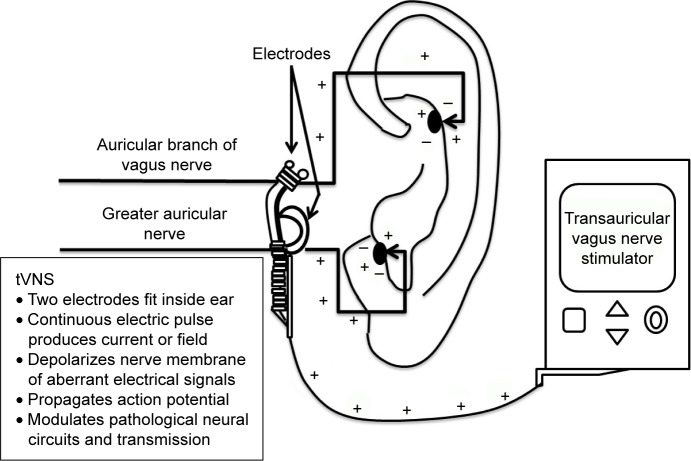
Depression is the most common comorbidity and neuropsychiatric complication in HIV. Estimates suggest that the prevalence rate for depression among HIV-infected individuals is three times that of the general population. The association between HIV and clinical depression is complex; however, chronic activation of inflammatory mechanisms, which disrupt central nervous system (CNS) function, may contribute to this association. Disruptions in CNS function can result in cognitive disorders, social withdrawal, fatigue, apathy, psychomotor impairment, and sleep disturbances, which are common manifestations in depression and HIV alike. Interestingly, the parasympathetic system-associated vagus nerve (VN) has primary homeostatic properties that restore CNS function following a stress or inflammatory response. Unfortunately, about 30% of adults with HIV are resistant to standard psychotherapeutic and psychopharmacological treatments for depression, thus suggesting the need for alternative treatment approaches. VN stimulation (VNS) and its benefits as a treatment for depression have been well documented, but remain unexplored in the HIV population. Historically, VNS has been delivered using a surgically implanted device; however, transcutanous VNS (tVNS) with nonsurgical auricular technology is now available. Although it currently lacks Food and Drug Administration approval in the US, evidence suggests several advantages of tVNS, including a reduced side-effect profile when compared to standard treatments and comparable results to implantable VNS in treating depression. Therefore, tVNS could offer an alternative for managing depression in HIV via regulating CNS function; moreover, tVNS may be useful for treatment of other symptoms common in HIV. From this, implications for nursing research and practice are provided.
抑郁症是艾滋病病毒(HIV)感染中最常见的合并症和神经精神并发症。据估计,HIV感染者中抑郁症的患病率是普通人群的三倍。HIV与临床抑郁症之间的关联很复杂;然而,炎症机制的慢性激活会破坏中枢神经系统(CNS)功能,这可能是导致这种关联的原因。CNS功能紊乱会导致认知障碍、社交退缩、疲劳、冷漠、精神运动障碍和睡眠障碍,这些都是抑郁症和HIV感染中常见的表现。有趣的是,与副交感神经系统相关的迷走神经(VN)具有主要的稳态特性,可在应激或炎症反应后恢复CNS功能。不幸的是,约30%的成年HIV感染者对抑郁症的标准心理治疗和心理药物治疗有抵抗性,因此表明需要替代治疗方法。VN刺激(VNS)及其作为抑郁症治疗方法的益处已有充分记录,但在HIV人群中尚未得到探索。从历史上看,VNS是通过手术植入装置进行的;然而,现在有了采用非手术耳部技术的经皮VNS(tVNS)。虽然目前在美国它尚未获得食品药品监督管理局的批准,但有证据表明tVNS有几个优点,包括与标准治疗相比副作用减少,在治疗抑郁症方面与可植入VNS效果相当。因此,tVNS可以通过调节CNS功能为管理HIV感染中的抑郁症提供一种替代方法;此外,tVNS可能对治疗HIV中常见的其他症状有用。由此,还提供了对护理研究和实践的启示。