Ertani Andrea, Schiavon Michela, Nardi Serenella
Department of Agronomy, Food, Natural Resources, Animals, and Environment, University of PadovaPadua, Italy.
Biology Department, Colorado State University, Fort CollinsCO, United States.
Front Plant Sci. 2017 Jul 5;8:1159. doi: 10.3389/fpls.2017.01159. eCollection 2017.
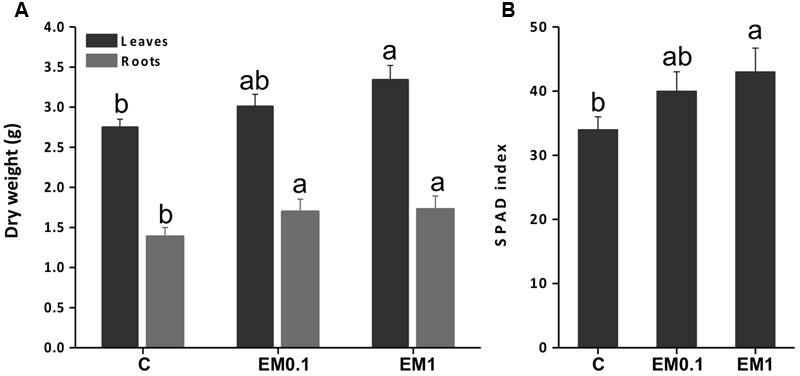
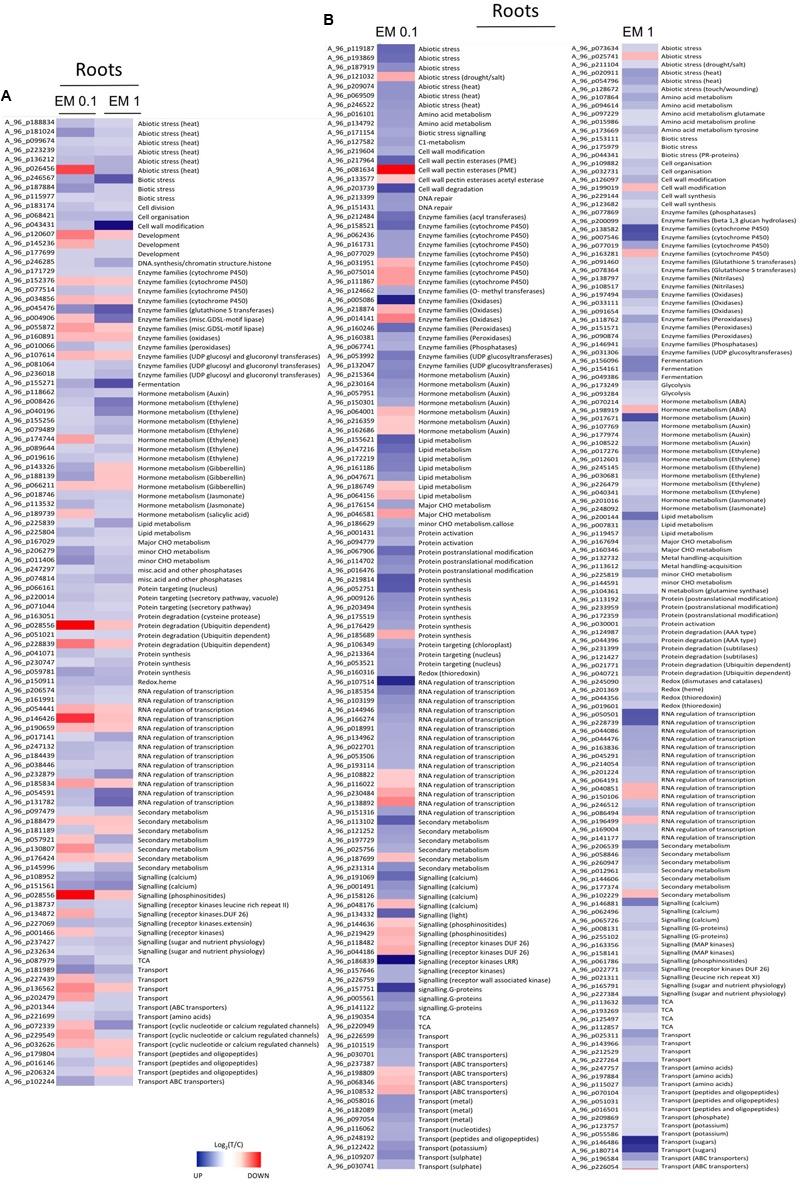
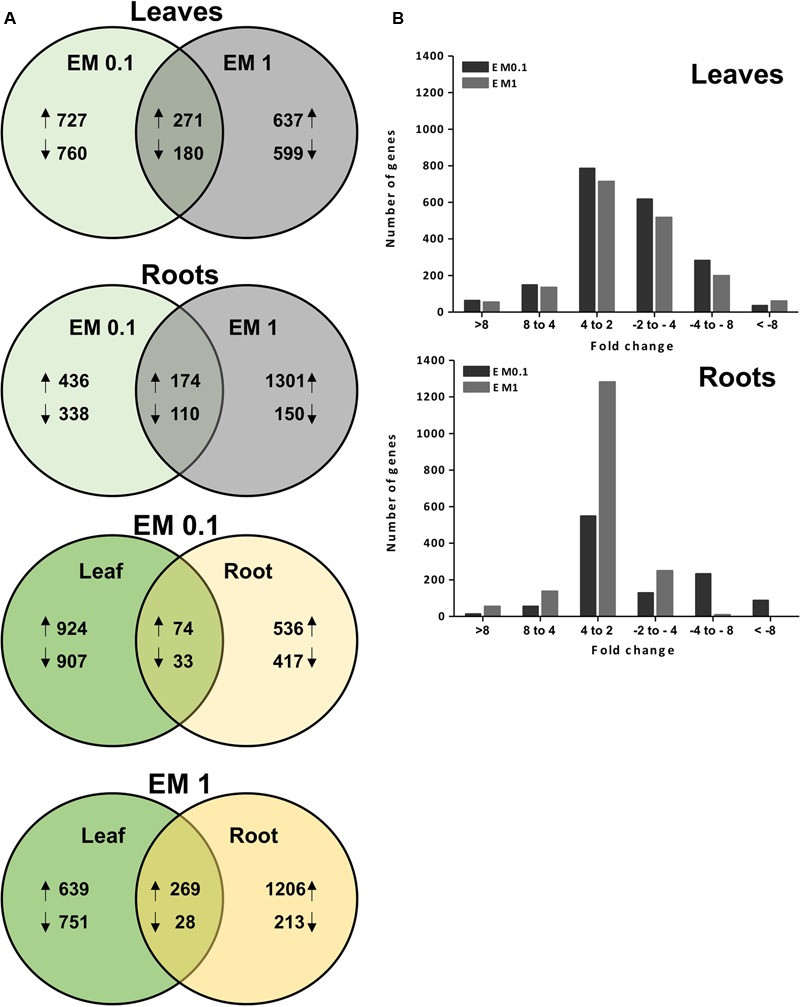
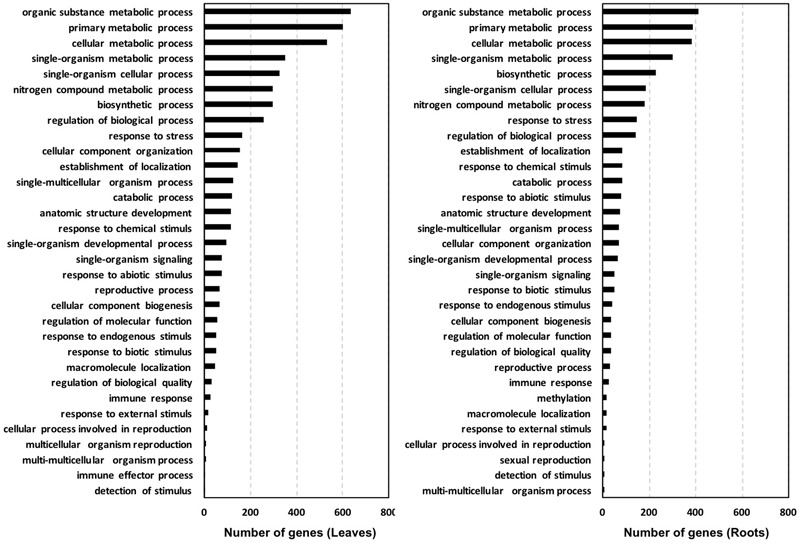
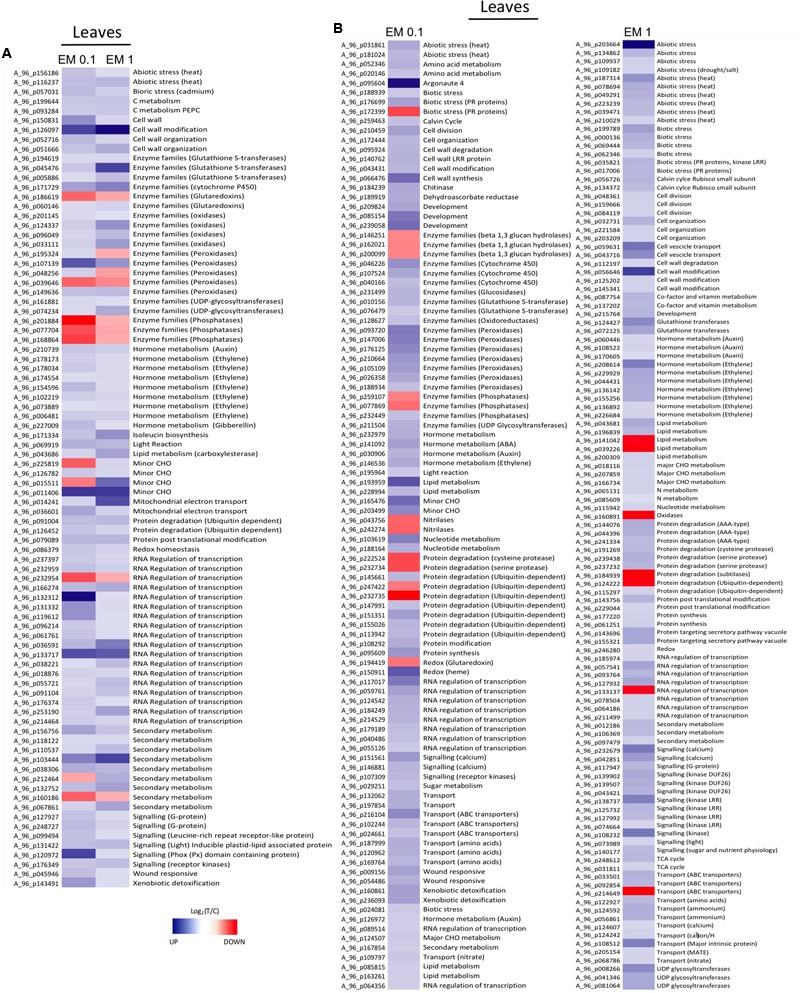
An -based protein hydrolysate (EM) has been tested in tomato ( L.) plants at two different concentrations (0.1 and 1 mL L) to get insight on its efficacy as biostimulant in this species and to unravel possible metabolic targets and molecular mechanisms that may shed light on its mode of action. EM was efficient in promoting the fresh biomass and content in chlorophyll and soluble sugars of tomato plants, especially when it was applied at the concentration of 1 mL L. This effect on plant productivity was likely related to the EM-dependent up-regulation of genes identified via microarray and involved in primary carbon and nitrogen metabolism, photosynthesis, nutrient uptake and developmental processes. EM also up-regulated a number of genes implied in the secondary metabolism that leads to the synthesis of compounds (phenols and terpenes) functioning in plant development and interaction with the environment. Concomitantly, phenol content was enhanced in EM-treated plants. Several new genes have been identified in tomato as potential targets of EM action, like those involved in detoxification processes from reactive oxygen species and xenobiotic (particularly glutathione/ascorbate cycle-related and ABC transporters), and defense against abiotic and biotic stress. The model hypothesized is that elicitors present in the EM formulation like auxins, phenolics, and amino acids, may trigger a signal transduction pathway via modulation of the intracellular levels of the hormones ethylene, jasmonic acid and abscissic acid, which then further prompt the activation of a cascade events requiring the presence and activity of many kinases and transcription factors to activate stress-related genes. The genes identified suggest these kinases and transcription factors as players involved in a complex crosstalk between biotic and abiotic stress signaling pathways. We conclude that EM acts as a biostimulant in tomato due to its capacity to stimulate plant productivity and up-regulate stress-related responses. Its use in agricultural practices may reduce the need of inorganic fertilizers and pesticides, thereby reducing the environmental impact of productive agriculture.
基于氨基酸的蛋白水解物(EM)已在番茄(L.)植株上以两种不同浓度(0.1和1 mL/L)进行了测试,以深入了解其作为该物种生物刺激剂的功效,并揭示可能有助于阐明其作用模式的潜在代谢靶点和分子机制。EM能有效促进番茄植株的鲜重以及叶绿素和可溶性糖含量,尤其是在以1 mL/L的浓度施用时。这种对植物生产力的影响可能与通过微阵列鉴定出的、参与初级碳氮代谢、光合作用、养分吸收和发育过程的基因的EM依赖性上调有关。EM还上调了许多参与次生代谢的基因,这些次生代谢导致合成在植物发育以及与环境相互作用中起作用的化合物(酚类和萜类)。与此同时,EM处理的植株中酚类含量增加。在番茄中已鉴定出几个新基因作为EM作用的潜在靶点,例如那些参与活性氧和异源生物解毒过程(特别是谷胱甘肽/抗坏血酸循环相关基因和ABC转运蛋白)以及抵御非生物和生物胁迫的基因。所假设的模型是,EM制剂中存在的诱导子如生长素、酚类和氨基酸,可能通过调节激素乙烯、茉莉酸和脱落酸的细胞内水平触发信号转导途径,进而进一步促使一系列需要许多激酶和转录因子的存在及活性来激活胁迫相关基因的级联事件的激活。所鉴定的基因表明这些激酶和转录因子参与了生物和非生物胁迫信号通路之间复杂的相互作用。我们得出结论,EM在番茄中作为生物刺激剂起作用,因为它有能力刺激植物生产力并上调胁迫相关反应。其在农业实践中的使用可能会减少无机肥料和农药的需求,从而降低生产性农业对环境的影响。