Bonwitt Jesse, Kandeh Martin, Dawson Michael, Ansumana Rashid, Sahr Foday, Kelly Ann H, Brown Hannah
Department of Anthropology, University of Durham, Durham, United Kingdom.
Department of Social Sciences, Njala University, Bo, Sierra Leone.
PLoS Negl Trop Dis. 2017 Jul 27;11(7):e0005699. doi: 10.1371/journal.pntd.0005699. eCollection 2017 Jul.
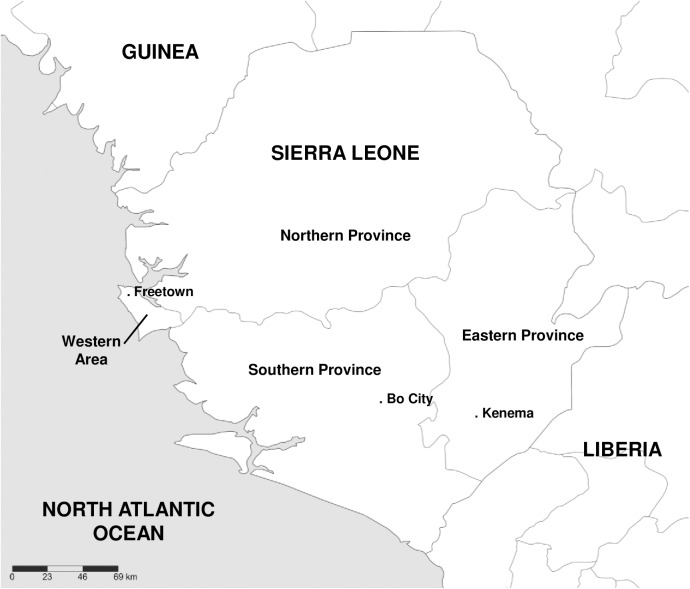
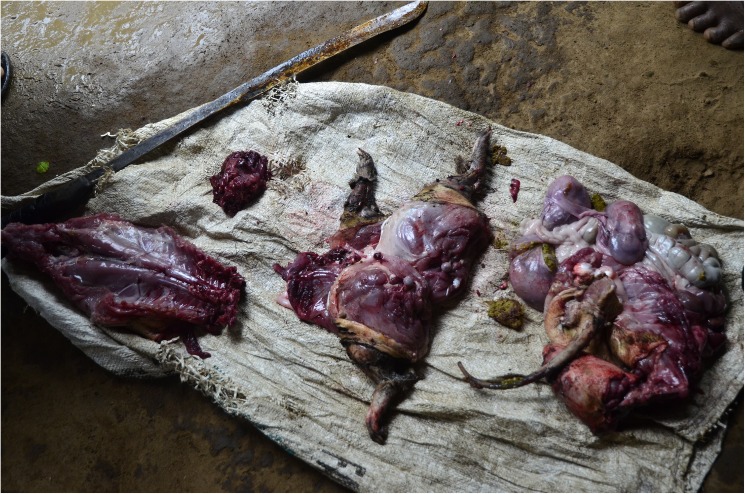
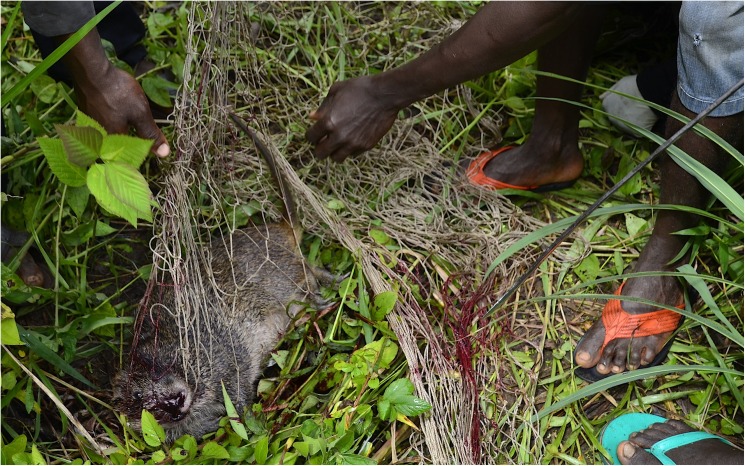
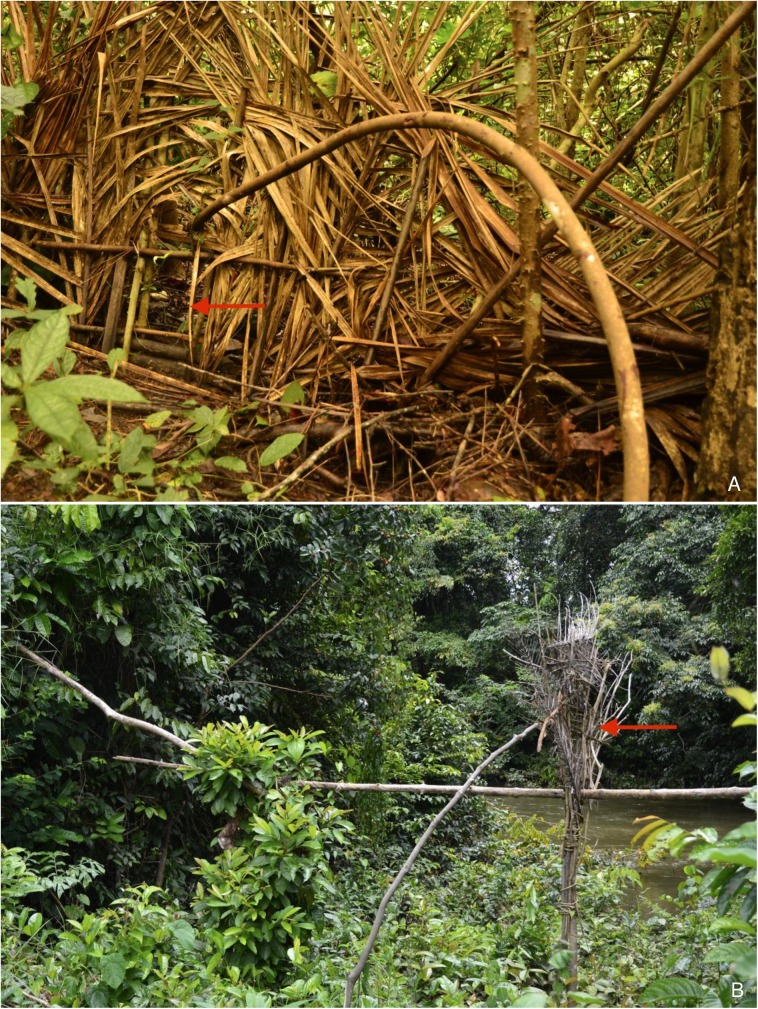
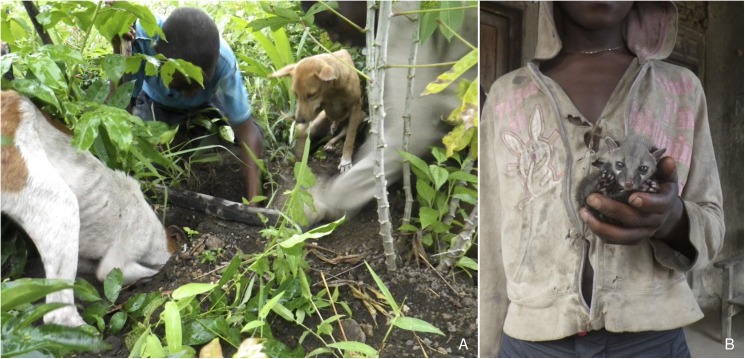
The emergence of infectious diseases of zoonotic origin highlights the need to understand social practices at the animal-human interface. This study provides a qualitative account of interactions between humans and wild animals in predominantly Mende villages of southern Sierra Leone. We conducted fieldwork over 4 months including participant and direct observations, semi-structured interviews (n = 47), spontaneously occurring focus group discussions (n = 12), school essays and informal interviews to describe behaviours that may serve as pathways for zoonotic infection. In this region, hunting is the primary form of contact with wild animals. We describe how these interactions are shaped by socio-cultural contexts, including opportunities to access economic resources and by social obligations and constraints. Our research suggests that the potential for exposure to zoonotic pathogens is more widely distributed across different age, gender and social groups than previously appreciated. We highlight the role of children in hunting, an age group that has previously not been discussed in the context of hunting. The breadth of the "at risk" population forces reconsideration of how we conceptualize, trace and monitor pathogen exposure.
人畜共患传染病的出现凸显了了解动物与人类接触界面的社会行为的必要性。本研究对塞拉利昂南部以门德族为主的村庄中人类与野生动物之间的互动进行了定性描述。我们进行了为期4个月的实地调查,包括参与观察和直接观察、半结构化访谈(n = 47)、自发组织的焦点小组讨论(n = 12)、学校作文以及非正式访谈,以描述可能成为人畜共患感染途径的行为。在该地区,狩猎是与野生动物接触的主要形式。我们描述了这些互动是如何受到社会文化背景影响的,包括获取经济资源的机会以及社会义务和限制。我们的研究表明,接触人畜共患病原体的可能性在不同年龄、性别和社会群体中的分布比之前认为的更为广泛。我们强调了儿童在狩猎中的作用,这一年龄组此前在狩猎背景下未被讨论过。“高危”人群的广泛程度促使我们重新思考如何对病原体接触进行概念化、追踪和监测。