Romagnuolo Rocco, Scipione Corey A, Marcovina Santica M, Gemin Matthew, Seidah Nabil G, Boffa Michael B, Koschinsky Marlys L
Department of Chemistry & Biochemistry, University of Windsor, Windsor, Ontario, Canada.
Department of Medicine, Northwest Lipid Research Laboratories, University of Washington, Seattle, Washington, United States of America.
PLoS One. 2017 Jul 27;12(7):e0180869. doi: 10.1371/journal.pone.0180869. eCollection 2017.
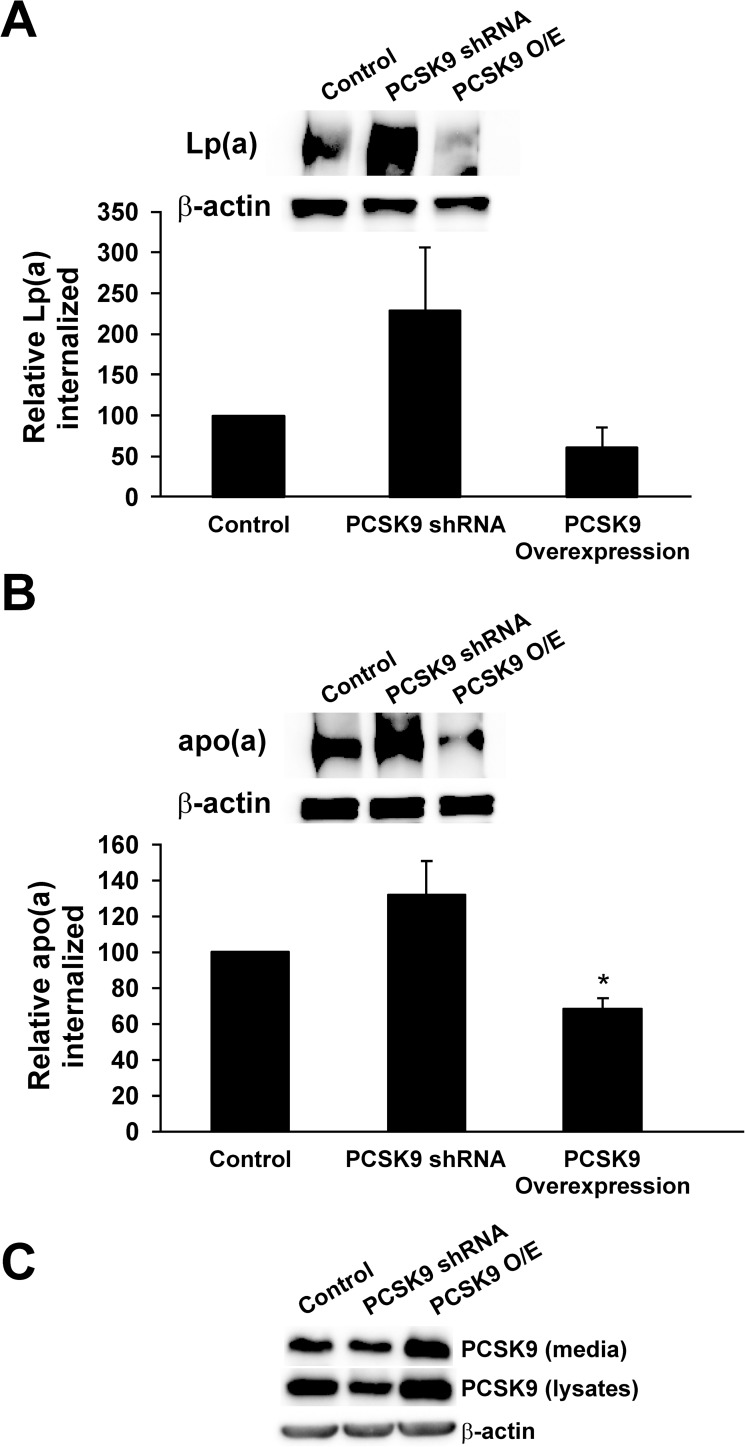
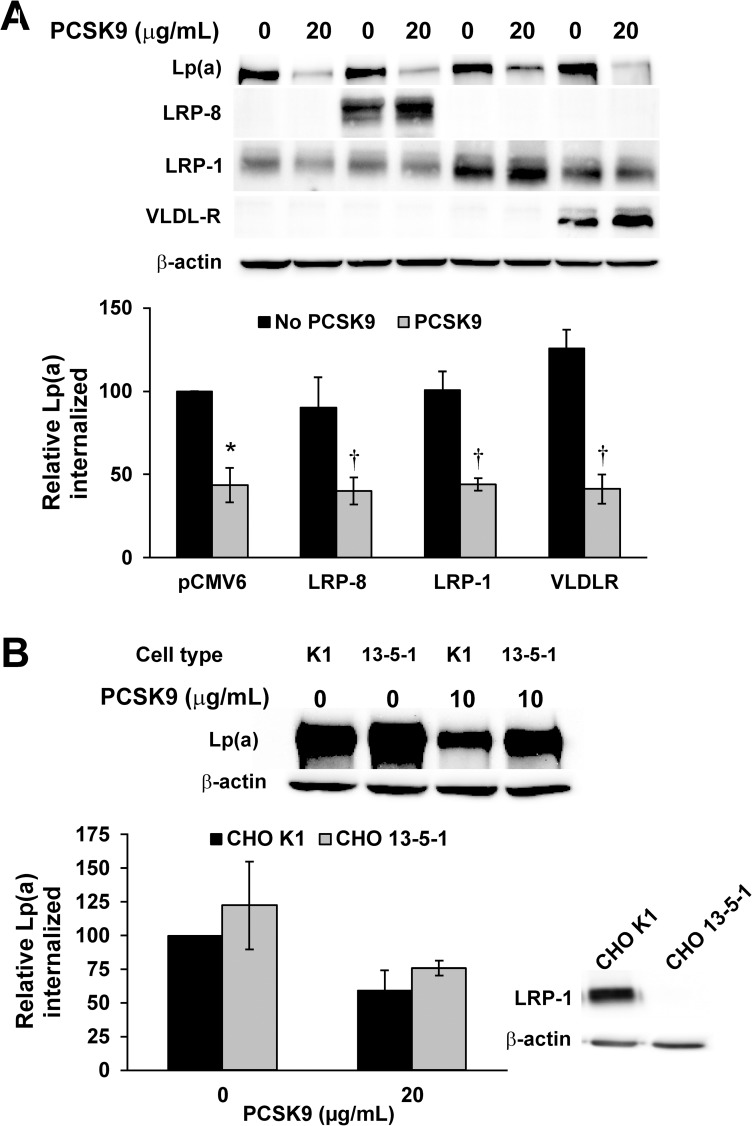
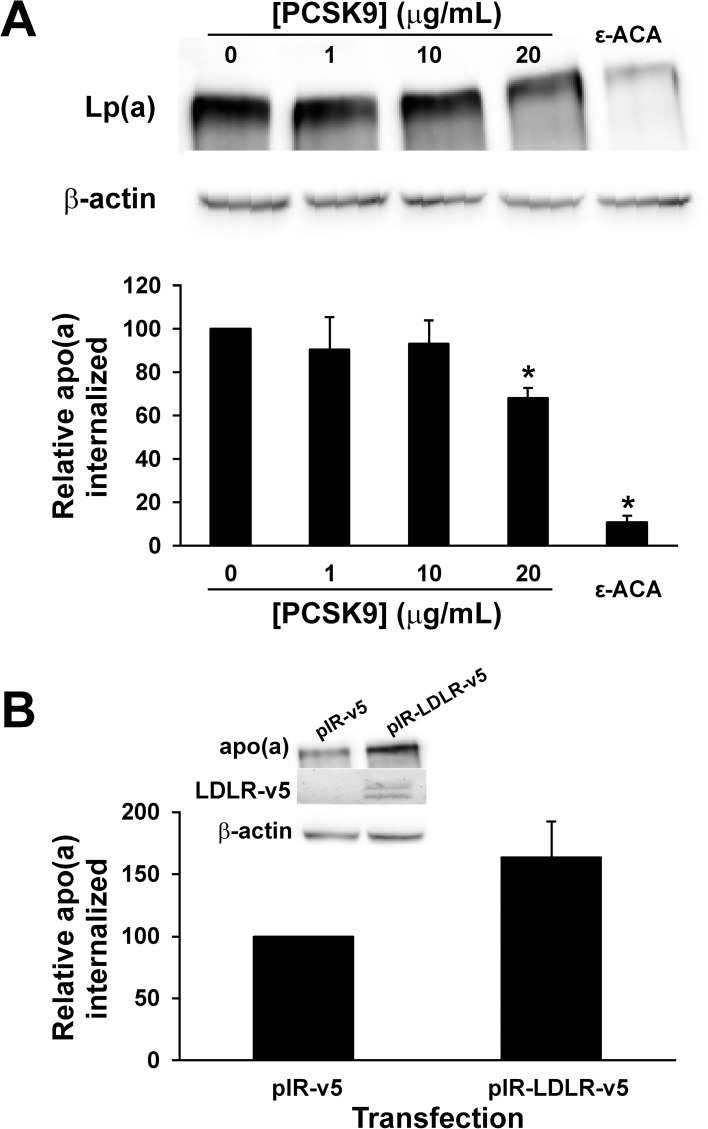
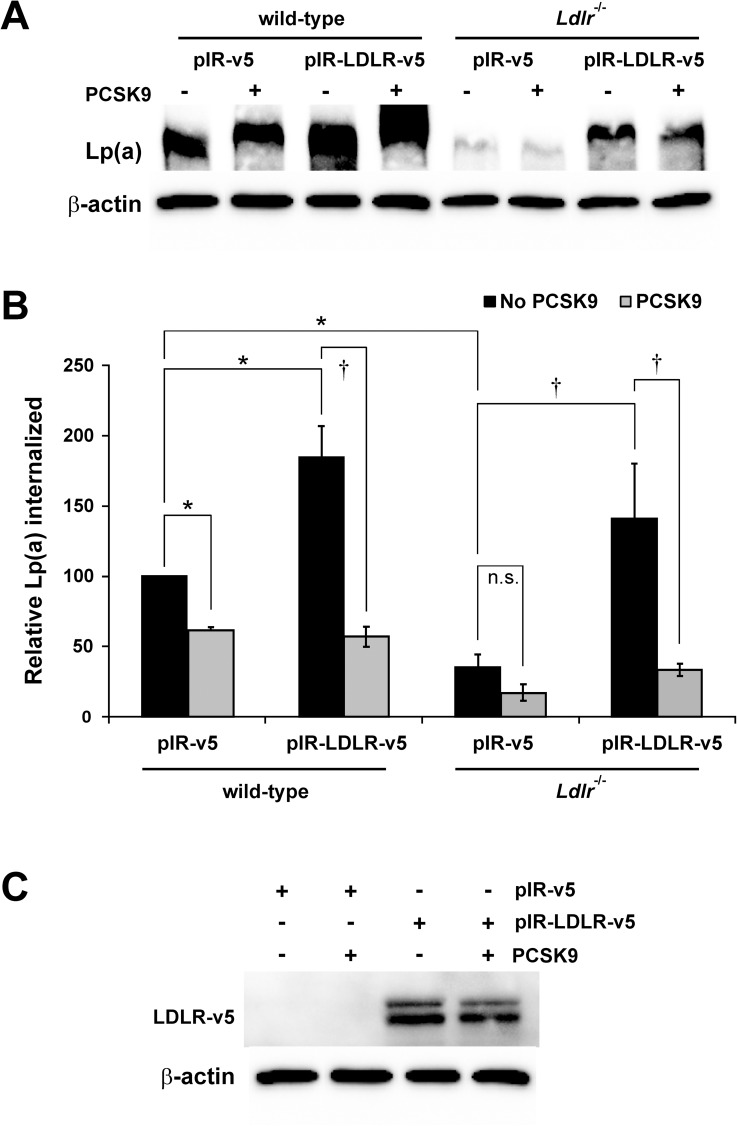
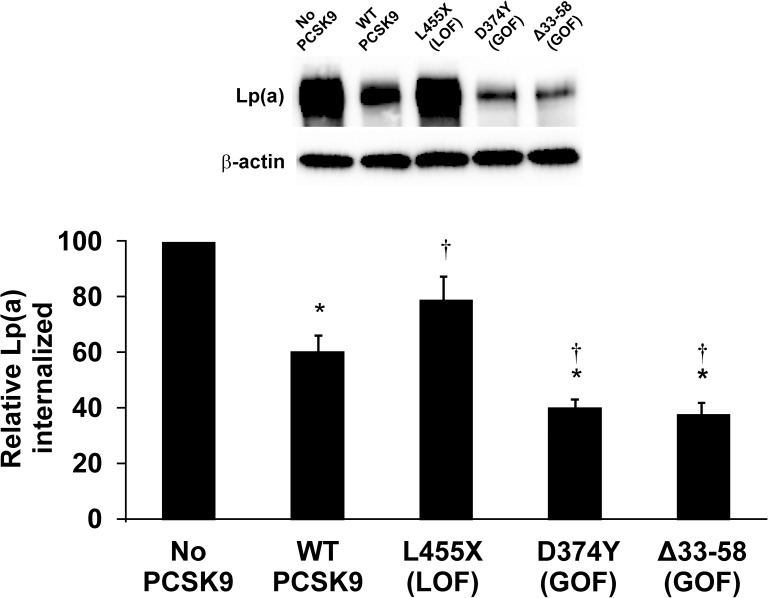
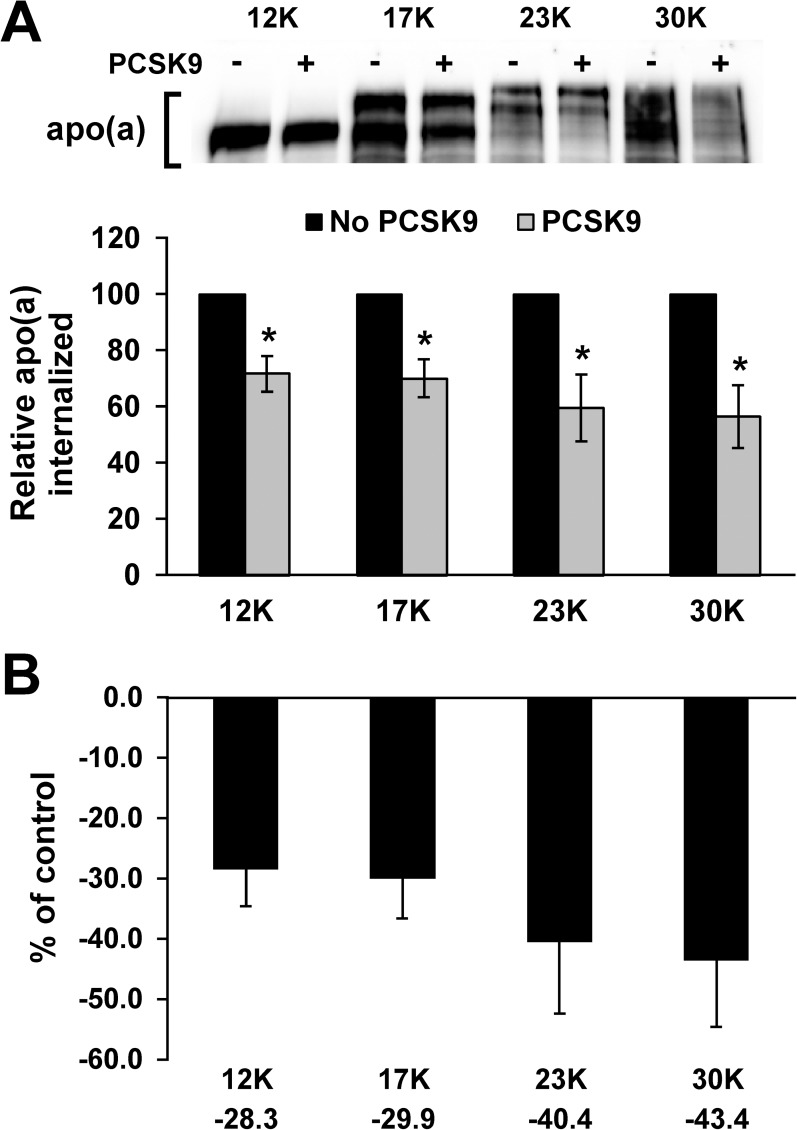
Elevated plasma concentrations of lipoprotein(a) (Lp(a)) are a causal risk factor for cardiovascular disease. The mechanisms underlying Lp(a) clearance from plasma remain unclear, which is an obvious barrier to the development of therapies to specifically lower levels of this lipoprotein. Recently, it has been documented that monoclonal antibody inhibitors of proprotein convertase subtilisin/kexin type 9 (PCSK9) can lower plasma Lp(a) levels by 30%. Since PCSK9 acts primarily through the low density lipoprotein receptor (LDLR), this result is in conflict with the prevailing view that the LDLR does not participate in Lp(a) clearance. To support our recent findings in HepG2 cells that the LDLR can act as a bona fide receptor for Lp(a) whose effects are sensitive to PCSK9, we undertook a series of Lp(a) internalization experiments using different hepatic cells, with different variants of PCSK9, and with different members of the LDLR family. We found that PCSK9 decreased Lp(a) and/or apo(a) internalization by Huh7 human hepatoma cells and by primary mouse and human hepatocytes. Overexpression of human LDLR appeared to enhance apo(a)/Lp(a) internalization in both types of primary cells. Importantly, internalization of Lp(a) by LDLR-deficient mouse hepatocytes was not affected by PCSK9, but the effect of PCSK9 was restored upon overexpression of human LDLR. In HepG2 cells, Lp(a) internalization was decreased by gain-of-function mutants of PCSK9 more than by wild-type PCSK9, and a loss-of function variant had a reduced ability to influence Lp(a) internalization. Apo(a) internalization by HepG2 cells was not affected by apo(a) isoform size. Finally, we showed that very low density lipoprotein receptor (VLDLR), LDR-related protein (LRP)-8, and LRP-1 do not play a role in Lp(a) internalization or the effect of PCSK9 on Lp(a) internalization. Our findings are consistent with the idea that PCSK9 inhibits Lp(a) clearance through the LDLR, but do not exclude other effects of PCSK9 such as on Lp(a) biosynthesis.
血浆脂蛋白(a)[Lp(a)]浓度升高是心血管疾病的一个因果风险因素。Lp(a)从血浆中清除的潜在机制尚不清楚,这明显阻碍了专门降低这种脂蛋白水平的治疗方法的开发。最近,有文献记载,前蛋白转化酶枯草溶菌素/克新9型(PCSK9)单克隆抗体抑制剂可使血浆Lp(a)水平降低30%。由于PCSK9主要通过低密度脂蛋白受体(LDLR)发挥作用,这一结果与LDLR不参与Lp(a)清除的主流观点相矛盾。为了支持我们最近在HepG2细胞中的发现,即LDLR可以作为Lp(a)的真正受体,其作用对PCSK9敏感,我们使用不同的肝细胞、不同变体的PCSK9以及LDLR家族的不同成员进行了一系列Lp(a)内化实验。我们发现,PCSK9可降低Huh7人肝癌细胞以及原代小鼠和人肝细胞对Lp(a)和/或载脂蛋白(a)[apo(a)]的内化。人LDLR的过表达似乎增强了两种原代细胞中apo(a)/Lp(a)的内化。重要的是,LDLR缺陷型小鼠肝细胞对Lp(a)的内化不受PCSK9影响,但在人LDLR过表达后,PCSK9的作用得以恢复。在HepG2细胞中,PCSK9功能获得性突变体比野生型PCSK9更能降低Lp(a)的内化,而功能丧失变体影响Lp(a)内化的能力降低。HepG2细胞对apo(a)的内化不受apo(a)异构体大小的影响。最后,我们表明极低密度脂蛋白受体(VLDLR)、LDLR相关蛋白(LRP)-8和LRP-1在Lp(a)内化或PCSK9对Lp(a)内化的作用中不起作用。我们的发现与PCSK9通过LDLR抑制Lp(a)清除的观点一致,但不排除PCSK9的其他作用,如对Lp(a)生物合成的作用。