Medical Microbiology and Immunology, University of Wisconsin-Madison, Madison, United States.
Graduate Program in Cellular and Molecular Biology, University of Wisconsin-Madison, Madison, United States.
Elife. 2017 Jul 31;6:e26910. doi: 10.7554/eLife.26910.
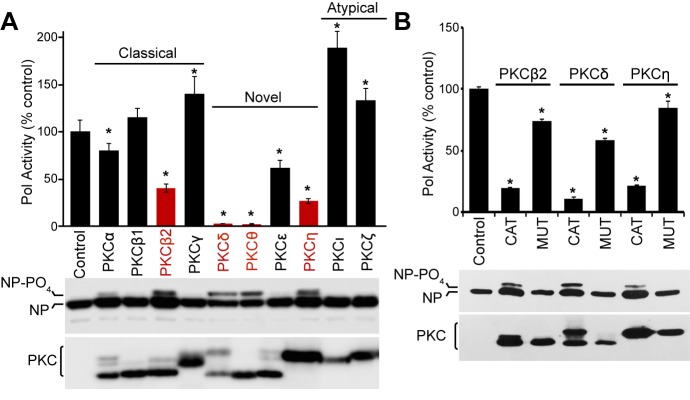
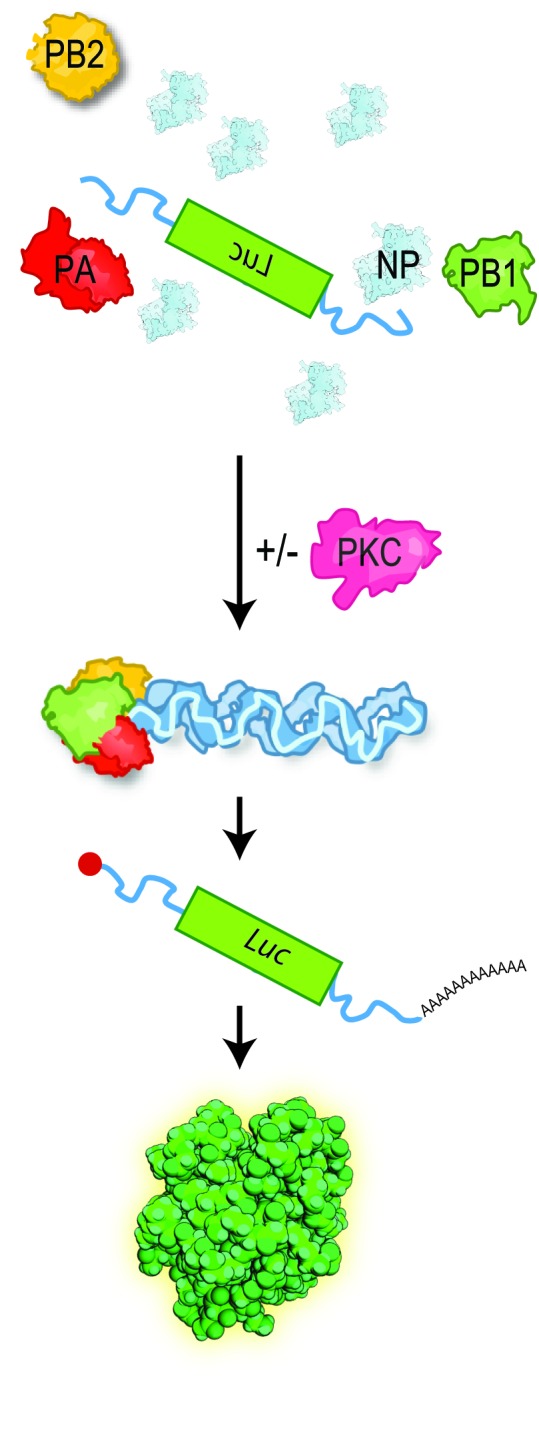
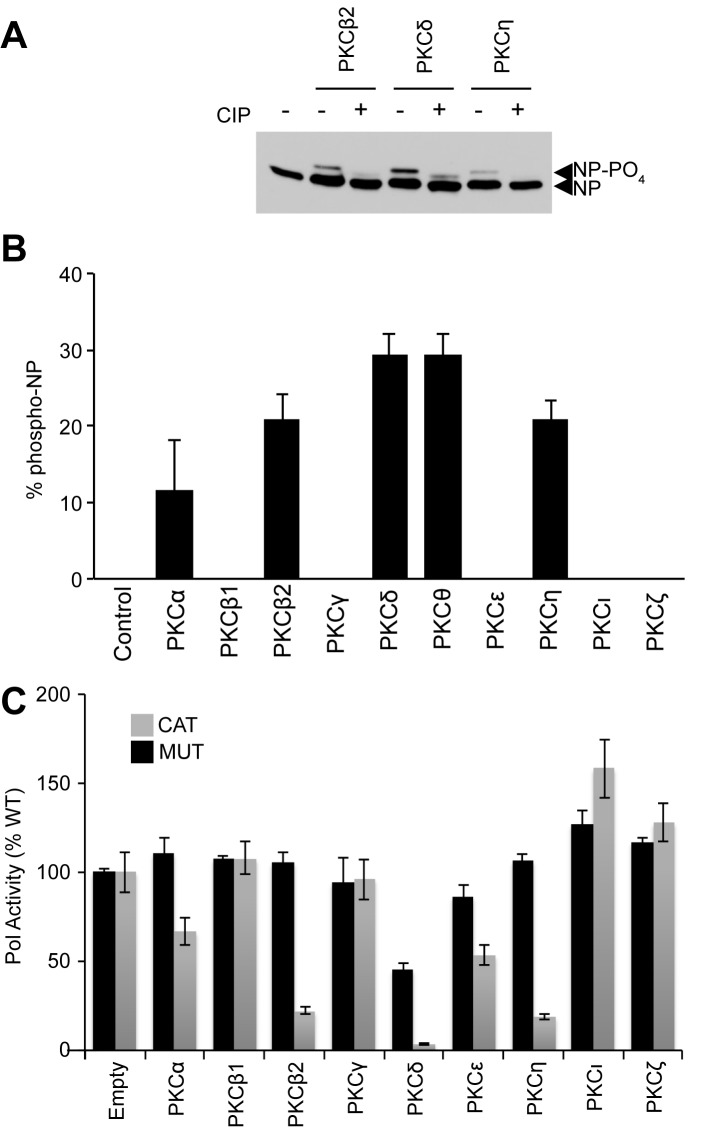
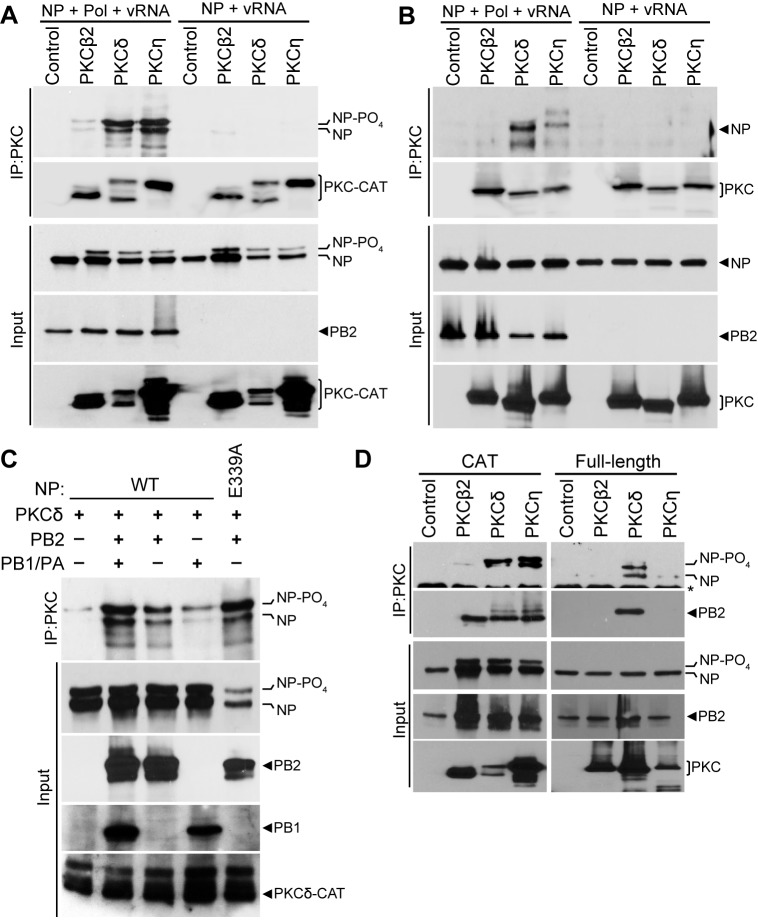
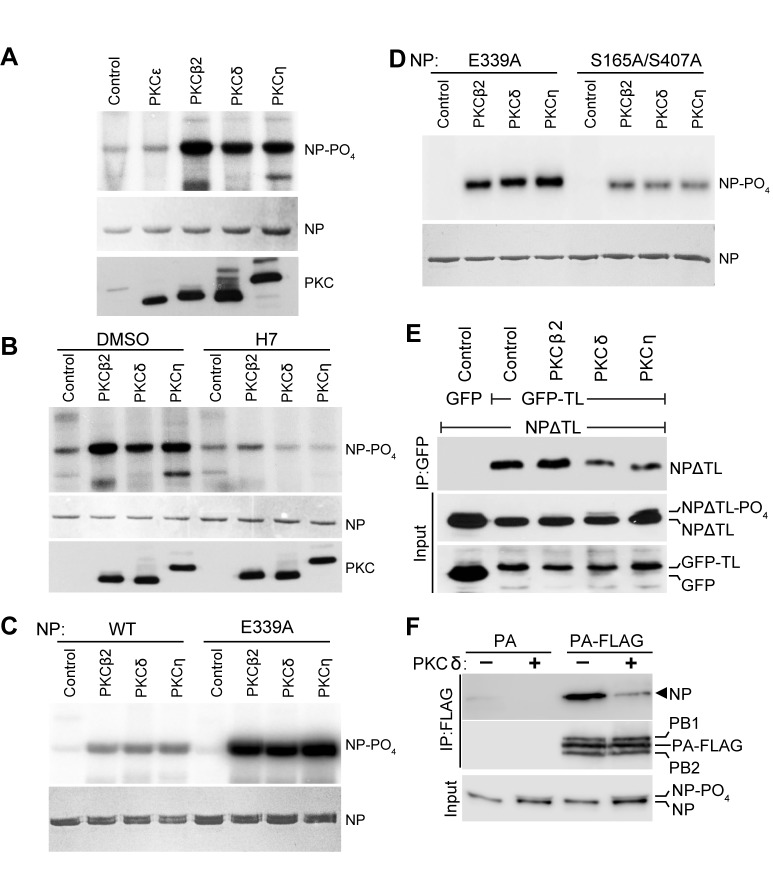
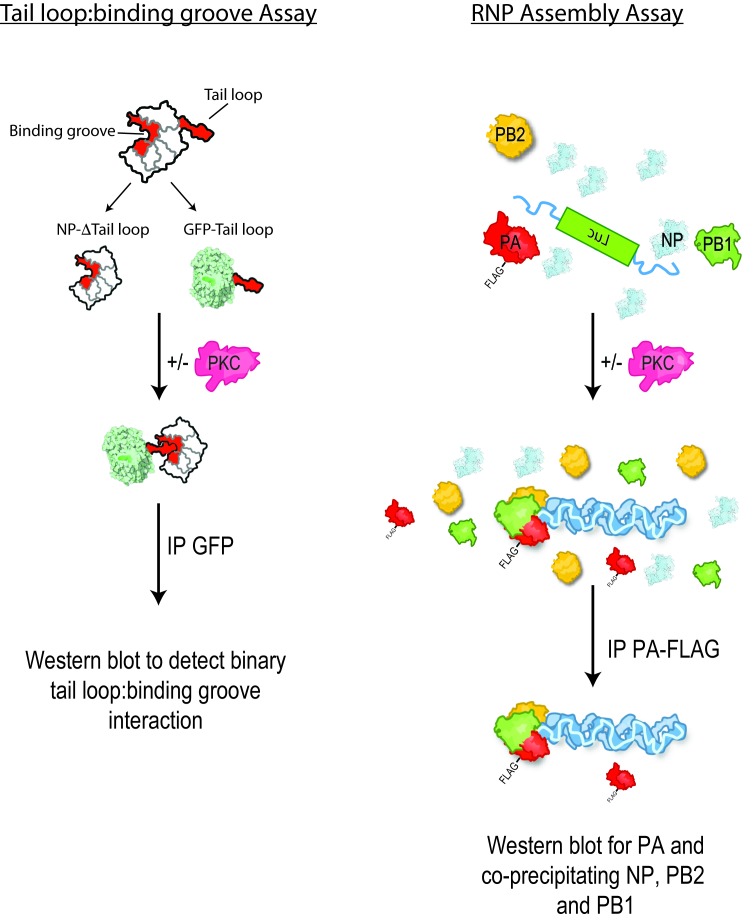
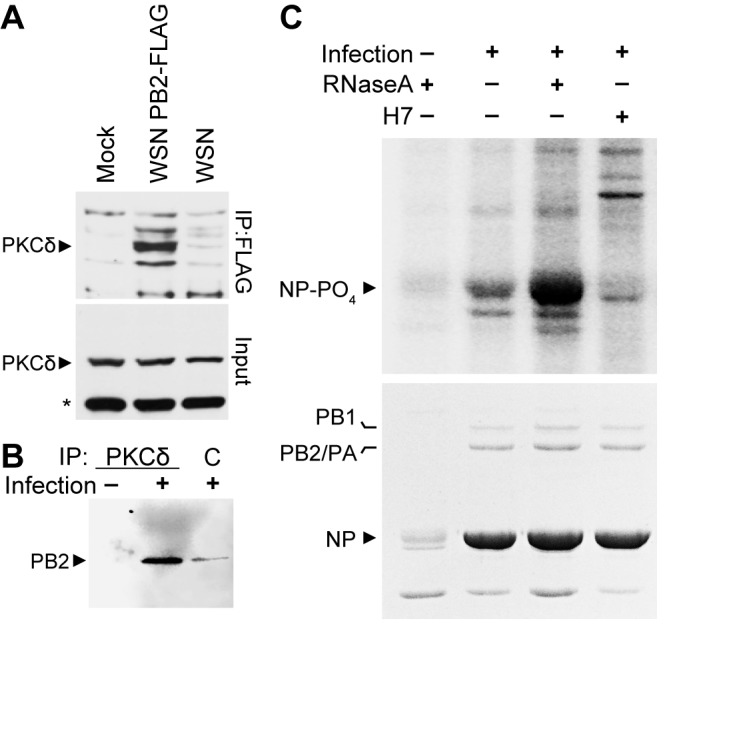
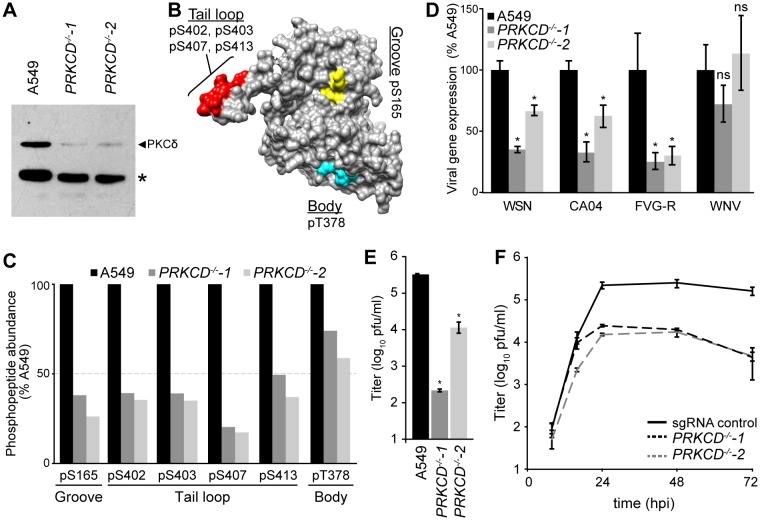
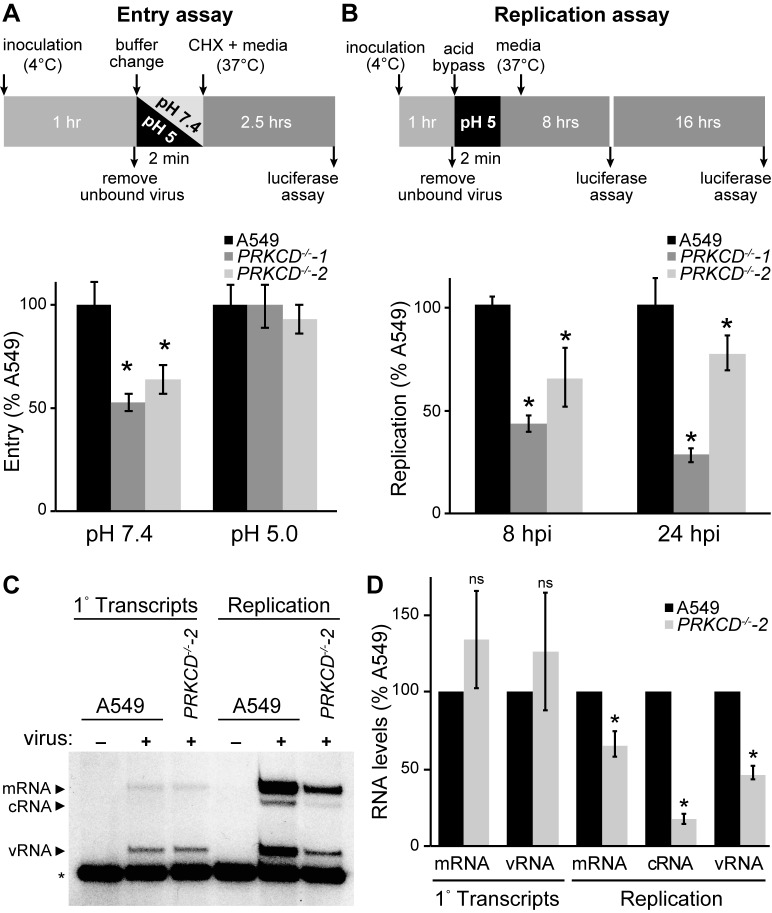
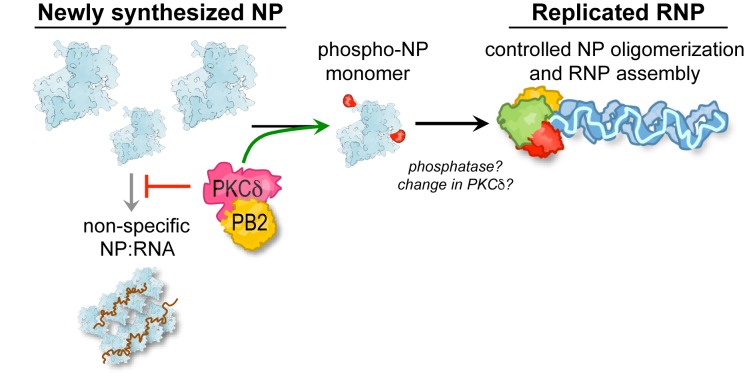
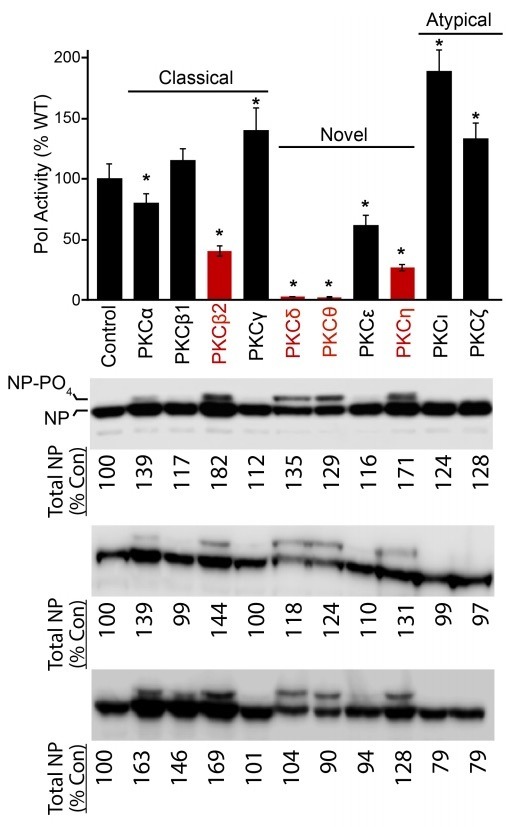
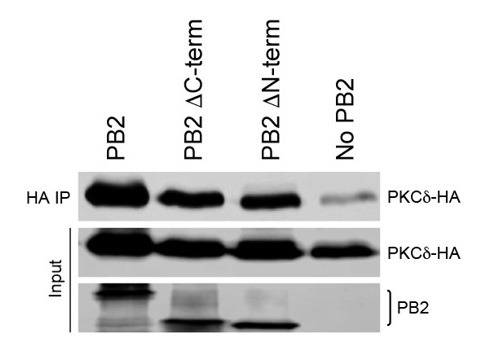
Influenza virus expresses transcripts early in infection and transitions towards genome replication at later time points. This process requires de novo assembly of the viral replication machinery, large ribonucleoprotein complexes (RNPs) composed of the viral polymerase, genomic RNA and oligomeric nucleoprotein (NP). Despite the central role of RNPs during infection, the factors dictating where and when they assemble are poorly understood. Here we demonstrate that human protein kinase C (PKC) family members regulate RNP assembly. Activated PKCδ interacts with the polymerase subunit PB2 and phospho-regulates NP oligomerization and RNP assembly during infection. Consistent with its role in regulating RNP assembly, knockout of PKCδ impairs virus infection by selectively disrupting genome replication. However, primary transcription from pre-formed RNPs deposited by infecting particles is unaffected. Thus, influenza virus exploits host PKCs to regulate RNP assembly, a step required for the transition from primary transcription to genome replication during the infectious cycle.
流感病毒在感染早期表达转录本,并在稍后的时间点转向基因组复制。这一过程需要新组装病毒复制机制,即由病毒聚合酶、基因组 RNA 和寡聚核蛋白(NP)组成的大型核糖核蛋白复合物(RNP)。尽管 RNP 在感染过程中起着核心作用,但决定它们在哪里以及何时组装的因素仍知之甚少。在这里,我们证明了人类蛋白激酶 C(PKC)家族成员调节 RNP 的组装。激活的 PKCδ 与聚合酶亚基 PB2 相互作用,并在感染过程中磷酸化调节 NP 寡聚化和 RNP 的组装。与其在调节 RNP 组装中的作用一致,PKCδ 的敲除通过选择性破坏基因组复制而损害病毒感染。然而,由感染颗粒沉积的预先形成的 RNP 进行的初级转录不受影响。因此,流感病毒利用宿主 PKCs 来调节 RNP 的组装,这是感染周期中从初级转录到基因组复制过渡所必需的步骤。