Acevedo Alison, Androulakis Ioannis P
Biomedical Engineering Department, Rutgers University, United States.
Chemical and Biochemical Engineering Department, Rutgers University, United States.
Heliyon. 2017 Jul 17;3(7):e00355. doi: 10.1016/j.heliyon.2017.e00355. eCollection 2017 Jul.
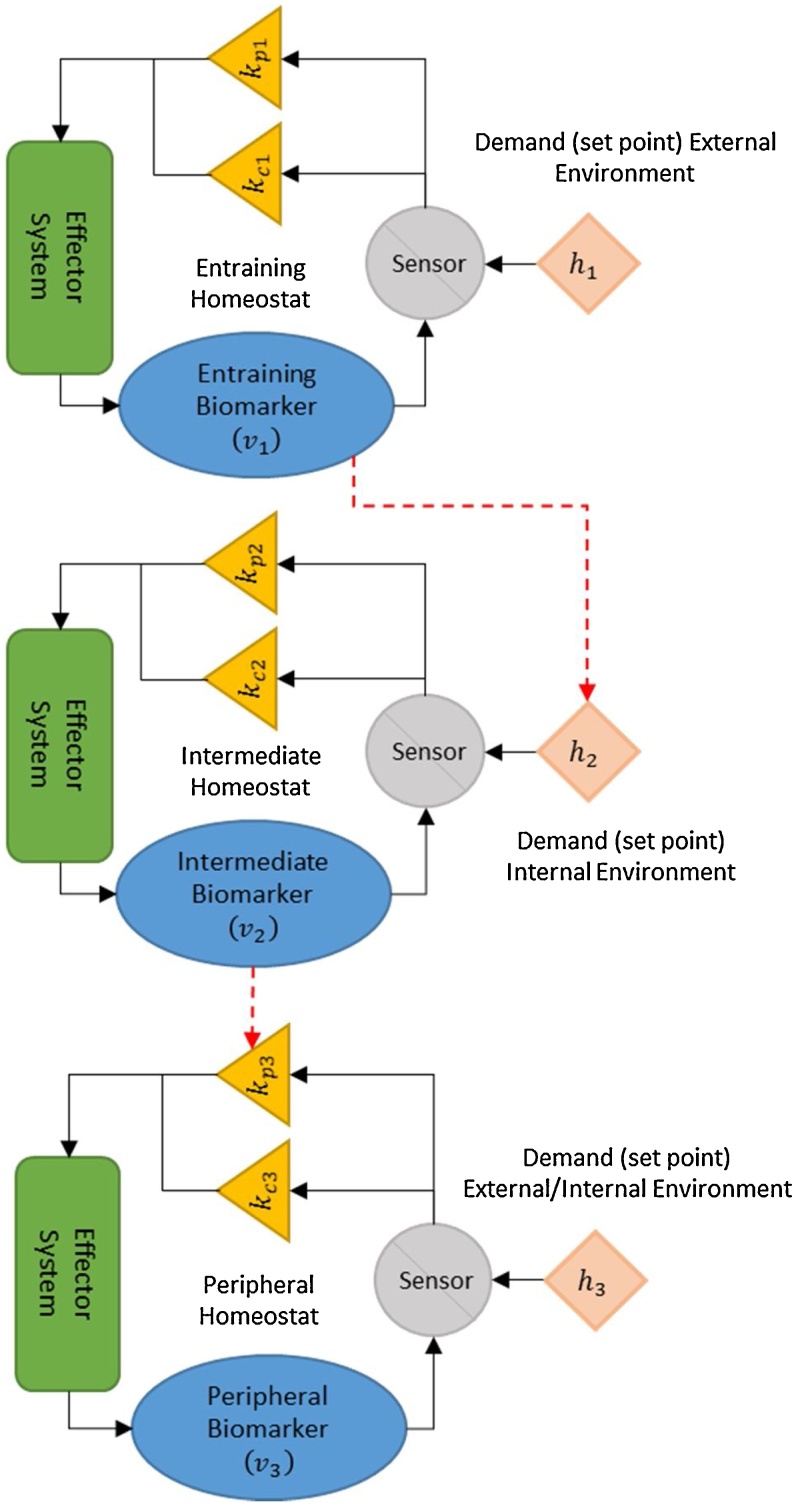
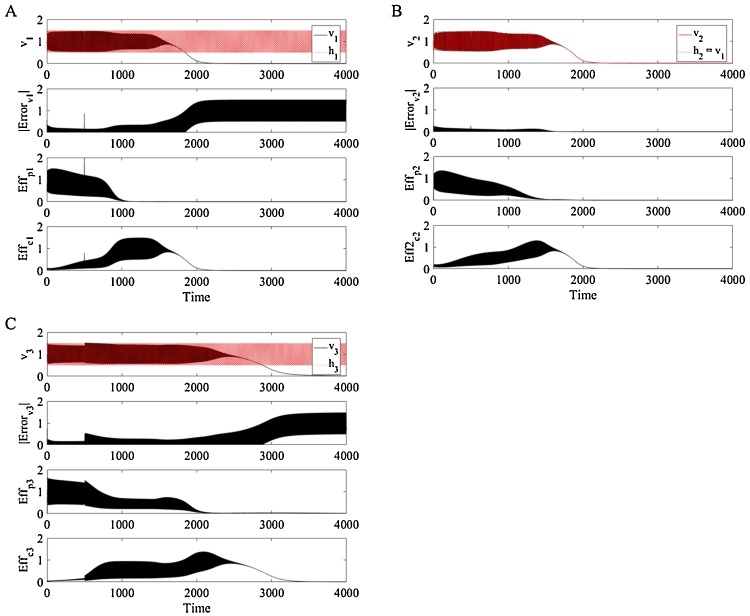
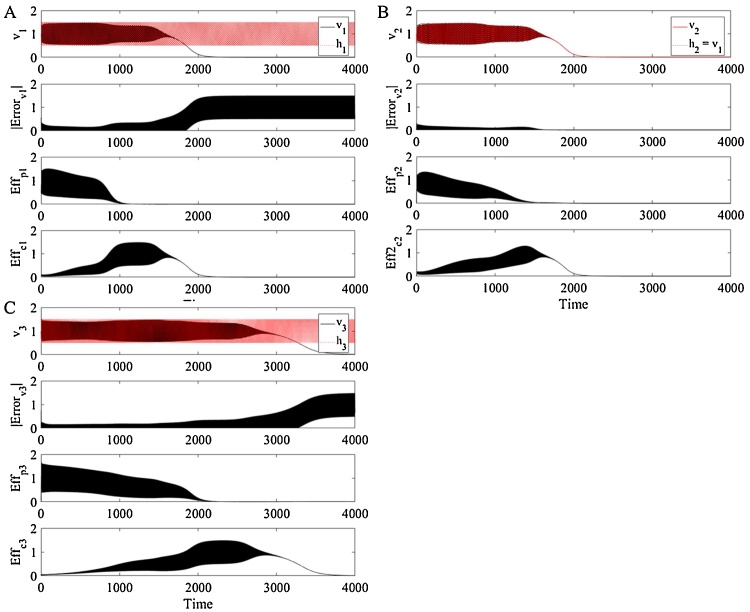
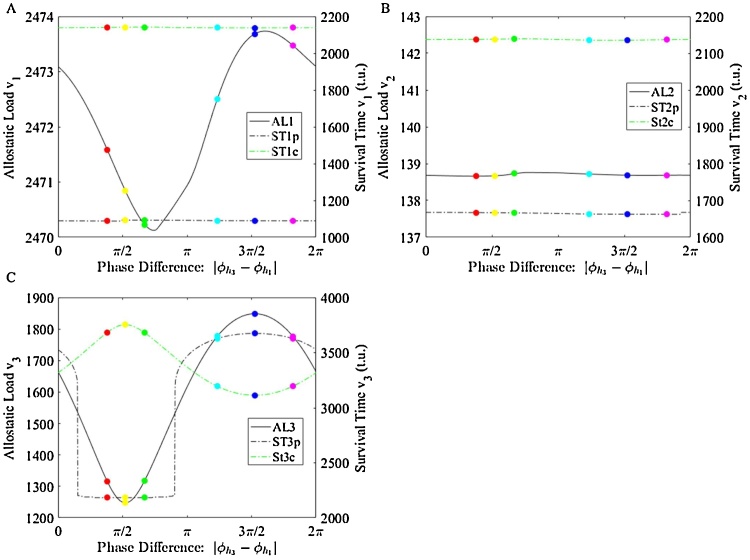
Homeostasis posits that physiological systems compensate setpoint deviations in an attempt to maintain a state of internal constancy. Allostasis, on the other hand, suggests that physiological regulation is more appropriately described by predictive modulatory actions that, by adjusting setpoints, anticipate and react to changes in internal and external demand. In other words, "maintaining stability through change." The allostatic perspective enabled the rationalization of predictive and reactive homeostasis. While the latter reflects external perturbations, the former refers to systemic adaptation in response to anticipated changes - not necessarily related to unexpected external disturbances. Therefore, the concept of allostasis accounts also for adaptation to circadian variations (seasonal, circannual or other predictive variability) and interprets the system's adaptation of its setpoints not as reactive/subnormal adjustments, but rather as a proper response. Therefore, systemic entrainment to periodic demands is handled by predicting and implementing setpoint changes. Given the important role of circadian variability and regulation in maintaining health, and the loss of circadian entrainment as a predisposing factor and sequel of stress, we elaborate on an allostasis model which demonstrates the ability of the systems to adapt to circadian demands and quantifies the deteriorative natural wear and tear of a system constantly adapting, i.e. the irreversible damage and its consequences on system function and overall survival. While developing a system of cascaded nature, we demonstrate the importance of phase coordination and the implications of maintaining proper phase relations. The disruption of these relations is a hallmark of circadian disruption, a predisposing factor to increased vulnerability and/or a sequel to chronic stress.
稳态假说认为,生理系统会对设定点偏差进行补偿,以维持内部恒定状态。另一方面,适应性稳态则表明,生理调节更适合用预测性调节作用来描述,即通过调整设定点,对内部和外部需求的变化进行预期和反应。换句话说,就是“通过变化维持稳定”。适应性稳态观点使预测性和反应性稳态得以合理化。虽然后者反映外部扰动,但前者指的是系统针对预期变化的适应性调整——不一定与意外的外部干扰相关。因此,适应性稳态概念也解释了对昼夜节律变化(季节性、年周期或其他预测性变化)的适应,并将系统设定点的调整解释为一种适当反应,而非反应性/低于正常水平的调整。所以,系统对周期性需求的同步是通过预测和实施设定点变化来实现的。鉴于昼夜节律变化和调节在维持健康方面的重要作用,以及昼夜节律同步的丧失作为压力的诱发因素和后果,我们详细阐述了一个适应性稳态模型,该模型展示了系统适应昼夜节律需求的能力,并量化了不断适应的系统的自然退化性损耗,即不可逆转的损害及其对系统功能和整体生存的影响。在构建一个具有级联性质的系统时,我们展示了相位协调的重要性以及维持适当相位关系的意义。这些关系的破坏是昼夜节律紊乱的标志,是易感性增加的诱发因素和/或慢性压力的后果。