Rajala Pauliina, Bomberg Malin, Huttunen-Saarivirta Elina, Priha Outi, Tausa Mikko, Carpén Leena
VTT Technical Research Centre of Finland, Espoo 02044-VTT, Finland.
Teollisuuden Voima Oyj, Eurajoki 27160, Finland.
Materials (Basel). 2016 Jun 15;9(6):475. doi: 10.3390/ma9060475.
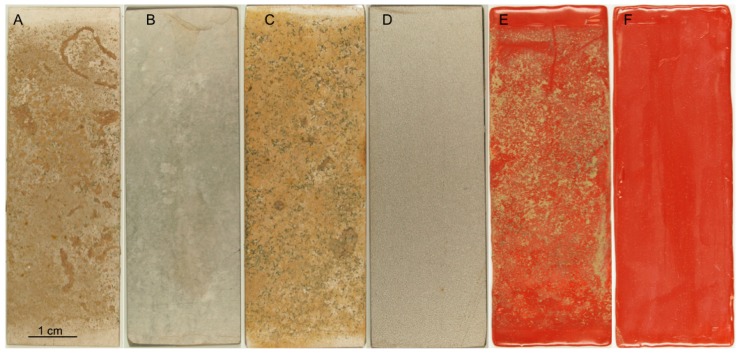
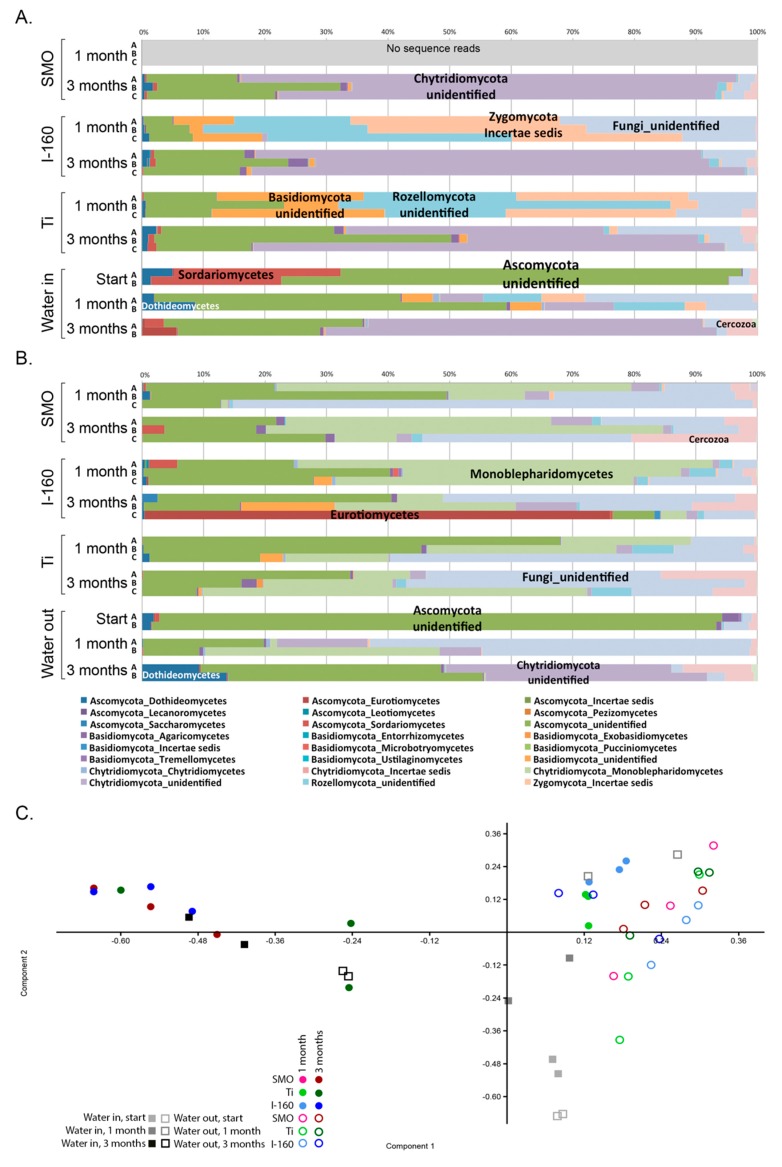
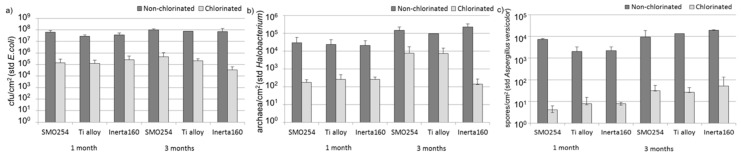
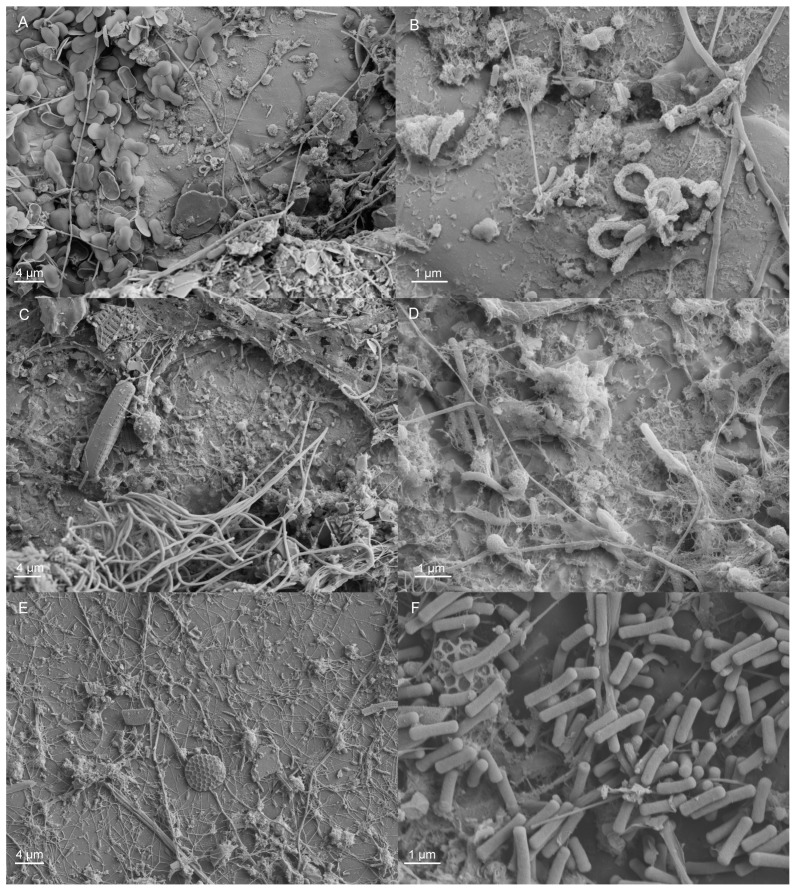
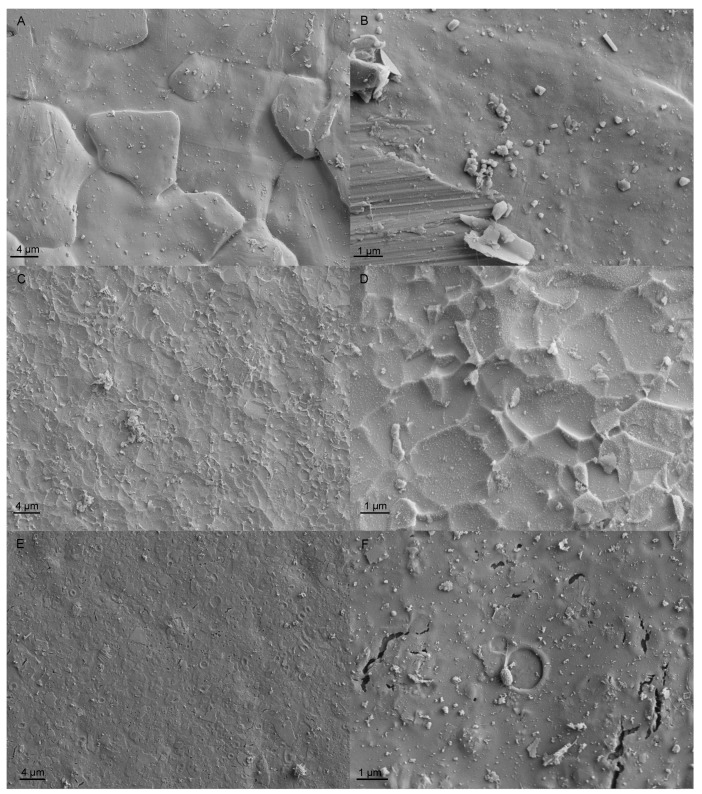
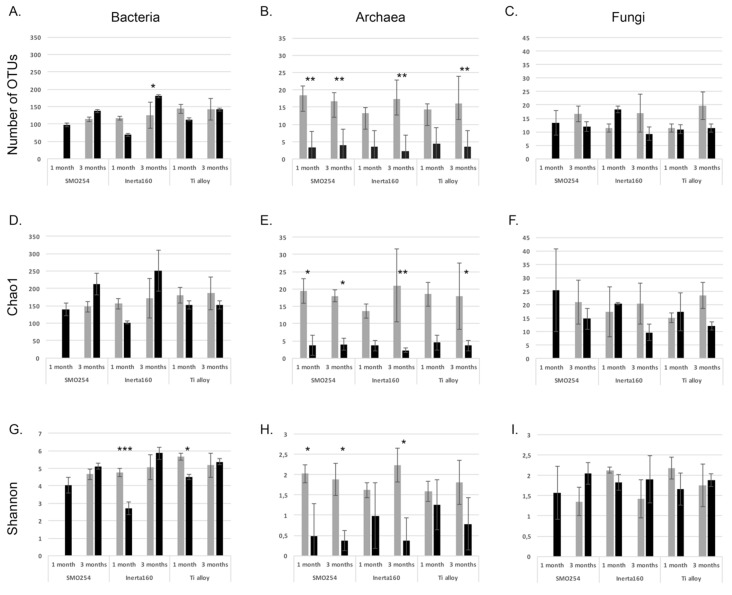
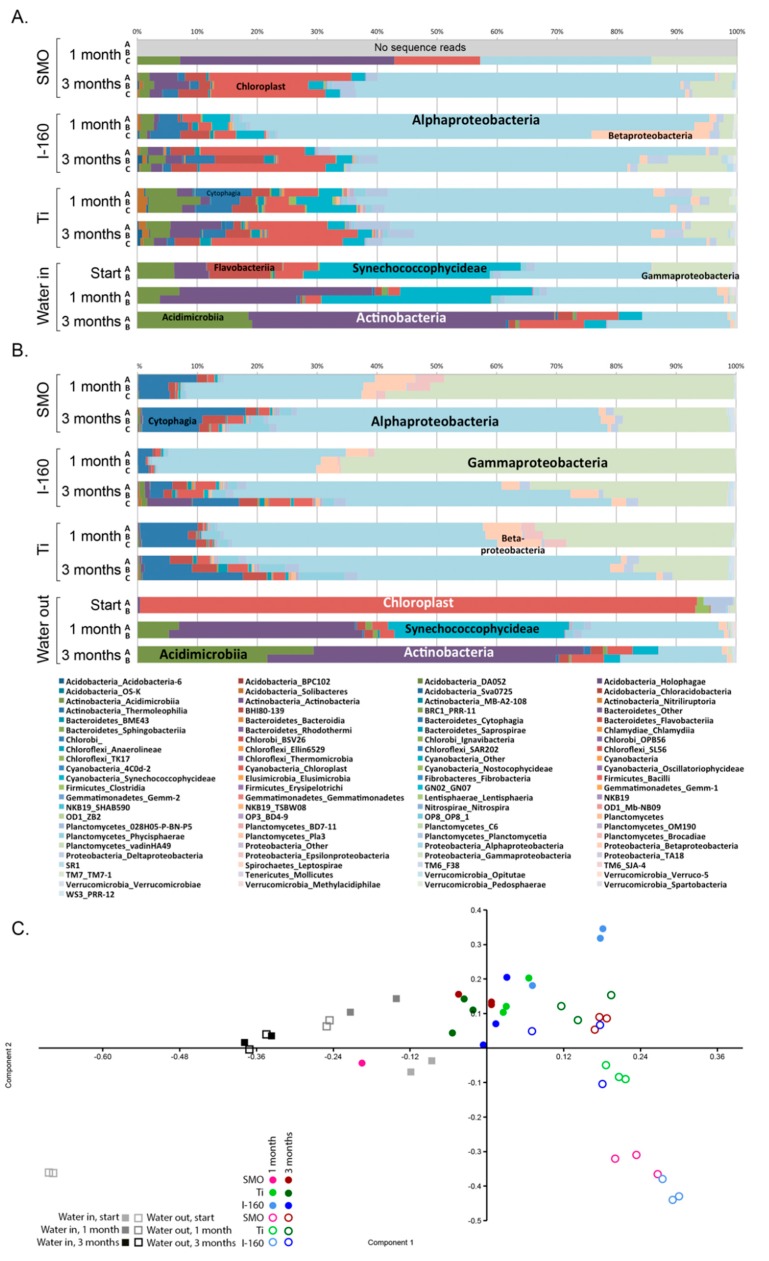
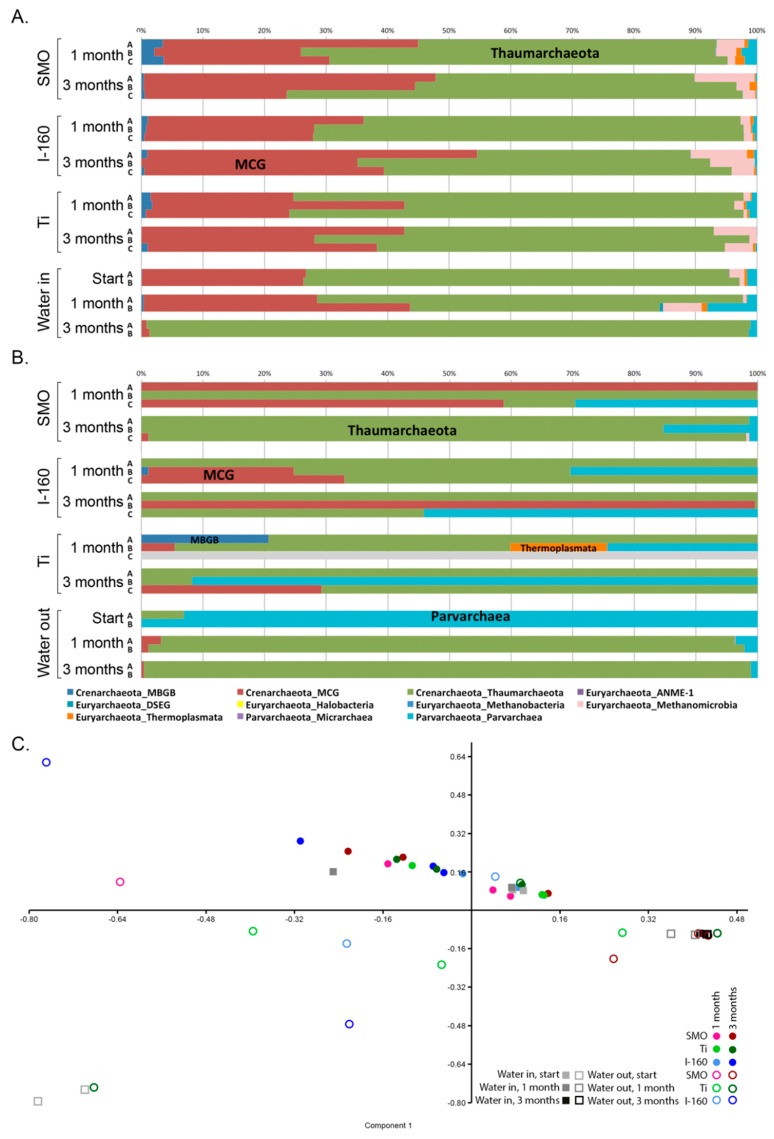
Cooling systems remove heat from components and industrial equipment. Water cooling, employing natural waters, is typically used for cooling large industrial facilities, such as power plants, factories or refineries. Due to moderate temperatures, cooling water cycles are susceptible to biofouling, inorganic fouling and scaling, which may reduce heat transfer and enhance corrosion. Hypochlorite treatment or antifouling coatings are used to prevent biological fouling in these systems. In this research, we examine biofouling and materials' degradation in a brackish seawater environment using a range of test materials, both uncoated and coated. The fouling and corrosion resistance of titanium alloy (Ti-6Al-4V), super austenitic stainless steel (254SMO) and epoxy-coated carbon steel (Intershield Inerta160) were studied in the absence and presence of hypochlorite. Our results demonstrate that biological fouling is intensive in cooling systems using brackish seawater in sub-arctic areas. The microfouling comprised a vast diversity of bacteria, archaea, fungi, algae and protozoa. Chlorination was effective against biological fouling: up to a 10-1000-fold decrease in bacterial and archaeal numbers was detected. Chlorination also changed the diversity of the biofilm-forming community. Nevertheless, our results also suggest that chlorination enhances cracking of the epoxy coating.
冷却系统从部件和工业设备中移除热量。采用天然水的水冷通常用于冷却大型工业设施,如发电厂、工厂或炼油厂。由于水温适中,冷却水循环易受生物污垢、无机污垢和结垢影响,这可能会降低热传递并加剧腐蚀。次氯酸盐处理或防污涂层用于防止这些系统中的生物污垢。在本研究中,我们使用一系列未涂层和涂层的测试材料,研究了微咸海水环境中的生物污垢和材料降解情况。研究了在有无次氯酸盐存在的情况下钛合金(Ti-6Al-4V)、超级奥氏体不锈钢(254SMO)和环氧涂层碳钢(Intershield Inerta160)的抗污垢和耐腐蚀性能。我们的结果表明,在亚北极地区使用微咸海水的冷却系统中生物污垢很严重。微污垢包含各种各样的细菌、古菌、真菌、藻类和原生动物。氯化对生物污垢有效:检测到细菌和古菌数量减少了10至1000倍。氯化还改变了生物膜形成群落的多样性。然而,我们的结果也表明氯化会加剧环氧涂层的开裂。