Rasulov Bakhtiyor A, Rozi Parhat, Pattaeva Mohichehra A, Yili Abulimiti, Aisa Haji Akber
Institute of Genetics and Plant Experimental Biology, Uzbekistan Academy of Sciences, Yukori Yuz, Kybray District 111226, Uzbekistan.
Key Laboratory of Plant Resources and Chemistry in Arid Region, Xinjiang Technical Institute of Chemistry and Physics, Chinese Academy of Sciences, Urumqi 830011, China.
Materials (Basel). 2016 Jun 29;9(7):528. doi: 10.3390/ma9070528.
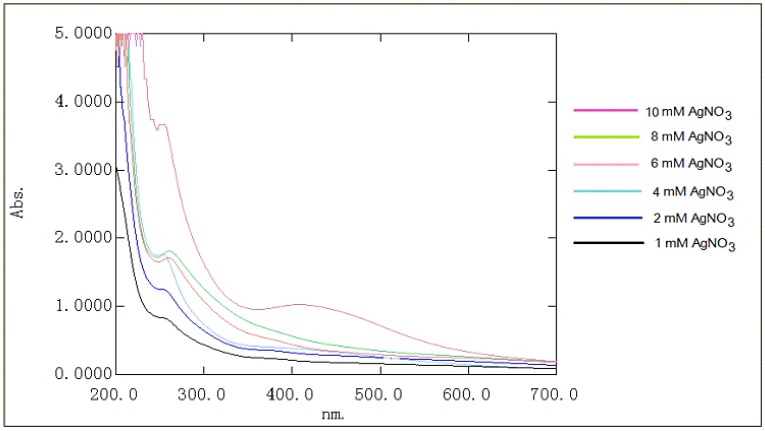
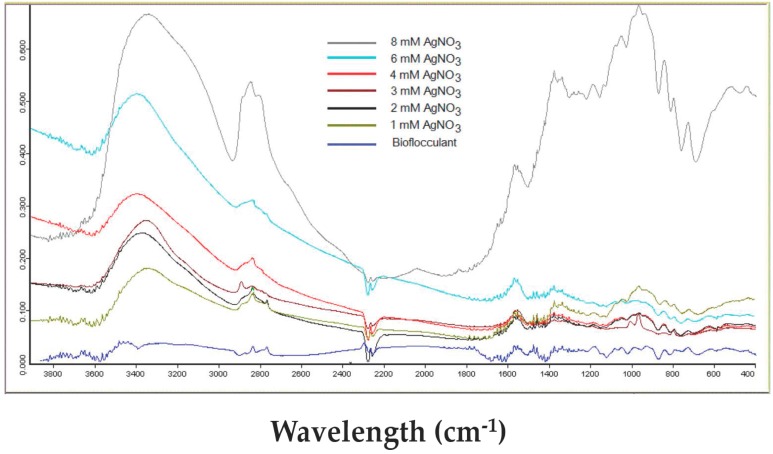
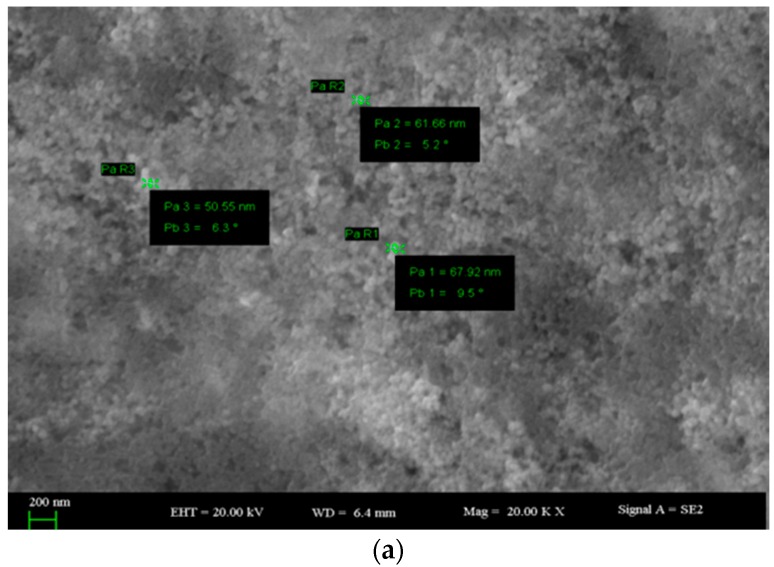
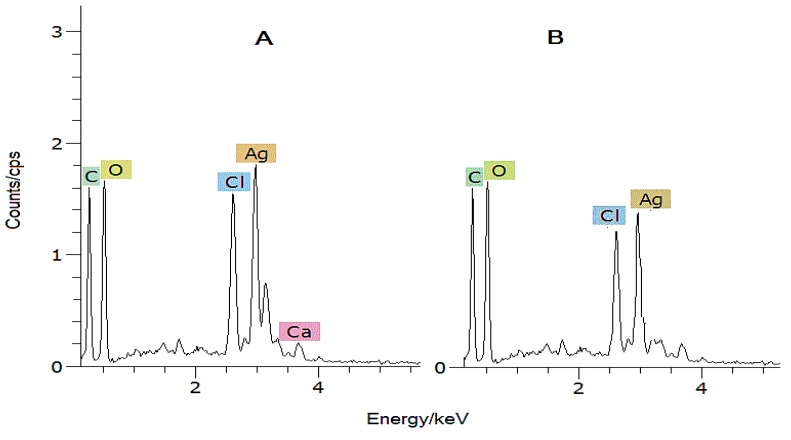
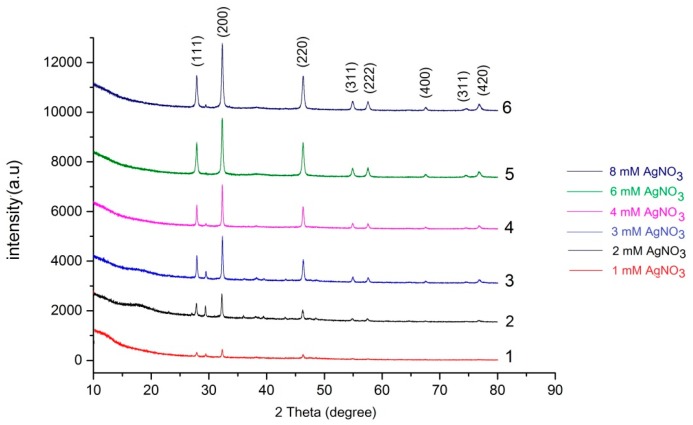
A simple and green method was developed for the biosynthesis of AgCl nanoparticles, free from Ag nanoparticles, using the exopolysaccharide-based bioflocculant of nitrogen fixing XU1 strain. AgCl nanoparticles were characterized by UV-Vis, X-ray diffraction (XRD), Fourier Transform-Infra Red (FT-IR) and Scanning electron microscopy-energy dispersive X-ray (SEM-EDX). The concentration-dependent and controllable method for the synthesis of AgCl nanoparticles of a certain size and morphology was developed. As-synthesized AgCl nanoparticles were characterized bya high content of AgCl and exhibited strong antimicrobial activity towards pathogenic microorganisms such as , and . The biofabricated AgCl nanoparticles can be exploited as a promising new biocidalbionanocomposite against pathogenic microorganisms.
利用固氮XU1菌株基于胞外多糖的生物絮凝剂,开发了一种简单且绿色的方法来生物合成不含银纳米颗粒的氯化银纳米颗粒。通过紫外可见光谱、X射线衍射(XRD)、傅里叶变换红外光谱(FT-IR)和扫描电子显微镜-能量色散X射线光谱(SEM-EDX)对氯化银纳米颗粒进行了表征。开发了一种浓度依赖性且可控的方法来合成特定尺寸和形态的氯化银纳米颗粒。合成的氯化银纳米颗粒具有高含量的氯化银,并对诸如[此处原文缺失具体微生物名称]、[此处原文缺失具体微生物名称]和[此处原文缺失具体微生物名称]等致病微生物表现出强大的抗菌活性。生物制造的氯化银纳米颗粒可作为一种有前景的新型抗致病微生物的杀生物纳米复合材料加以利用。