School of Chemistry, The University of Manchester, Manchester, United Kingdom.
Manchester Institute of Biotechnology, The University of Manchester, Manchester, United Kingdom.
Semin Thromb Hemost. 2018 Apr;44(3):224-238. doi: 10.1055/s-0037-1604108. Epub 2017 Aug 4.
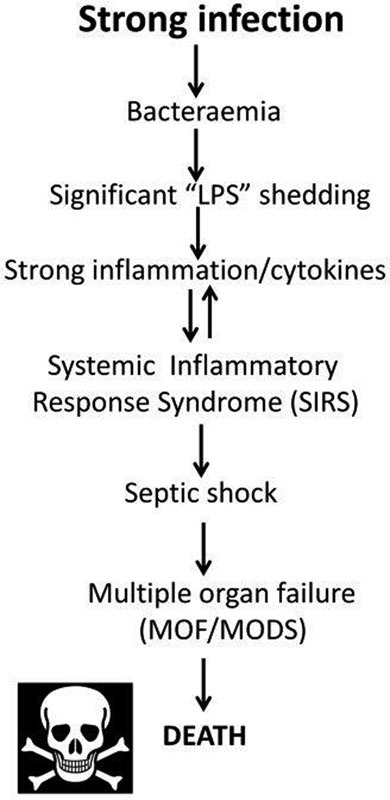
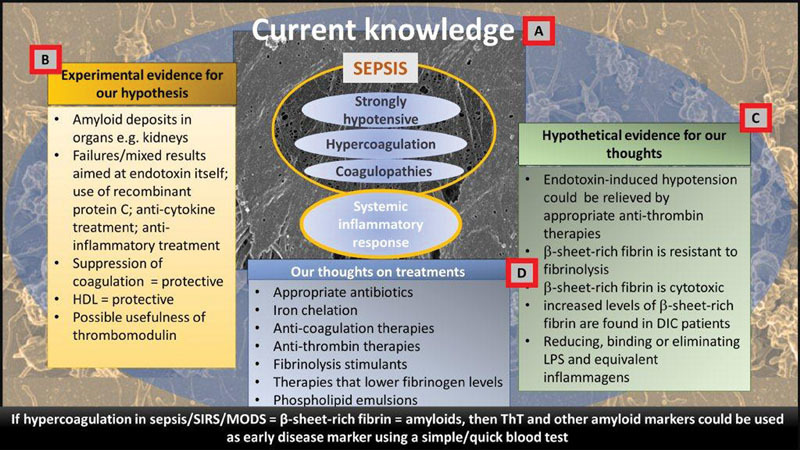
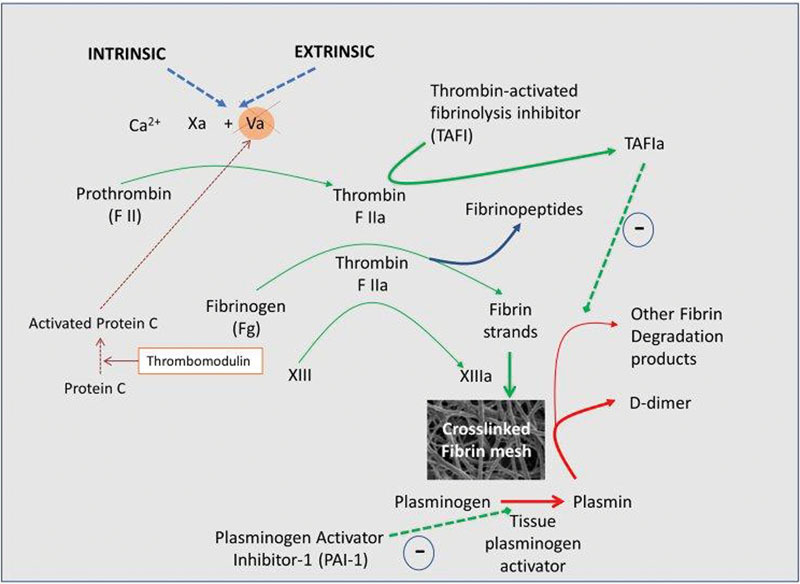
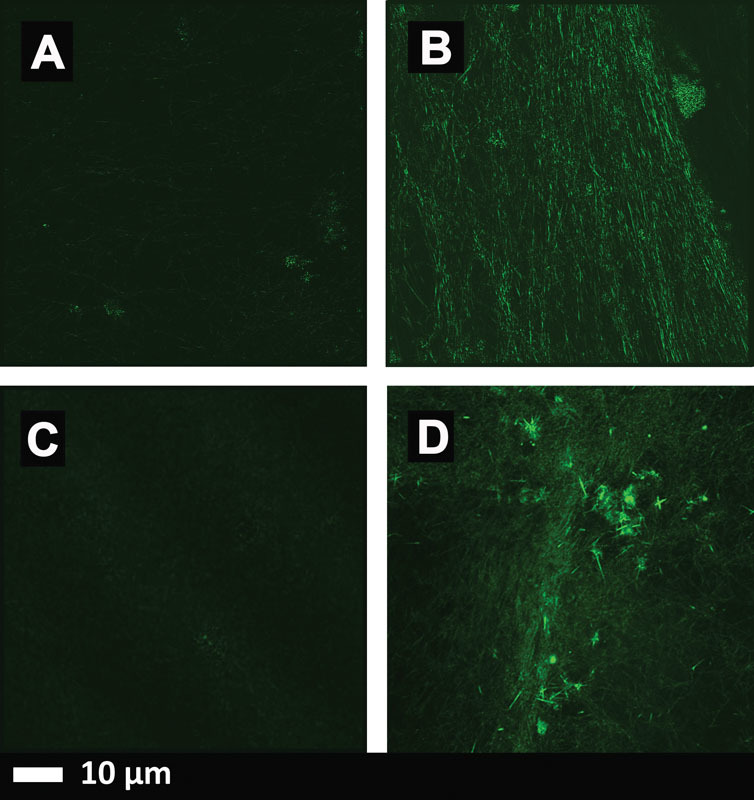
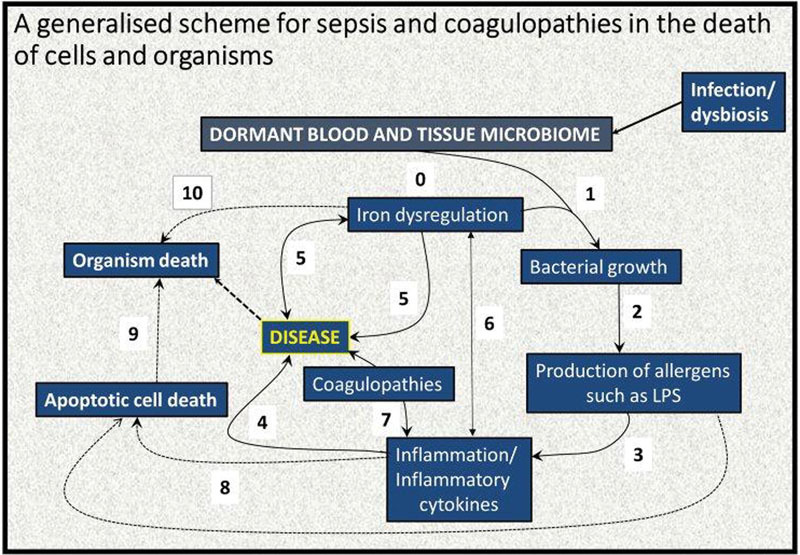
A well-established development of increasing disease severity leads from sepsis through systemic inflammatory response syndrome, septic shock, multiple organ dysfunction syndrome, and cellular and organismal death. Less commonly discussed are the equally well-established coagulopathies that accompany this. We argue that a lipopolysaccharide-initiated (often disseminated intravascular) coagulation is accompanied by a proteolysis of fibrinogen such that formed fibrin is both inflammatory and resistant to fibrinolysis. In particular, we argue that the form of fibrin generated is amyloid in nature because much of its normal α-helical content is transformed to β-sheets, as occurs with other proteins in established amyloidogenic and prion diseases. We hypothesize that these processes of amyloidogenic clotting and the attendant coagulopathies play a role in the passage along the aforementioned pathways to organismal death, and that their inhibition would be of significant therapeutic value, a claim for which there is considerable emerging evidence.
从脓毒症到全身炎症反应综合征、感染性休克、多器官功能障碍综合征以及细胞和机体死亡,病情严重程度不断增加,这是一个已经确立的发展过程。同样已经确立的伴随这一过程的凝血功能障碍却讨论得较少。我们认为,脂多糖引发的(通常是弥散性血管内)凝血伴随着纤维蛋白原的蛋白水解,从而形成的纤维蛋白既具有炎症性,又对纤维蛋白溶解具有抗性。特别是,我们认为生成的纤维蛋白的形式本质上是淀粉样的,因为其正常的α-螺旋结构的很大一部分转变为β-折叠,就像在其他已确立的淀粉样变性和朊病毒疾病中的蛋白质一样。我们假设,这些淀粉样纤维蛋白形成的凝血过程以及随之而来的凝血功能障碍在沿着上述途径导致机体死亡的过程中发挥作用,并且抑制这些过程将具有重要的治疗价值,这一说法有大量新出现的证据支持。