Department of Child and Adolescent Mental Health, National Institute of Mental Health, National Center of Neurology and Psychiatry (NCNP), 4-1-1 Ogawahigashi, Kodaira, Tokyo, 187-8553, Japan.
The Stockholm Center for Health and Social Change (SCOHOST), Södertörn University, 141 89, Huddinge, Sweden.
J Autism Dev Disord. 2017 Nov;47(11):3333-3346. doi: 10.1007/s10803-017-3245-7.
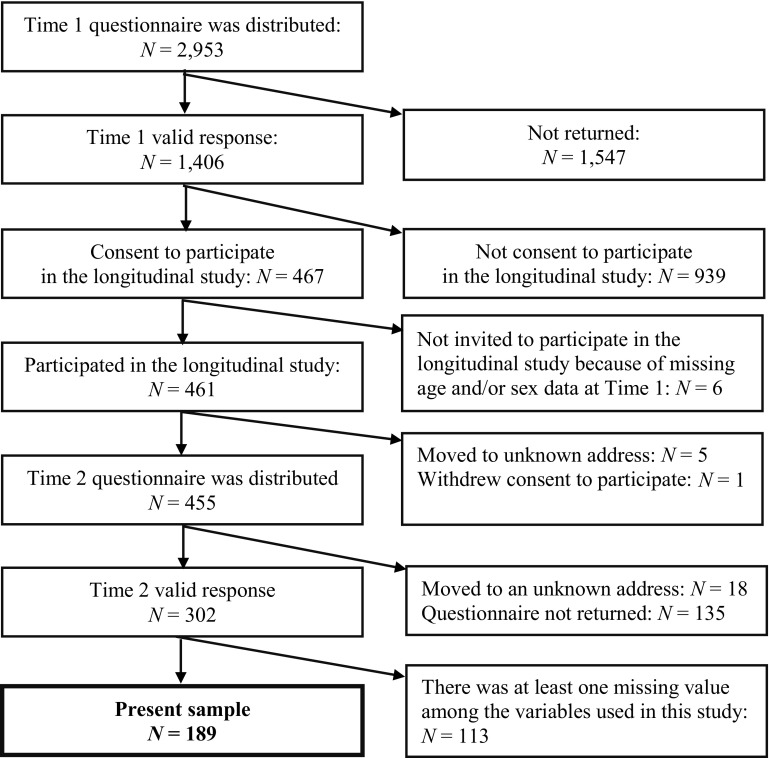
Although children with a greater number of autistic traits are likely to have other mental health problems, research on the association between earlier autistic traits in preschool children and later emotional/behavioral outcomes is scarce. Using data from 189 Japanese community-based children, this study examined whether autistic traits at age 5 were related to emotional/behavioral outcomes at age 7. The results showed that prior autistic traits were subsequently associated with all emotional/behavioral domains. After controlling for baseline emotional/behavioral scores autistic traits continued to predict later emotional symptoms and peer problems. This study highlights that in addition to clinical ASD, it is also important to focus on subthreshold autistic traits in preschool children for better subsequent emotional/behavioral outcomes.
尽管具有更多自闭症特征的儿童可能更容易出现其他心理健康问题,但关于学龄前儿童早期自闭症特征与后期情绪/行为结果之间关联的研究还很缺乏。本研究使用了来自 189 名日本社区儿童的数据,考察了 5 岁时的自闭症特征是否与 7 岁时的情绪/行为结果相关。结果表明,先前的自闭症特征与所有情绪/行为领域均相关。在控制了基线情绪/行为评分后,自闭症特征仍然可以预测后期的情绪症状和同伴问题。本研究强调,除了临床自闭症谱系障碍,关注学龄前儿童的亚阈值自闭症特征对于更好的后续情绪/行为结果也很重要。