Wang Xin, Zhang Zi-Feng, Zheng Gui-Hong, Wang Ai-Min, Sun Chun-Hui, Qin Su-Ping, Zhuang Juan, Lu Jun, Ma Dai-Fu, Zheng Yuan-Lin
Key Laboratory for Biotechnology on Medicinal Plants of Jiangsu Province, School of Life Science, Jiangsu Normal University, Xuzhou 221116, Jiangsu Province, China.
Key Laboratory of Biology and Genetic Improvement of Sweetpotato, Ministry of Agriculture, Jiangsu Xuzhou Sweetpotato Research Center, Xuzhou 221131, Jiangsu Province, China.
Molecules. 2017 Aug 8;22(8):1315. doi: 10.3390/molecules22081315.
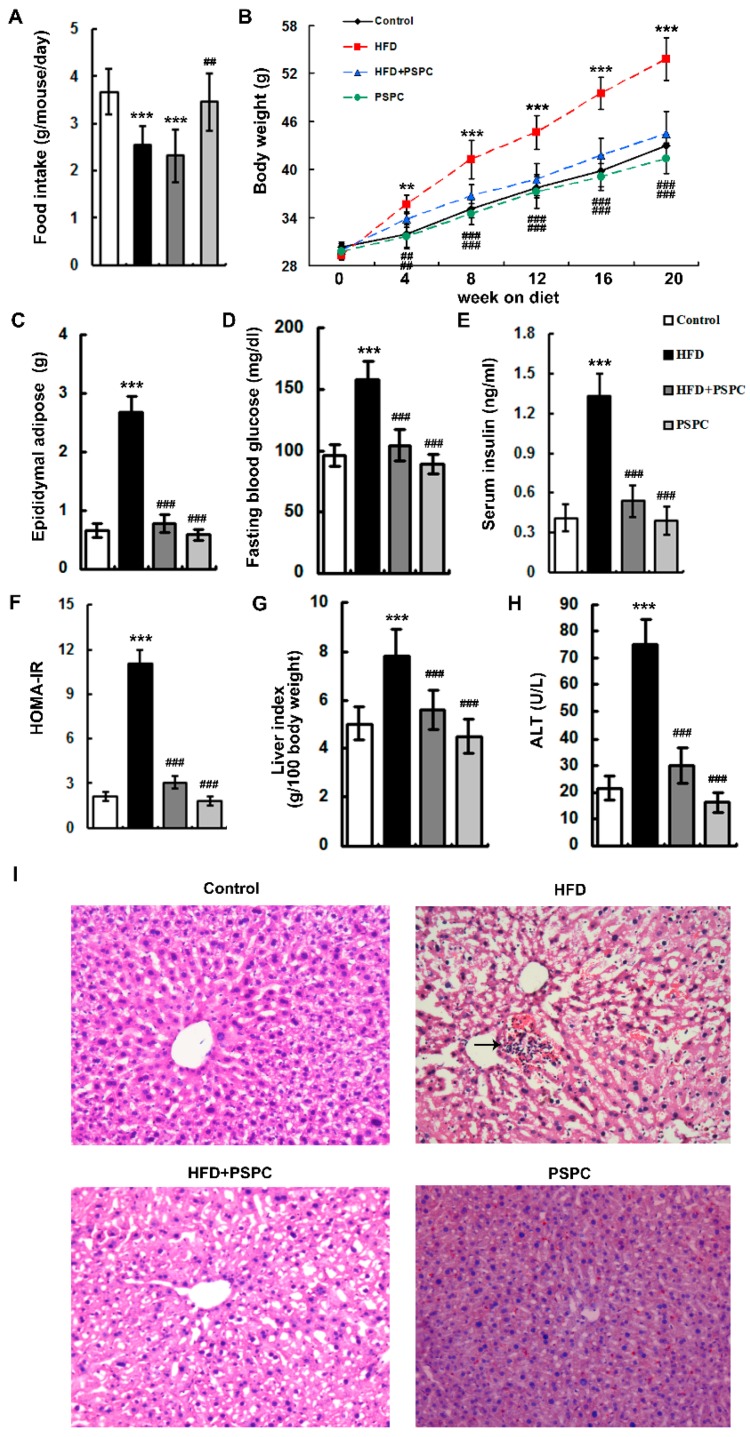
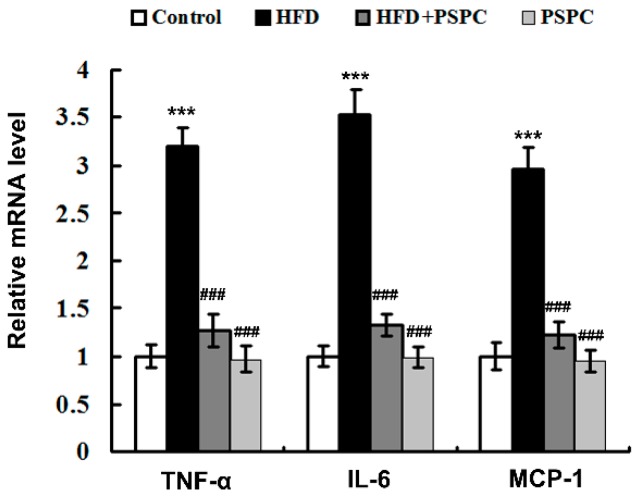
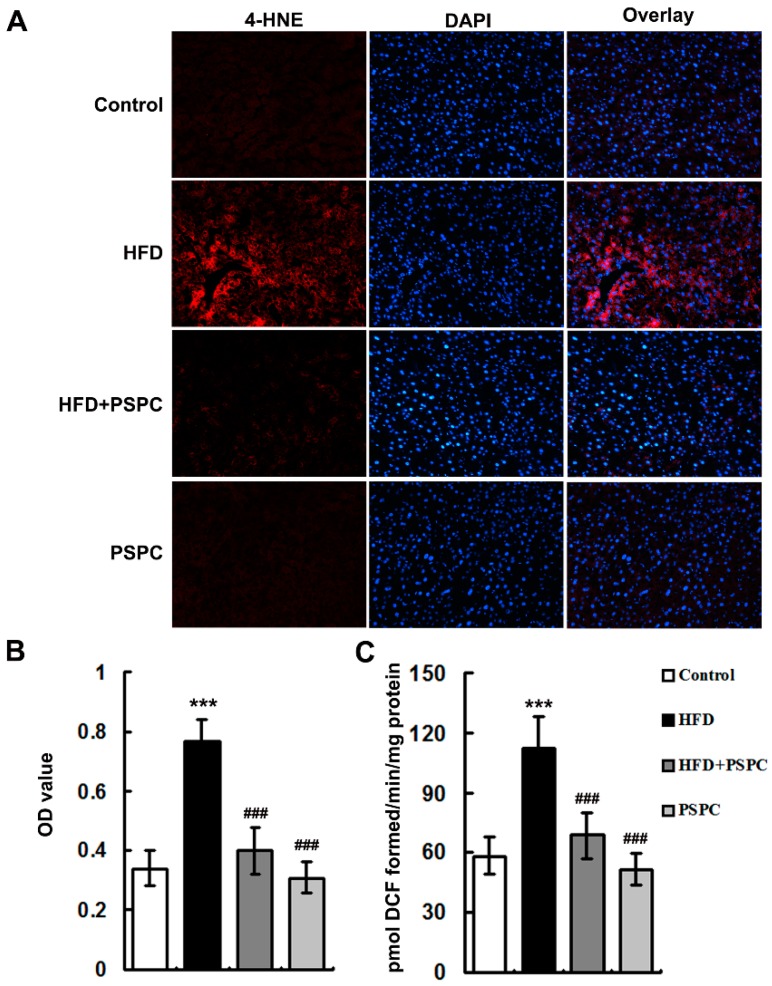
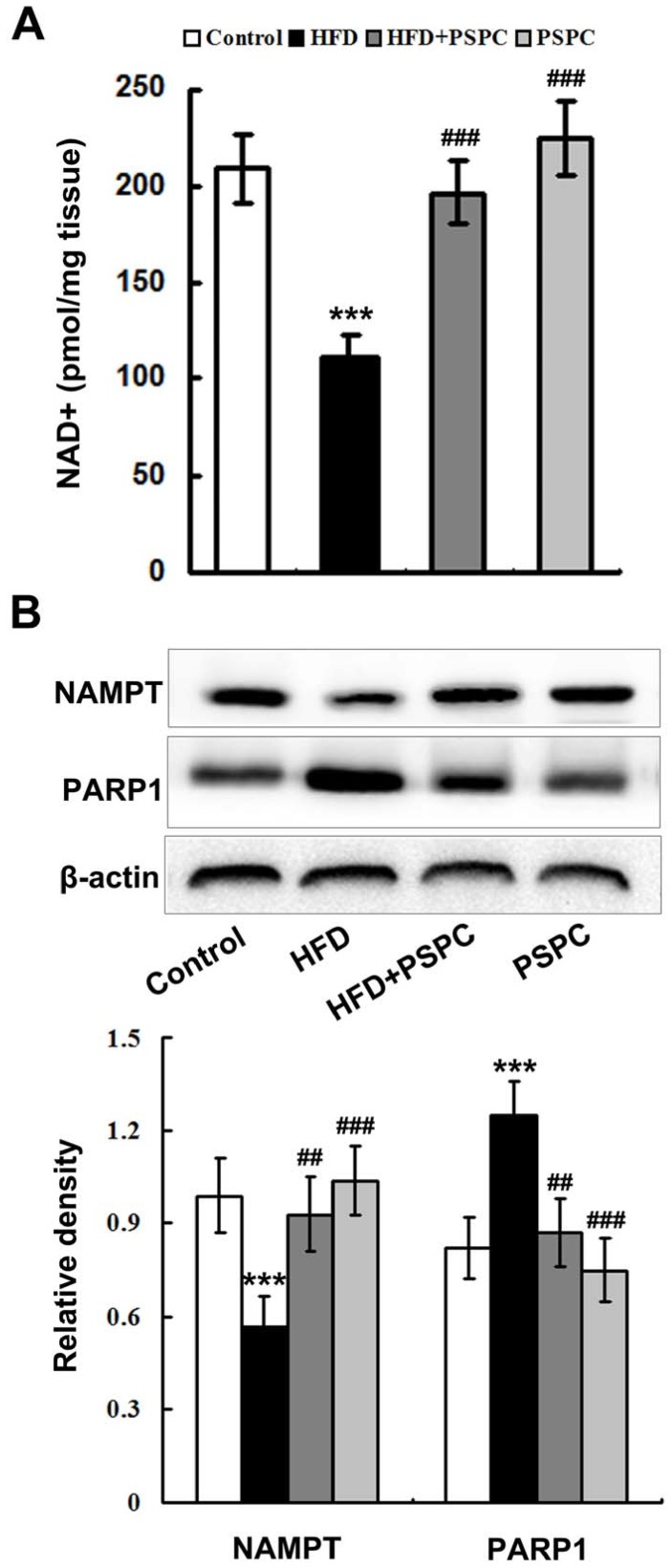
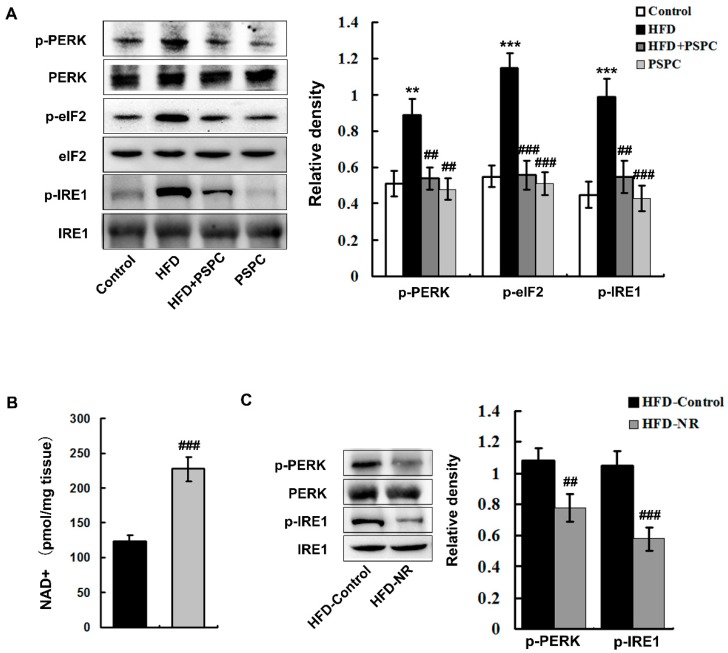
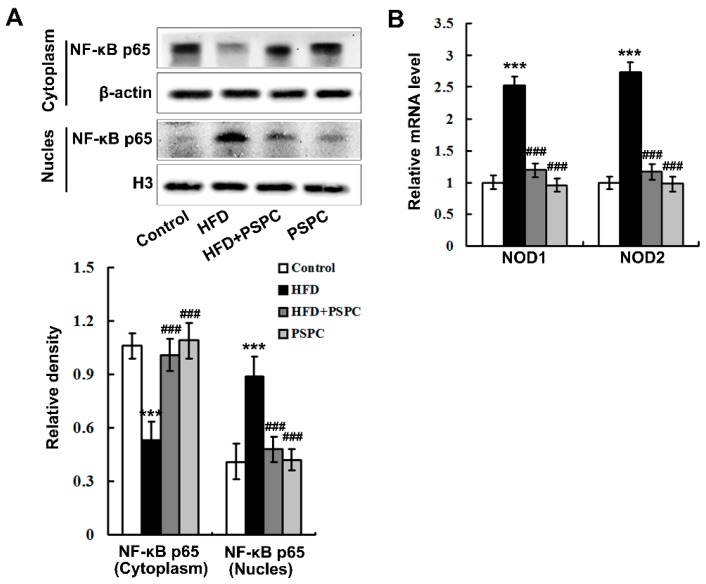
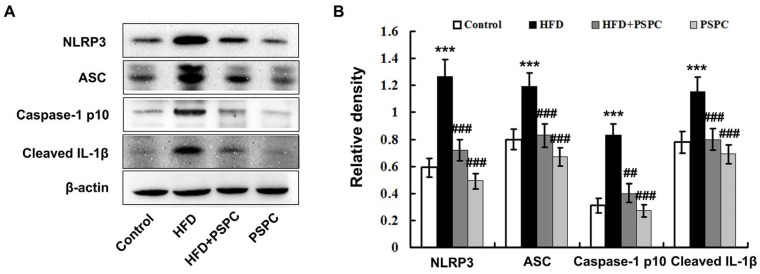
Purple sweet potato color (PSPC), a class of naturally occurring anthocyanins, exhibits beneficial effects on metabolic syndrome. Sustained inflammation plays a crucial role in the pathogenesis of metabolic syndrome. Here we explored the effects of PSPC on high-fat diet (HFD)-induced hepatic inflammation and the mechanisms underlying these effects. Mice were divided into four groups: Control group, HFD group, HFD + PSPC group, and PSPC group. PSPC was administered by daily oral gavage at doses of 700 mg/kg/day for 20 weeks. Nicotinamide riboside (NR) was used to increase NAD⁺ levels. Our results showed that PSPC effectively ameliorated obesity and liver injuries in HFD-fed mice. Moreover, PSPC notably blocked hepatic oxidative stress in HFD-treated mice. Furthermore, PSPC dramatically restored NAD⁺ level to abate endoplasmic reticulum stress (ER stress) in HFD-treated mouse livers, which was confirmed by NR treatment. Consequently, PSPC remarkably suppressed the nuclear factor-κB (NF-κB) p65 nuclear translocation and nucleotide oligomerization domain protein1/2 (NOD1/2) signaling in HFD-treated mouse livers. Thereby, PSPC markedly diminished the NLR family, pyrin domain containing 3 (NLRP3) inflammasome activation, ultimately lowering the expressions of inflammation-related genes in HFD-treated mouse livers. In summary, PSPC protected against HFD-induced hepatic inflammation by boosting NAD⁺ level to inhibit NLRP3 inflammasome activation.
紫薯色素(PSPC)是一类天然存在的花青素,对代谢综合征具有有益作用。持续性炎症在代谢综合征的发病机制中起关键作用。在此,我们探究了PSPC对高脂饮食(HFD)诱导的肝脏炎症的影响及其作用机制。将小鼠分为四组:对照组、HFD组、HFD + PSPC组和PSPC组。以700 mg/kg/天的剂量通过每日口服灌胃给予PSPC,持续20周。使用烟酰胺核糖(NR)来提高NAD⁺水平。我们的结果表明,PSPC有效改善了HFD喂养小鼠的肥胖和肝脏损伤。此外,PSPC显著阻断了HFD处理小鼠的肝脏氧化应激。此外,PSPC显著恢复了NAD⁺水平,以减轻HFD处理小鼠肝脏中的内质网应激(ER应激),这通过NR处理得到证实。因此,PSPC显著抑制了HFD处理小鼠肝脏中核因子-κB(NF-κB)p65的核转位和核苷酸寡聚化结构域蛋白1/2(NOD1/2)信号传导。从而,PSPC显著减少了含pyrin结构域的NLR家族成员3(NLRP3)炎性小体的激活,最终降低了HFD处理小鼠肝脏中炎症相关基因的表达。总之,PSPC通过提高NAD⁺水平抑制NLRP3炎性小体激活,从而预防HFD诱导的肝脏炎症。