Mackinnon Ian D R, Winnett Abigail, Alarco Jose A, Talbot Peter C
Institute for Future Environments, Queensland University of Technology, Brisbane, QLD 4001, Australia.
Science and Engineering Faculty, Queensland University of Technology, Brisbane, QLD 4001, Australia.
Materials (Basel). 2014 May 15;7(5):3901-3918. doi: 10.3390/ma7053901.
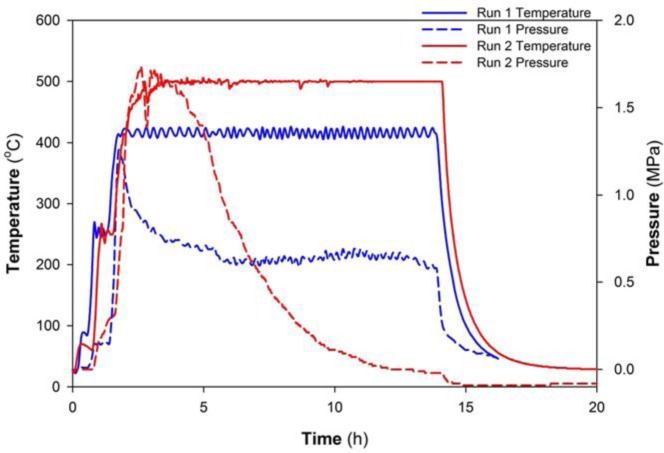
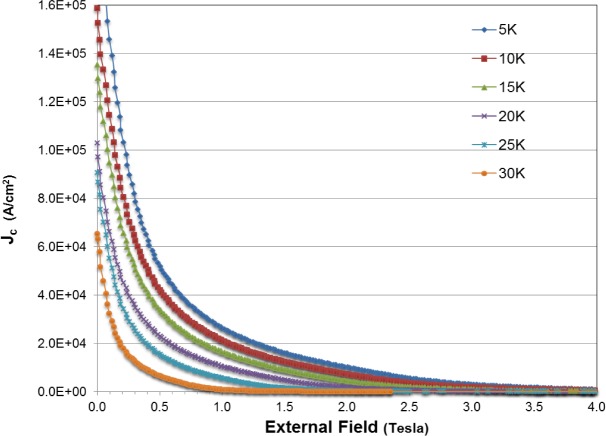
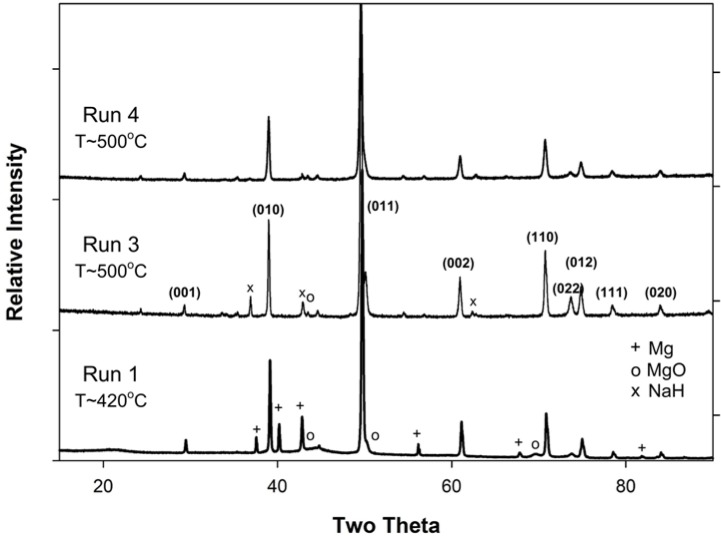
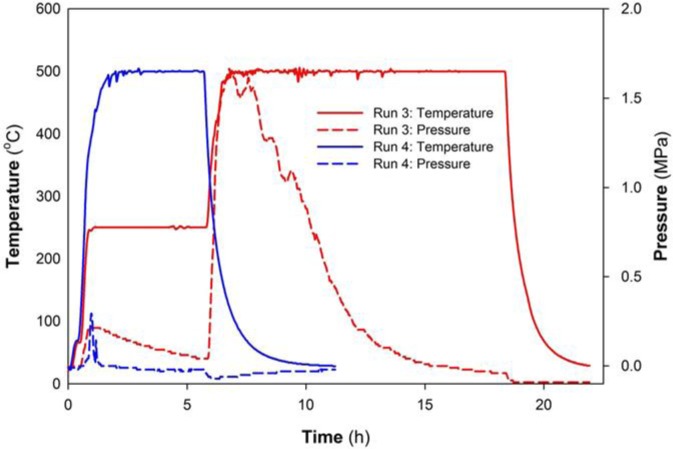
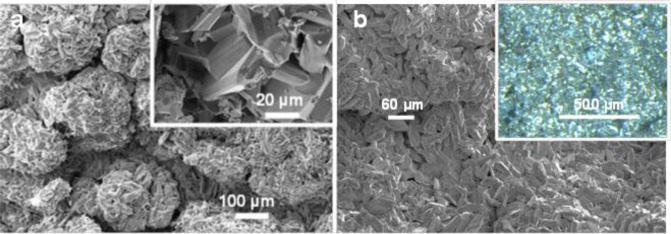
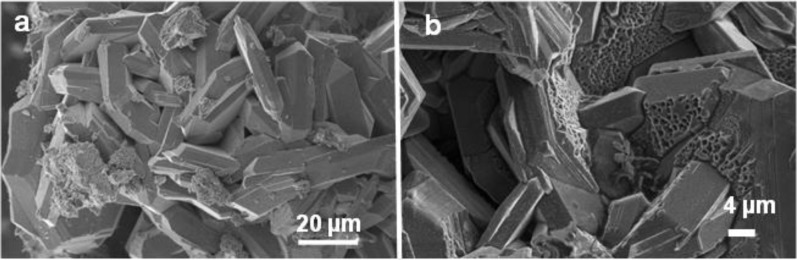
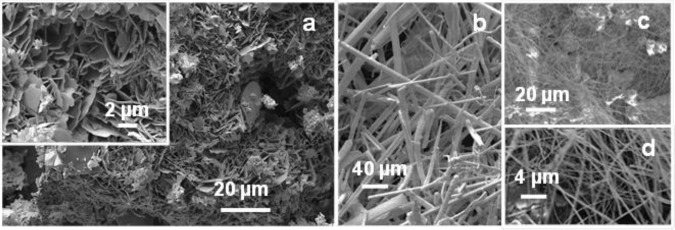
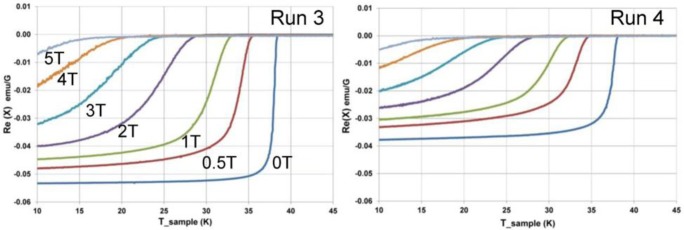
High quality, micron-sized interpenetrating grains of MgB₂, with high density, are produced at low temperatures (~420 °C < < ~500 °C) under autogenous pressure by pre-mixing Mg powder and NaBH₄ and heating in an Inconel 601 alloy reactor for 5-15 h. Optimum production of MgB₂, with yields greater than 75%, occurs for autogenous pressure in the range 1.0 MPa to 2.0 MPa, with the reactor at ~500 °C. Autogenous pressure is induced by the decomposition of NaBH₄ in the presence of Mg and/or other Mg-based compounds. The morphology, transition temperature and magnetic properties of MgB₂ are dependent on the heating regime. Significant improvement in physical properties accrues when the reactor temperature is held at 250 °C for >20 min prior to a hold at 500 °C.
通过将镁粉和硼氢化钠预混合,并在因科镍合金601反应器中于自生压力下在低温(约420℃<<约500℃)加热5至15小时,可制得高质量、具有高密度的微米级MgB₂互穿晶粒。对于自生压力在1.0MPa至2.0MPa范围内、反应器温度约为500℃的情况,MgB₂的产量大于75%时可实现最佳生产。自生压力是由硼氢化钠在镁和/或其他镁基化合物存在下分解产生的。MgB₂的形态、转变温度和磁性取决于加热方式。当反应器温度在保持在500℃之前于250℃保持超过20分钟时,其物理性能会有显著改善。