Bian Xiaoming, Chi Liang, Gao Bei, Tu Pengcheng, Ru Hongyu, Lu Kun
Department of Environmental Health Science, University of GeorgiaAthens, GA, United States.
Department of Environmental Sciences and Engineering, University of North Carolina at Chapel HillChapel Hill, NC, United States.
Front Physiol. 2017 Jul 24;8:487. doi: 10.3389/fphys.2017.00487. eCollection 2017.
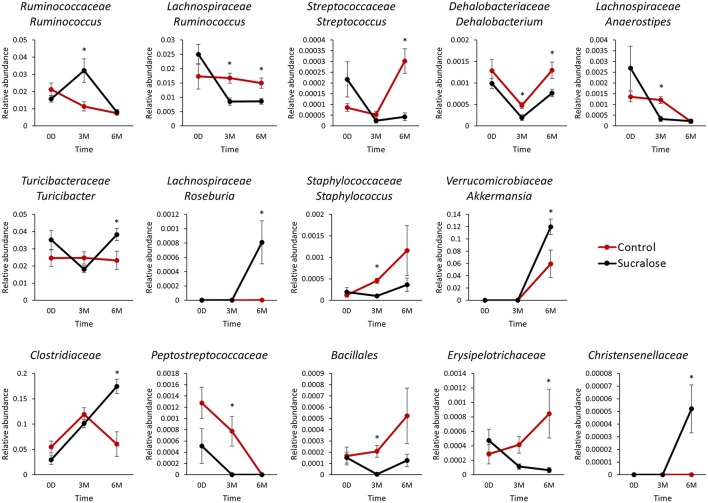
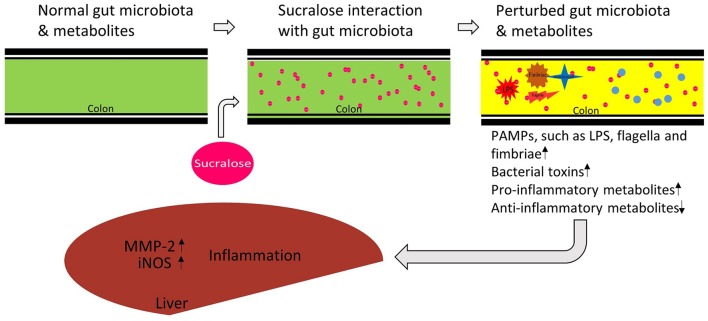
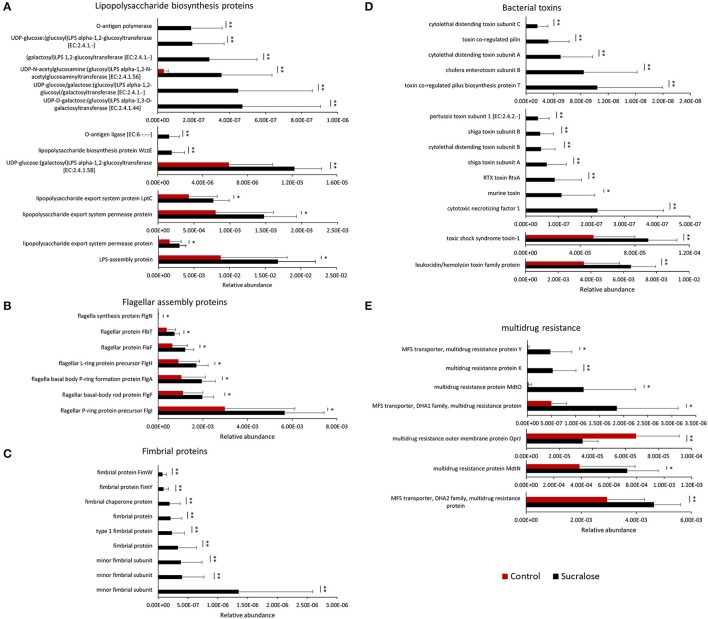
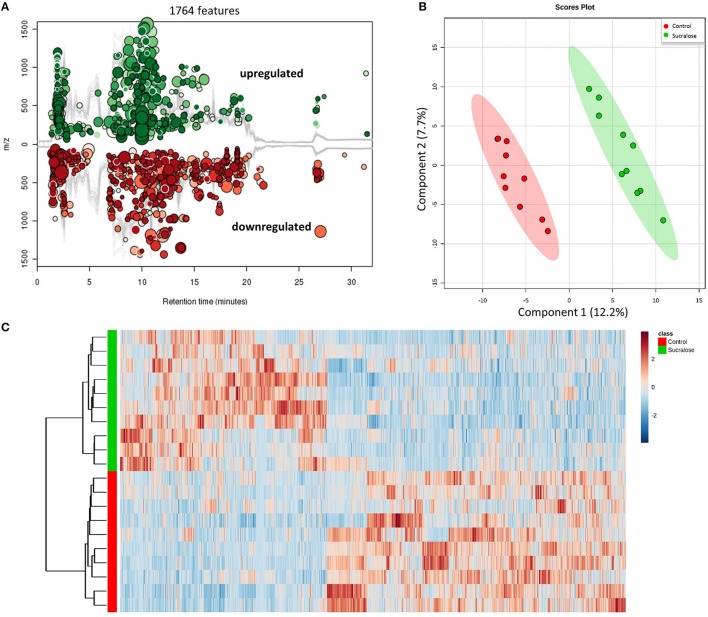
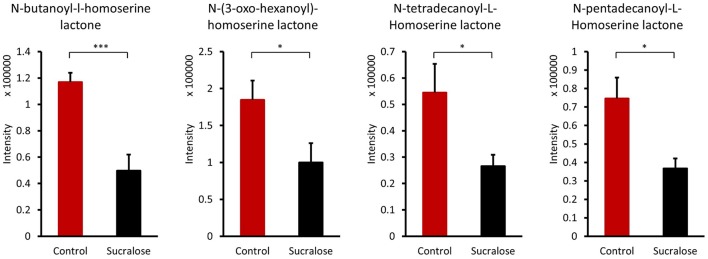
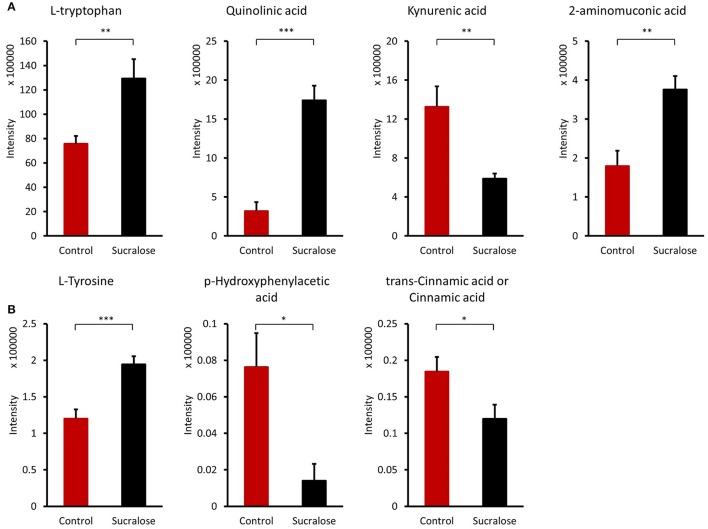
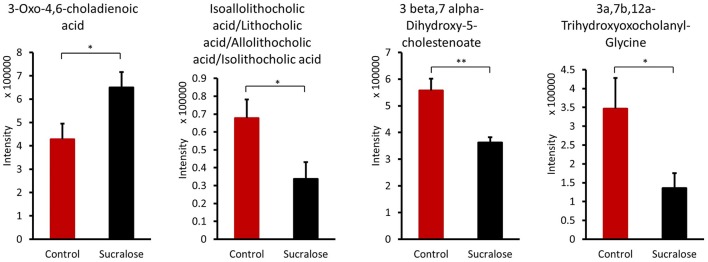
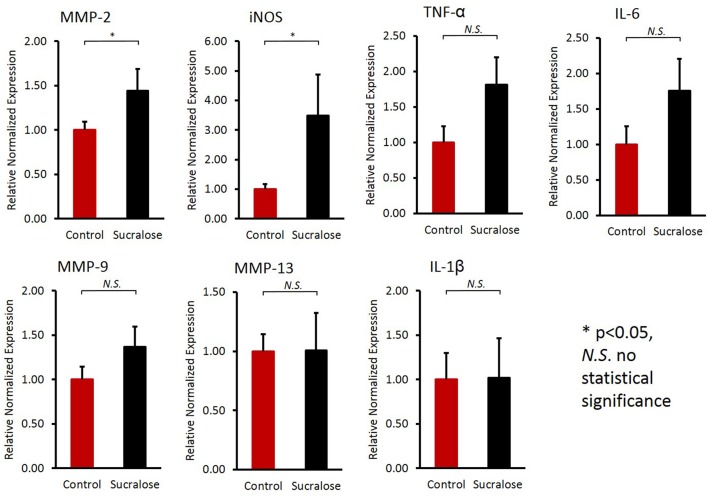
Sucralose is the most widely used artificial sweetener, and its health effects have been highly debated over the years. In particular, previous studies have shown that sucralose consumption can alter the gut microbiota. The gut microbiome plays a key role in processes related to host health, such as food digestion and fermentation, immune cell development, and enteric nervous system regulation. Inflammation is one of the most common effects associated with gut microbiome dysbiosis, which has been linked to a series of human diseases, such as diabetes and obesity. The aim of this study was to investigate the structural and functional effects of sucralose on the gut microbiota and associated inflammation in the host. In this study, C57BL/6 male mice received sucralose in their drinking water for 6 months. The difference in gut microbiota composition and metabolites between control and sucralose-treated mice was determined using 16S rRNA gene sequencing, functional gene enrichment analysis and metabolomics. Inflammatory gene expression in tissues was analyzed by RT-PCR. Alterations in bacterial genera showed that sucralose affects the gut microbiota and its developmental dynamics. Enrichment of bacterial pro-inflammatory genes and disruption in fecal metabolites suggest that 6-month sucralose consumption at the human acceptable daily intake (ADI) may increase the risk of developing tissue inflammation by disrupting the gut microbiota, which is supported by elevated pro-inflammatory gene expression in the liver of sucralose-treated mice. Our results highlight the role of sucralose-gut microbiome interaction in regulating host health-related processes, particularly chronic inflammation.
三氯蔗糖是使用最广泛的人工甜味剂,多年来其对健康的影响一直备受争议。特别是,先前的研究表明,食用三氯蔗糖会改变肠道微生物群。肠道微生物组在与宿主健康相关的过程中起着关键作用,如食物消化和发酵、免疫细胞发育以及肠道神经系统调节。炎症是与肠道微生物组失调相关的最常见影响之一,它与一系列人类疾病有关,如糖尿病和肥胖症。本研究的目的是调查三氯蔗糖对肠道微生物群的结构和功能影响以及对宿主相关炎症的影响。在本研究中,C57BL/6雄性小鼠在其饮用水中摄入三氯蔗糖6个月。使用16S rRNA基因测序、功能基因富集分析和代谢组学确定对照小鼠和三氯蔗糖处理小鼠之间肠道微生物群组成和代谢物的差异。通过RT-PCR分析组织中的炎症基因表达。细菌属的变化表明三氯蔗糖会影响肠道微生物群及其发育动态。细菌促炎基因的富集和粪便代谢物的破坏表明,以人类可接受的每日摄入量(ADI)摄入6个月的三氯蔗糖可能会通过破坏肠道微生物群增加组织炎症的风险,这在三氯蔗糖处理小鼠肝脏中促炎基因表达升高得到了支持。我们的结果突出了三氯蔗糖与肠道微生物组相互作用在调节宿主健康相关过程,特别是慢性炎症中的作用。