Zheng Zibin, Xiao Yingping, Ma Lingyan, Lyu Wentao, Peng Hao, Wang Xiaorong, Ren Ying, Li Jinjun
Hubei Key Laboratory of Animal Nutrition and Feed Science, Wuhan Polytechnic University, Wuhan, China.
State Key Laboratory for Managing Biotic and Chemical Threats to the Quality and Safety of Agro-Products, Institute of Agro-Product Safety and Nutrition, Zhejiang Academy of Agricultural Sciences, Hangzhou, China.
Front Nutr. 2022 Feb 25;9:848392. doi: 10.3389/fnut.2022.848392. eCollection 2022.
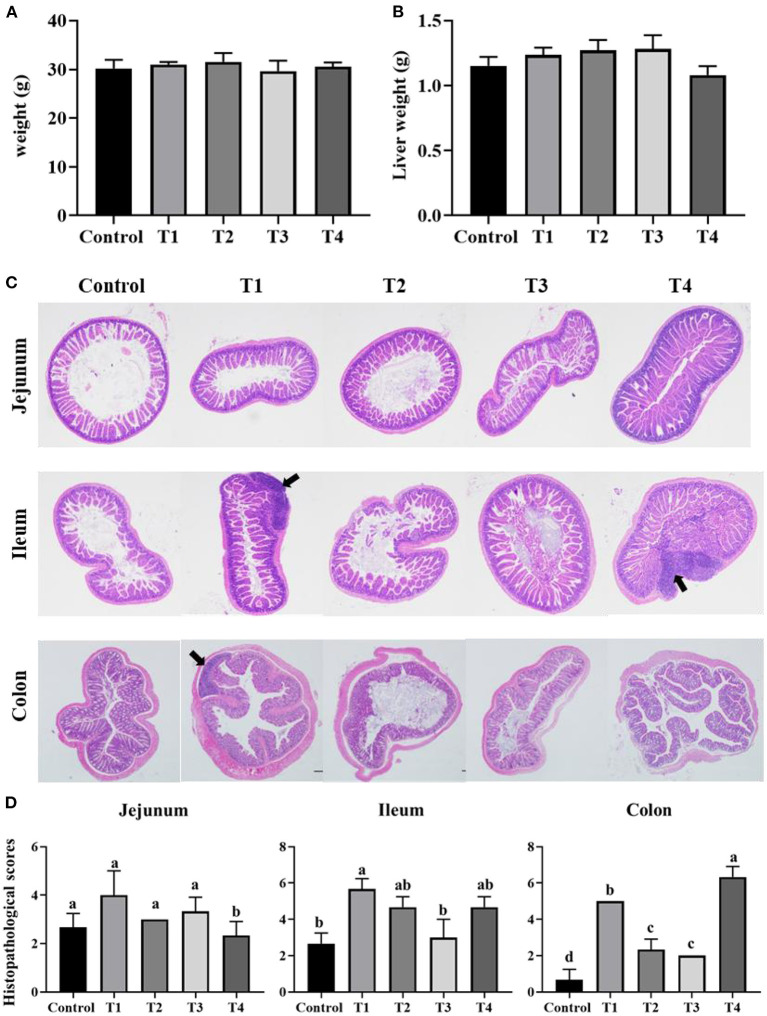
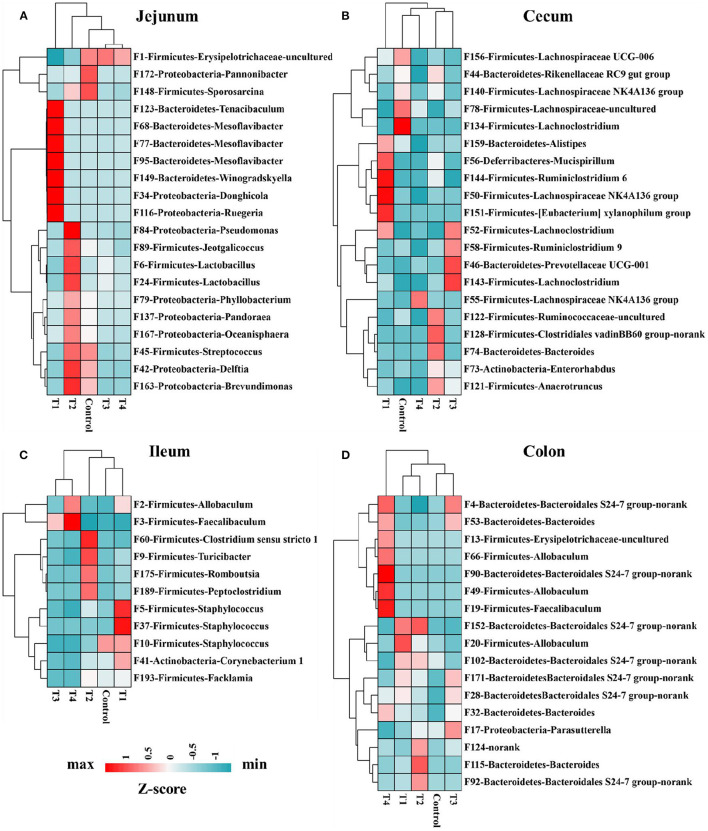
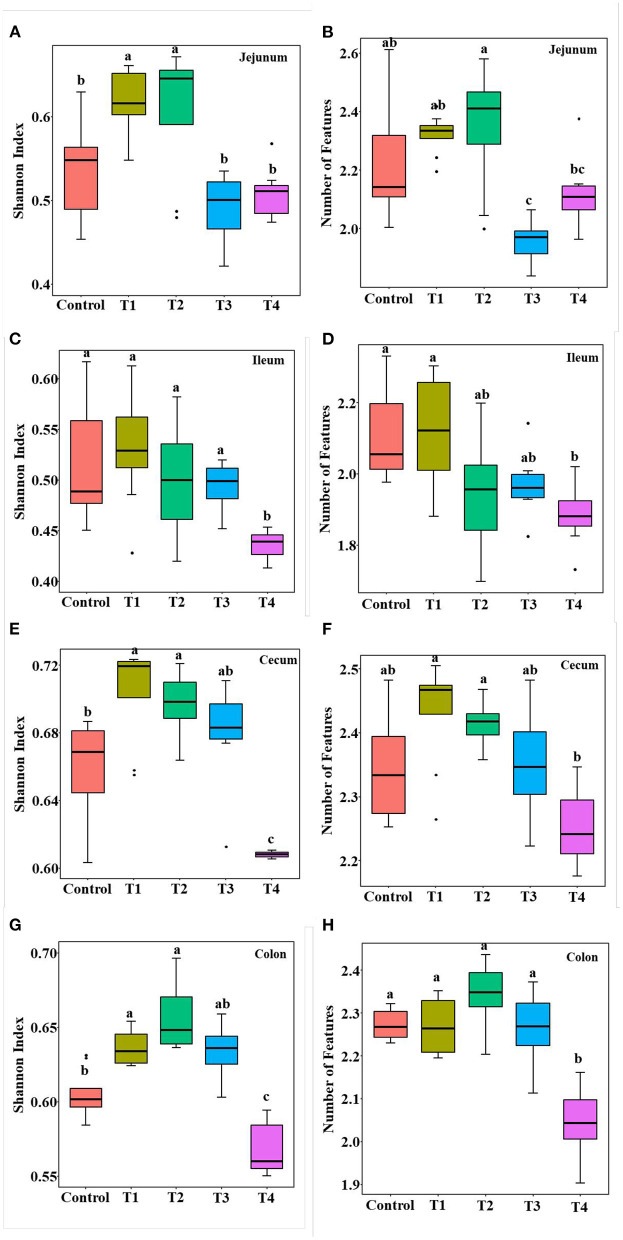
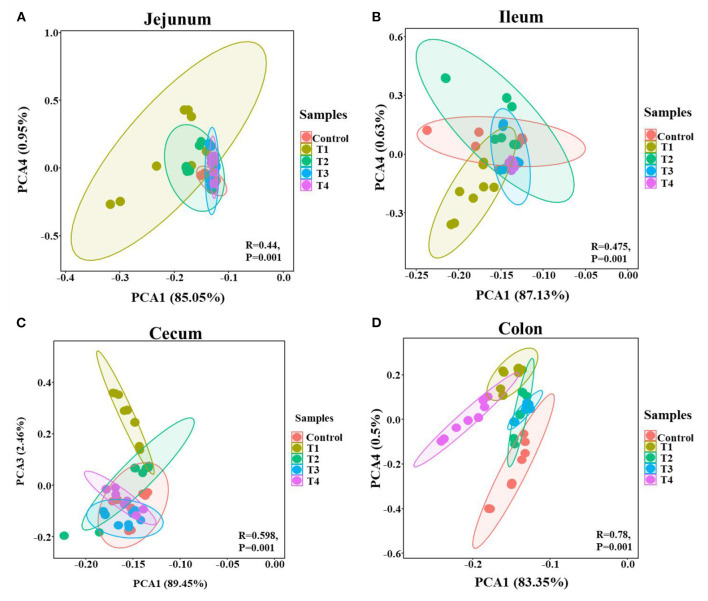
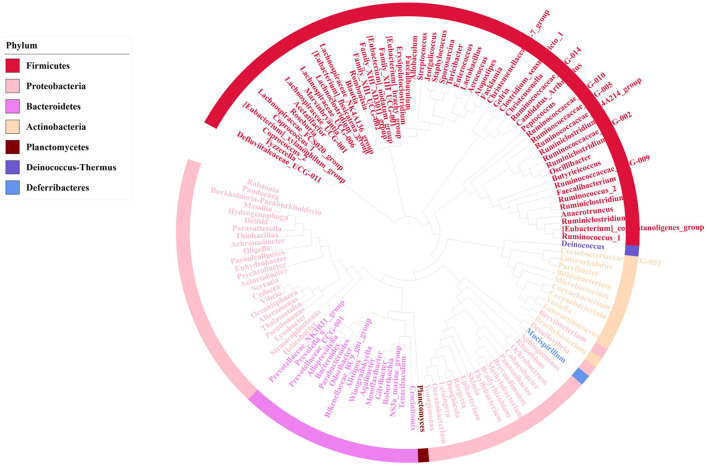
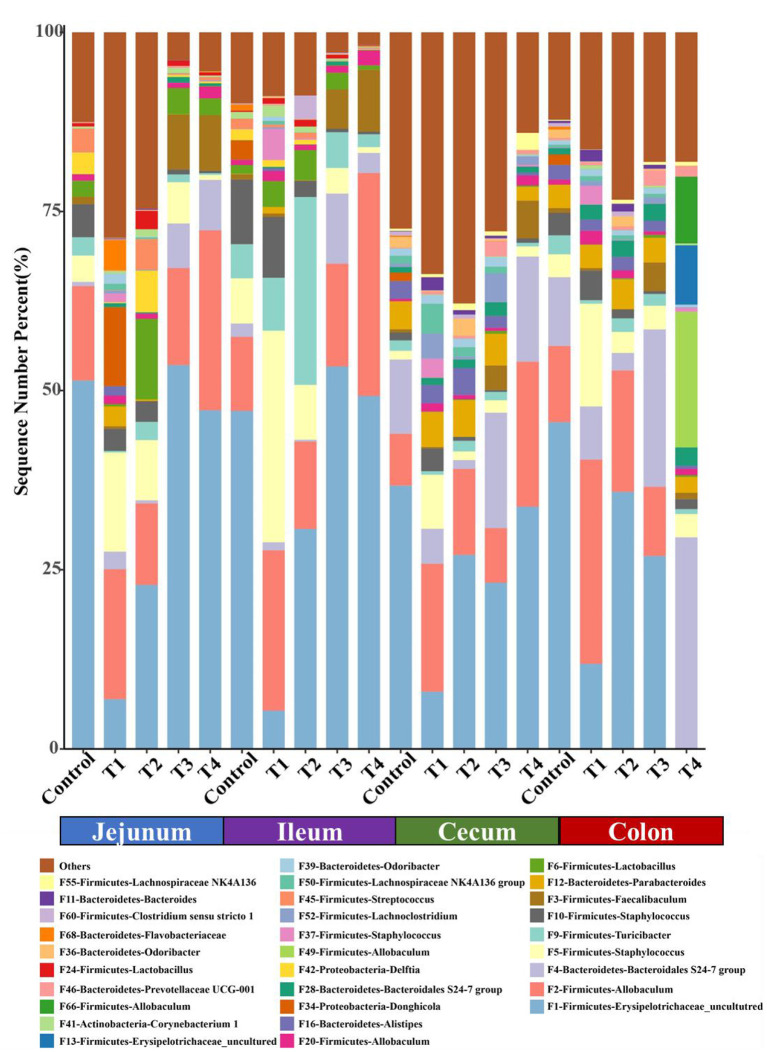
Sucralose is a non-nutritive artificial sweetener (NNS) used in foods or beverages to control blood glucose levels and body weight gain. The consumption of NNS has increased in recent years over the world, and many researches have indicated long-term sucralose administration altered the gut microbiome composition of mice. These studies all focus on the US Food and Drug Administration (FDA) defined acceptable daily intake (ADI), approximately 5 mg/kg BW/day for human. In our study, mice were given with T1-4 (0.0003, 0.003, 0.03, and 0.3 mg/mL) of sucralose, respectively, Control group mice were given normal water. In particular, 0.3 mg/mL of sucralose was equal to the ADI (5 mg/kg BW/day). After 16 weeks, all mice were weighted and sacrificed, the liver of each mouse was isolated and weighed, segments of jejunum, ileum and colon were collected for H&E-stained. The contents of jejunum, ileum, cecum and colon were collected for 16S rRNA gene sequencing. The results showed sucralose administration affects the intestinal barrier function evidenced by distinct lymphocyte aggregation in ileum and colon while not change the mice body weight. The 16S rRNA gene sequencing of the mice gut microbiome suggested sucralose administration significantly changed the composition of gut microbiota, especially in T1 and T4 group. For example, a reduction of probiotics abundance ( and ) was found in cecum of T4 group mice compared with Control group. On the other hand, , which was reported positively correlated with diabetes, was increased in the T1 and T4 group. In addition, the potential pathogens, including were also increased in jejunum, ileum and colon by sucralose administration in T1 and T4 group. These new findings indicate that low dose of sucralose (T1) alter gut microbiome in mice, and these adverse health effects are equal to ADI level (T4). Overall, our study provides guidance and suggestions for the use of sucralose in foods and beverages.
三氯蔗糖是一种非营养性人工甜味剂(NNS),用于食品或饮料中以控制血糖水平和体重增加。近年来,全球范围内NNS的消费量有所增加,许多研究表明,长期给予小鼠三氯蔗糖会改变其肠道微生物群组成。这些研究均聚焦于美国食品药品监督管理局(FDA)定义的每日可接受摄入量(ADI),即人类约为5毫克/千克体重/天。在我们的研究中,分别给小鼠给予三氯蔗糖T1 - 4(0.0003、0.003、0.03和0.3毫克/毫升),对照组小鼠给予普通水。特别地,0.3毫克/毫升的三氯蔗糖相当于ADI(5毫克/千克体重/天)。16周后,对所有小鼠称重并处死,分离并称量每只小鼠的肝脏,收集空肠、回肠和结肠段进行苏木精 - 伊红(H&E)染色。收集空肠、回肠、盲肠和结肠内容物进行16S rRNA基因测序。结果显示,给予三氯蔗糖会影响肠道屏障功能,表现为回肠和结肠中明显的淋巴细胞聚集,但不会改变小鼠体重。小鼠肠道微生物群的16S rRNA基因测序表明,给予三氯蔗糖会显著改变肠道微生物群的组成,尤其是在T1和T4组。例如,与对照组相比,T4组小鼠盲肠中益生菌丰度( 和 )降低。另一方面,在T1和T4组中,与糖尿病呈正相关的 增加。此外,在T1和T4组中,给予三氯蔗糖还会使空肠、回肠和结肠中的潜在病原体(包括 )增加。这些新发现表明,低剂量的三氯蔗糖(T1)会改变小鼠肠道微生物群,且这些不良健康影响与ADI水平(T4)相当。总体而言,我们的研究为三氯蔗糖在食品和饮料中的使用提供了指导和建议。