Kemmis Laura K, Wanigaratne Shamil, Ehntholt Kimberly A
Traumatic Stress Clinic, Camden & Islington NHS Foundation Trust, 4th Floor West Wing, St Pancras Hospital, St Pancras Way, London, NW1 0PE UK.
Institute of Psychiatry, Psychology and Neuroscience, King's College London, 16 De Crespigny Park, London, SE5 8AF UK.
Int J Ment Health Addict. 2017;15(4):900-918. doi: 10.1007/s11469-016-9727-6. Epub 2017 Jan 12.
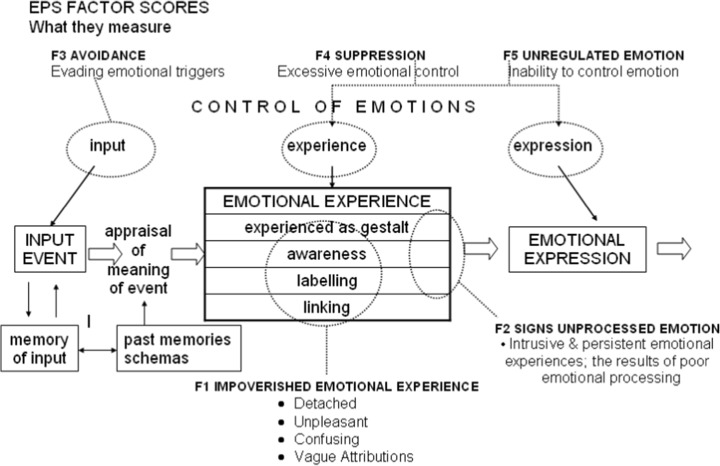
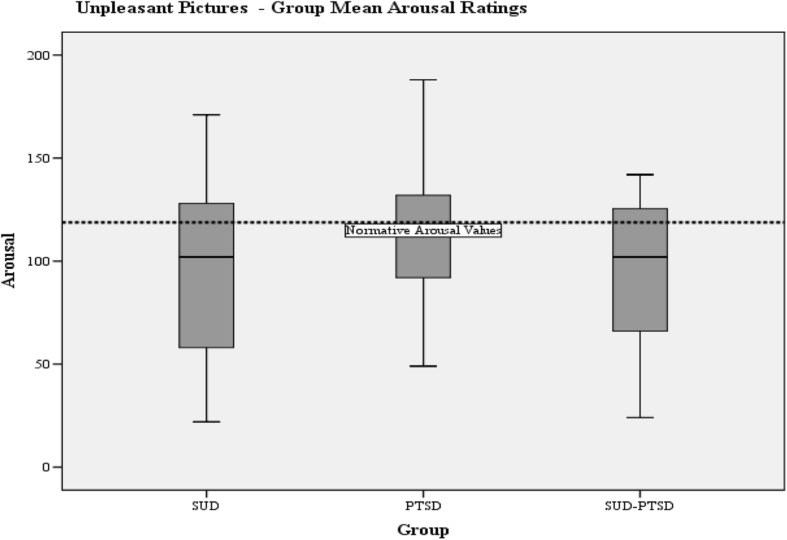
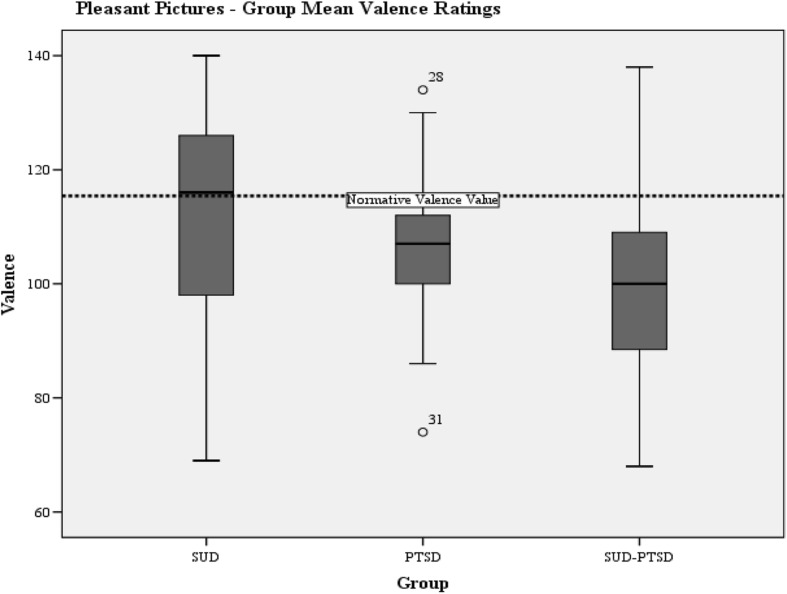
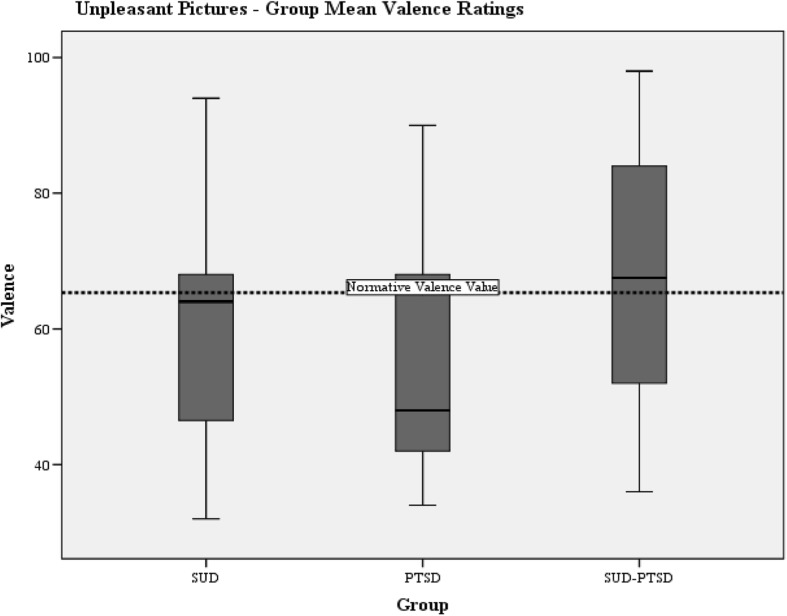
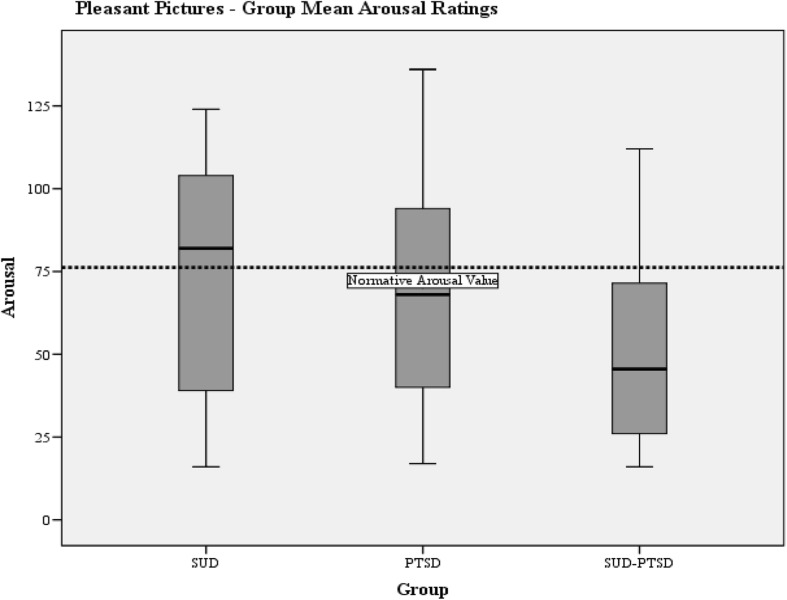
Previous research has shown that individuals with substance use disorder (SUD) and posttraumatic stress disorder (PTSD) have emotional processing difficulties. However, no studies have specifically investigated the role of emotional processing in those with co-morbid SUD-PTSD. This study investigated whether there are more emotional processing abnormalities among patients with SUD-PTSD, than those with either a single diagnosis of PTSD or SUD. Emotional processing was assessed in three groups [1) SUD (without PTSD); 2) PTSD (without SUD); and 3) co-morbid SUD-PTSD] using the Emotional Processing Scale (EPS-25) and the International Affective Picture System (IAPS). Each of the three groups reported evidence of emotional processing dysfunction relative to the normal population. Within the SUD-PTSD group there was significant evidence that the additional impact of trauma increased emotional processing dysfunction but less evidence to suggest that substance use increased emotional processing dysfunction further. These findings call into question current United Kingdom guidelines for the treatment of co-morbid SUD-PTSD, which recommend that the drug or alcohol problem should be treated first.
先前的研究表明,患有物质使用障碍(SUD)和创伤后应激障碍(PTSD)的个体存在情绪加工困难。然而,尚无研究专门调查情绪加工在共病SUD-PTSD患者中的作用。本研究调查了SUD-PTSD患者是否比单独诊断为PTSD或SUD的患者存在更多的情绪加工异常。使用情绪加工量表(EPS-25)和国际情感图片系统(IAPS)对三组人群进行情绪加工评估:[1)SUD(无PTSD);2)PTSD(无SUD);3)共病SUD-PTSD]。相对于正常人群,三组中的每一组都报告了情绪加工功能障碍的证据。在SUD-PTSD组中,有显著证据表明创伤的额外影响增加了情绪加工功能障碍,但较少有证据表明物质使用会进一步加剧情绪加工功能障碍。这些发现对英国目前关于共病SUD-PTSD治疗的指南提出了质疑,该指南建议应首先治疗药物或酒精问题。