Department of Physics and Astronomy, Gent University, Gent, 9000, Belgium.
Laboratory of Biophysics of Excitable Systems, Moscow Institute of Physics and Technology, Dolgoprudny, 141701, Moscow Region, Russia.
Sci Rep. 2017 Aug 11;7(1):7887. doi: 10.1038/s41598-017-07653-3.
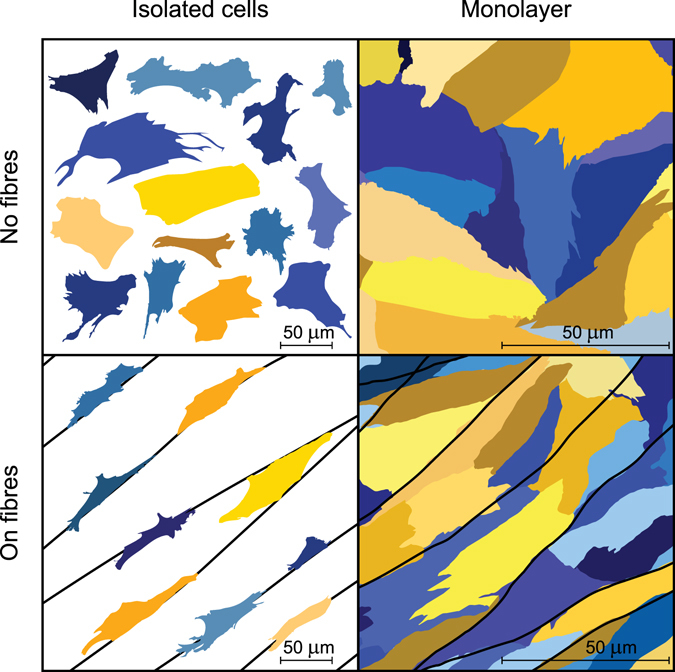
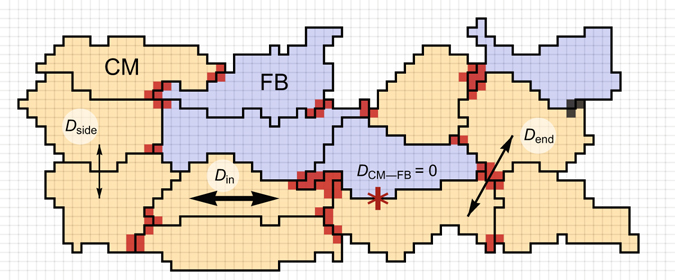
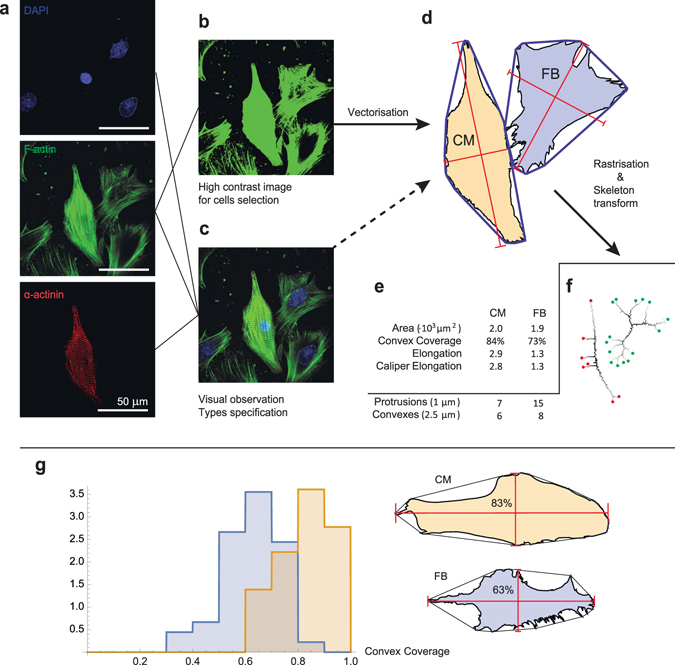
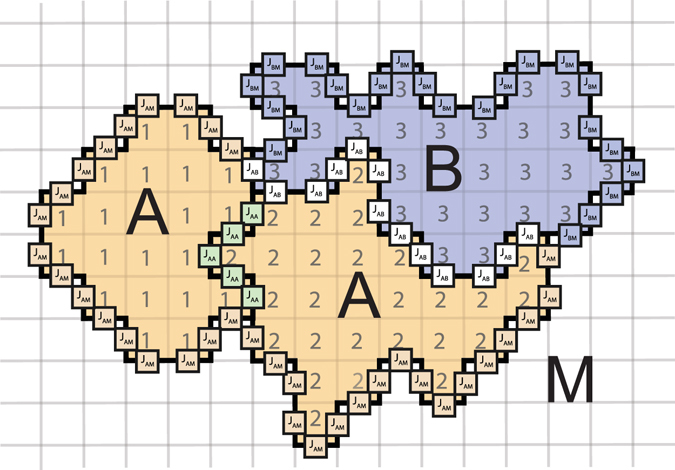
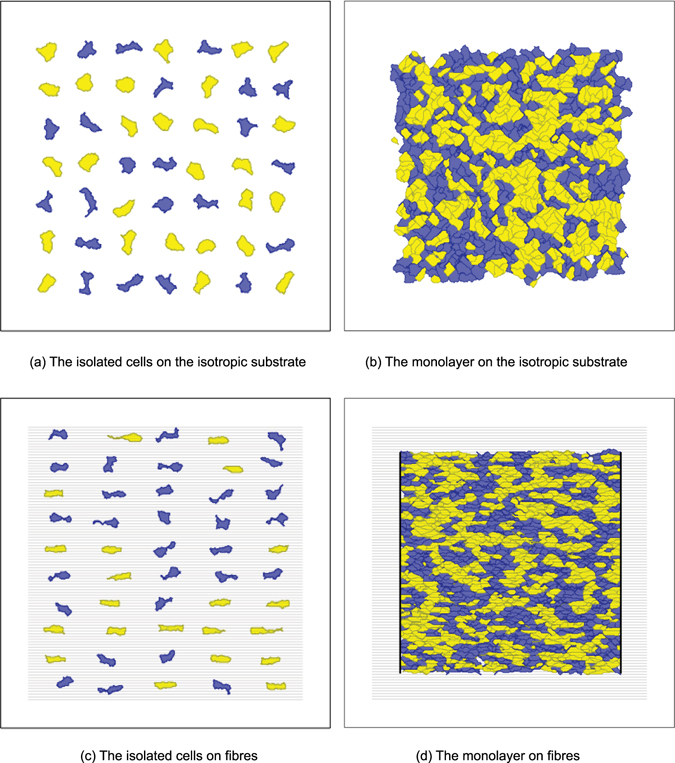
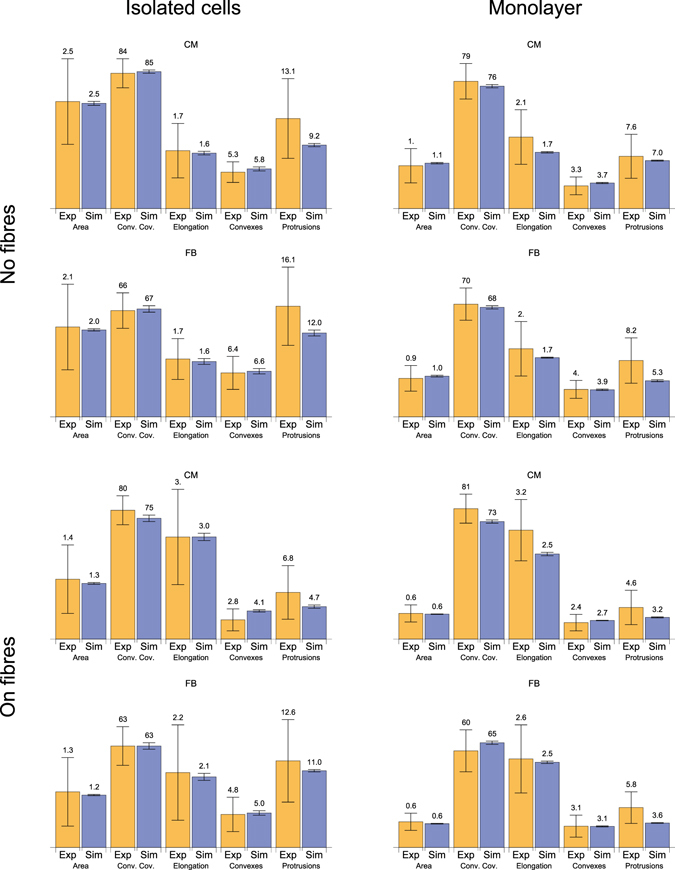
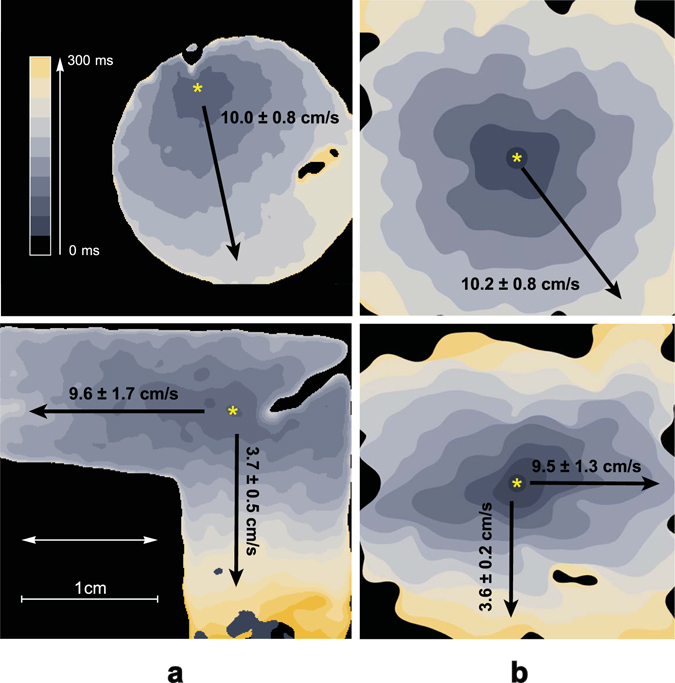
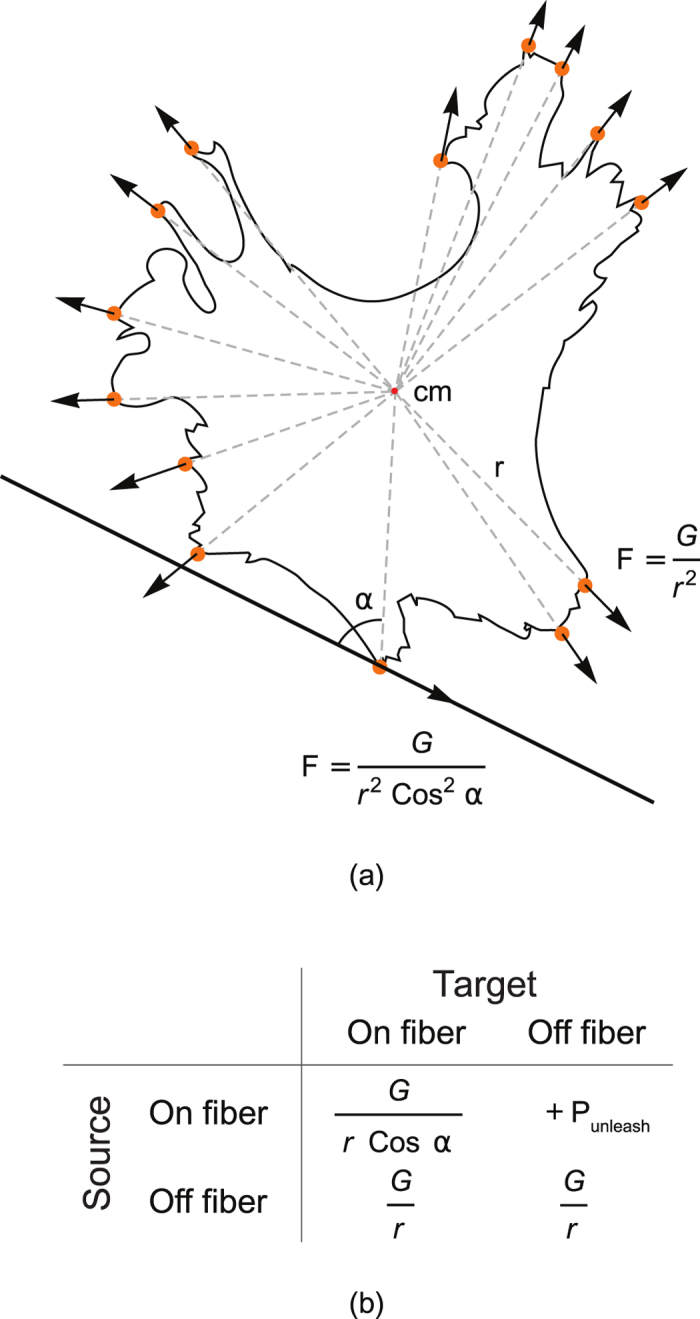
The complex structure of cardiac tissue is considered to be one of the main determinants of an arrhythmogenic substrate. This study is aimed at developing the first mathematical model to describe the formation of cardiac tissue, using a joint in silico-in vitro approach. First, we performed experiments under various conditions to carefully characterise the morphology of cardiac tissue in a culture of neonatal rat ventricular cells. We considered two cell types, namely, cardiomyocytes and fibroblasts. Next, we proposed a mathematical model, based on the Glazier-Graner-Hogeweg model, which is widely used in tissue growth studies. The resultant tissue morphology was coupled to the detailed electrophysiological Korhonen-Majumder model for neonatal rat ventricular cardiomyocytes, in order to study wave propagation. The simulated waves had the same anisotropy ratio and wavefront complexity as those in the experiment. Thus, we conclude that our approach allows us to reproduce the morphological and physiological properties of cardiac tissue.
心脏组织的复杂结构被认为是心律失常基质的主要决定因素之一。本研究旨在开发第一个数学模型,使用联合的计算机模拟和体外方法来描述心脏组织的形成。首先,我们在各种条件下进行实验,以仔细描述在培养的新生大鼠心室细胞中的心脏组织的形态。我们考虑了两种细胞类型,即心肌细胞和成纤维细胞。接下来,我们基于广泛用于组织生长研究的 Glazier-Graner-Hogeweg 模型提出了一个数学模型。将得到的组织形态与用于新生大鼠心室心肌细胞的详细电生理 Korhonen-Majumder 模型耦合,以研究波的传播。模拟的波具有与实验相同的各向异性比和波前复杂度。因此,我们得出结论,我们的方法允许我们再现心脏组织的形态和生理特性。