Leffler Christopher T, Schwartz Stephen G, Wainsztein Ricardo D, Pflugrath Adam, Peterson Eric
Department of Ophthalmology, Virginia Commonwealth University, Richmond, VA, USA.
Department of Ophthalmology, Bascom Palmer Eye Institute, University of Miami Miller School of Medicine, Naples, FL, USA.
Ophthalmol Eye Dis. 2017 Jul 26;9:1179172117721902. doi: 10.1177/1179172117721902. eCollection 2017.
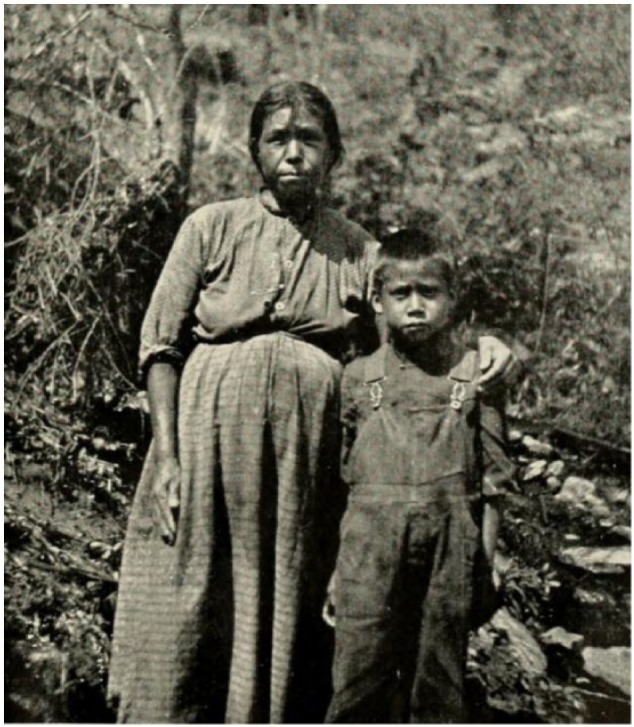
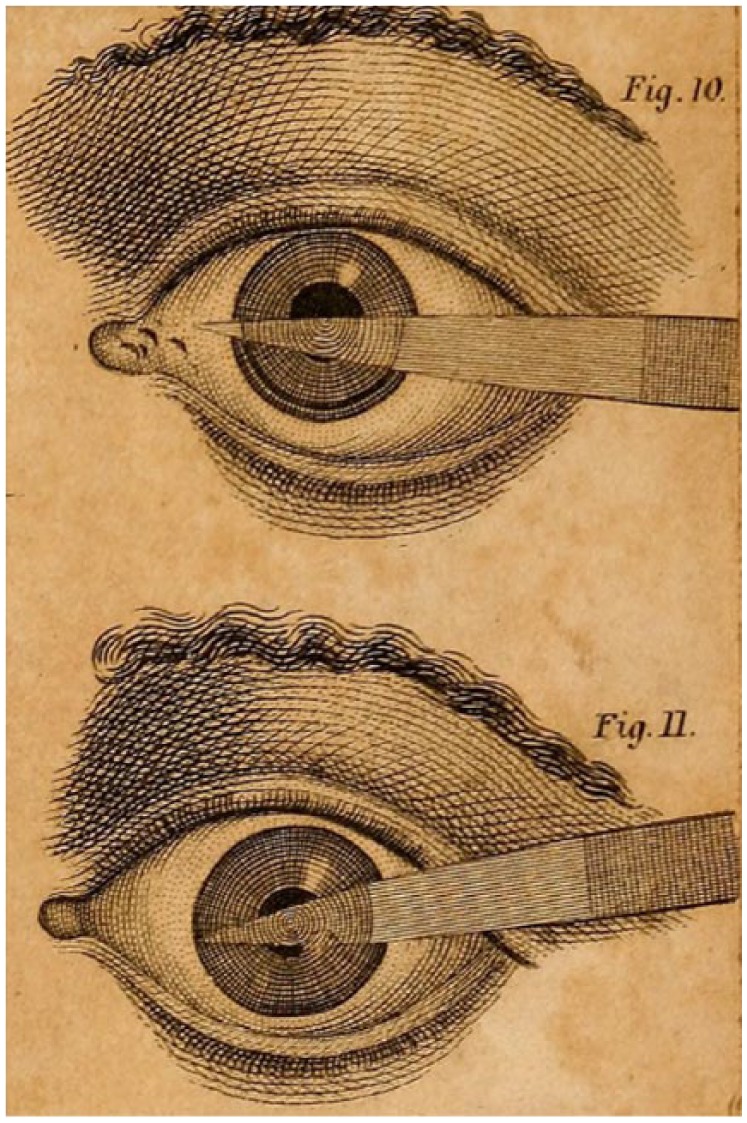
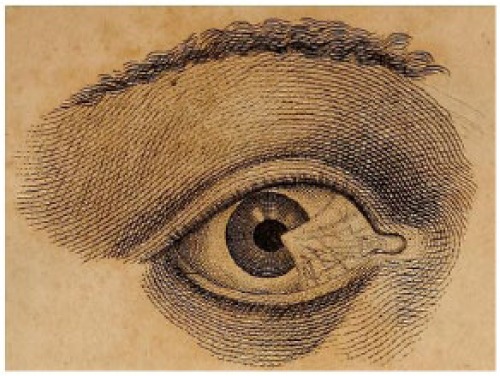
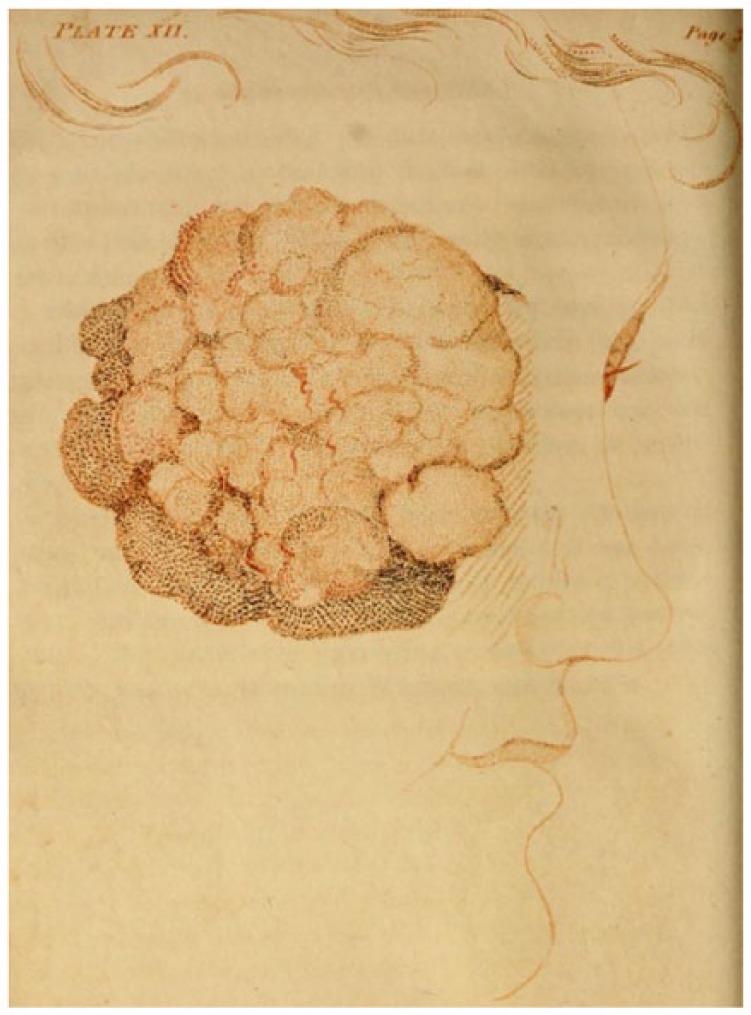
New World plants, such as tobacco, tomato, and chili, were held to have beneficial effects on the eyes. Indigenous healers rubbed or scraped the eyes or eyelids to treat inflammation, corneal opacities, and even eye irritation from smoke. European settlers used harsh treatments, such as bleeding and blistering, when the eyes were inflamed or had loss of vision with a normal appearance (gutta serena). In New Spain, surgery for corneal opacity was performed in 1601 and cataract couching in 1611. North American physicians knew of contralateral loss of vision after trauma or surgery (sympathetic ophthalmia), which they called "sympathy." To date, the earliest identified cataract couching by a surgeon trained in the New World was performed in 1769 by John Bartlett of Rhode Island. The American Revolution negatively affected ophthalmology, as loyalist surgeons were expelled and others were consumed with wartime activities. After the war, cataract extraction was imported to America in earnest and academic development resumed. Charles F Bartlett, the son of John, performed cataract extraction but was also a "rapacious privateer." In 1801, a doctor in the frontier territory of Kentucky observed anticholinergic poisoning by (Jimsonweed) and suggested that this agent be applied topically to dilate the pupil before cataract extraction. John Warren at Harvard preferred couching in the 1790s, but, after his son returned from European training, recommended treating angle closure glaucoma by lens extraction. Other eye procedures described or advertised in America before the 19th century included enucleation, resection of conjunctival lesions or periocular tumors, treatment of lacrimal fistula, and fitting of prosthetic eyes.
新大陆的植物,如烟草、番茄和辣椒,被认为对眼睛有有益的影响。当地的治疗师会摩擦或刮擦眼睛或眼睑来治疗炎症、角膜混浊,甚至是烟雾引起的眼部刺激。当眼睛发炎或外观正常但视力丧失(黑蒙性瞳孔麻痹)时,欧洲殖民者会采用放血和起水疱等严酷的治疗方法。在新西班牙,1601年进行了角膜混浊手术,1611年进行了白内障针拨术。北美医生知道外伤或手术后会出现对侧视力丧失(交感性眼炎),他们称之为“交感”。迄今为止,最早被确认的由在新大陆接受培训的外科医生进行的白内障针拨术是1769年由罗德岛的约翰·巴特利特完成的。美国独立战争对眼科产生了负面影响,因为效忠派外科医生被驱逐,其他人则忙于战时活动。战后,白内障摘除术被认真引入美国,学术发展得以恢复。约翰的儿子查尔斯·F·巴特利特进行了白内障摘除术,但他也是一名“贪婪的私掠者”。1801年,肯塔基州边境地区的一名医生观察到曼陀罗(曼陀罗属植物)导致的抗胆碱能中毒,并建议在白内障摘除术前局部应用这种药物来扩张瞳孔。18世纪90年代,哈佛大学的约翰·沃伦更喜欢白内障针拨术,但在他的儿子从欧洲培训归来后,他建议通过晶状体摘除术治疗闭角型青光眼。19世纪之前在美国被描述或宣传的其他眼科手术包括眼球摘除术、结膜病变或眼周肿瘤切除术、泪瘘治疗以及义眼佩戴。