Ming Ya-Nan, Zhang Jing-Yi, Wang Xiao-Lin, Li Chun-Min, Ma Si-Cong, Wang Zheng-Yang, Liu Xiao-Lin, Li Xiao-Bo, Mao Yi-Min
Division of Gastroenterology and Hepatology, Renji Hospital, School of Medicine, Shanghai Jiao Tong University, Shanghai Institute of Digestive Disease, Shanghai, China.
Department of Pharmacology, School of Medicine, Shanghai Jiao Tong University, Institute of Medical Sciences, Shanghai, China.
Lipids Health Dis. 2017 Aug 14;16(1):153. doi: 10.1186/s12944-017-0540-4.
Acetaminophen (APAP) overdose is one of the most common causes of acute liver failure in many countries. The aim of the study was to describe the profiling of phosphatidylcholine (PC) and phosphatidylethanolamine (PE) in the plasma and liver of Acetaminophen -induced liver injured mice.
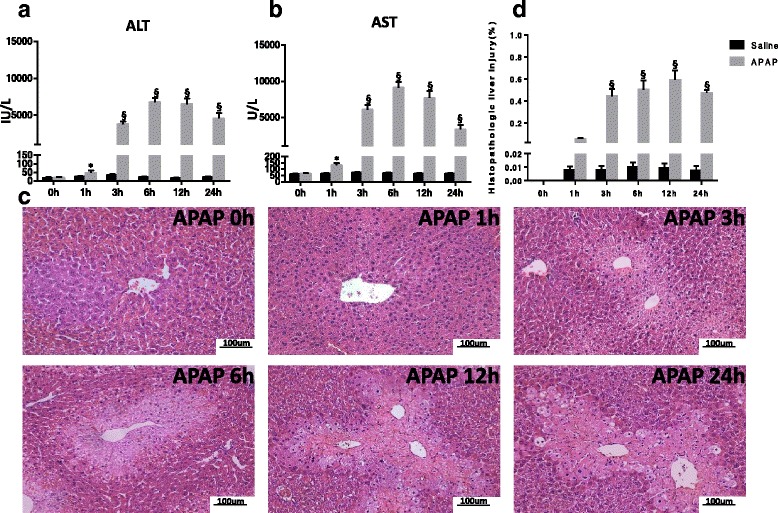
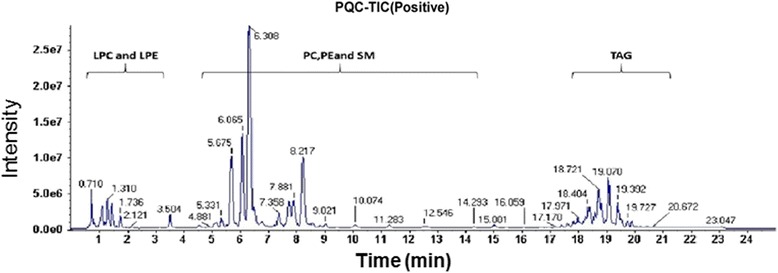
A time course study was carried out using C57BL/6 mice after intraperitoneal administration of 300 mg/kg Acetaminophen 1 h, 3 h, 6 h, 12 h and 24 h. A high-throughput liquid chromatography mass spectrometry (LC-MS) lipidomic method was utilized to detect phosphatidylcholine and phosphatidylethanolamine species in the plasma and liver. The expressions of phosphatidylcholine and phosphatidylethanolamine metabolism related genes in liver were detected by quantitative Reverse transcription polymerase chain reaction (qRT-PCR) and Western-blot.
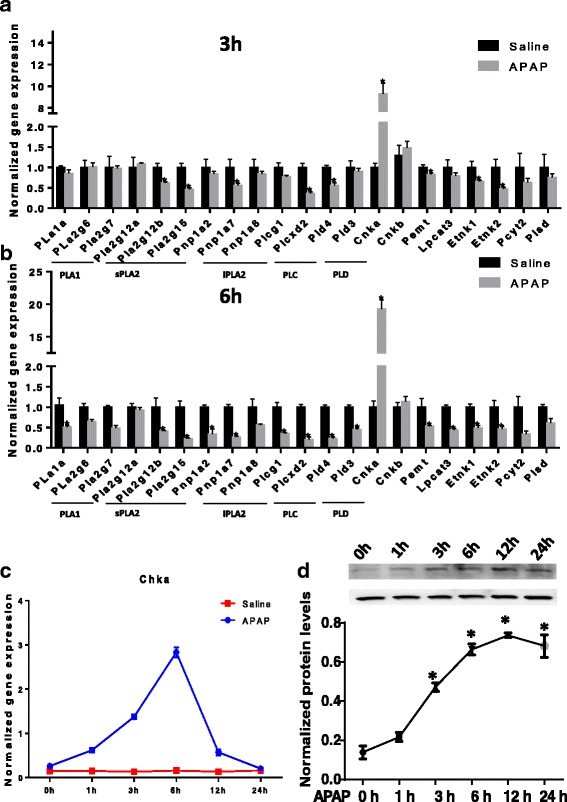
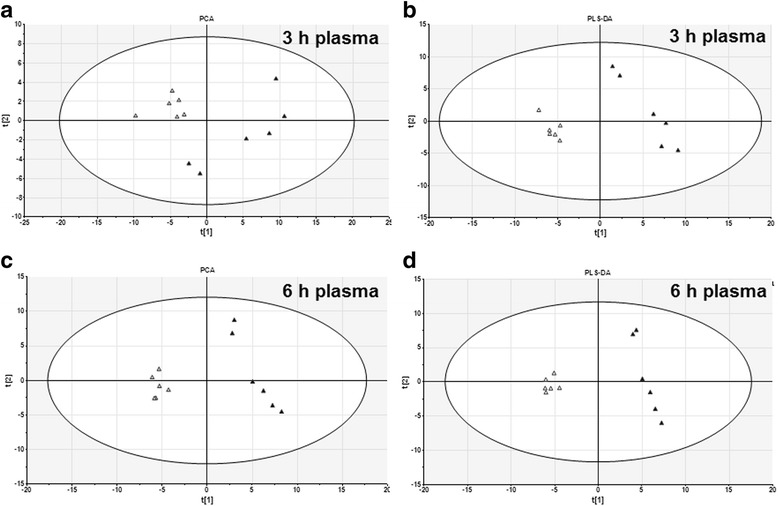
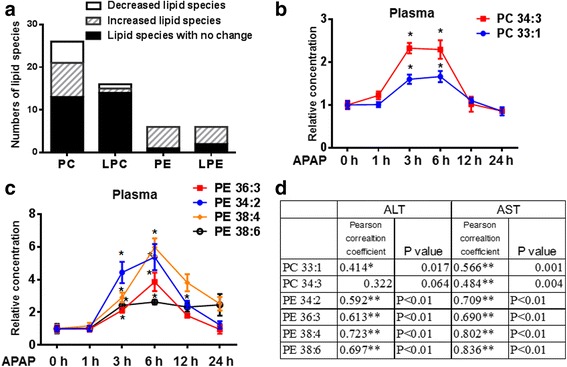
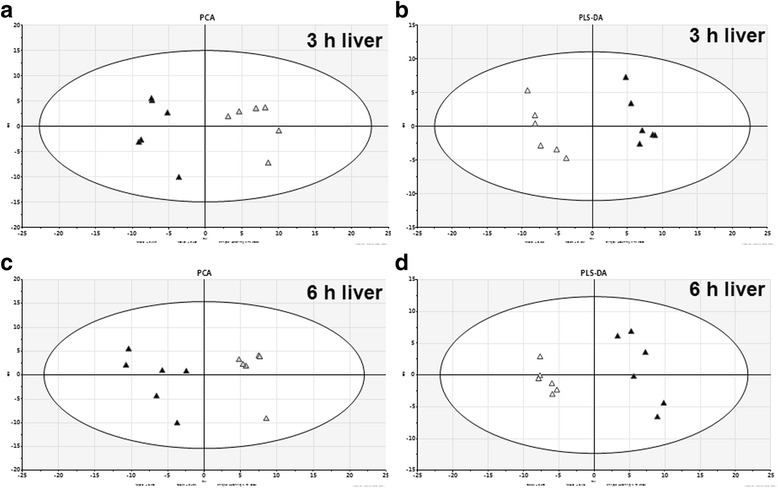
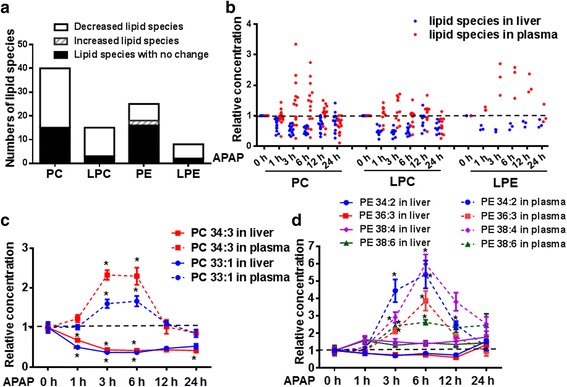
Following Acetaminophen treatment, the content of many PC and PE species in plasma increased from 1 h time point, peaked at 3 h or 6 h, and tended to return to baseline at 24 h time point. The relative contents of almost all PC species in liver decreased from 1 h, appeared to be lowest at 6 h, and then return to normality at 24 h, which might be partly explained by the suppression of phospholipases mRNA expressions and the induction of choline kinase (Chka) expression. Inconsistent with PC profile, the relative contents of many PE species in liver increased upon Acetaminophen treatment, which might be caused by the down-regulation of phosphatidylethanolamine N-methyltransferase (Pemt).
Acetaminophen overdose induced dramatic change of many PC and PE species in plasma and liver, which might be caused by damaging hepatocytes and interfering the phospholipid metabolism in Acetaminophen -injured liver.
对乙酰氨基酚(APAP)过量服用是许多国家急性肝衰竭最常见的病因之一。本研究旨在描述对乙酰氨基酚诱导的肝损伤小鼠血浆和肝脏中磷脂酰胆碱(PC)和磷脂酰乙醇胺(PE)的特征。
对C57BL/6小鼠腹腔注射300mg/kg对乙酰氨基酚,分别在1小时、3小时、6小时、12小时和24小时进行时间进程研究。采用高通量液相色谱-质谱联用(LC-MS)脂质组学法检测血浆和肝脏中的磷脂酰胆碱和磷脂酰乙醇胺种类。通过定量逆转录聚合酶链反应(qRT-PCR)和蛋白质免疫印迹法检测肝脏中磷脂酰胆碱和磷脂酰乙醇胺代谢相关基因的表达。
对乙酰氨基酚处理后,血浆中许多PC和PE种类的含量从1小时时间点开始增加,在3小时或6小时达到峰值,并在24小时时间点趋于恢复到基线水平。肝脏中几乎所有PC种类的相对含量从1小时开始下降,在6小时似乎最低,然后在24小时恢复正常,这可能部分是由于磷脂酶mRNA表达的抑制和胆碱激酶(Chka)表达的诱导。与PC特征不一致的是,对乙酰氨基酚处理后肝脏中许多PE种类的相对含量增加,这可能是由于磷脂酰乙醇胺N-甲基转移酶(Pemt)的下调所致。
对乙酰氨基酚过量服用导致血浆和肝脏中许多PC和PE种类发生显著变化,这可能是由于对乙酰氨基酚损伤肝细胞并干扰其磷脂代谢所致。