Izquierdo-Gómez María Manuela, Hernández-Betancor Iván, García-Niebla Javier, Marí-López Belén, Laynez-Cerdeña Ignacio, Lacalzada-Almeida Juan
Department of Cardiology, Hospital Universitario de Canarias, Tenerife, Spain.
Servicios Sanitarios del Área de Salud de El Hierro, Valle del Golfo Health Center, El Hierro, Spain.
Biomed Res Int. 2017;2017:5178631. doi: 10.1155/2017/5178631. Epub 2017 Jul 24.
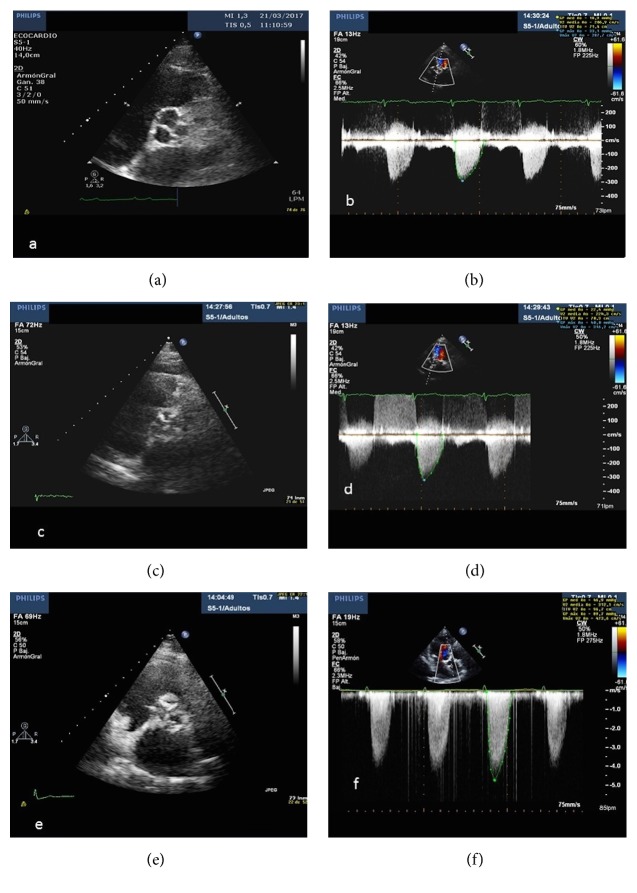
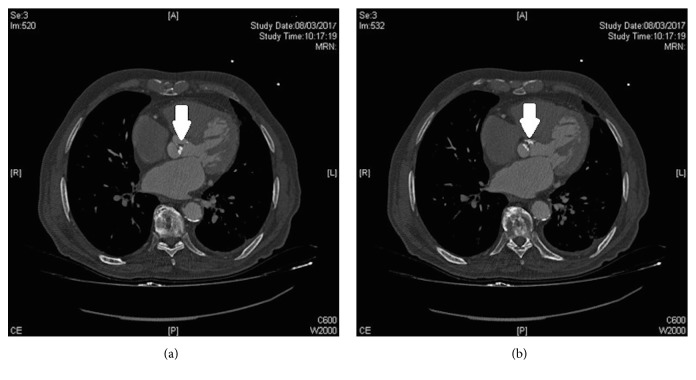
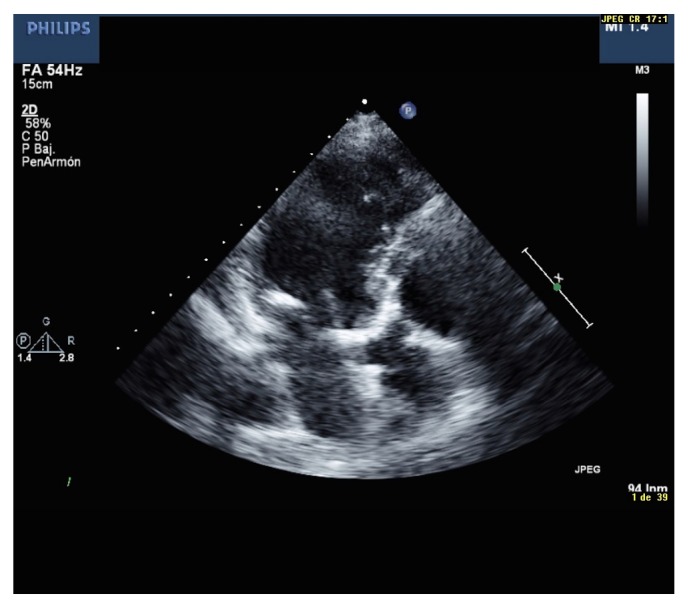
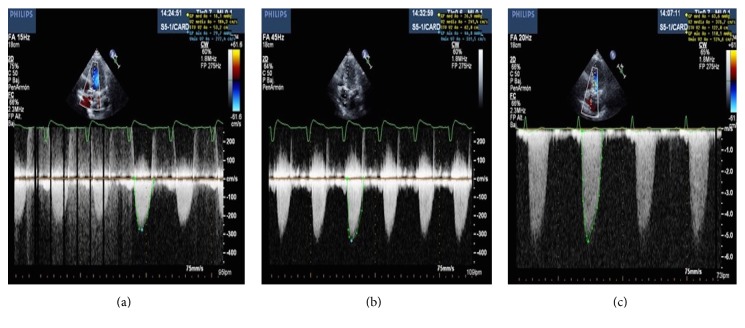
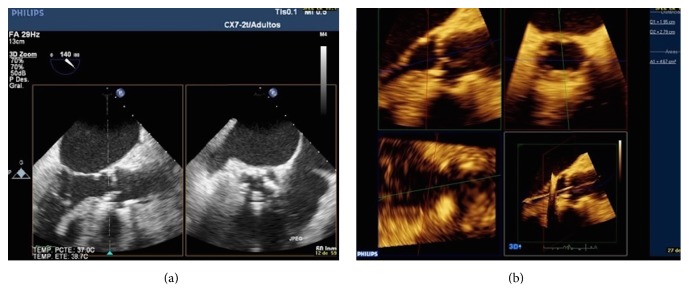
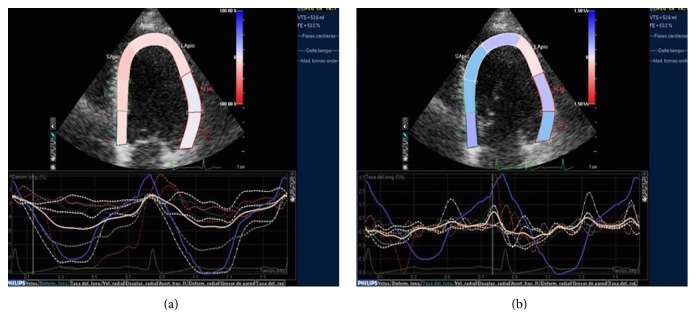
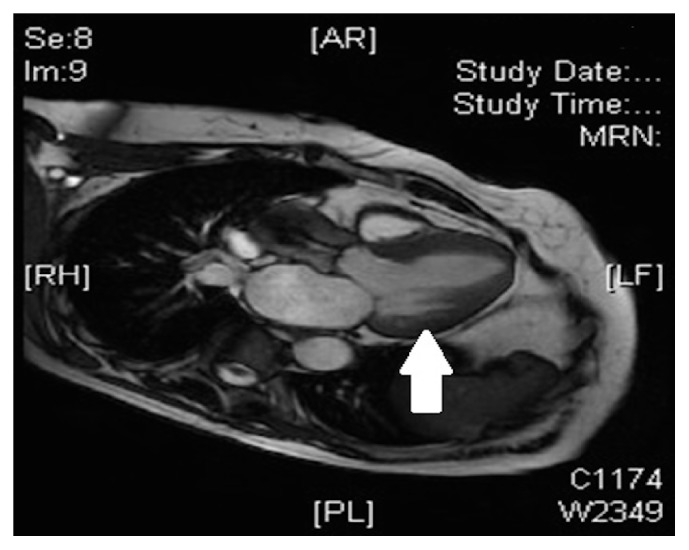
Aortic stenosis is the most common valvulopathy in the Western world. Its prevalence has increased significantly in recent years due to population aging; hence, up to 8% of westerners above the age of 84 now have severe aortic stenosis (Lindroos et al., 1993). This causes increased morbidity and mortality and therein lies the importance of adequate diagnosis and stratification of the degree of severity which allows planning the best therapeutic option in each case. Long understood as a passive age-related degenerative process, it is now considered a rather more complex entity involving mechanisms and factors similar to those of atherosclerosis (Stewart et al., 1997). In this review, we summarize the pathophysiological mechanisms underlying the onset and progression of the disease and analyze the current role of cardiac imaging techniques for diagnosis.
主动脉瓣狭窄是西方世界最常见的瓣膜病。近年来,由于人口老龄化,其患病率显著上升;因此,现在84岁以上的西方人中有高达8%患有严重的主动脉瓣狭窄(林德罗斯等人,1993年)。这导致发病率和死亡率增加,因此,充分诊断和对严重程度进行分层非常重要,这有助于为每个病例规划最佳治疗方案。长期以来,人们一直认为这是一个与年龄相关的被动退行性过程,现在它被认为是一个更为复杂的实体,涉及与动脉粥样硬化相似的机制和因素(斯图尔特等人,1997年)。在这篇综述中,我们总结了该疾病发生和进展的病理生理机制,并分析了心脏成像技术在诊断中的当前作用。